Walk into a bookstore and the name on the cover feels like a promise. Sometimes it’s a mask, though, and a surprising number of famous writers have worn more than one.
Their reasons vary. Some wanted to split genres, some wanted to dodge a reputation, and some were just writing too fast for a single byline. Here are eight authors who ran multiple names at once.
Nora Roberts
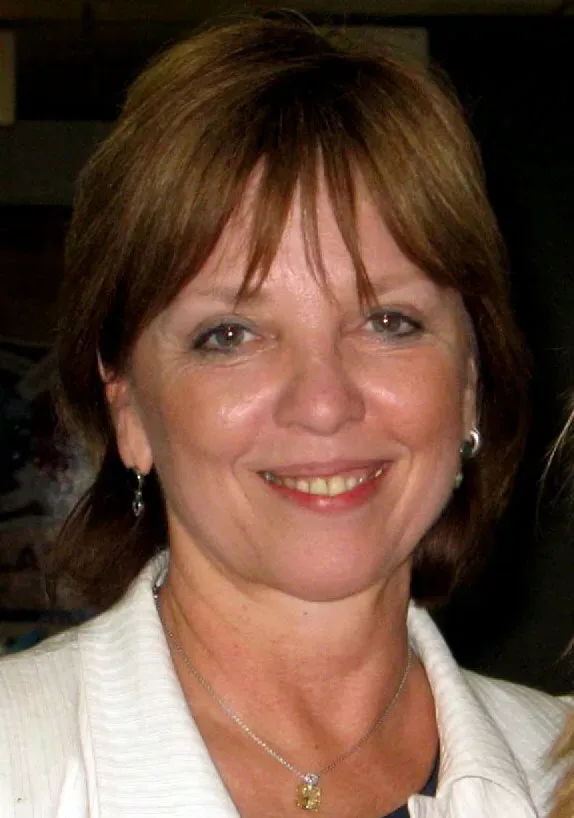
Eleanor Robertson, known to millions as Nora Roberts, is probably the best known example of a writer with a second identity. Her futuristic detective series, which began with Naked in Death in 1995, appears under the name J.D. Robb. It gave her room to write gritty crime without confusing her romance readers.
She has also published as Jill March and Sarah Hardesty. Unlike some pseudonyms, Robb stopped being a secret fairly quickly, and today the books openly credit her as the author behind the name. The arrangement works more like a label than a disguise.
Anne Rice
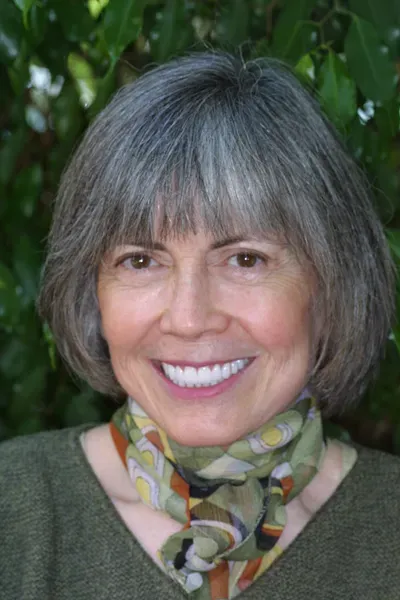
Anne Rice was born Howard Allen O’Brien, so even her famous name was a choice. Beyond that, she used two pen names for erotic fiction. As A.N. Roquelaure she wrote the Sleeping Beauty trilogy, which started in 1983.
As Anne Rampling she published Exit to Eden in 1985 and Belinda in 1986. Both names let her separate that work from the gothic fiction that made her famous with Interview with the Vampire. The link between the names became widely known over time.
Joyce Carol Oates
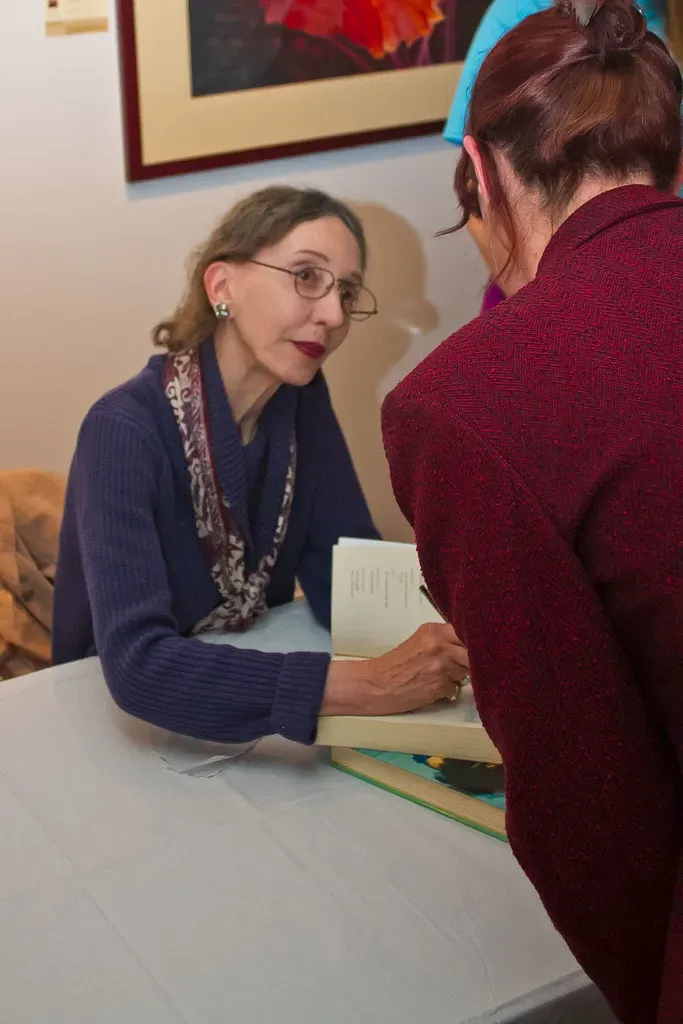
Few living American writers are as prolific as Joyce Carol Oates, so a second and third byline almost make sense. She published suspense novels as Rosamond Smith, a name that echoes the surname of her late husband, the editor Raymond J. Smith. She also wrote under the name Lauren Kelly.
The pseudonyms gave her a place to experiment with plot driven thrillers. Her main name was already tied to literary fiction and heavy critical attention. A different byline let her work in a lighter register without muddying that reputation.
Dean Koontz

Dean Koontz holds a record of sorts for sheer number of aliases. Over the years he has written as Leigh Nichols, Brian Coffey, David Axton, Owen West, Deanna Dwyer, K.R. Dwyer, Aaron Wolfe, John Hill and Richard Paige, among others. Many came from his early career, when he was turning out books quickly for different publishers.
Several of these titles were later reissued under his own name once his fame was secure. Leigh Nichols was one of the more visible cases, used for suspense novels in the 1980s. The trail of names reads like a map of how a working novelist builds a career.
Evan Hunter

The writer born Salvatore Lombino legally changed his name to Evan Hunter in the early 1950s. He used that name for The Blackboard Jungle, his 1954 novel about an inner city school. He then adopted a second name, Ed McBain, for crime fiction.
Under the McBain byline he launched the 87th Precinct series with Cop Hater in 1956, and the series ran for decades. He also used Richard Marsten, Hunt Collins and other names for science fiction and pulp work. By the time he died in 2005, McBain was the name many readers knew best.
Michael Crichton
Before Jurassic Park, Michael Crichton was a Harvard medical student writing paperback thrillers on the side. As John Lange he published Odds On in 1966 and several more novels that kept the byline separate from his medical training. The pen name kept his studies and his storytelling apart.
He used Jeffery Hudson for A Case of Need, a medical thriller that won an Edgar Award from the Mystery Writers of America. With his brother Douglas he wrote Dealing as Michael Douglas. Eventually he dropped the extra names and published under his own.
Georges Simenon
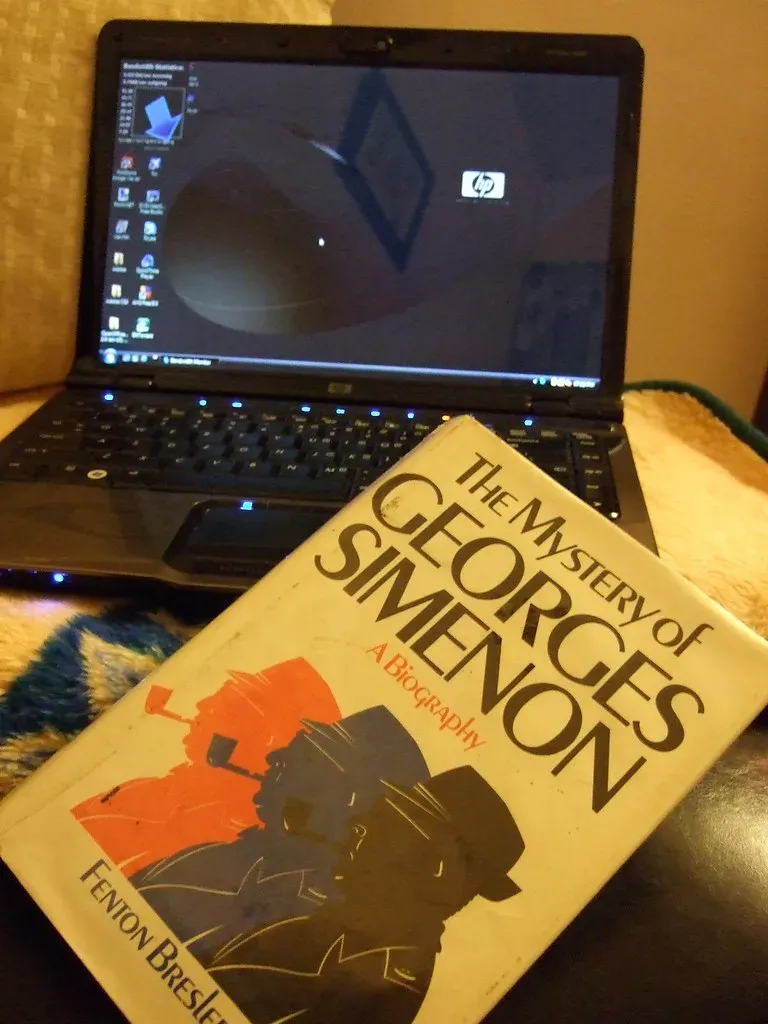
The Belgian author Georges Simenon is best known for Inspector Maigret, but he began his career as a very fast writer of popular fiction. In those early years he used many pseudonyms, including Georges Sim and Christian Brulls. The sheer volume of his output made the extra names practical.
The Maigret series started in 1931 with Pietr the Latvian, and Simenon moved toward publishing under his real name. He eventually produced hundreds of books across his career. The early pen names remain a footnote that shows how much he wrote before he became famous.
Ruth Rendell
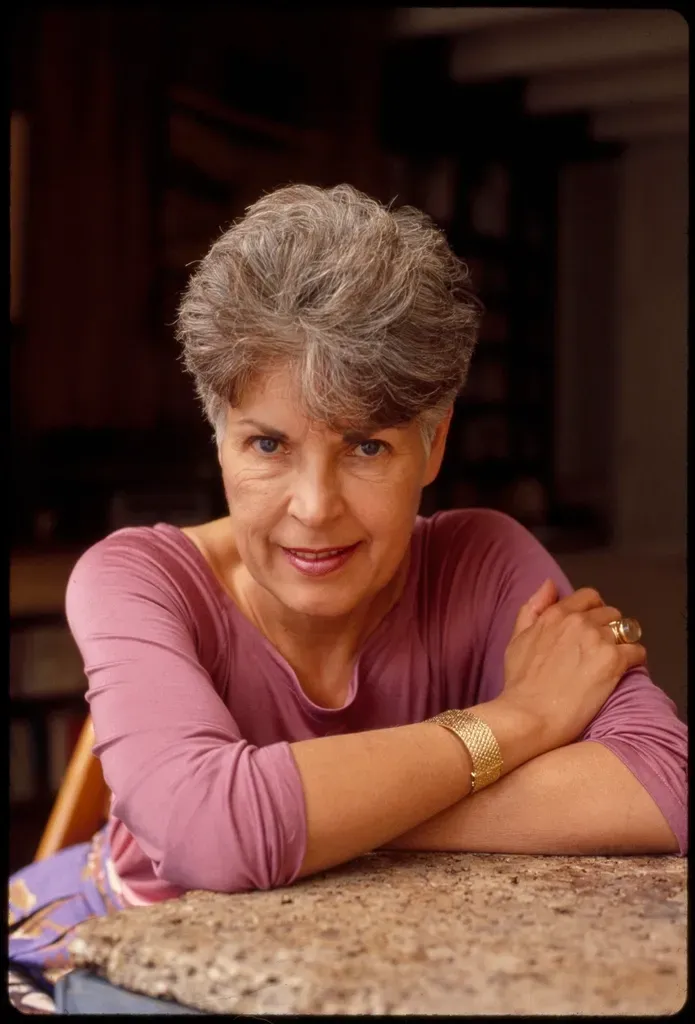
Ruth Rendell published crime fiction under her own name and as Barbara Vine, and she treated the two bylines as different kinds of writing. Her Inspector Wexford novels carried the Rendell name. The Vine books leaned toward psychological suspense, with a slower and more atmospheric feel.
The first Vine novel, A Dark Adapted Eye, appeared in 1986. Readers learned fairly soon who stood behind the name, and both identities went on to win major crime writing honors. Rendell kept using both until her death in 2015.