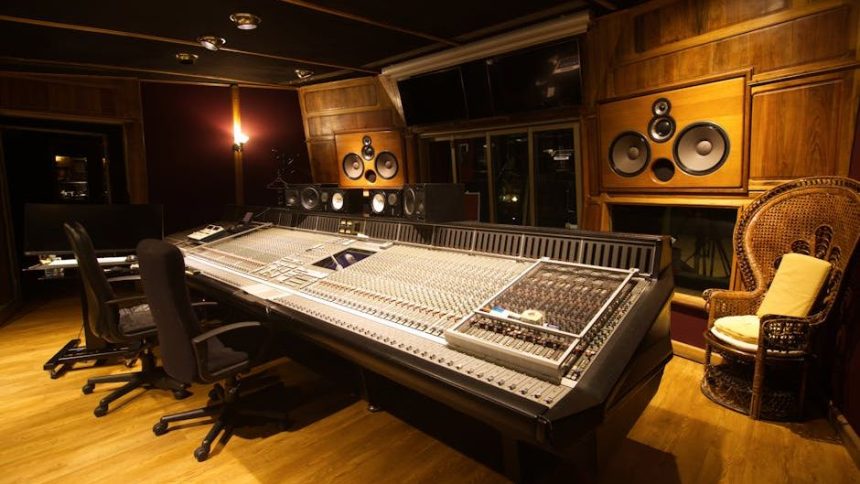
Most people hear a great album and think: remarkable songs, talented musicians, maybe a brilliant producer. What they rarely think about is the texture beneath everything else. The creak of a studio door left in the mix. The way a synthesizer breath lands just before a chorus. The near-subliminal rumble of a bass frequency that you feel rather than hear. These are the fingerprints of sound design, and they’re everywhere on the records that endure. Sound design in music is older than the term itself. Long before anyone used the phrase professionally, composers and engineers were manipulating recordings, shaping spaces, and inventing new sounds from scratch to serve the emotional needs of an album. The discipline has quietly shaped pop, rock, electronic music, hip-hop, and beyond. Its influence is not always obvious. That’s precisely what makes it so powerful.
From Edison to the Studio as Instrument
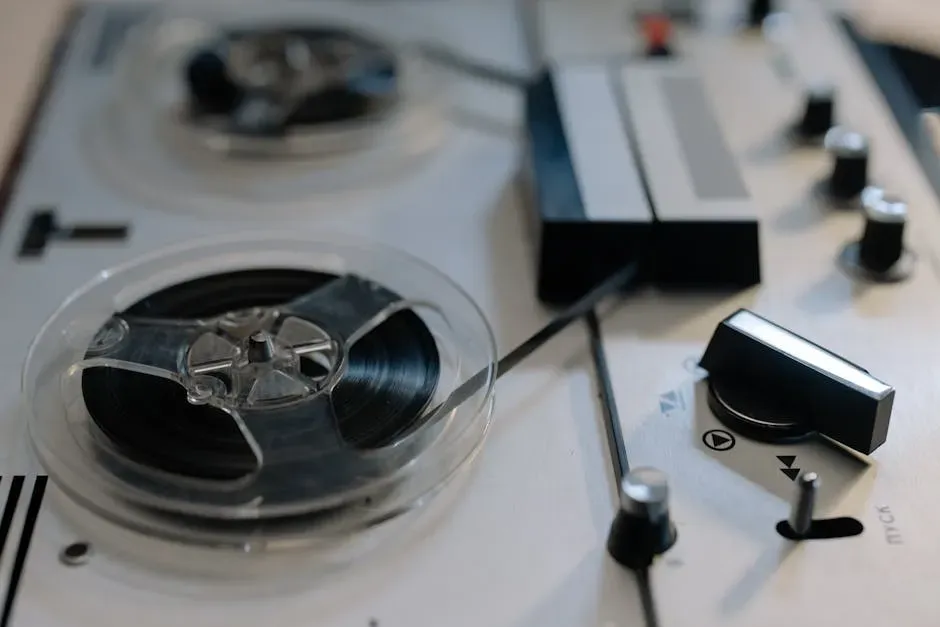
The history of sound recording can be loosely organized into four eras based on the emergent technology of each period: acoustic, electrical, magnetic, and digital. Each era didn’t just improve fidelity. It handed artists a new creative language. Magnetic tape, for instance, was a genuine turning point.
Magnetic tape was a leap forward in audio fidelity and opened up an entire realm of possibility in terms of sound manipulation during the recording process. Producers suddenly had the ability to splice, reverse, and layer recordings in ways that acoustic-era engineers couldn’t have imagined. The studio stopped being a room where performances were captured and started becoming an instrument in its own right.
The Beatles and the Birth of Experimental Studio Craft
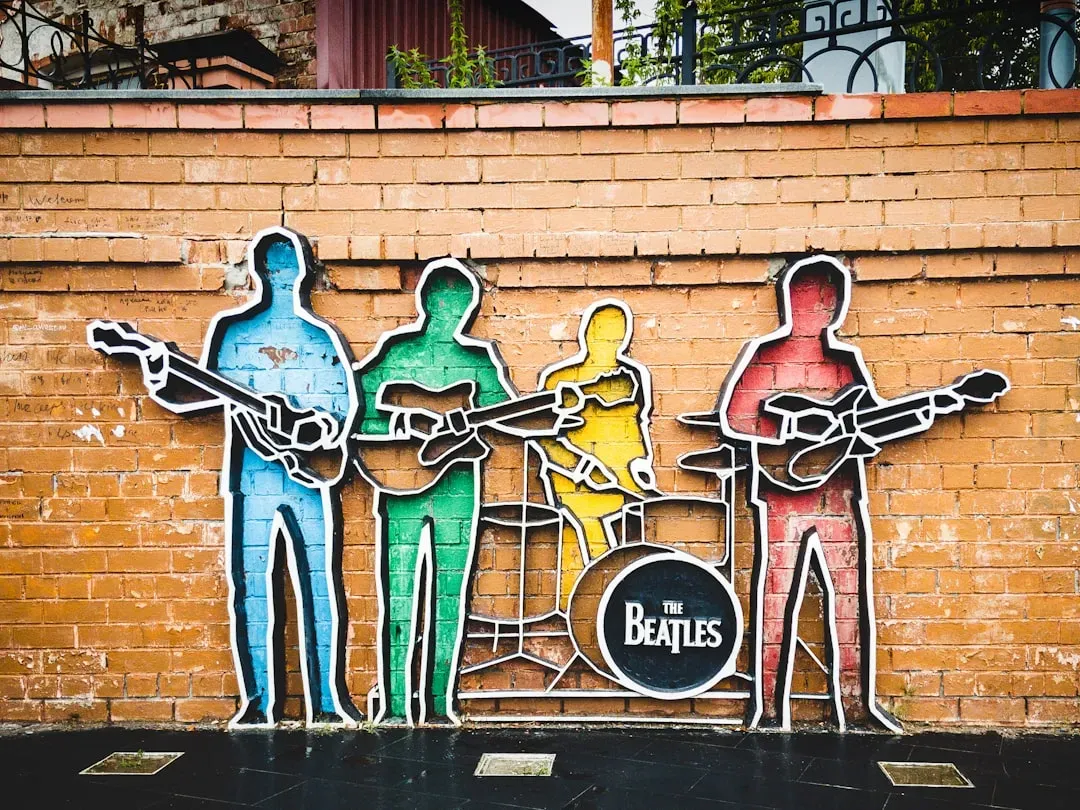
Sgt. Pepper’s Lonely Hearts Club Band by The Beatles is often considered one of the most innovative and iconic Beatles albums of all time. With this new album, The Beatles aimed to break free from their previous image and sound. They wanted to create a work of art perceived as a unified entity rather than just a collection of individual songs. This ambition pushed them toward extraordinary sonic invention.
Various sound techniques were used by George Martin and The Beatles, such as tape loops and automatic double tracking (ADT) which were used to create a richer sound. On songs like “A Day in the Life” and “She’s Leaving Home,” a full orchestra was used. For “Within You Without You,” a full Indian orchestra was used, which included traditional Indian instruments such as the sitar and the tabla, following a trip to India by George Harrison. The album treated world instrumentation as raw material for something new.
Abbey Road and the Power of Stereo Space
Abbey Road is the first album the band released in stereo only. Stereo was established in the early 1930s as a way to capture and replicate the way humans hear sounds. Stereo’s two channels can create the illusion of sounds emerging from different directions, with some coming from the listener’s left and others from the right. The Beatles understood what this meant for emotional impact, and they used it deliberately.
In Abbey Road, stereo is central to the album’s creative vision. Take the opening minute of “Here Comes the Sun.” George Harrison’s acoustic guitar emerges from the left speaker, and is soon joined by several delicate synthesizer sounds. At the end of the song’s introduction, a lone synthesizer sound gradually sweeps from the left speaker to the listener’s center. Harrison’s voice then enters in the center, in front of the listener, and is joined by strings located toward the right speaker’s location. Every placement was a conscious decision, not a technical afterthought.
Pink Floyd and the Art of Immersive Sound
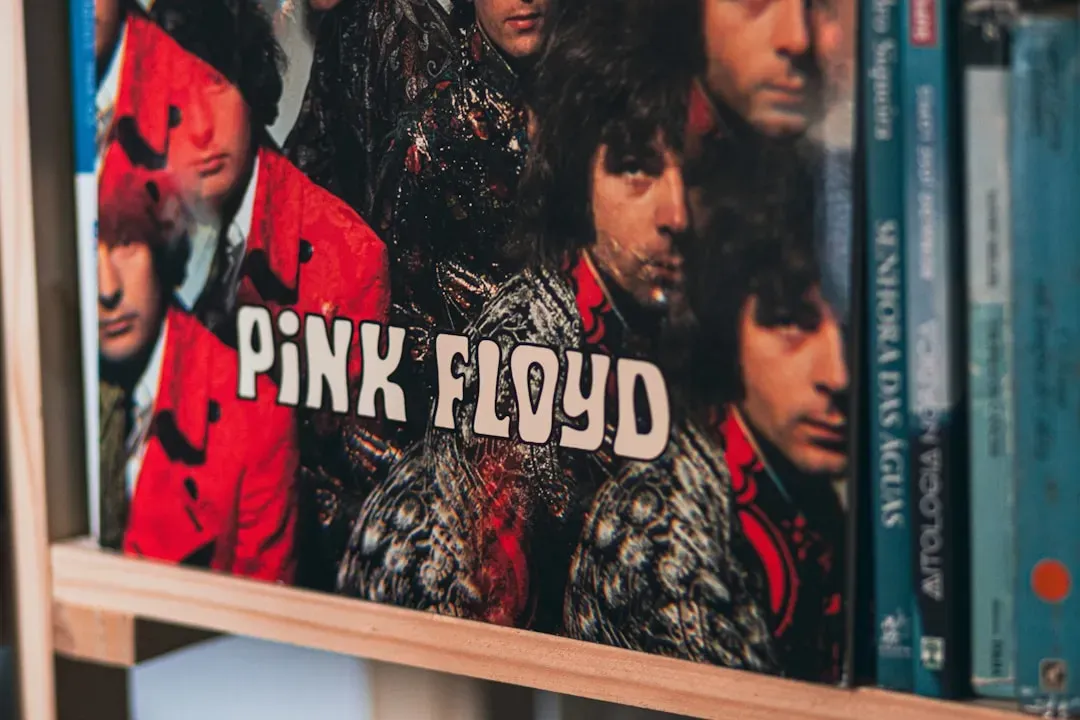
One of the most emblematic albums to stick in people’s minds is The Dark Side of the Moon by Pink Floyd, released in 1973, which immediately found huge success. Much of that success came from its radical approach to sound. It was one of the first albums to be mixed in quadraphonic sound. Basically, this means that four separate audio channels were used to produce a more immersive sound experience.
Various sounds such as heartbeats, clocks, and laughter, as well as bits of conversations, were recorded and integrated into the tracks. In addition, some of these sounds were looped to create repetitive patterns and sound effects. The track “Money” is a good example: the sound of the cash register was created by looping the sound of coins being shuffled. These weren’t decorative touches. They gave the album a physical presence that pure music couldn’t achieve alone.
Brian Wilson, Analog Pioneers, and the Wall of Sound
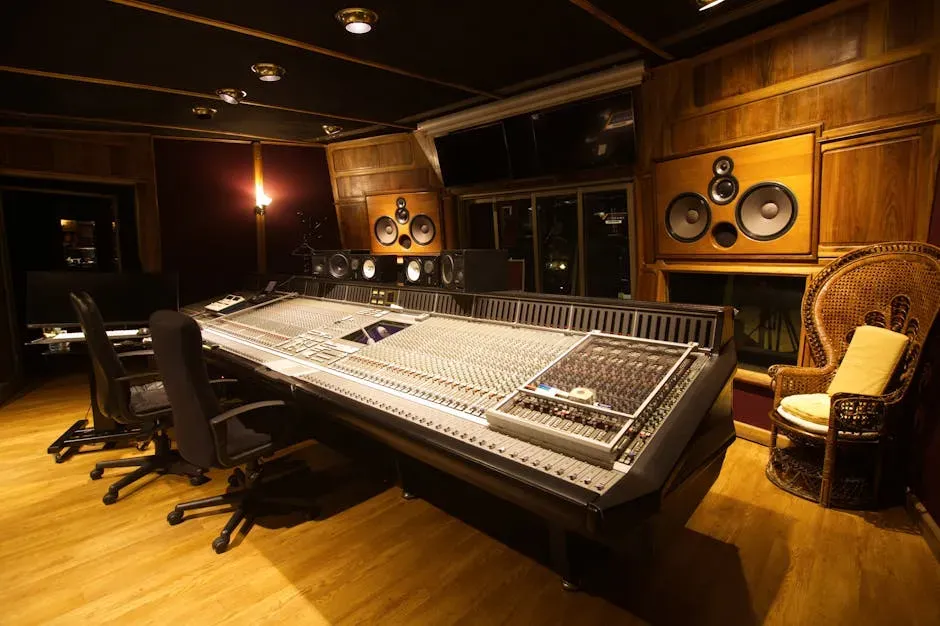
Brian Wilson’s “Wall of Sound” approach used unconventional instruments, including bicycle bells, Coca-Cola cans, and theremins, and relied on complex overdubbing. This obsessive layering turned Pet Sounds into something that sounded unlike anything before it. Paul McCartney cited it as the album The Beatles were trying to beat, illustrating how innovation sparks further innovation.
The late twentieth century saw a tidal wave of new technology in the form of analog synthesizers and samplers. Instruments such as the Minimoog, ARP 2600, and the Fairlight CMI opened creative doors that artists like Michael Jackson, Prince, and Kraftwerk eagerly walked through. Each of those artists built entire sonic worlds around the textures those machines could produce.
Partner offer
Electronic Music and the Synthesizer Revolution
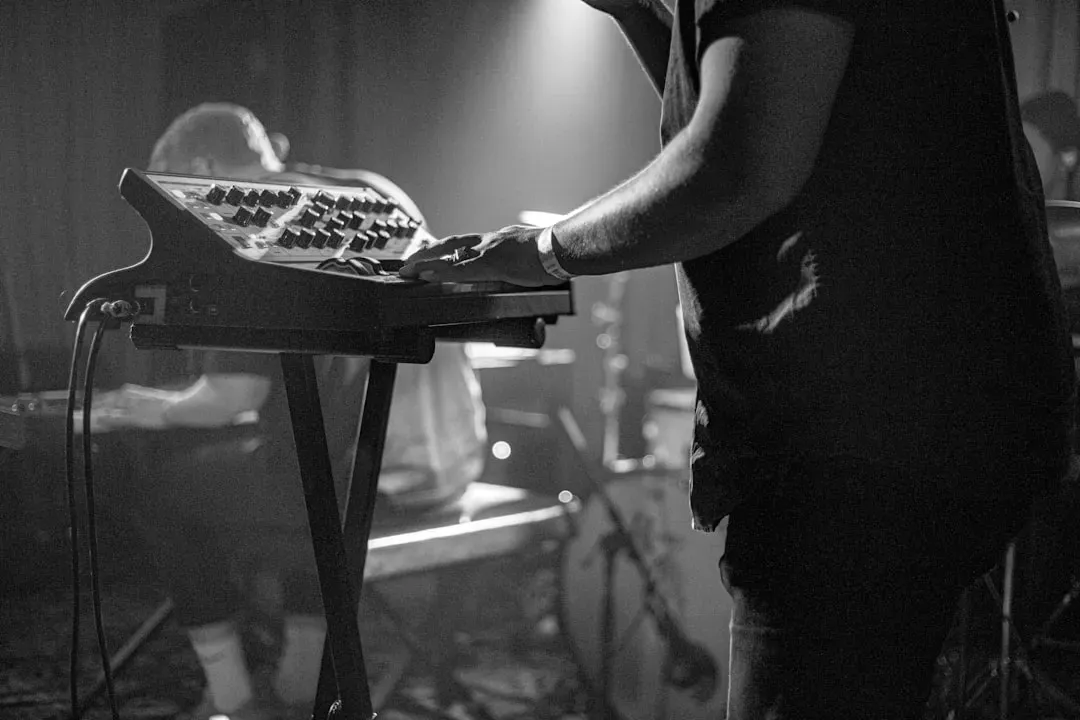
Aphex Twin, the alias of Richard D. James, emerged as an avant-garde figurehead who pushed the boundaries of electronic music by masterfully integrating synthesizers and intricate sound design techniques. Albums like “Selected Ambient Works 85-92” and “Richard D. James Album” were revolutionary, showcasing the profound depth and versatility of synthesizers in crafting immersive electronic landscapes. Richard D. James’s expertise in manipulating synthesizers and his innovative approach to programming allowed him to sculpt sounds that were both deeply emotional and sonically challenging.
In the late 1970s and early 1980s, the integration of synthesizers and drum machines, like the Roland TR-808, began to fundamentally alter the production of hip-hop and R&B music. Afrika Bambaataa’s iconic track “Planet Rock,” built around a sample from Kraftwerk’s “Trans-Europe Express” and the pulsating rhythm of the Roland TR-808 drum machine, ignited the electro-funk movement. It fused elements of hip-hop, funk, and electronic music, creating a futuristic and danceable sound that dominated the early 80s.
Shoegaze, Trip-Hop, and Sound as Atmosphere
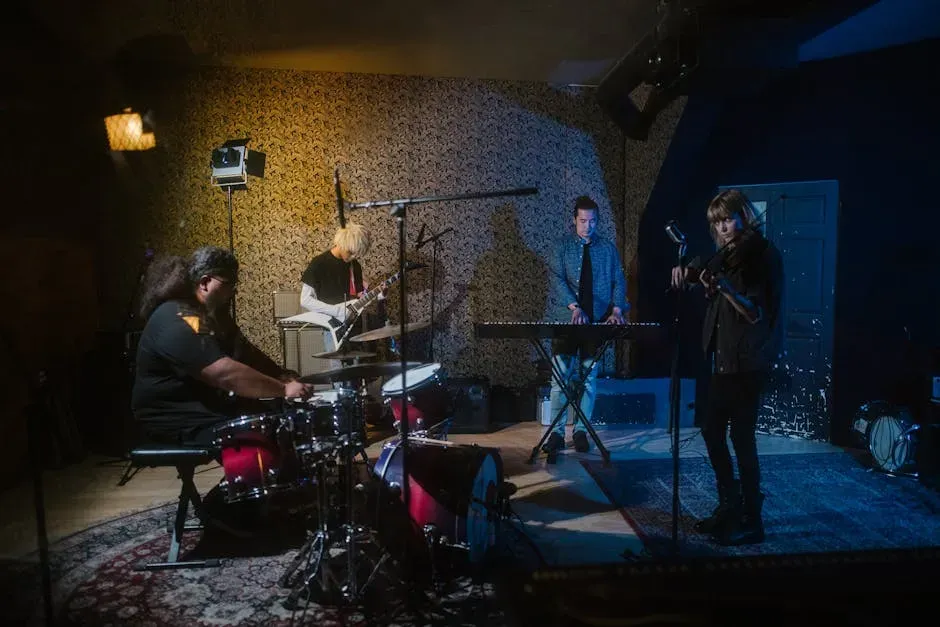
My Bloody Valentine’s masterpiece Loveless is a sonic tapestry of distorted guitars, ethereal vocals, and experimental production techniques. Their innovative use of guitar pedals, feedback, and studio effects created a wall of sound that was both beautiful and overwhelming, defining the shoegaze genre. The sound design on that record wasn’t in service of the songs. It was the songs.
Massive Attack’s debut album “Blue Lines” laid the foundation for trip-hop, a genre that blended elements of hip-hop, dub, and electronica. Massive Attack’s atmospheric soundscapes, downtempo beats, and soulful vocals created a cinematic and melancholic sound that was both innovative and influential. Both movements proved that mood and texture could carry an album just as powerfully as melody.
The Cinematic Turn: Albums That Sound Like Films
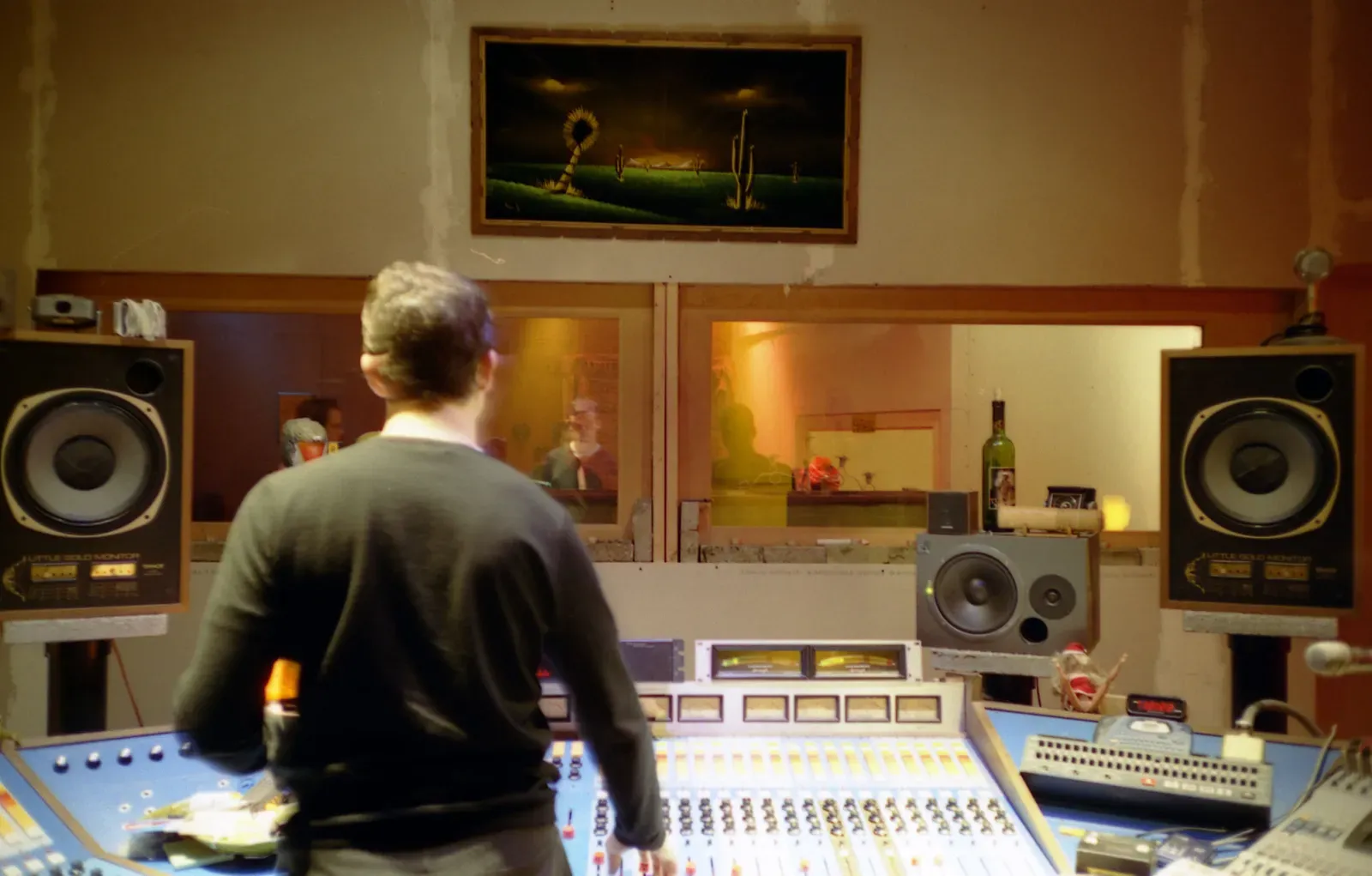
In recent years, more and more musicians have looked to film composers for inspiration, blending sweeping strings, haunting atmospheres, and subtle sound effects into their albums. This trend isn’t just about sounding “big”; it’s about emotion, drama, and immersion. When you hear a song that feels like a movie scene, it sticks with you. The emotional architecture of cinema has become a genuine influence on how albums are constructed from the ground up.
Recent streaming data from Spotify shows that playlists labeled “cinematic” have seen a significant increase in listens since 2021, reflecting a growing appetite for this style. The cinematic approach turns albums into experiences, where the sound design supports the story as much as the lyrics do. Oneohtrix Point Never’s cinematic style has set notable benchmarks, and his ability to create immersive atmospheres is vital for producers aiming to craft a rich listening experience.
The Bedroom Studio Revolution

With digital audio workstations like Ableton Live and FL Studio and plugins such as Serum or Kontakt, musicians like Tame Impala and Clairo have crafted chart-topping, genre-defining records without ever stepping into a fancy studio. The geography of great sound design has fundamentally shifted. A spare bedroom with the right software can now produce something that competes with major-label releases on a technical level.
According to a 2024 survey by MusicRadar, over seventy percent of emerging artists now start their careers from home studios, a staggering number that would have been unthinkable a decade ago. Software synthesizers and samplers, like Native Instruments’ Kontakt and Ableton Live’s Simpler, provided affordable and versatile platforms for artists to explore sampling and sound design without requiring expensive hardware, democratizing sound creation and manipulation.
AI, Spatial Audio, and the Next Chapter
According to a 2024 report by MIDiA Research, over thirty percent of major label releases in the past year have used AI-powered plugins or samples. Tools like iZotope’s Neutron or Google’s Magenta allow producers to create entirely new sounds, sometimes without touching a single instrument. These programs can generate samples, shape EQ curves, and even “dream up” melodies or textures. Artists are embracing AI-generated sounds not to replace themselves, but to expand their palettes.
With listeners seeking more engaging and dynamic experiences, immersive audio technologies are becoming a defining feature in music production. In 2025, tools like Spatial Audio and Dolby Atmos continue to evolve, offering 3D soundscapes that bring the listener closer to the music. Granular synthesis continues to push the limits of sound design. This technique allows producers to manipulate tiny grains of sound to create unique textures and evolving soundscapes. The tools keep changing. The underlying impulse, to make a listener feel something they didn’t expect to feel, remains exactly the same as it was in 1967.
Partner offer
Planning a trip to Vegas?
Compare hotel rates and show tickets on VEGAS.com.