Barry Lyndon came out in 1975, and its interiors still look unlike almost anything else in mainstream cinema. Faces glow softly and rooms fall away into amber shadow. Many viewers assume some clever lighting trick was involved.
The real answer is more about equipment than lighting. Kubrick wanted to shoot eighteenth century interiors the way people of that era actually saw them, and that meant a very unusual lens.
The Goal: Real Candlelight on Screen
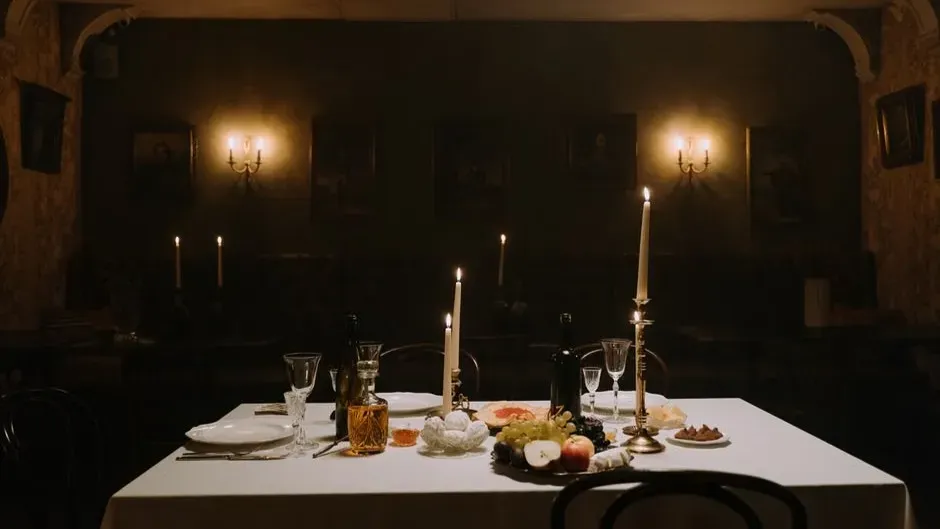
Kubrick wanted the night interiors to look like they were lit by the flames in the room. Most films of the period used hidden lamps to imitate candlelight. He rejected that approach.
His reasoning was about period accuracy. Before electricity, evenings were lit by candles and oil lamps, and he wanted that dim, warm quality on screen. The look he was after had been seen in painting but rarely in film.
The Problem With Ordinary Lenses
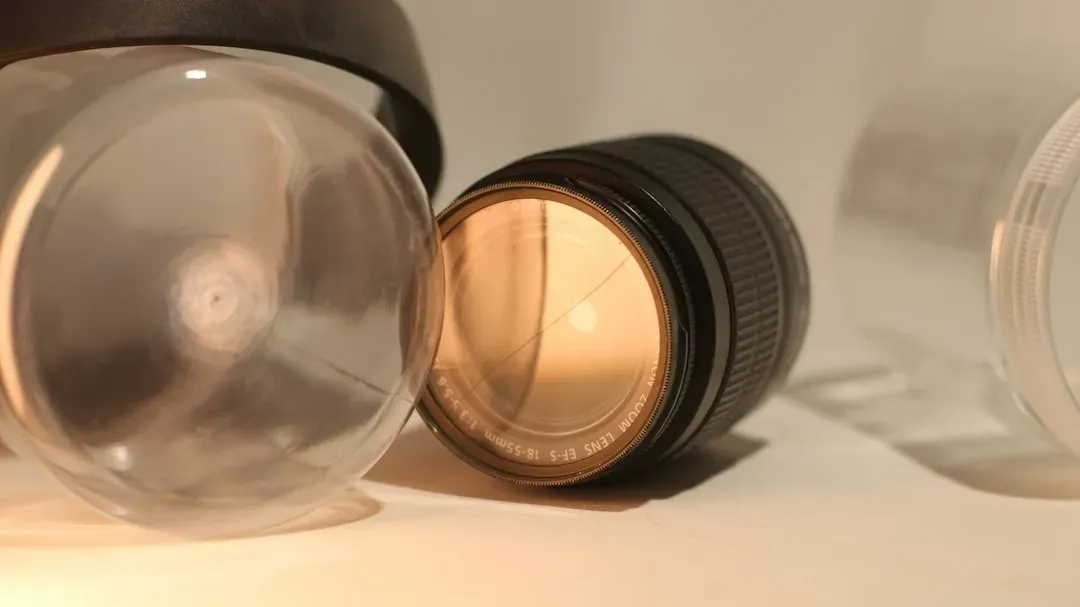
A single candle gives off very little light. Standard film lenses of the time could not gather enough of it to expose the film properly. Filming a scene lit only by candles seemed impractical.
Faster film stock helped only so much. Kubrick needed a lens that could capture light far beyond what normal cinema optics allowed. He found one in an unexpected place.
The NASA Zeiss Lenses
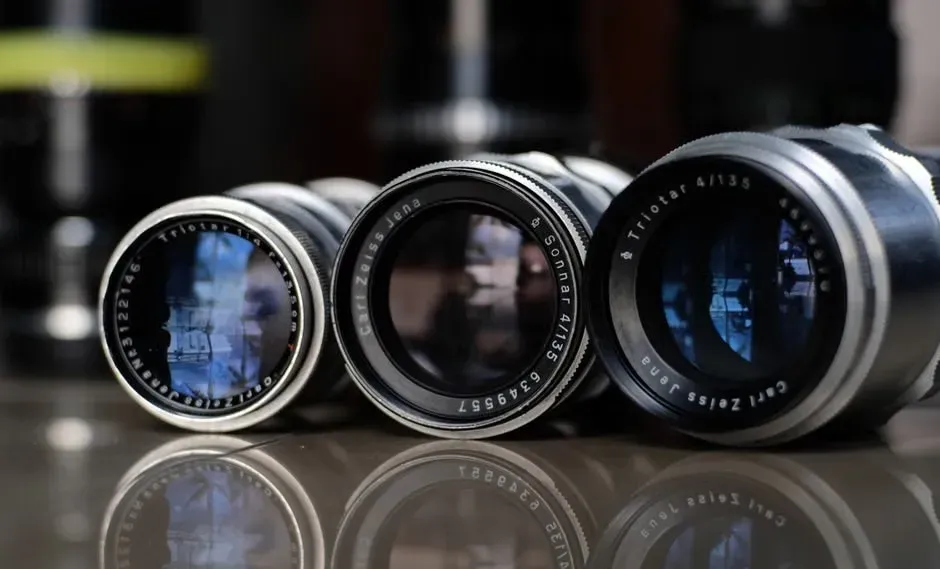
The solution was a Carl Zeiss Planar 50mm lens with a maximum aperture of f/0.7. Zeiss had built these lenses for NASA, which used them to photograph the far side of the moon during the space program. That aperture is faster than nearly any lens used in feature filmmaking.
Kubrick learned about the lenses and acquired three of them. A lens that bright could expose an image from the glow of a few candles. It was the technical key to the whole look.
Adapting the Lens to a Film Camera
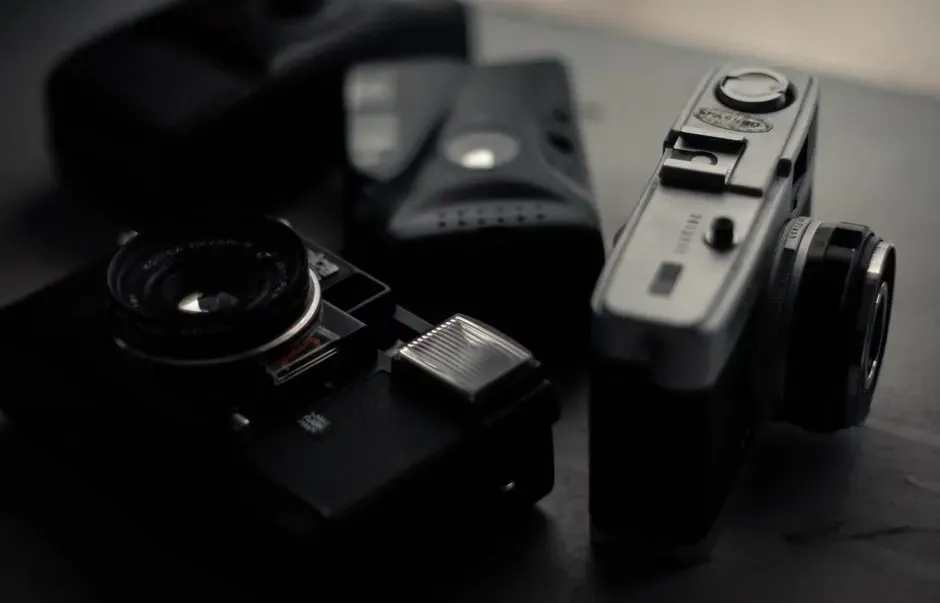
The lens was never designed for motion picture cameras. Its rear element sat very close to the film plane, so it could not simply be mounted on a standard body. Kubrick turned to Ed DiGiulio, a camera technician known for modifying equipment.
DiGiulio adapted a Mitchell BNC camera to take the lens. The work involved altering the camera so the lens could sit in the right position. Kubrick also had the lens fitted to a mount that allowed some lateral movement, which gave him a way to shift the framing.
Partner offer
The Cost of a Razor Thin Focus
Shooting at such a wide aperture gives almost no depth of field. Only a narrow slice of the scene stays sharp. If an actor leaned forward or back, they could slip out of focus.
Actors had to stay carefully positioned, and focus pulling was extremely demanding. Kubrick accepted these limits because the image quality was what he wanted. The softness around the edges became part of the film’s character.
How the Staging Adapted
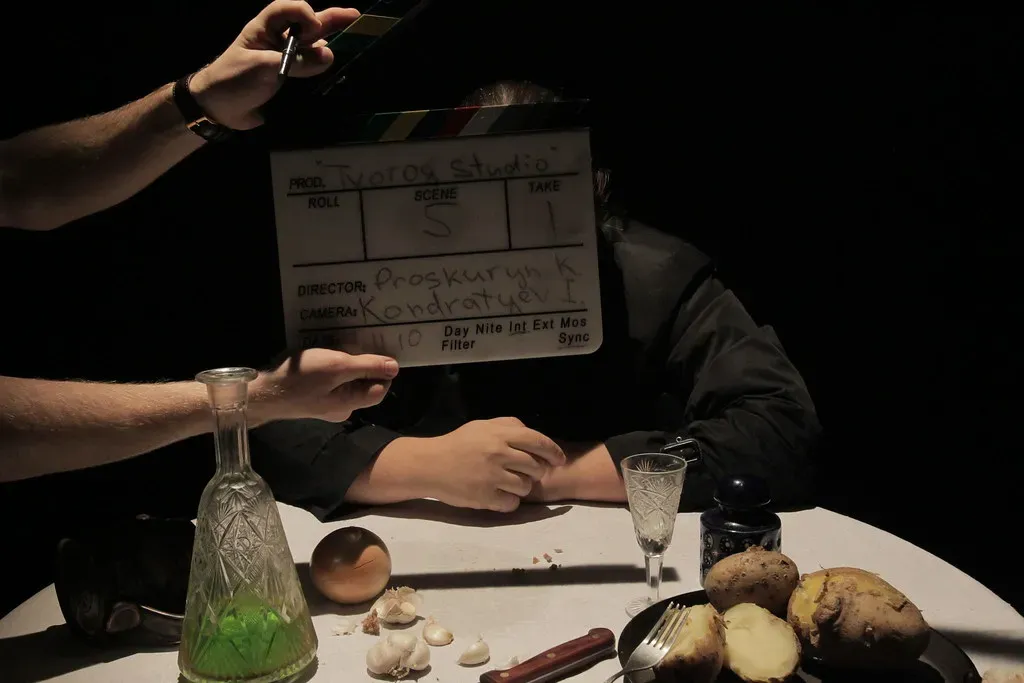
The lens shaped how scenes were blocked. Characters often sit around tables or stand in fixed positions, with little rapid movement toward or away from the camera. The shots feel composed rather than improvised.
Kubrick also used slow zooms and pullbacks to reveal rooms gradually. These moves suit the formal, painterly style of the film. They echo the stillness that the lens practically demanded.
John Alcott and the Look of Painting
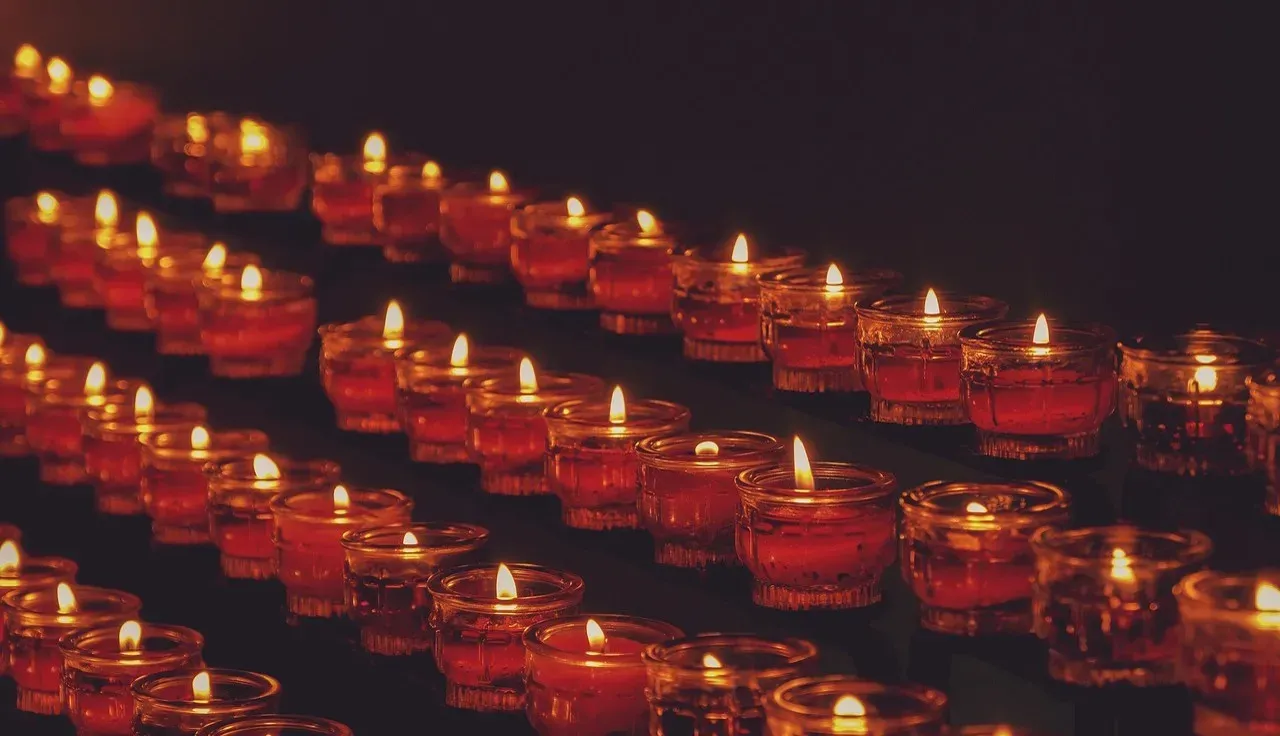
The cinematographer was John Alcott, who had worked with Kubrick on earlier films. He won the Academy Award for Best Cinematography for Barry Lyndon. The film also won Oscars for art direction, costume design and music adaptation.
The visual references came from eighteenth century painters such as Hogarth and Gainsborough. The candlelit interiors recall the soft, low light of works from that era. Alcott helped translate that painted quality into a moving image.
Daylight Scenes and Natural Light
Candles were not the only light source Kubrick treated with care. Exterior scenes relied on natural daylight, and interiors by windows used the light that came in. The aim was a consistent, unforced realism across the whole film.
That commitment is why the film feels cohesive. Day and night scenes both look as though they belong to a world without electric light. The candle scenes simply push this idea furthest.
Why the Scenes Still Matter
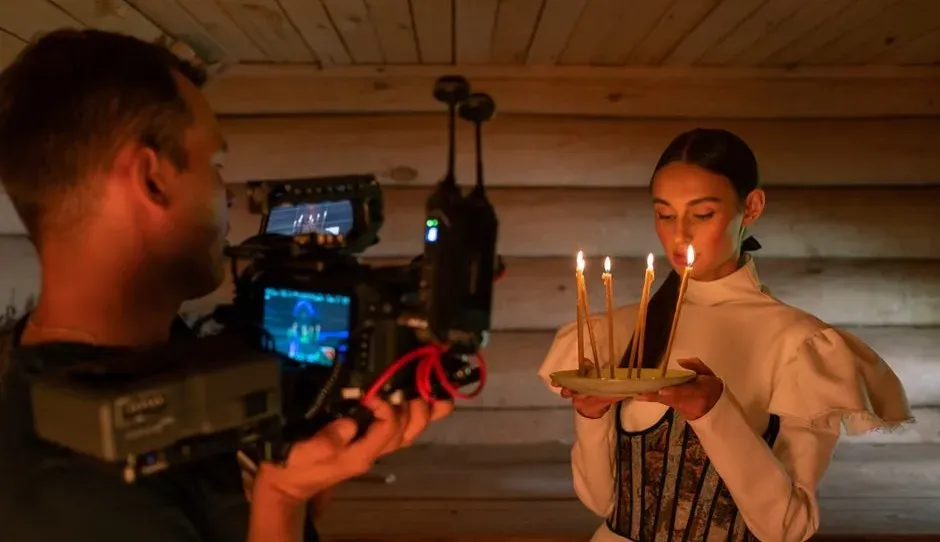
The candlelit sequences of Barry Lyndon remain a standard reference for natural light photography. Filmmakers and cinematographers still discuss the NASA lenses when talking about low light work. The film shows how far one director would go to match a visual idea.
Modern digital cameras can now see in near darkness without special optics. Yet Barry Lyndon achieved its look on film, with three rare lenses and a modified camera. The result is a candlelit world captured by flame itself.
Partner offer
Planning a trip to Vegas?
Compare hotel rates and show tickets on VEGAS.com.