
When a studio announces that a film will open on a specific Friday, it often does so before the script is finished or the cast is locked. That can look like wishful thinking. In practice, the date is one of the first big strategic bets a studio makes, because it frames the budget, the marketing plan and the production schedule.
Dates aren’t carved in stone, either. They get claimed early, defended, traded and sometimes abandoned. Here’s how the thinking works, and why the calendar is as competitive as the films themselves.
Staking a Claim Early


Studios announce dates early largely to reserve space. A premium weekend can only hold so many major films, and the first studio to plant a flag often forces rivals to look elsewhere. Announcing early also tells theater owners, who book screens and plan their own seasons, what the studio intends to deliver.
That’s why you’ll see “Untitled” films sitting on the calendar for years. Screen Daily’s report on one Disney reshuffle shows the habit: an untitled Marvel film was removed from a May 2026 slot as Avengers: Secret Wars was moved into it. The placeholder was holding a valuable date until a real project could take over.
The Windows That Matter Most

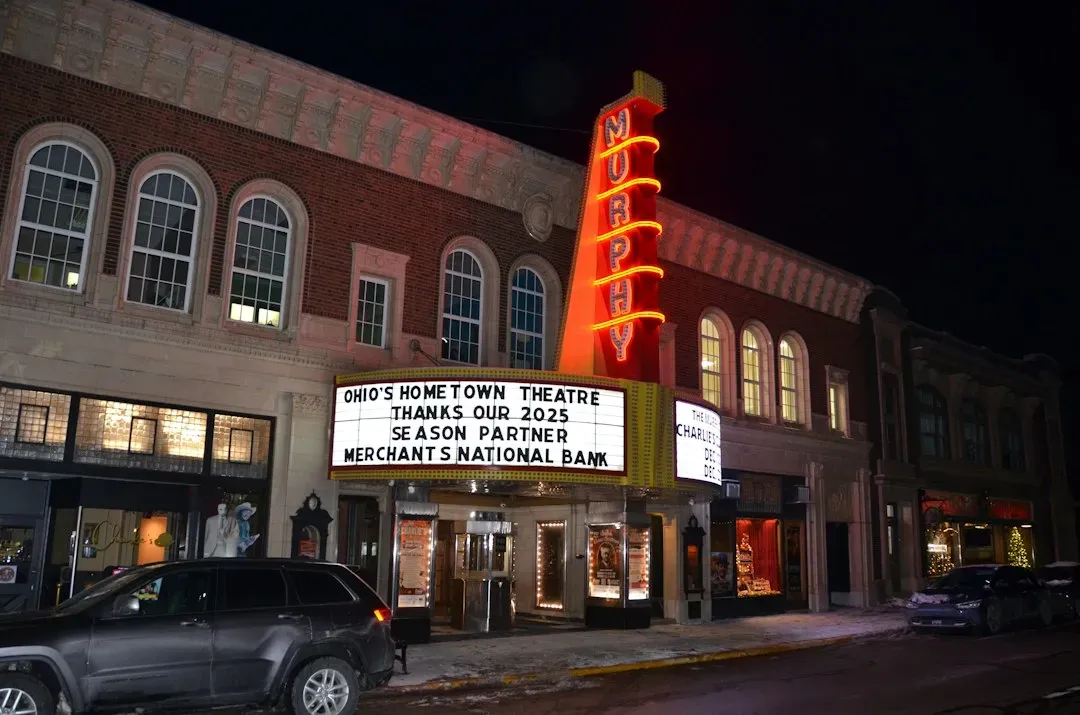
Not every weekend is equal. Studios aim their biggest bets at holiday periods and school breaks, when audiences have free time. Industry guides commonly point to Memorial Day, the Fourth of July, Labor Day and Thanksgiving as favorite targets, since long weekends mean more potential showtimes and a holiday crowd in a celebratory mood.
The traditional pattern is summer for franchises, late November and December for family and event films, and the in-between months for smaller releases. One recent calendar overview describes the best windows as mid-May through mid-July, the Thanksgiving corridor and the weeks before Christmas, and says studios fill the rest of the year with mid-budget genre films, animated holdovers and awards contenders. That outlet is a secondary source, so treat the specifics as a broad guide rather than a rule.
Reading the Competition

A date only makes sense relative to what else is opening. Studios track rival slates closely, and two giant films in the same weekend usually split the audience. One analysis puts it plainly: when two event films land within a week of each other, one typically yields.
Counter-programming is the other side of the same idea. Instead of fighting a blockbuster head-on, a studio may release something aimed at a different audience, such as a comedy, a horror film or a family animation. The goal is to find the viewers a tentpole leaves behind.
Production Reality Sets the Boundaries


A date that looks perfect on paper still has to be achievable. Visual effects heavy films need long post-production periods, so a slip in shooting can ripple straight into the release plan. One industry explainer says such films can need 12 to 18 months of post-production, though exact timelines vary by project.
Because of that, studios tend to pick dates with some cushion, or accept that they’ll adjust. Directors, strikes, reshoots and test screenings can all change the picture. Many early dates are best understood as targets rather than promises.
Partner offer

Marketing and Global Rollout


A date also determines how long the marketing machine has to run. Big releases often rely on teaser trailers, Super Bowl spots, press tours and merchandise tie-ins, all timed backward from opening day. Setting the date more than a year out lets those partners plan around it.
International markets add another layer. Studios consider local holidays, school calendars and competing local films, and they often try to open worldwide at once to limit piracy and spoilers. The same weekend may be ideal in one country and weak in another, so the final choice is a compromise.
Why Dates Move

Shifts are common, and they usually have a practical reason. One explainer groups them into three causes: production isn’t ready, a rival tentpole has claimed the same corridor, or the film tested better than expected. A delay often means moving to a comparable slot a year later.
Disney’s recent moves show how far a single decision can travel. Screen Daily reported that Fantastic Four was pushed from November 2024 to February 2025, which in turn relocated another Marvel placeholder. Later, Avengers: Doomsday left its early May 2026 date for December 18, 2026, a change that, according to trade coverage summarized by Portal Hollywood, vacated the first weekend of summer and reshuffled surrounding tentpole planning.
When One Studio’s Move Becomes Everyone’s Problem
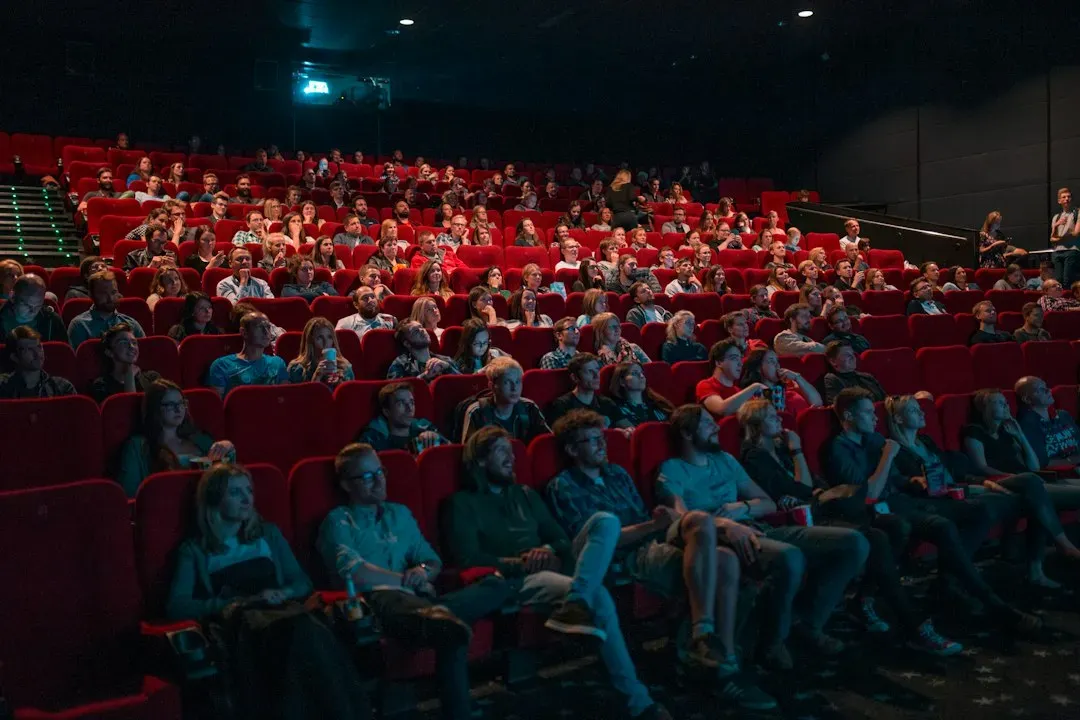
An empty premium weekend rarely stays empty. When Marvel left the traditional first weekend of May, Michael was described as the de facto kickoff tentpole for the summer season, even though it opens a week earlier on April 24, 2026. Other studios reconsidered their own plans around the gap.
The effect works in both directions. A new anchor in December makes that month riskier for competitors, while a vacated spring slot looks more appealing. Because every studio watches every other studio, one change can trigger several more.
What It Means for Moviegoers


For audiences, this explains why some months feel overloaded and others feel quiet. Dense summers and December stretches aren’t accidents. Studios often accept some overlap because they judge that giving up a premium weekend costs more.
It also means a far-off release date deserves a little skepticism. Dates announced a year or more ahead are plans built on production schedules, rival moves and market expectations, and any of those can change. The date you see today is the studio’s best current guess, and the smartest studios plan for the chance it will need to move.
Conclusion

Choosing a release date means weighing audience habits, competition, production timelines and marketing needs, all long before the film exists in finished form. The best dates are the ones a studio can both win and actually hit.
Next time a film jumps from May to December, remember it’s rarely just about one movie. It’s a move on a crowded board, and every other studio is watching.
Partner offer
Planning a trip to Vegas?
Compare hotel rates and show tickets on VEGAS.com.