Some of cinema’s most gripping stories happen in one place. A lifeboat, a jury room, a phone booth, a single apartment. Filmmakers who limit themselves this way often discover that tight space sharpens performance, dialogue and tension.
The nine films below are well-known examples of single-location storytelling. A few use brief exceptions, such as opening or closing shots elsewhere, so “almost entirely” is the honest way to describe them. Here’s how each one made a small world feel enormous.
12 Angry Men (1957)


Sidney Lumet’s courtroom drama unfolds almost entirely in a single jury room, where twelve men debate the fate of a teenager accused of murder. Only brief scenes at the start and end take place outside it. Reginald Rose’s script began as a television play before it became a feature.
Lumet reportedly used lens choices and camera positions to make the room feel increasingly claustrophobic as the film progresses. The result is a film that is still taught in film schools and regularly cited as a model of confined drama.
Rope (1948)

Alfred Hitchcock set this thriller in one Manhattan apartment, following two young men who hide a murder victim’s body in a chest while hosting a dinner party. It was adapted from Patrick Hamilton’s stage play. The action plays out in close to real time.
Hitchcock also staged it to look like a handful of long, unbroken takes, hiding cuts in moments like a camera passing a dark jacket. The technique was a bold experiment in 1948, and it makes the apartment feel inescapable.
Lifeboat (1944)


Also from Hitchcock, Lifeboat strands a group of survivors from a torpedoed ship on one small boat in the Atlantic. The entire story takes place on that vessel. The screenplay drew on a story idea by John Steinbeck.
Because the boat was the only setting, the film relies on character conflict, especially once the group takes in a German U-boat survivor. It shows that a single set can carry real moral and psychological weight.
Phone Booth (2002)

Joel Schumacher’s thriller keeps Colin Farrell’s publicist character pinned in a New York phone booth by an unseen sniper. The story takes place almost wholly on one street corner. The film was shot in a short schedule, which fits its real-time feel.
The premise leans on dialogue and a ticking clock rather than movement. It’s a lean example of how a ninety-minute-ish story can thrive on one location and one central performance.
Buried (2010)

Rodrigo Cortés directed this thriller, which takes place entirely inside a coffin, with Ryan Reynolds as a contractor buried alive in Iraq. It’s perhaps the most extreme version of the single-set idea. The camera never leaves the box.
Partner offer

The film was written by Chris Sparling, and it depends on a lighter, a phone and creative lighting to keep visuals changing. It proves that even a space the size of a coffin can sustain a feature.
Reservoir Dogs (1992)

Quentin Tarantino’s debut spends much of its running time in a warehouse, where surviving robbers try to work out who betrayed them. Flashbacks and a few other scenes break the unity, so it’s mostly, not entirely, a one-location film. The warehouse hub is still what people remember.
Low budget played a part, since a limited number of sets kept costs down. The film became a landmark of 1990s independent cinema, and its warehouse showdown remains one of its signature sequences.
Dial M for Murder (1954)

Hitchcock adapted Frederick Knott’s stage play and kept almost all the action inside a London flat. A former tennis player plots to have his wife killed, and the plan unravels in the same living room. The film’s stage origins are plain in its structure.
Hitchcock treated the apartment layout, including the key and the door, as a puzzle for viewers to track. Staying in one place makes every small prop feel like a clue.
The Hateful Eight (2015)

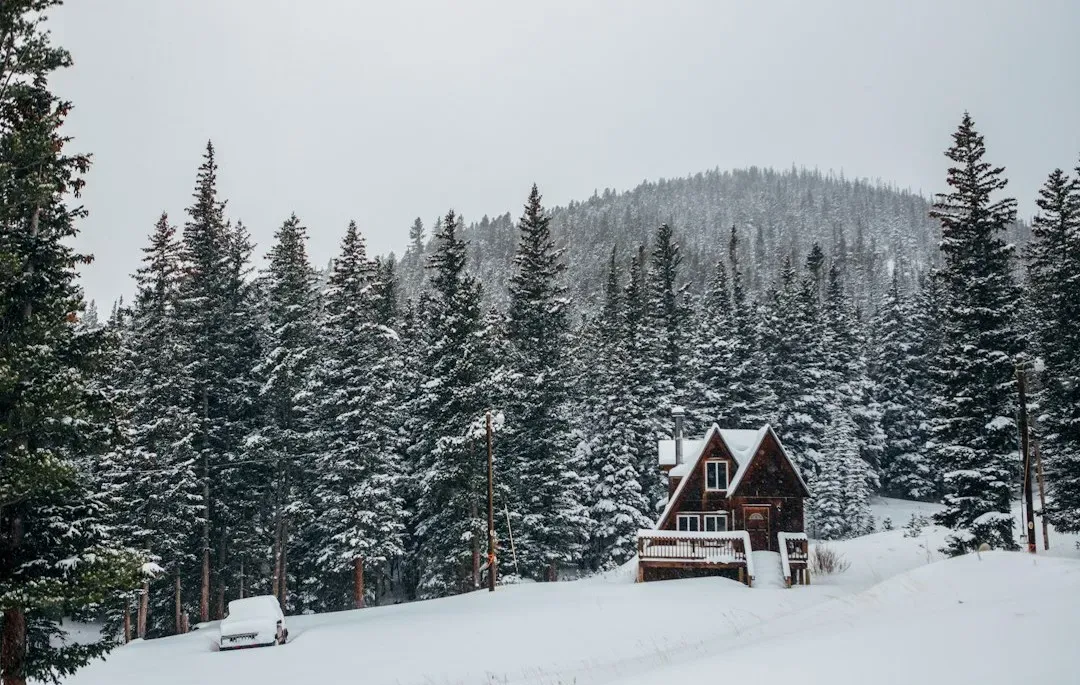
Most of Tarantino’s western plays out inside Minnie’s Haberdashery, a cabin where travelers shelter from a blizzard. A short opening section takes place on a stagecoach and outdoors, but the cabin dominates. The film was shot in the ultra-wide Ultra Panavision 70 format.
Using such a large format on an interior was a striking choice. It shows how a single set can still feel cinematic when the framing is handled with care.
Cube (1997)

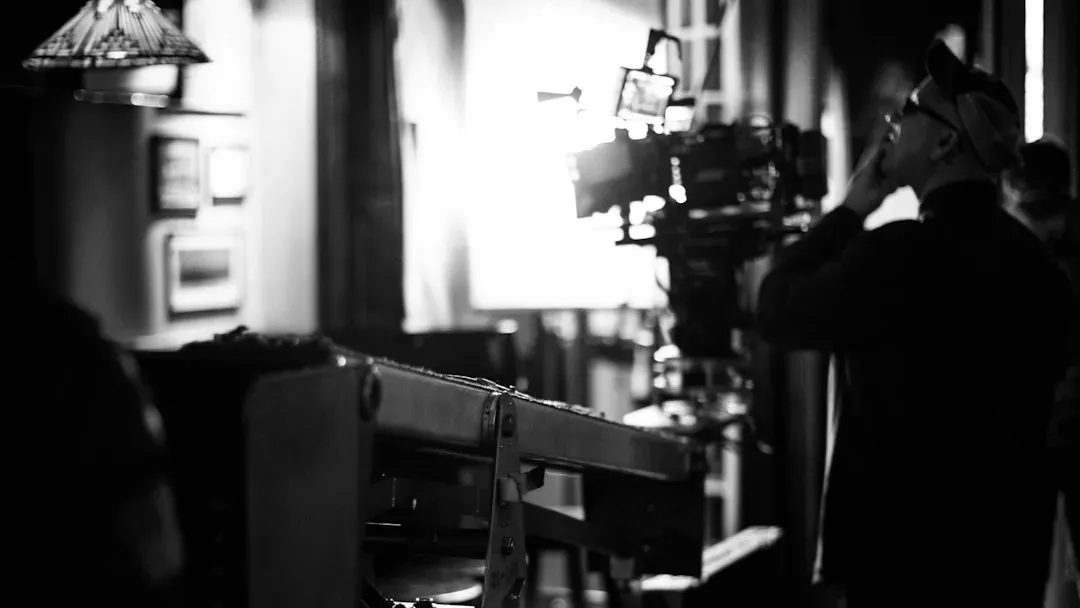
Vincenzo Natali’s low-budget Canadian sci-fi thriller traps strangers in a maze of cube-shaped rooms. Most of the film was shot in a single cube set, reportedly redressed with different colored lighting to suggest many rooms. That clever economy is part of the film’s reputation.
The approach turned a tiny budget into a cult classic. It’s a good reminder that creative constraints can produce memorable ideas rather than limit them.
Taken together, these films show that one location is rarely a limitation. It’s a design choice that pushes writers, actors and directors to make every line and camera move count.
Next time a big-budget spectacle leaves you cold, remember that a room, a boat or a box can be all a great story needs.
Partner offer
Planning a trip to Vegas?
Compare hotel rates and show tickets on VEGAS.com.