Watch a black and white drama from 1933, then a Hollywood adventure from 1938, and the gap feels bigger than five years. The later film seems to belong to another medium, with saturated reds, deep greens and skies that look painted. Much of that change came from one company and one very specific piece of machinery.
Technicolor didn’t invent color film, and it didn’t dominate the decade by numbers. Yet in the space of a few years it reset what audiences expected a big picture to look like. The details of how it worked explain why the results were so distinctive.
A Company Built on Failed Experiments
Technicolor was founded in 1915 by Herbert Kalmus, Daniel Comstock and W. Burton Wescott. Its early systems were clumsy. The first process used special projectors with colored filters, which meant theaters needed expensive equipment to show the films.
The second process, introduced in the early 1920s, printed two color records onto film so any ordinary projector could show it. It produced The Toll of the Sea in 1922. Prints tended to warp and scratch, though, and the two color palette struggled with blues and true greens.
The Three Strip Camera Arrives
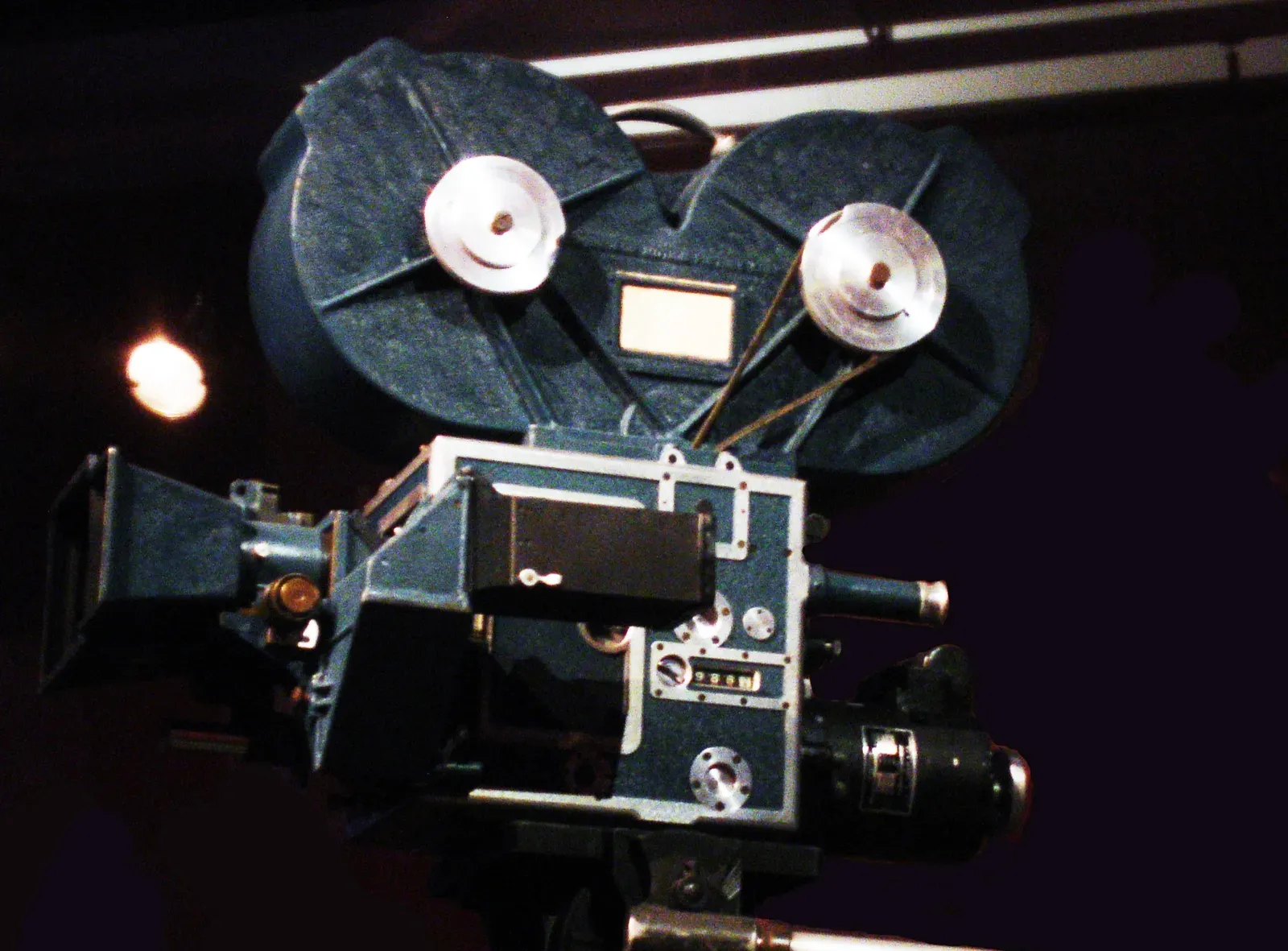
The breakthrough came in the early 1930s with the three strip process. Inside a large camera, a prism split incoming light so it hit three separate black and white negatives. One recorded red, one green and one blue.
That separation gave the system a full spectrum rather than two colors guessing at the rest. The camera was heavy and required a bulky soundproof housing once sound was standard. Still, it captured a range of color no earlier commercial process had matched.
Dye Transfer Printing and the Famous Saturation
The look on screen owed as much to printing as to photography. Technicolor made matrix films from the three negatives, soaked them in dyes, and pressed them in turn onto a blank print. This dye transfer method is called imbibition printing.
Because the dyes were layered with precision, the results were rich, stable and unusually deep. Reds could glow and shadows kept strong color. That is the reason a 1930s Technicolor print can still look more vivid than many later color formats.
Disney Gets There First
The first public use of the three strip process was animated. Walt Disney’s Flowers and Trees, a Silly Symphony released in 1932, was made with an exclusive arrangement for the new technology. It won the Academy Award for Best Short Subject, Cartoons.
Animation suited the process well, since artists controlled every color in the frame. Disney held exclusive rights to the three strip process for cartoons for a limited period. This helped set up Snow White and the Seven Dwarfs, released in 1937, as a Technicolor milestone in feature animation.
Becky Sharp and the First Color Feature
Live action took a little longer. A short, La Cucaracha, tested the process in 1934. The following year Becky Sharp, directed by Rouben Mamoulian, became the first full length feature shot in three strip Technicolor.
Critics paid attention to the color as much as the story. Mamoulian used it to shape mood, with costumes and set colors changing as the drama intensified. The film wasn’t a box office triumph, but it proved the process could carry a feature.
Lighting, Heat and the Cost of Color
The cameras needed an enormous amount of light, far more than black and white stock. Studios used banks of powerful lamps, and sets could become very hot. Actors often described the discomfort of working under them.
Color also raised budgets. Technicolor rented its cameras and supplied its own staff and consultants, so producers paid for the service rather than simply buying film. For that reason, in the 1930s color was usually reserved for prestige projects, fantasies, musicals and costume adventures.
Natalie Kalmus and Controlled Color

Herbert Kalmus’s wife, Natalie Kalmus, led Technicolor’s color advisory service. She worked with directors, designers and costume departments to keep palettes controlled and consistent. Her name appeared in the credits of many Technicolor films.
Some filmmakers resented her influence, feeling she favored restraint and tidy harmony. Still, her department helped avoid the garish results that uncontrolled color could produce. The disciplined, storybook palette of many 1930s films reflects that approach.
Landmark Films of the Late Decade
By 1936, The Trail of the Lonesome Pine had shown Technicolor outdoors, with real landscapes in color. In 1938, The Adventures of Robin Hood used greens, scarlets and golds to make Sherwood Forest feel like an illustration come alive. It won Academy Awards for art direction, film editing and original score.
The year 1939 brought two of the best known color films ever made. The Wizard of Oz opens in sepia and then shifts into Technicolor for Oz itself, using the contrast as storytelling. Gone with the Wind went on to win Best Picture, along with an Oscar for color cinematography.
What the Decade Left Behind
Technicolor didn’t replace black and white during the 1930s. Most films were still made without color, and the three strip process remained a premium choice. What changed was the idea that color could be a deliberate design tool rather than a novelty.
The three strip system stayed in use into the 1950s, when single strip color stocks became cheaper and more practical. Its dye transfer prints remain admired by archivists and restorers for their lasting depth of color. The films of the late 1930s are the clearest record of what that process could do.