


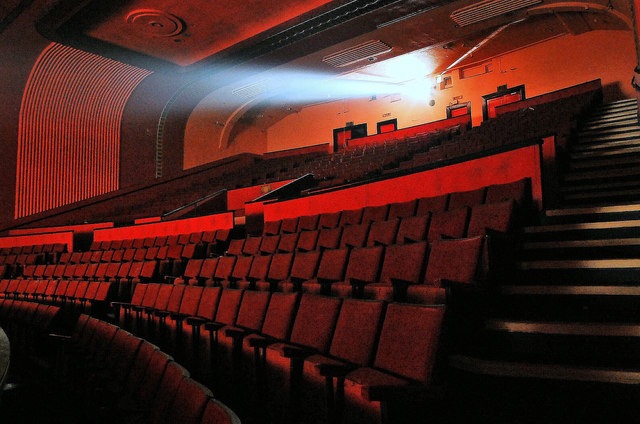
Walk into a multiplex on opening weekend and you’ll notice that the biggest room is rarely playing the quietest film. That placement is the result of a chain of decisions that begins weeks before a movie arrives.
Some of those decisions are made by studios, some by theater chains, and some by small booking offices that work for independent owners. Each group is trying to fill as many seats as possible without damaging relationships it will need again next month.
Film Buyers Make the First Call

Large chains often employ film buyers who decide which movies play in their theaters. They weigh audience demand, box office projections, competing releases, genre performance and local market trends.
Distributors pitch their films to exhibitors weeks or months ahead of release. Theaters then settle the number of screens, showtimes, run length and regional placement. The auditorium itself usually comes after those bigger choices.
Expected Demand Drives Seat Count


The core logic is simple. Newer, more popular films get the larger screens with more seats. A big room holds more paying customers, so it makes sense to put the film most likely to sell out inside it.
Hype matters too. High-demand movies typically receive more screens and premium showtimes. Tracking data, trailer views and advance ticket sales all feed into a theater’s guess about opening weekend.
Contracts Set the Terms, but Not Every Detail


Before a film opens, distributors and exhibitors negotiate a licensing agreement. These deals cover how long the movie will play, revenue sharing, minimum screening requirements, geographic rights and marketing obligations.
Terms vary a lot between a major studio release and an independent production. That’s one reason a studio tentpole can often lock in a longer, more prominent run than a smaller title.
Plans Change After Opening Day

Booking isn’t set in stone. Older reporting from Time noted that owners decide what to show between one and six weeks ahead, yet plans often change once a film opens.
That flexibility explains why a surprise hit can slide into a bigger room in week two. It also explains why a disappointing opener may move down the hall to a smaller one. Seat sales, not the original schedule, tend to settle it.
Partner offer

Studio Relationships Shape the Math


Theaters don’t only chase the best seller. According to the same Time explainer, the choice balances getting the most from each auditorium against preserving the relationship between theater and studio.
Studios tend to be understanding. They will accept a film in a smaller auditorium, knowing the theater is balancing many demands. Both sides expect to do business again on future releases.
Premium Screens Add a Second Layer


Many theaters now have a premium large format room, such as IMAX, on top of their standard auditoriums. These rooms attract a specific kind of film, usually effects heavy releases that studios want shown in the best possible way.
When two blockbusters open close together, the premium room becomes contested. Time’s 2012 report described one case where Disney and Warner Bros. agreed to split nearly 300 IMAX screens so The Avengers stayed in every room it already occupied.
AMC’s XL Label Gives Chains More Room to Maneuver


AMC has tried to ease that tension with a newer tier. XL at AMC is offered in auditoriums with screens at least 40 feet wide. These rooms use 4K laser projection and are the biggest non premium screen in the building.
AMC says the tier gives it more programming flexibility. That matters when several blockbusters play in a theater that also has a premium large format screen. The first two XL auditoriums opened in the Kansas City market in April 2025.
Independent Theaters Lean on Booking Agents


Smaller operators rarely negotiate alone. Many use booking agents as go betweens with studios, and part of the booker’s job is helping clients guess how movies will perform.
Independent theaters may also use third party booking agencies that negotiate directly with distributors. With only a handful of screens, one wrong guess about which title deserves the biggest room can cost a full weekend of revenue.
How the Biggest Room Gets Assigned

In the end, the largest auditorium goes to whichever film a theater expects to sell the most tickets, within the limits of its contracts and studio ties. Premium and extra large rooms add more options for chains that run several blockbusters at once.
After opening weekend, real attendance takes over. Films that outperform move up, and those that underperform move down.
Partner offer
Planning a trip to Vegas?
Compare hotel rates and show tickets on VEGAS.com.


