A finished novel shows very little of the mess behind it. The notebooks tend to show more: scraps of overheard talk, half sentences, lists, grudges and plain bookkeeping.
Many of the best known writers left these records behind, and some of them have been published in full. What’s in them is often stranger and more ordinary than readers expect.
Virginia Woolf and the Loose, Daily Diary


Woolf began keeping a diary as a teenager in the late 1890s and kept it up for most of her life. Her diary was eventually published in five volumes between 1977 and 1984, edited by Anne Olivier Bell. It records dinner parties, money worries, health problems and the slow progress of her books.
She also kept separate reading notebooks, where she copied out passages and jotted her responses to what she read. Together the two kinds of notebook show a writer who treated everyday observation and serious study as parts of the same job.
Ernest Hemingway’s Paris Notebooks

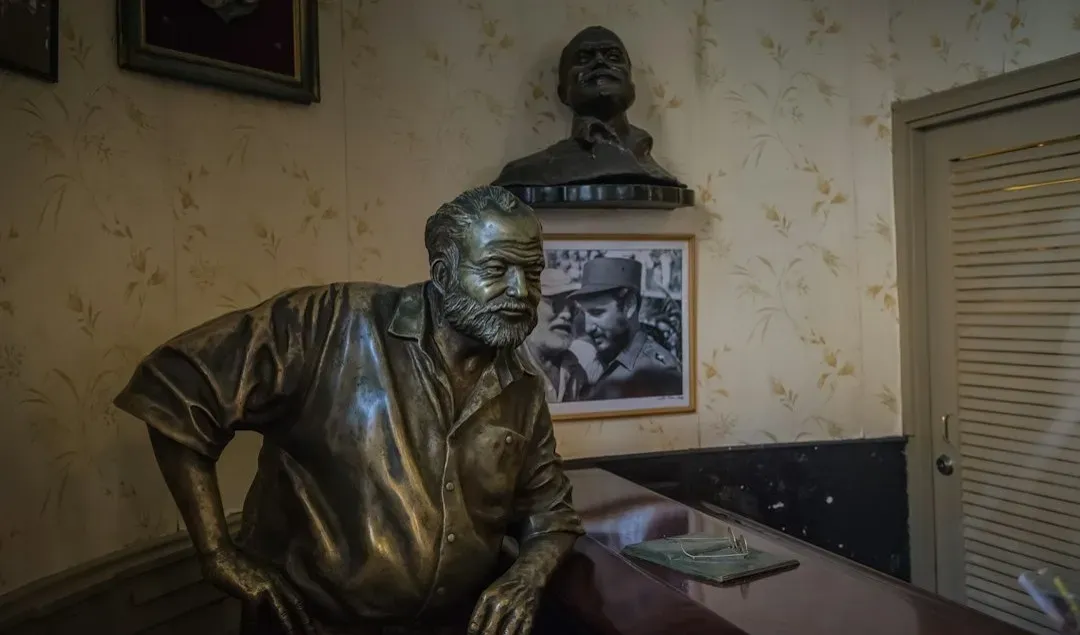
Hemingway wrote in inexpensive bound notebooks during his years in Paris in the 1920s. He later left some of them in trunks stored at the Ritz Hotel. In 1956 he was reminded of the trunks and got them back.
The notebooks inside became source material for A Moveable Feast, his memoir of that period, which came out in 1964 after his death. They show that a book written decades later could still rest on pages written on the spot.
Sylvia Plath’s Journals of Ambition and Doubt

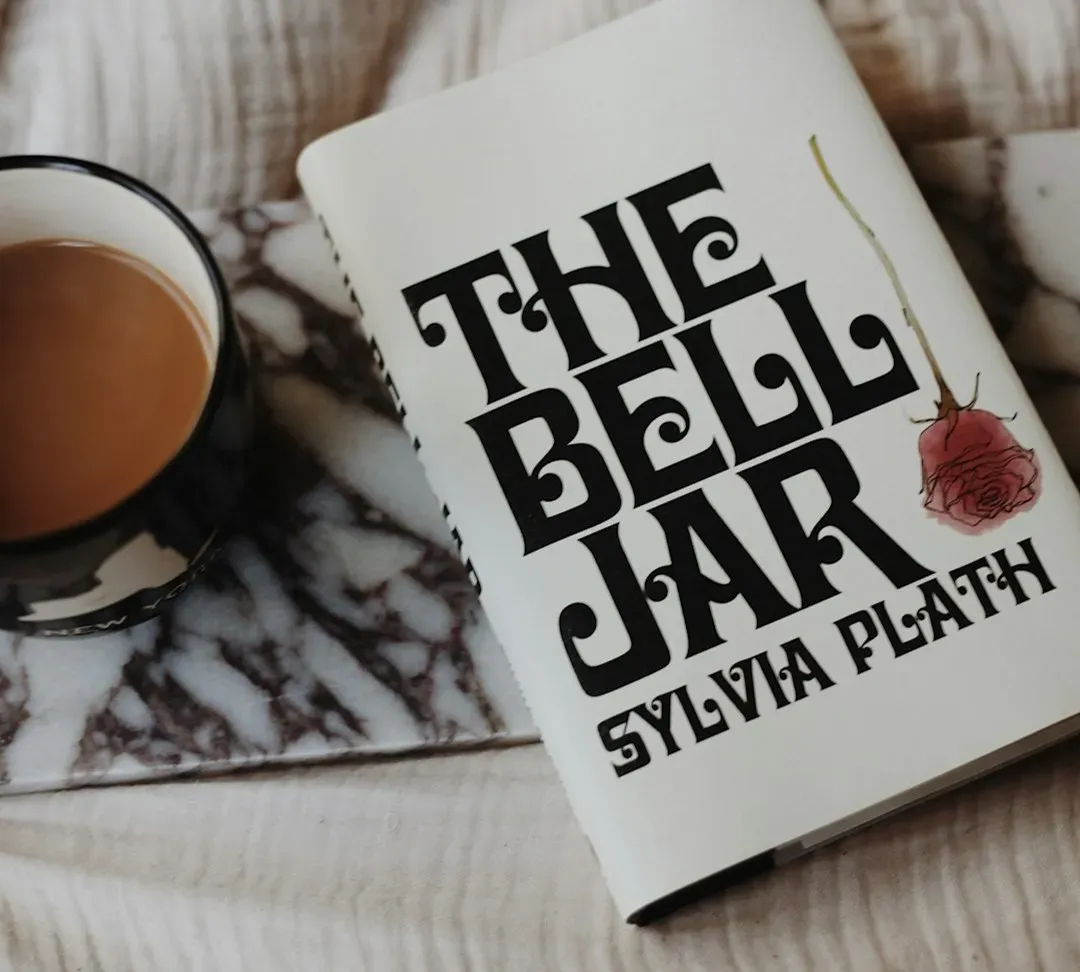
Plath’s journals run from her student years into the last year of her life. The unabridged edition, published in 2000 and edited by Karen V. Kukil, restored material that earlier versions had cut. Smith College, where Plath studied, holds important Plath collections.
The entries mix writing exercises, descriptions of everyday scenes, and blunt records of her moods. Many readers find them as useful for seeing how she trained her eye as for her biography.
Susan Sontag and the Power of Lists


Sontag’s diaries were published after her death in 2004, in two volumes edited by her son, David Rieff. Reborn appeared in 2008, followed by As Consciousness Is Harnessed to Flesh in 2012. Her papers are held at UCLA.
The notebooks are full of lists, including books to read, films to see, words to look up and ideas to pursue. For Sontag, a notebook was partly a to do list for a mind that wanted to know everything.
Partner offer

Franz Kafka’s Octavo Notebooks

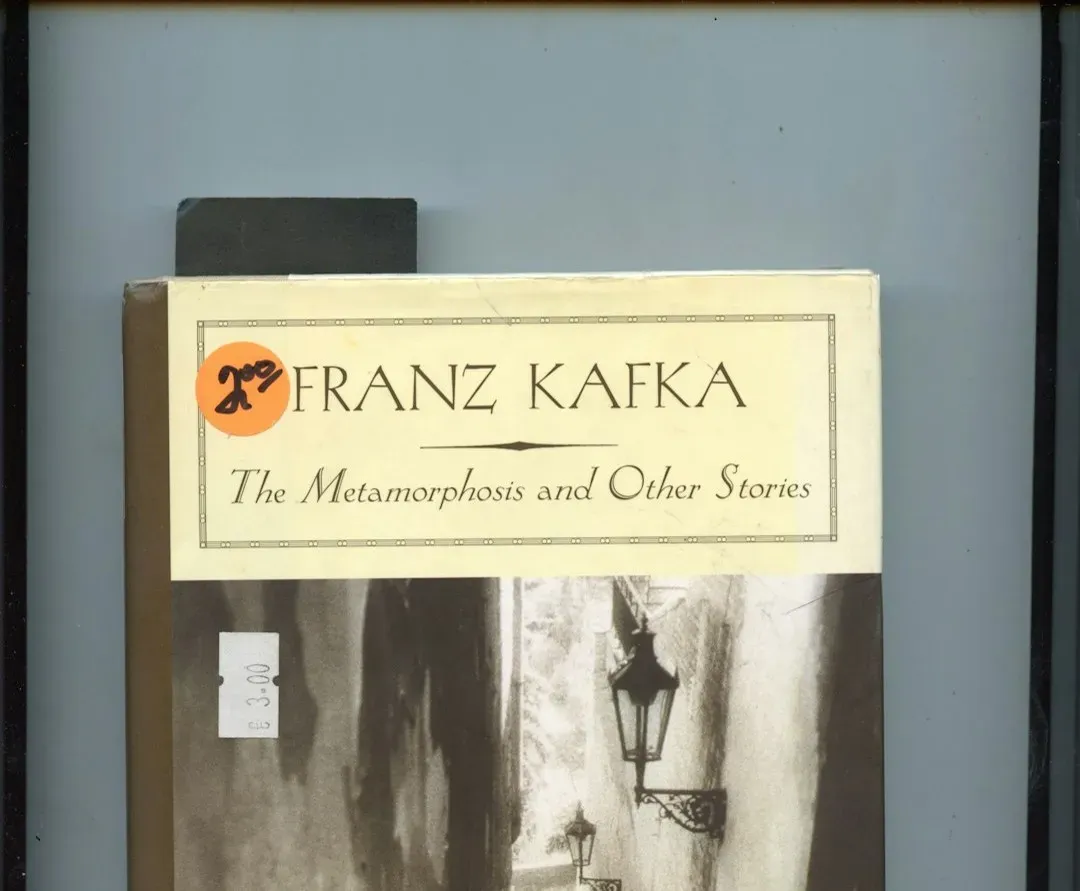
Kafka kept diaries from 1909 until 1923, the year before he died. He also filled a set of octavo notebooks in 1917 and 1918, while staying in the village of Zürau. They contain short aphorisms, story fragments and reflections.
His friend Max Brod published much of this material despite Kafka’s request that his unpublished papers be destroyed. Ownership of some of the manuscripts was later fought over in Israeli courts, and a 2019 ruling sent them to the National Library of Israel.
Bruce Chatwin and His Black Moleskines

Chatwin carried small black oilcloth notebooks on his travels, and he is a big reason the Moleskine name became famous. He wrote in The Songlines, published in 1987, about buying them from a stationer in Paris. He added that the supplier had stopped making them.
The Milan company Modo&Modo launched the Moleskine brand in 1997, citing that tradition of artists and writers. Chatwin’s own notebooks held travel jottings, quotations and the raw material for his books.
Mark Twain’s Fifty Years of Notes

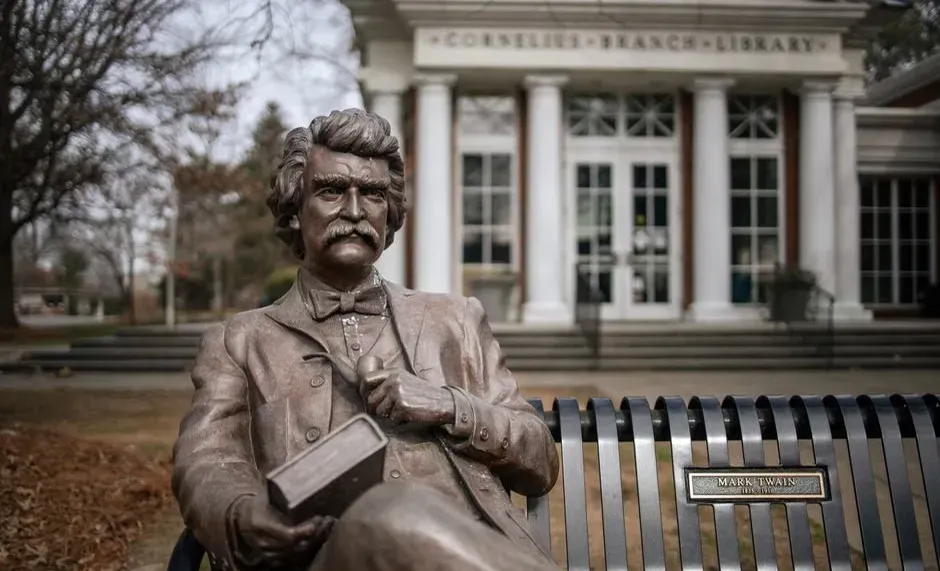
Twain kept notebooks from the mid 1850s until near the end of his life in 1910. The University of California Press published them in three volumes as Mark Twain’s Notebooks & Journals. They hold travel notes, story ideas, jokes and business reminders.
Twain also had a practical streak that shows up in his stationery. In 1873 he patented a self pasting scrapbook, an invention meant to save him the trouble of gluing clippings by hand.
Joan Didion on Why She Kept a Notebook

Didion wrote a whole essay on the habit, called “On Keeping a Notebook.” It was collected in Slouching Towards Bethlehem in 1968. In it she says her notebook was not a faithful record of events.
She describes it instead as a record of how things felt to her, with odd details that caught her attention. The essay is a useful reminder that a writer’s notebook is a private tool and doesn’t have to be accurate.
Nabokov’s Index Cards

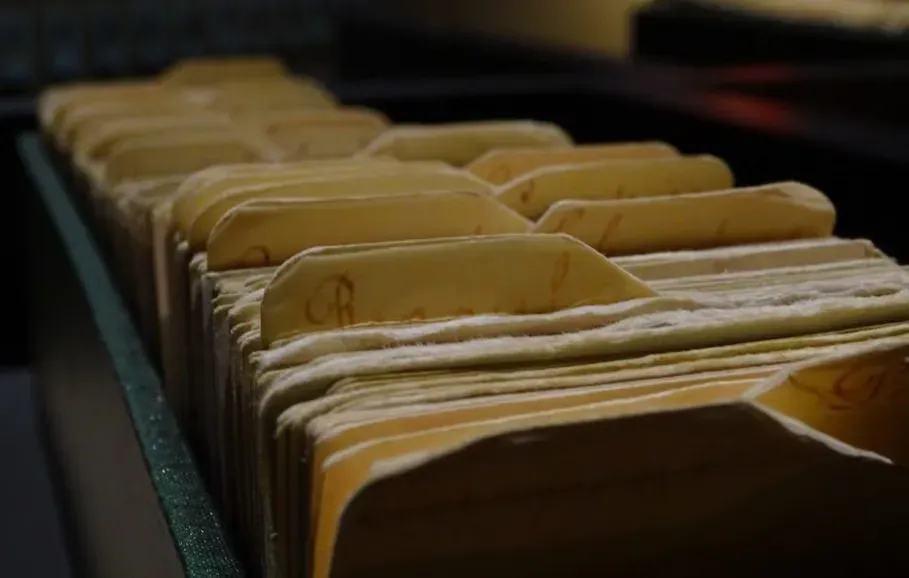
Not every author used a bound notebook. Vladimir Nabokov drafted his late novels in pencil on index cards, which let him reorder scenes freely. His last unfinished work, The Original of Laura, was published in 2009 in a edition that reproduced those cards.
His son Dmitri decided to publish it, having long wrestled with his father’s wish that the manuscript be burned. The cards remain one of the clearest examples of a writer’s physical working method.
Partner offer
Planning a trip to Vegas?
Compare hotel rates and show tickets on VEGAS.com.