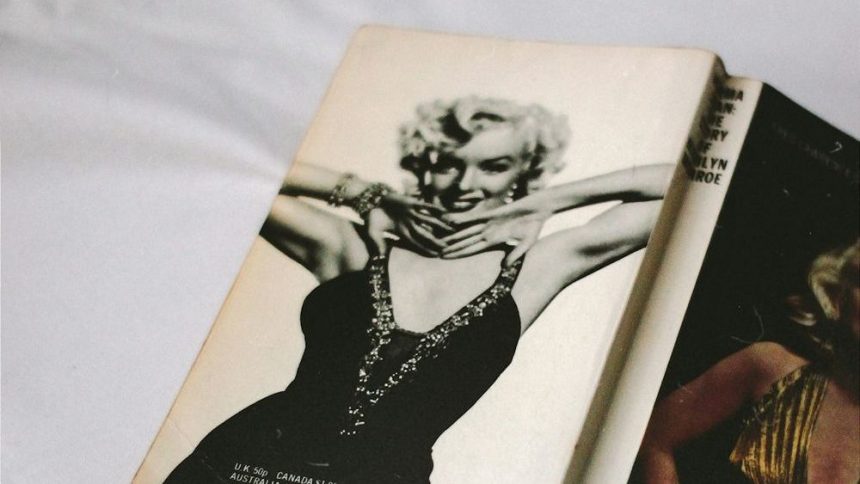
Some people set out to change the world. They write manifestos, lead movements, campaign for office. Then there are the others – the ones who simply existed, created, or performed, never imagining their influence would ripple through generations. These cultural icons didn’t march with banners or deliver speeches. They just lived their truth, and somehow, society shifted around them.
It’s fascinating when you think about it. A single performance, a style choice, or even just being yourself can alter the course of culture. The people we’re about to explore didn’t plan to become symbols. They were artists, rebels, entertainers who happened to be in the right place at the right moment. What they left behind wasn’t just fame – it was a blueprint for how we see ourselves today.
Elvis Presley and the Birth of Cool

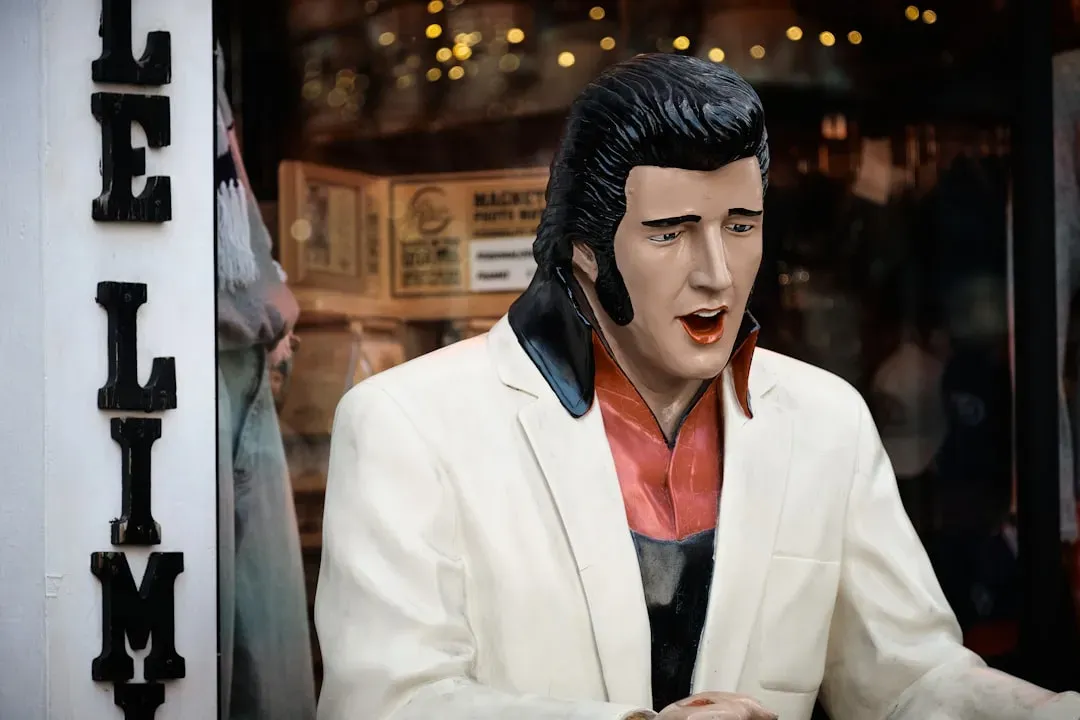
Elvis didn’t invent rock and roll, but he sure made it dangerous. When he swiveled those hips on television in the 1950s, parents across America nearly fainted. The Ed Sullivan Show famously filmed him only from the waist up. What seems tame now was revolutionary then – a white kid from Mississippi channeling Black music with raw sexuality that made the establishment nervous.
His influence went beyond music. Elvis made rebellion fashionable. Before him, young men wore their father’s suits and cut their hair short. After Elvis, they grew sideburns, greased their hair back, and wore leather. He didn’t preach social change or march for civil rights, yet he broke down racial barriers by popularizing music rooted in Black culture.
The Elvis phenomenon created the template for youth culture as we know it. He proved that entertainment could be subversive without being political. Teenagers finally had their own icon, separate from the adult world. That separation – that rebellion – became the foundation of every youth movement that followed.
Marilyn Monroe and the Complexity Beneath Beauty

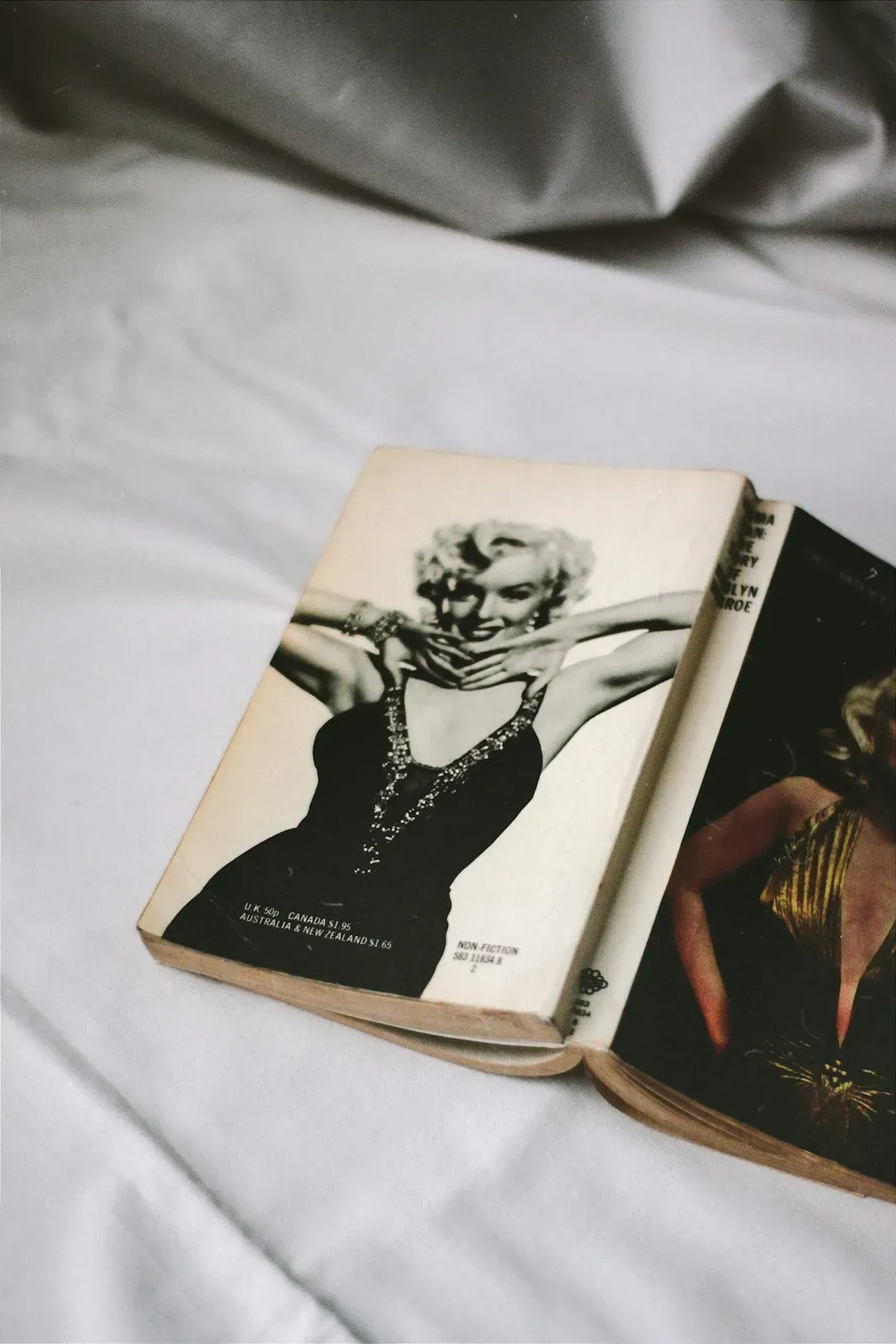
Marilyn Monroe played dumb blondes in movies, but she was anything but simple. Her image – that breathless voice, those platinum curls, that famous white dress – became shorthand for femininity itself. Hollywood created her as a fantasy, yet she somehow transcended that role to become something more complicated.
She challenged the Madonna-whore complex without ever writing a feminist essay. Monroe was sexual but vulnerable, glamorous but relatable. She posed nude before it was acceptable for major stars. She married intellectuals and read Dostoevsky. The contradictions in her public persona made it okay for women to be multifaceted.
Her tragic death at 36 only amplified her impact. She became a symbol of how society consumes its female stars, a cautionary tale about fame’s dark side. Modern celebrities still reference her – not just her look, but her complexity. Monroe showed that you could be a sex symbol and still demand to be taken seriously, even if the world wasn’t quite ready to listen.
James Dean and the Art of Angst

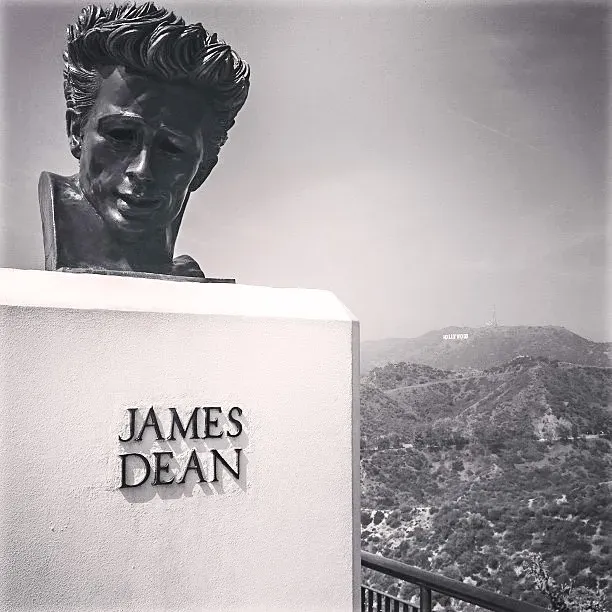
Three films. That’s all James Dean made before dying in a car crash at 24. “East of Eden,” “Rebel Without a Cause,” and “Giant” were enough to define teenage alienation for generations. Dean didn’t create youth angst, but he gave it a face that was beautiful, troubled, and impossibly cool.
His slouching posture, his cigarette dangling just so, his inability to articulate his feelings – these became the visual language of being young and misunderstood. Before Dean, movies showed teenagers as either wholesome or delinquent. Dean portrayed them as complex individuals struggling against a world that didn’t get them.
The impact was immediate and lasting. Method acting became mainstream partly because of his raw, emotional performances. His fashion – the red jacket, the white t-shirt, the jeans – became uniform for rebels worldwide. He proved that vulnerability could be masculine, that sensitivity didn’t mean weakness. Every brooding actor since has channeled a bit of James Dean.
Muhammad Ali and Speaking Your Truth
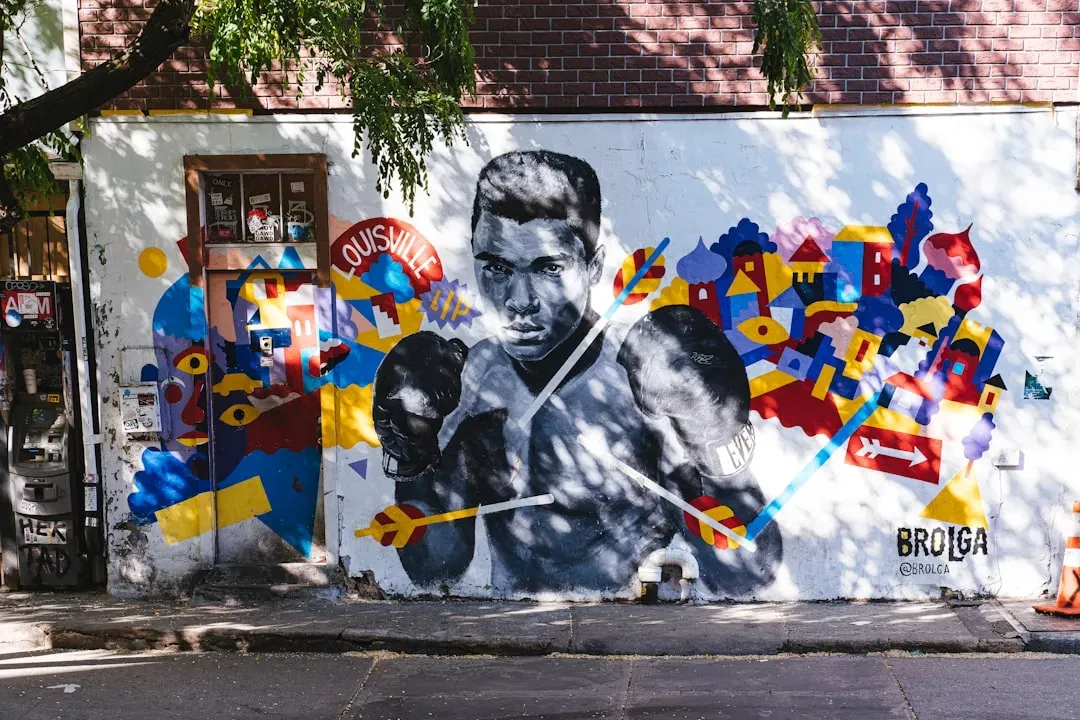
Muhammad Ali was the greatest boxer of all time, but his real knockout punch was delivered outside the ring. In an era when Black athletes were expected to be grateful and quiet, Ali was loud, proud, and unapologetic. He refused to fight in Vietnam, famously saying, “No Viet Cong ever called me n****r.” That decision cost him his heavyweight title and nearly destroyed his career.
What he did was bigger than sports. Ali showed that athletes could be activists, that fame came with a platform that should be used. He talked trash with such poetry that it became its own art form. His conversion to Islam and name change challenged America’s expectations of who a hero should be.
Today’s athletes who speak out on social issues – from LeBron James to Colin Kaepernick – are walking a path Ali carved. He proved that standing for something was worth losing everything. His influence stretched far beyond boxing into fashion, language, and how we think about celebrity activism. Ali didn’t just float like a butterfly and sting like a bee. He stung America’s conscience and made us better for it.
The Beatles and the Sound of Change
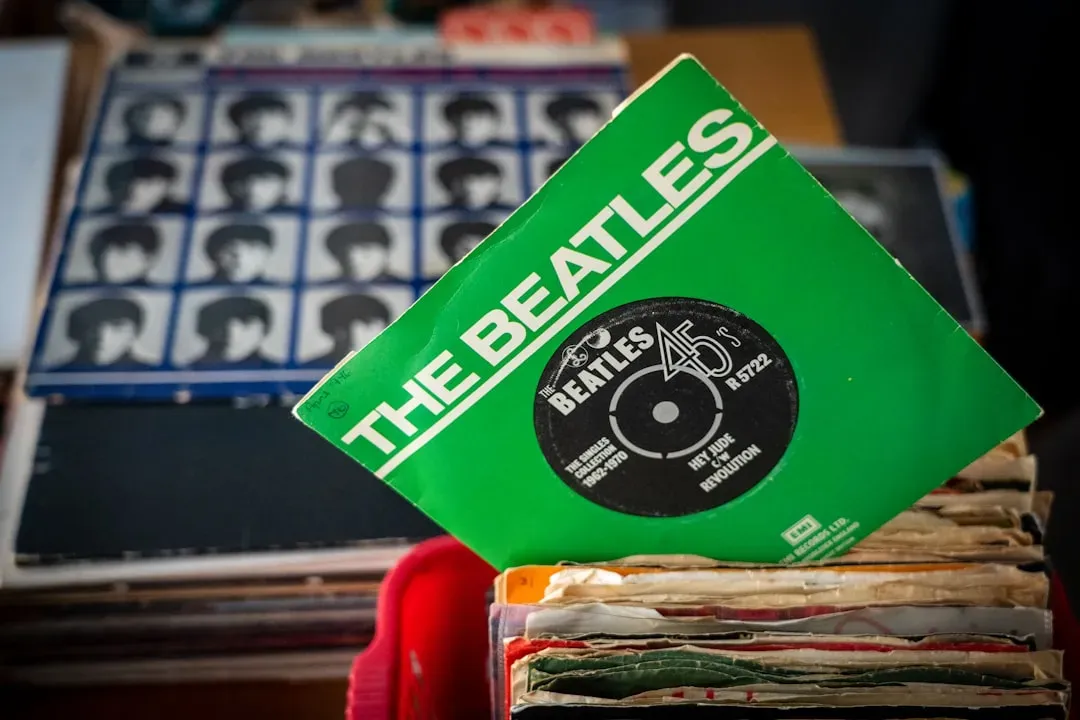
Four lads from Liverpool just wanted to play music. They ended up soundtracking a revolution. The Beatles didn’t set out to transform society, but their evolution from mop-topped boy band to psychedelic experimenters mirrored a generation’s journey from innocence to awareness.
Their influence on music is obvious – they basically invented the modern rock album as an art form. What’s less discussed is how they made it acceptable for men to have long hair, to be vulnerable in their lyrics, to experiment with consciousness. When they went to India to study meditation, suddenly spirituality was cool. When they wore colorful clothes, fashion exploded in new directions.
The Beatles represented possibility. They showed that working-class kids could conquer the world through talent and charisma. Their message of love during the Vietnam War era gave hope that peace might actually win. They didn’t preach – they just sang, and somehow that was enough to help reshape social attitudes toward war, drugs, spirituality, and what music could be.
Andy Warhol and Making Art from Everything

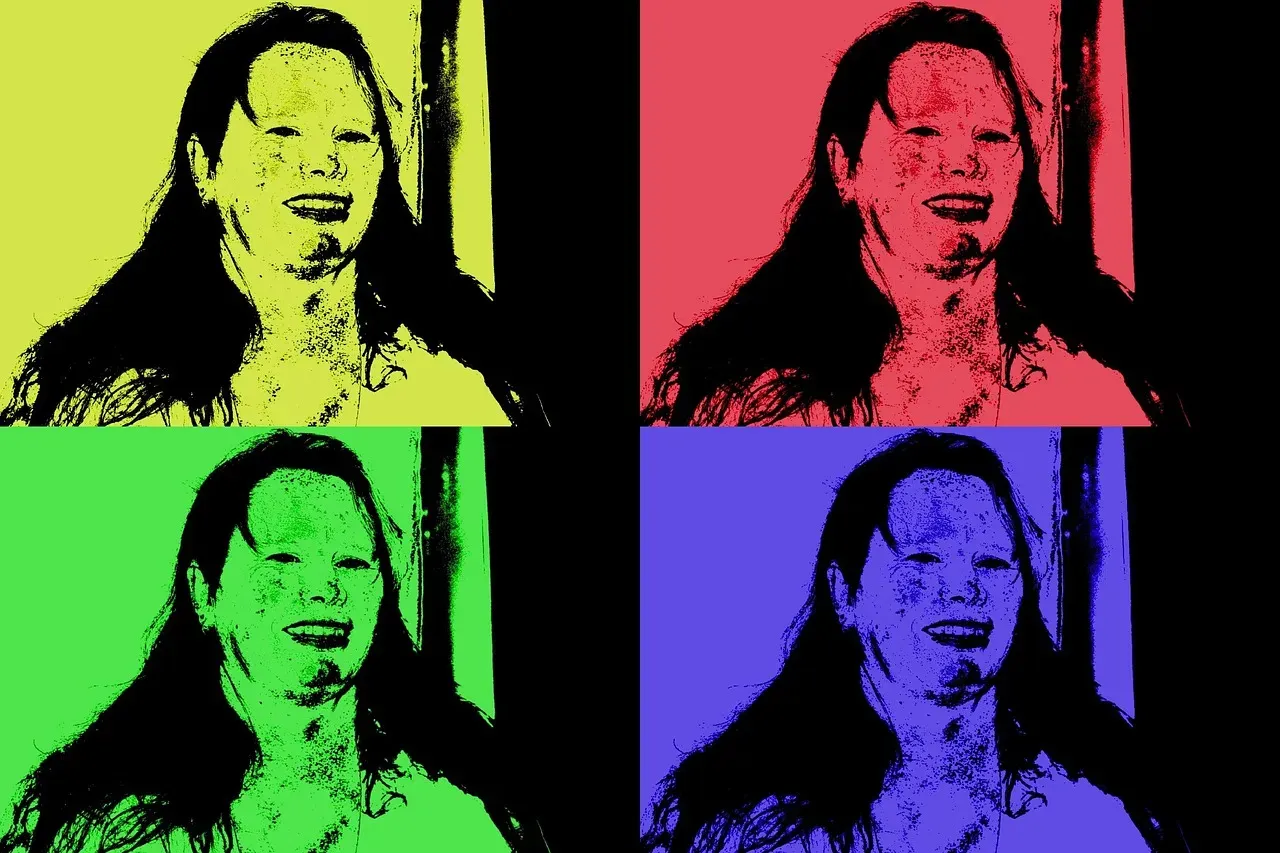
Andy Warhol took a can of soup and called it art. The art establishment was horrified. The public was confused. Now those soup cans sell for millions. Warhol didn’t just make pop art – he demolished the wall between high and low culture, proving that a celebrity portrait could be as valid as a Renaissance painting.
His silver-wigged presence made being weird not just acceptable but desirable. The Factory, his studio, became the epicenter of New York cool, where drag queens mingled with socialites and everyone was a star for fifteen minutes. That phrase – “fifteen minutes of fame” – Warhol coined it, predicting our reality TV, social media obsessed culture decades before it arrived.
Warhol understood that in modern America, fame itself was the art. He turned consumerism into beauty, repetition into meaning, and celebrity into religion. Every influencer today, every person treating their life as a brand, is living in the world Warhol envisioned. He didn’t fight the machine – he celebrated it, and in doing so, helped us understand it better.
When Influence Happens by Accident
These cultural icons share something beyond talent or charisma. They shared themselves – their pain, their joy, their weirdness, their truth. They weren’t trying to start movements or change society. They were just being who they were, often in the face of enormous pressure to be something else. That authenticity is what made them revolutionary.
Society changes when individuals refuse to conform, when they insist on being themselves despite the cost. These icons gave permission for others to do the same. Every person who’s ever felt different, every artist who’s created something true, every individual who’s refused to fit in the box society built for them – they’re standing on foundations these icons built.
The beautiful thing about accidental influence is that it’s still happening. Right now, somewhere, someone is just being themselves, creating something true, refusing to compromise their vision. They probably don’t know they’re changing the world. That’s exactly why they will.
Looking back at these icons, you realize change doesn’t always require a plan. Sometimes it just requires courage – the courage to be yourself when the world wants you to be someone else. What do you think makes someone a cultural icon? Tell us in the comments.