Sampling has quietly reshaped music over the past five decades. A snare hit here, a vocal yelp there, maybe a drum loop that becomes the foundation for an entirely new genre. It’s wild how a forgotten B-side or an obscure instrumental break can suddenly become the building block for hundreds, even thousands of modern tracks. The artists behind these samples rarely became household names. Some died broke. Others never even knew their work was being used until decades later.
What’s fascinating is that many of the most sampled recordings weren’t chart-toppers when they first came out. They were grooves that DJs stumbled upon while digging through crates, moments that producers heard and thought, “That’s the one.” Let’s dive into the tracks that built modern music, starting with the undisputed king.
The Amen Break by The Winstons – The Six Seconds That Changed Everything

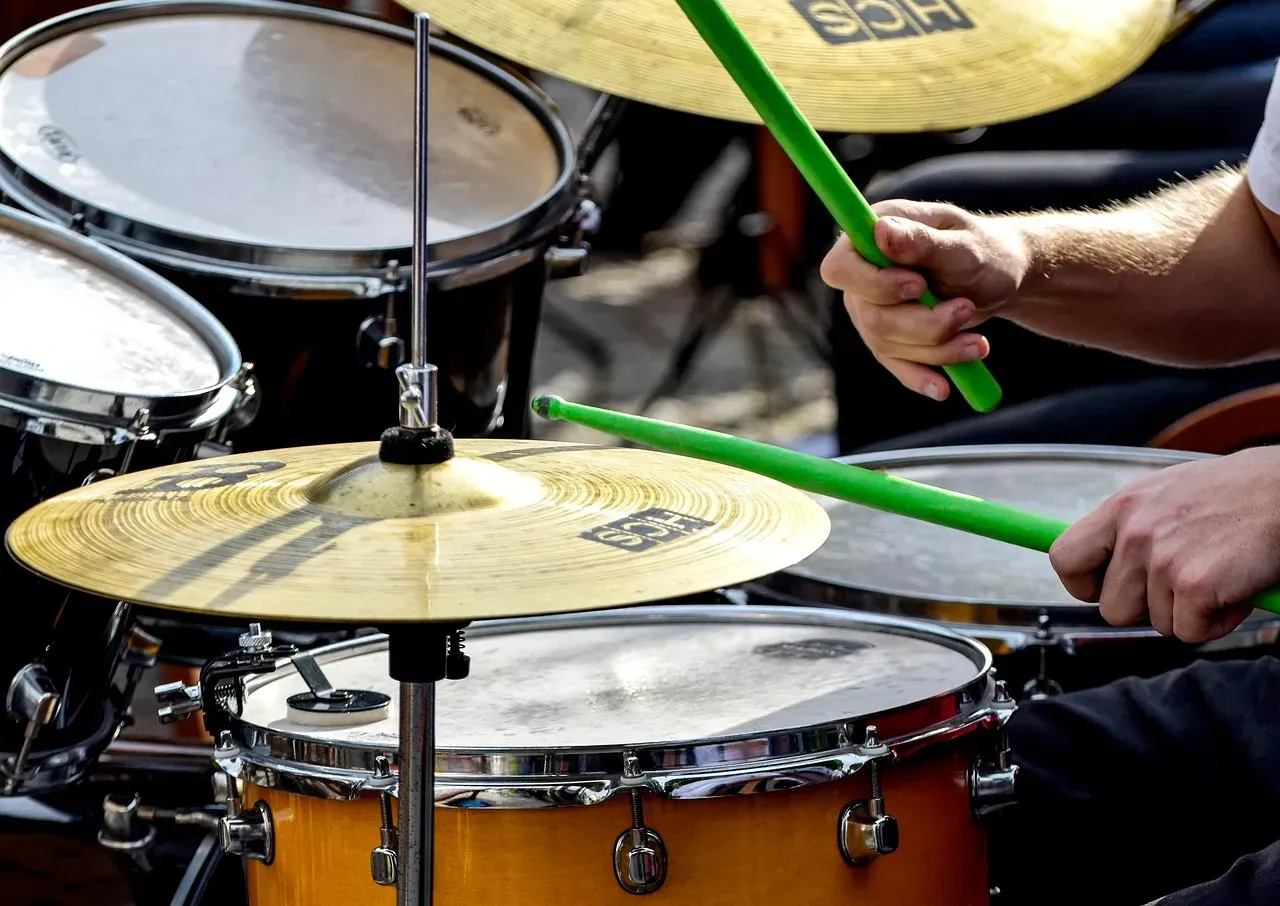
The Amen Break comes from a 1969 B-side called “Amen, Brother” by The Winstons, and it has been sampled over 4,500 times. Drummer Gregory Coleman performed a seven-second drum break at around one minute and 26 seconds into the song. The break was used in hits like “Straight Outta Compton” by N.W.A during the 1980s hip-hop explosion, then became a staple of drum and bass and jungle music in the 1990s, making it one of the most sampled recordings in music history.
Neither Coleman nor bandleader Richard Lewis Spencer received royalties for the sample, and Spencer wasn’t even aware of its widespread use until 1996 when he was working for the Washington Metro, after the statute of limitations for copyright infringement had passed. Let’s be real, it’s heartbreaking. Gregory Coleman passed away in 2006, homeless and penniless.
Think (About It) by Lyn Collins – The Funk Classic with the Woo-Yeah Shout

The Think break comes from Lyn Collins’ 1972 song “Think (About It),” which was written and produced by James Brown. According to data from WhoSampled, “Think (About It)” has been sampled in 2,466 tracks. Both the song’s main drumbeat and a vocal passage known as the “Woo! Yeah!” break have been used as samples.
The break received major attention in 1988 when it was used as the backing loop for “It Takes Two” by Rob Base & DJ E-Z Rock, which became a platinum-selling hit. The song was sampled close to 50 times in 1988 alone, then an astonishing 150 uses were documented in 1989. Producers couldn’t get enough of it. It appeared everywhere from Kanye West tracks to video game soundtracks like Street Fighter III.
Apache by Incredible Bongo Band – The Hip-Hop National Anthem

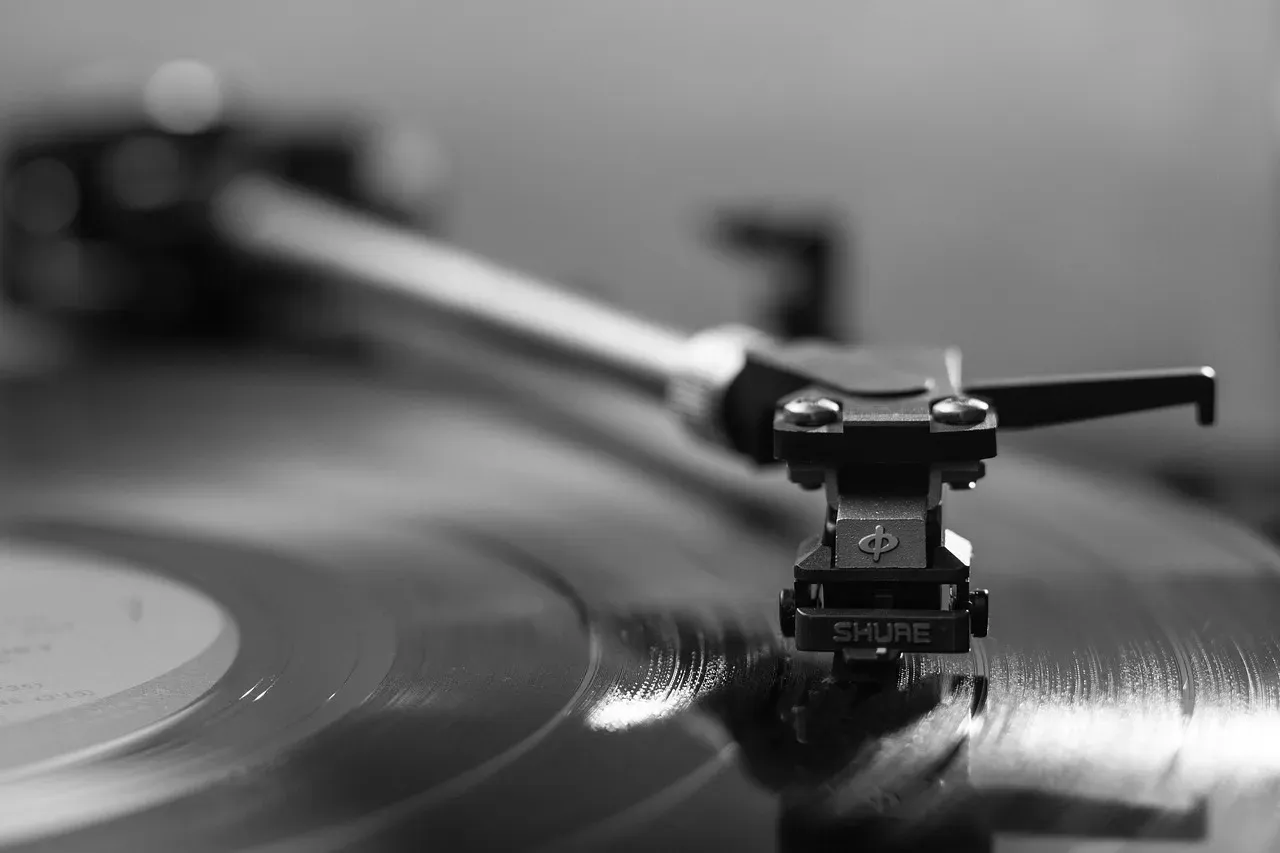
According to WhoSampled data, “Apache” by Incredible Bongo Band has been sampled in more than 800 songs. The group’s version was a cover of an instrumental tune originally by The Shadows, recorded at Can-Base Studios in Vancouver, but it wasn’t a hit upon release and languished in obscurity until the late 1970s, when it was adopted by early hip-hop artists like Kool Herc for the uncommonly long percussion break in the middle of the song.
Subsequently, many of the Incredible Bongo Band’s other releases were sampled by hip-hop producers, and the Apache break also remains a staple of many producers in drum and bass. Honestly, the strangest part is how this random studio project created for a B-movie soundtrack ended up defining an entire culture. The beat became so synonymous with hip-hop that it’s practically inseparable from the genre’s DNA.
Funky Drummer by James Brown – Clyde Stubblefield’s Immortal Groove

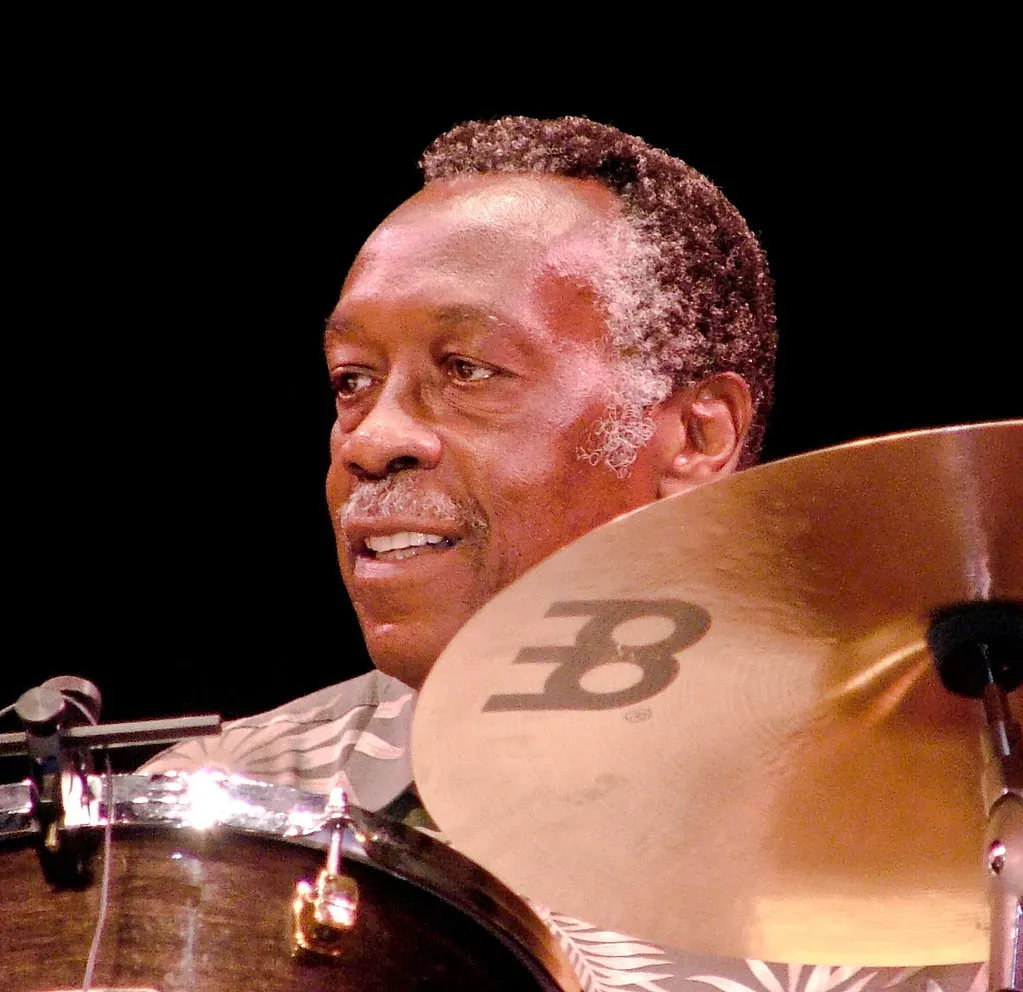
The drum break from “Funky Drummer,” improvised by Clyde Stubblefield, is one of the most frequently sampled music recordings, used in over two thousand other records. The track was recorded on November 20, 1969, in Cincinnati, Ohio. Stubblefield’s eight-bar unaccompanied solo is the result of James Brown’s directions, and this breakbeat is one of the most sampled recordings in music.
The “Funky Drummer” drum break has been used by artists such as LL Cool J, Public Enemy, and Sinead O’Connor, with Beastie Boys and Ed Sheeran also among the thousands to have sampled this beat. As Stubblefield did not receive a songwriter credit for “Funky Drummer,” he received no royalties for the sampling, and he told The New York Times in 2011 that he thought it was disrespectful not to pay people for what they use. Here’s the thing: musicians should be compensated for their contributions. Period.
Impeach the President by The Honey Drippers – The Drum Break Politicians Hate

Though not sourced in the recent searches, “Impeach the President” deserves recognition as one of the all-time great sample sources. Released in 1973, this funk track features a crisp drum break that’s been lifted countless times across hip-hop history. The production value was pristine for its time, making it perfect for sampling. What makes this track special is the pocket of the groove, the tightness between hi-hat and snare.
Partner offer

Producers in the late eighties and nineties couldn’t resist it. From Gang Starr to Audio Two, the break became shorthand for authentic boom-bap hip-hop. The original song was a political statement about Watergate, yet its legacy has nothing to do with Nixon and everything to do with breakbeats.
Synthetic Substitution by Melvin Bliss – The Overlooked Funk Bomb
Melvin Bliss remains one of the unsung heroes of sampled music. His 1973 track “Synthetic Substitution” contains a drum break that’s been chopped up and repurposed by producers for decades. The drums hit with a particular weight and grit that modern production can’t quite replicate. It’s raw, immediate, and perfect for layering under heavy basslines.
This sample showed up in tracks by N.W.A, Ultramagnetic MCs, and countless others. Bliss himself struggled financially for years while his work underpinned hit after hit. The irony isn’t lost on anyone paying attention. The music industry has always had a complicated relationship with the artists who create its most foundational sounds.
Ashley’s Roachclip by The Soul Searchers – The Go-Go Classic That Went Global

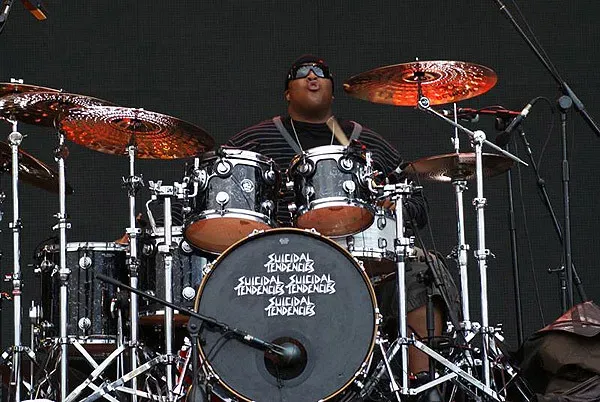
“Ashley’s Roachclip” is a go-go funk instrumental from 1974 that’s become sampling gold. The drums are loose and funky, with a swing that gives tracks an immediate bounce. Eric B. & Rakim famously used it on “Paid in Full,” and that opened the floodgates. Suddenly every producer worth their salt was digging through Soul Searchers records looking for more breaks.
What’s interesting is how the sample sounds just as fresh today as it did when Rakim first rapped over it. There’s something timeless about that particular drum tone. Modern producers still reach for it when they want that classic New York sound, that golden era vibe that defined an entire movement.
Change the Beat by Fab 5 Freddy – The Female Vocal Scratch Sample
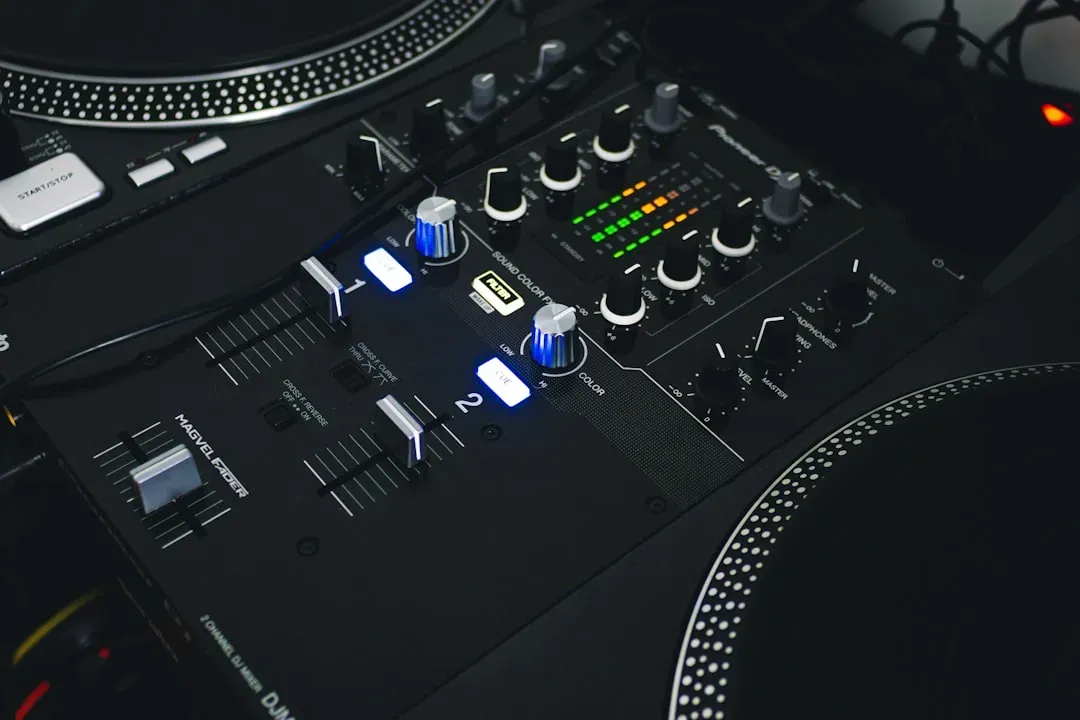
“Change the Beat” from 1982 contains one of the most recognizable scratch samples in hip-hop history. The French phrase scratched and manipulated by DJs worldwide came from this track’s B-side. It’s short, punchy, and became the calling card for turntablists everywhere. You’ve heard it even if you don’t think you have.
The sample represents the playful, experimental spirit of early hip-hop. DJs weren’t just playing records, they were transforming them into percussion instruments. “Change the Beat” proved that any sound, any syllable, could become rhythmic material in the right hands. It’s brilliant when you think about it.
When the Levee Breaks by Led Zeppelin – Rock’s Contribution to Hip-Hop
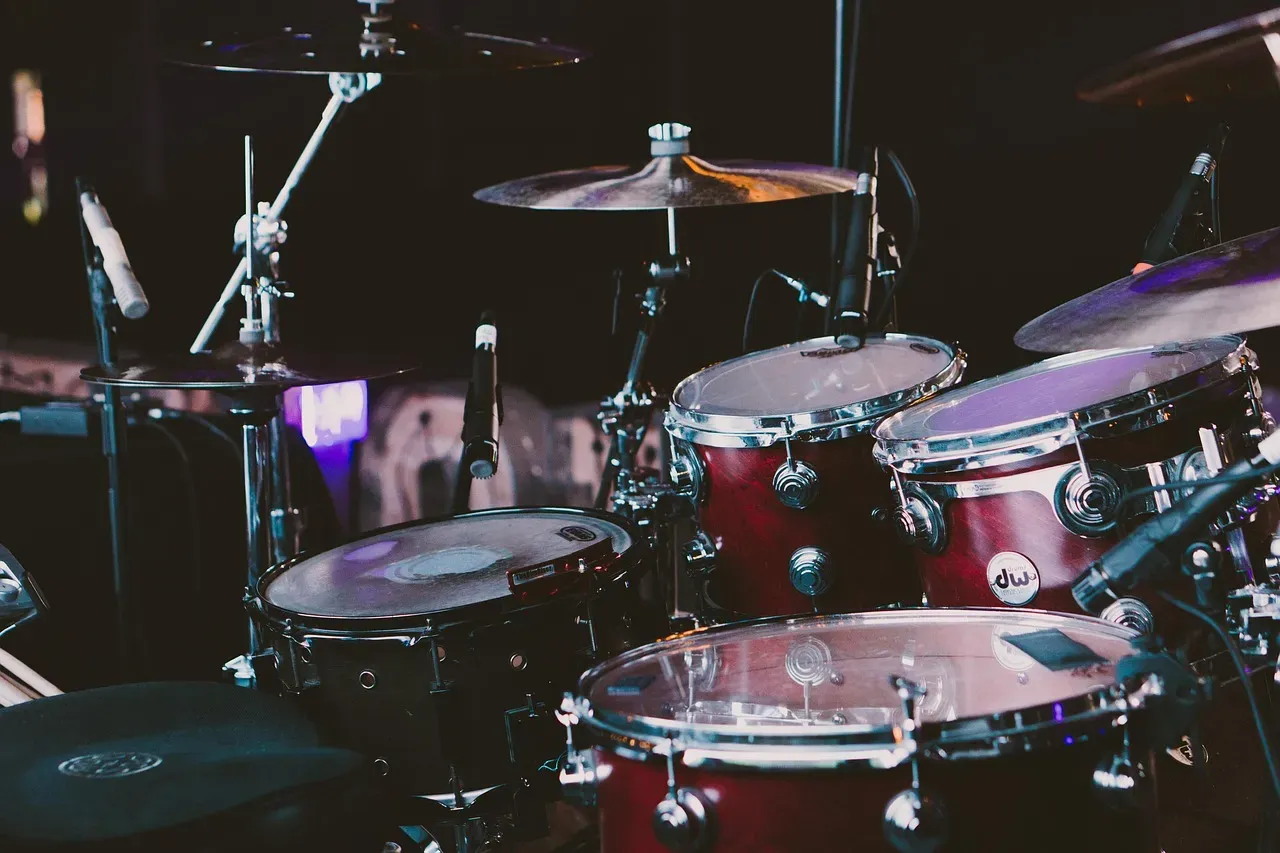
Led Zeppelin’s 1971 recording of “When the Levee Breaks” features one of the most massive-sounding drum tracks ever committed to tape. John Bonham’s drums, recorded in a stairwell for natural reverb, became a go-to sample for producers wanting that earth-shaking low end. The Beastie Boys brought it to mainstream attention, and suddenly rock drummers were influencing hip-hop production.
The sample bridges two worlds that don’t always communicate well. Rock purists and hip-hop heads both claim ownership of its legacy. Truth is, great music transcends genre boundaries. Bonham’s playing on that track would sound incredible in any context, sampled or otherwise.
Nautilus by Bob James – The Jazz-Funk Crossover King

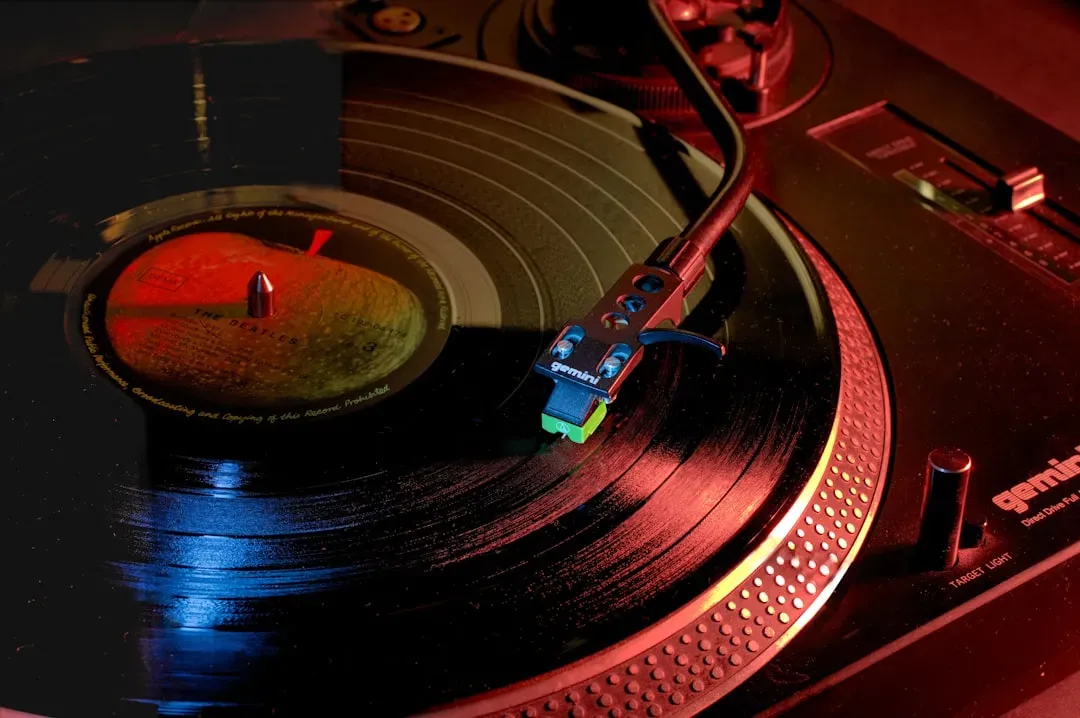
“Nautilus” from 1974 has been sampled more than 400 times according to various databases. Bob James created a jazzy, funky instrumental that producers couldn’t resist. The break is clean, the groove is undeniable, and it fits under almost any style of rap. Run-DMC used it. Ghostface Killah used it. The list goes on forever.
James himself has had mixed feelings about sampling over the years. He’s acknowledged the artistry involved while also being protective of his work. It’s a complicated dance between respecting original artists and allowing new creativity to flourish. “Nautilus” sits right at the center of that conversation.
Partner offer
Planning a trip to Vegas?
Compare hotel rates and show tickets on VEGAS.com.