


Think about the last time a song stopped you mid-scroll. You hadn’t heard of the artist before. You didn’t search for it. It just appeared, perfectly placed under a fifteen-second clip, and suddenly you needed to know everything about it. That moment, repeated billions of times every single day, is quietly rewriting the entire history of how humans find music. And the platform making it happen is TikTok.
What’s going on here runs much deeper than dance challenges and trending sounds. It’s a structural shift in the music industry, one that even the biggest record labels in the world are scrambling to understand and negotiate around. If you think TikTok is just an app for teenagers, think again. Let’s dive in.
The Numbers Don’t Lie: TikTok Is Now the #1 Music Discovery Platform

Let’s start with the headline that should make every radio programmer nervous. An overwhelming majority of songs that entered the Billboard Global 200 in 2024 went viral on TikTok first, and U.S. TikTok users are significantly more likely to discover and share new music on social and short-form video platforms than the average short-form video user. That’s not a small edge. That’s dominance.
Roughly three out of every four TikTok users discover new songs directly on the platform, making it the number one place for music discovery. Think about that for a second. The app that started as a lip-sync novelty has become the world’s most powerful music tastemaker.
While radio used to be the main way to find new music, streaming and social algorithms now drive discovery, and the shift is most pronounced among 16 to 24-year-olds, whose top music discovery method is TikTok, followed by YouTube, streaming, and social media. Honestly, radio’s days as a discovery kingmaker look numbered.
The Algorithm That Knows Your Taste Better Than Your Friends Do

Here’s the thing most people miss: TikTok’s power isn’t just about reach, it’s about precision. The platform’s For You Page algorithm doesn’t just push popular content, it delivers hyper-personalized suggestions based on what you actually watch, rewatch, and linger on. It’s less like a radio station and more like a DJ who has been studying you for years.
Algorithms have fundamentally changed how and where we discover music. In the past, music discovery was confined to a handful of spaces and platforms, but as consumption fragments, so does discovery, and there is no longer one central place to find new music. TikTok thrives in this fragmented landscape because it consolidates that discovery into one addictive scroll.
TikTok users are remarkably active, opening the app roughly twenty times a day and spending nearly an hour on it daily on average. That’s a staggering amount of exposure time for music to reach new ears, and the algorithm is working every single second of it.
From Scroll to Stream: How TikTok Converts Discovery Into Action

Discovering music on TikTok is one thing. Actually doing something about it is another. What makes the platform uniquely powerful is that its users don’t just listen and move on. They act. Data shows that TikTok users are significantly more likely to pay for music subscriptions and spend considerably more time streaming music than average listeners.
U.S. TikTok users dedicate significantly more time to streaming music audio than the average U.S. music listener, and the platform’s “Add to Music App” feature, which launched in 2024, allows users to seamlessly save songs they discover on TikTok directly to their preferred music streaming service. It’s basically a one-tap pipeline from discovery to your Spotify queue.
TikTok has revealed that its Add to Music App feature has now been used to save over 3 billion tracks to music streaming services, generating billions more streams and driving music into the charts worldwide. Three billion. That’s not a feature, that’s a movement.
Songs Go Viral Faster Than Ever Before

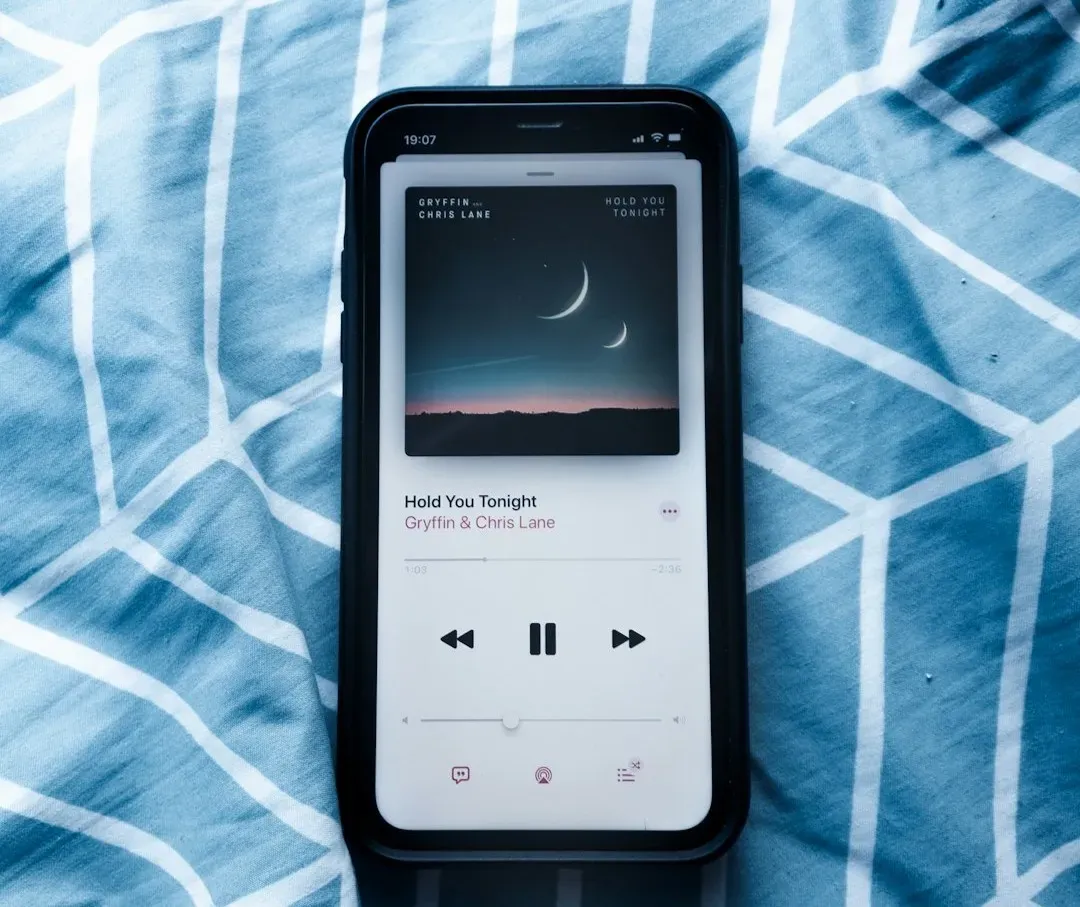
If you think the music cycle used to feel fast, you haven’t seen anything yet. In 2020, it took an average of around 340 days for a song to hit 100,000 TikTok posts. By 2025, that number had dropped to just around 50 days. That’s a speed increase so dramatic it almost feels cartoonish.
Imagine a race where the track got six times shorter in five years. That’s what’s happening to music virality right now. Faster virality, however, doesn’t always mean bigger success. TikTok fame now burns brighter but shorter, with fewer viral songs translating into lasting Spotify streams. It’s a double-edged sword that artists and labels are still figuring out.
Research from MIDiA has indicated that many younger listeners discover music through clips on TikTok but often stop there, without transitioning into sustained listening or deeper artist exploration. So the challenge isn’t just going viral. It’s holding on once you do.
Breaking New Artists: TikTok as the Modern-Day Record Label Scout

Remember when getting signed to a label felt like the golden ticket? TikTok has quietly made that less necessary, and in some cases, less relevant. When Gigi Perez posted a stripped-down track to TikTok, she had no idea it would take on a life of its own. Within a month, the song had over 18 million streams, eventually climbing to more than 200 million globally and topping Spotify’s U.S. viral chart.
No longer just a platform for dance crazes and viral trends, TikTok has become a formidable force in the music industry, reshaping how music is discovered, consumed, and how artists achieve success. The platform’s algorithm has the power to catapult careers, revitalize catalogs, and forge deep connections between artists and fans. That’s not marketing speak. That’s real.
In 2025, TikTok and its community of over a billion music fans proved once again that music starts on TikTok, with the platform providing the launchpad for the careers of a host of amazing new artists, including Alex Warren, Ravyn Lenae, sombr and Lola Young. These aren’t stories of luck. They’re a pattern.
Old Songs Getting a Second Life: The Catalog Revival Phenomenon

I know it sounds crazy, but a sixty-three-year-old song became one of the biggest viral music moments of 2025. Connie Francis’s “Pretty Little Baby” became her most-streamed song, with over 130 million streams on Spotify and a five-week run on the Billboard Global 200 chart, with Connie Francis herself joining TikTok as a result of the song going viral. That’s the power of this platform reaching across generations.
In 2025, TikTok continued to reintroduce older tracks to audiences, with listeners discovering songs like “Breakin’ Dishes” by Rihanna, “Let Down” by Radiohead, and “Rock That Body” by the Black Eyed Peas, often hearing them for the very first time. For catalog owners, TikTok is essentially a time machine with a marketing budget.
Alphaville’s “Forever Young,” released back in 1984, experienced a major resurgence in 2024 due to its popularity on TikTok, leading to increased streams and a nine-week run on the Billboard Global 200. A forty-year-old song charting globally in 2024. Let that sink in for a moment.
TikTok Users Are the Music Industry’s Most Valuable Spenders

It’s easy to think of TikTok as a platform full of passive viewers who never open their wallets. The data tells a wildly different story. TikTok users engage more deeply with music, spending considerably more on music, on live events, and on artist merchandise than the average listener. These aren’t casual fans. They are the industry’s dream customers.
U.S. TikTok users are nearly twice as likely to be music superfans compared to the general population, and those superfans on TikTok spend more on music, more on live events, and significantly more on merchandise than even average superfans. For artists, this means TikTok isn’t just an exposure tool. It’s a revenue engine.
In the U.S., more than a third of TikTok users attended a live music event and nearly half purchased artist merchandise in the past twelve months, compared to notably lower rates among overall music listeners. That’s a fanbase that actually shows up, literally and financially.
The Streaming Ripple Effect: TikTok Views Lead to Chart Wins

The connection between a TikTok view and a Spotify stream is now statistically impossible to dismiss. According to the 2024 Music Impact Report, an artist can expect an average eleven percent increase in on-demand music streaming over the course of the three days following a peak in TikTok total views, and TikTok total views are significantly related to streaming volumes for the vast majority of artists analyzed.
Artists whose TikTok engagement stays consistently high week to week see streaming growth of around eleven percent per week, compared to just three percent for others. Over time, those artists see their total streaming volumes climb dramatically, while others barely move. Consistency on TikTok isn’t just about staying relevant. It’s about compounding growth.
In December 2024, TikTok reported that thirteen of the sixteen tracks that reached number one on the U.S. Billboard Hot 100 that year were in some way linked to a trend on TikTok. At that point, TikTok isn’t just influencing the charts. It basically is the charts.
The UMG-TikTok Royalty Battle: When Big Music Fought Back

Not everything about TikTok’s music takeover has been smooth. In early 2024, the music world watched an epic standoff unfold. The months-long standoff between Universal Music Group and TikTok over royalty payments and AI policies resulted in a complete removal of UMG’s catalog from the platform. Artists like Taylor Swift, Drake, Lady Gaga, and Billie Eilish suddenly went silent on TikTok.
Universal Music Group stated it did not want to renew the license due to the platform’s lack of sufficient compensation for artists and concerns surrounding TikTok’s failure to curb AI music. Music from major UMG artists was subsequently removed from the app for approximately three months. It was a bold, uncomfortable, and ultimately necessary fight.
Universal Music Group and TikTok ultimately struck a new multi-dimensional licensing agreement, which they said would deliver significant industry-leading benefits for UMG’s global family of artists, songwriters and labels, and return their music to TikTok’s billion-plus global community. As part of the agreement, the two companies also committed to ensuring that AI development across the music industry would protect human artistry, and TikTok pledged to work with UMG to remove unauthorized AI-generated music from the platform. The future of music and AI had officially become a negotiating point.
What This All Means for the Future of Music Discovery

We are living through a genuine transformation in how music reaches people. Not a trend, not a blip. A structural change. TikTok’s impact is structural rather than incidental. It is not merely a trend but a fundamental shift, and the platform’s predictive relationship with Billboard chart performance, its influence on music consumption habits, and its ability to convert engagement into revenue all contribute to its growing strategic importance.
In theory, TikTok could act as an alternate path to success for independent musicians, allowing them to self-promote without the backing of a major label, and in the process, artists can engage with fans and allow them to play a central role in music promotion. That’s a meaningful democratization of a historically gatekept industry.
Still, the platform raises real questions about sustainability, fair pay, and the long-term health of artistic careers built on fifteen-second virality. TikTok exemplifies both the opportunities and challenges of the music industry in the digital age. While it offers artists unprecedented access to global audiences, it also raises questions about the sustainability of careers built from virality, and as social media transforms how we discover and share music, TikTok emerges as both a launchpad for new artists and a battleground over royalties, authenticity, and the future of the industry.
The question isn’t whether TikTok has changed music discovery. It absolutely has. The question now is whether the industry can build something genuinely fair around it, for the artists, the creators, and the fans who keep the whole thing spinning. What do you think? Is TikTok the best thing to ever happen to music, or is something important being lost in the scroll? Tell us in the comments.


