Most people assume they’ll know when their neighborhood becomes a target. Spoiler alert – they usually don’t, not until it’s already too late. Mail theft and residential break-ins rarely announce themselves. They creep in quietly, one stolen envelope or one forced door at a time, and before long, your street is on every thief’s mental route.
The good news is that you don’t have to wait and wonder. There are real, accessible tools and warning signs that can tell you exactly how risky your neighborhood is – right now. So let’s dive in, because what you’ll discover might genuinely surprise you.
The Scale of the Problem Is Bigger Than Most People Realize
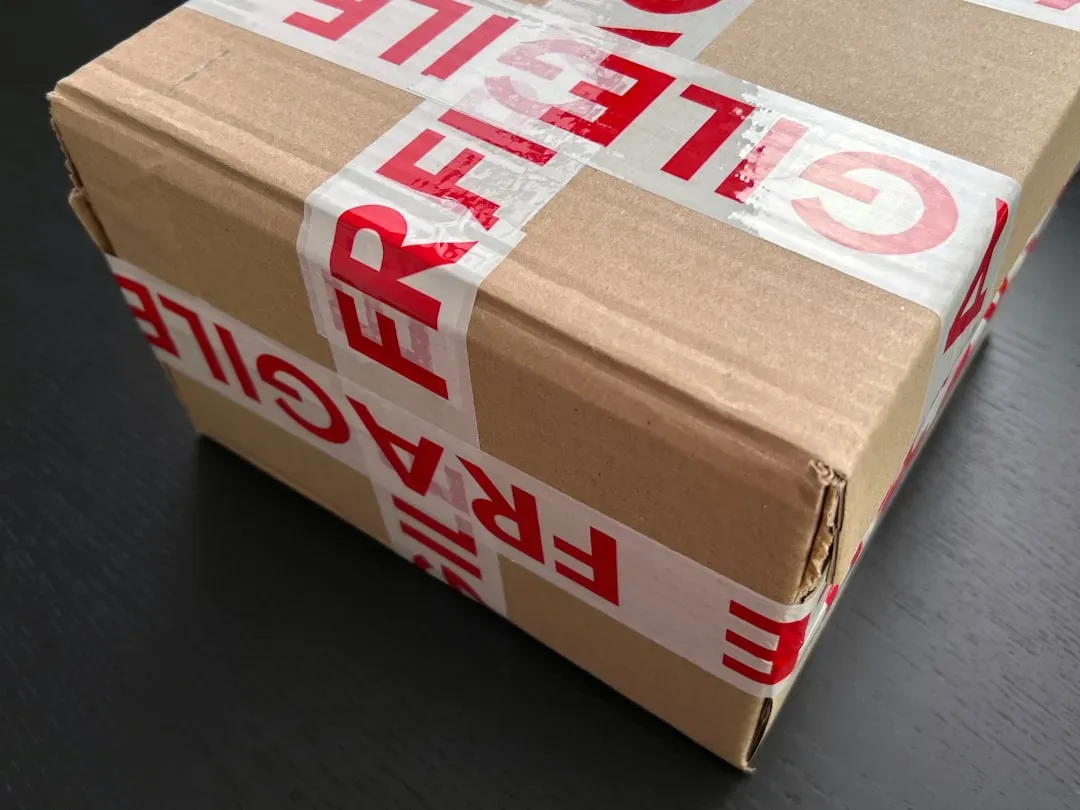
Let’s start with the numbers, because honestly, they’re staggering. In fiscal year 2024, the Postal Service recorded over 52,000 high-volume mail theft attacks, up a shocking 156% since fiscal year 2019. That’s not a slow creep. That’s an explosion.
Since the pandemic, mail theft has boomed, with an 87% increase in reports of high-volume theft from mailboxes between 2019 and 2022, according to the U.S. Postal Inspection Service. To put it simply, if you felt safe five years ago, that feeling may no longer be justified.
In 2024, approximately 89.4 million packages were stolen from American households – roughly 3.2% of all residential deliveries nationwide. That’s one package stolen every 0.35 seconds, 24 hours a day, 365 days a year. Think about that for a second. By the time you finish reading this paragraph, several packages will already be gone.
Use Online Crime Maps to See Exactly What’s Happening Near You
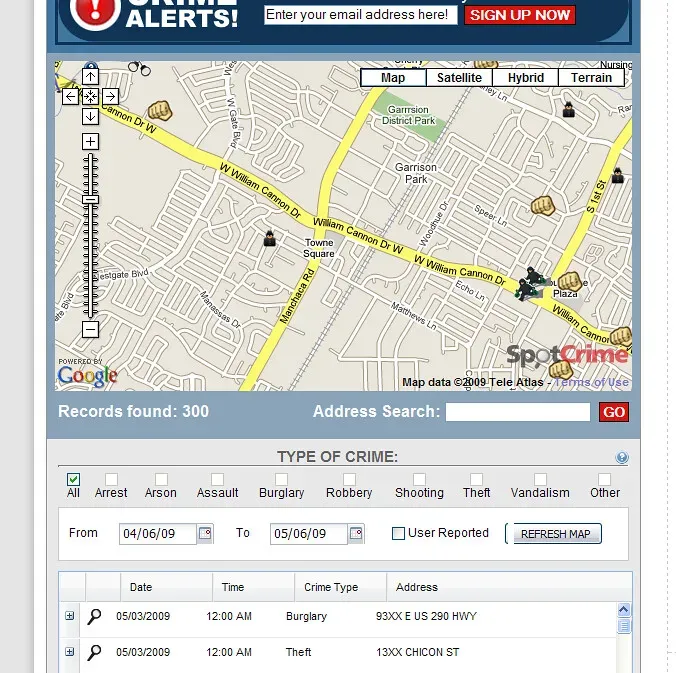
Here’s the thing most people never bother to do: actually look up the crime data for their own block. It’s free. It takes about five minutes. SpotCrime is a public-facing crime map and crime alert service that makes it easier than ever to check crime anywhere in the United States and many other countries worldwide.
Public awareness of crime in an area is an effective tool in fostering safe communities, and email alerts provide you with the ability to quickly understand the activity in your neighborhood and take preventive measures. You can set up alerts so that if a burglary or mail theft happens on your street, you hear about it within a day.
Many of these tools allow people to search for crimes in their neighborhood by address or location and filter by date, going as far back as six months. You can also look into a specific type of crime or find a summary of crime activity in a specific area. Think of it like a weather forecast, but for crime. It’s not perfect, but it gives you real data instead of gut feelings.
Apartment Buildings and Cluster Mailboxes Are Prime Targets
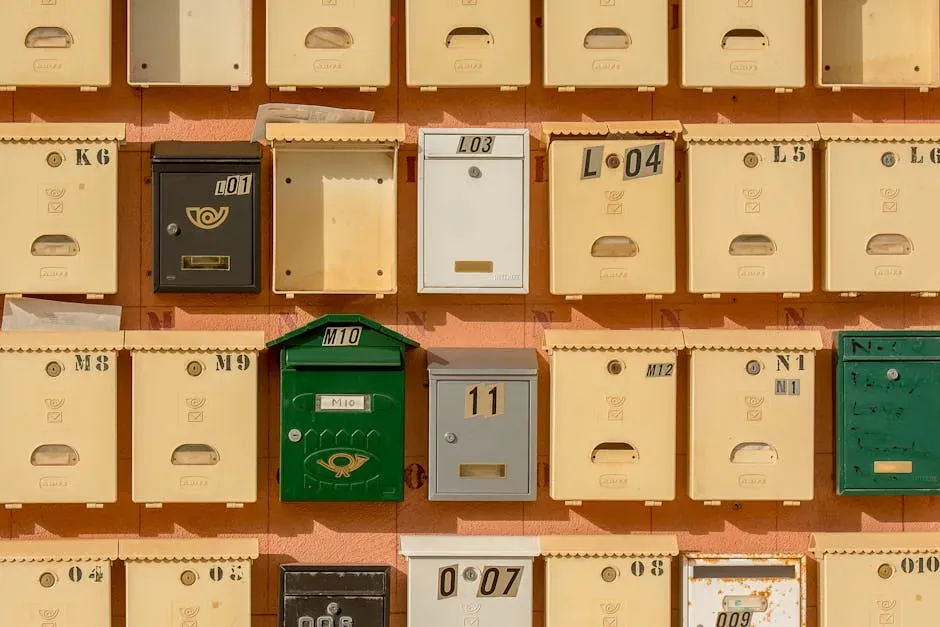
If you live in an apartment building, I hate to be the one to tell you this, but your risk is dramatically higher than your neighbors in single-family homes. People in apartment buildings, especially ones without a mailroom or doorman, are much more likely to be victims. In fact, apartment residents were victimized 3.5 times more often than homeowners in the most recent three-month period.
Denver Police Department data showed that package theft reports increased 91% from 2019 to 2024. The city’s combination of apartment complexes with unsecured mail rooms, affluent suburban neighborhoods with low population density, and sophisticated theft rings operating across the area creates a perfect storm.
It makes total sense when you think about it. A centralized mailbox unit in a busy apartment lobby is like a buffet for thieves. Multiple units, easy access, and usually no one watching. If your building fits that description, it’s worth taking seriously.
Mail Theft Is Directly Linked to Identity Theft and Financial Fraud
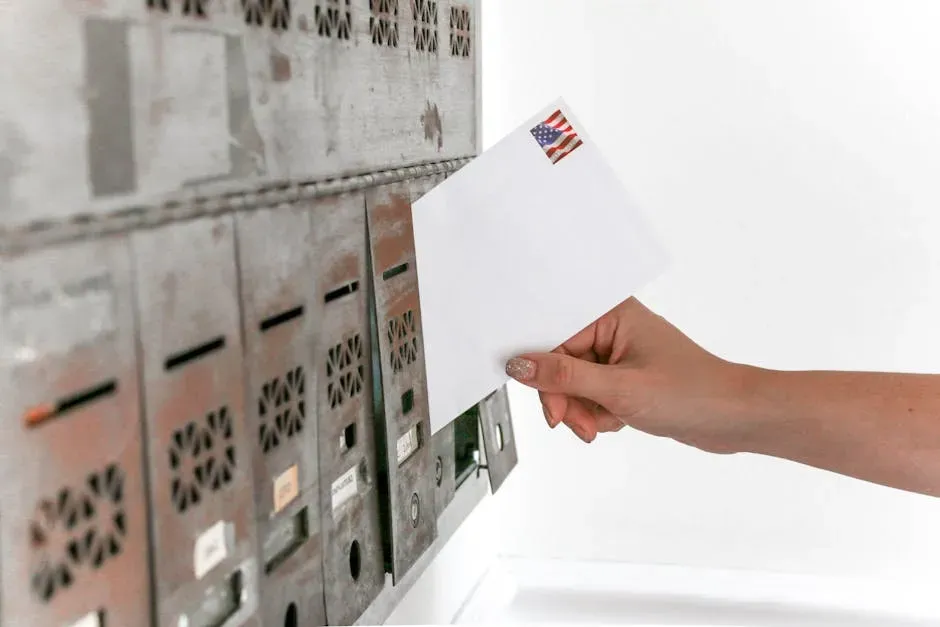
This is where the stakes get genuinely frightening. Most people think of mail theft as a minor nuisance, like losing a birthday card. The FBI and financial regulators see it very differently. A 2024 Federal Reserve survey showed that check fraud now accounts for nearly a third of all fraud losses, second only to debit card fraud. Between February and August 2023 alone, Americans lost more than $688 million to mail theft-related check fraud.
Analysis of Financial Crimes Enforcement Network data shows a direct link: spikes in mail theft are followed by surges in identity theft. Each stolen check is not just a negotiable instrument – it’s a data-rich artifact that spawns multiple fraud schemes. One stolen envelope can trigger a cascade of financial damage that takes years to fully undo.
The scope of the problem becomes even clearer when looking at stolen government payments. In just three months of 2024, researchers catalogued more than $485 million in stolen U.S. Treasury checks available for sale online. That’s not a rounding error. That is a massive, organized criminal ecosystem feeding on stolen mail.
Seasonal Patterns Reveal When Your Neighborhood Is Most Vulnerable

Timing matters more than most people realize. Mail theft incidents are most common during holiday seasons, rising by roughly a fifth in November and December. Thieves follow patterns just like retailers do, and the holiday surge in deliveries is basically an open invitation.
Package thefts increase when people turn to the internet to buy gifts at the end of the year. Nearly 70% of 2025 holiday shopping is expected to happen online, with each adult expecting about 25 packages between October and December – twice as many as in the average three-month period. This flood of deliveries and their potential to be stolen makes online holiday shoppers nervous.
It’s hard to say for sure, but extended travel periods like Thanksgiving week and spring break likely carry similar risks. Security experts consistently point out that uncollected mail sitting for several days in a box is one of the clearest signals a thief could ever ask for. An empty house plus a stuffed mailbox is basically a welcome mat.
USPS Has Identified High-Risk Areas – And Is Responding
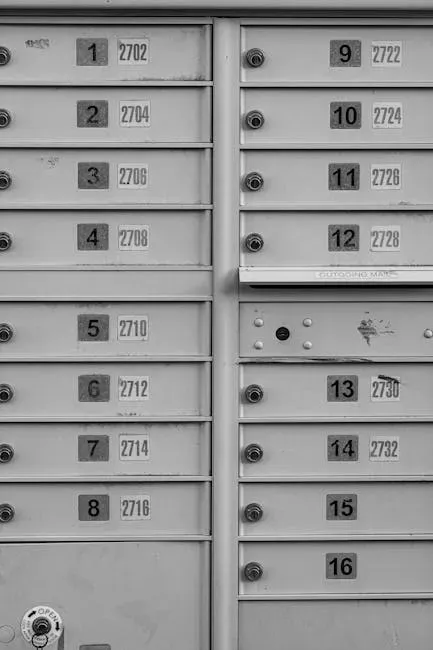
The postal system itself now openly acknowledges that certain neighborhoods face dramatically higher risks than others – and it’s actually doing something about it. 12,000 high-security blue collection boxes are being installed nationwide, specifically in high-security risk areas, making access to their contents more difficult for criminals.
Additionally, 49,000 electronic locks are replacing outdated arrow locks, because criminals were targeting letter carriers specifically for their arrow keys, which they then used to steal mail from secure receptacles and commit check fraud. That’s a detail most people don’t know: thieves would literally rob mail carriers just to get a master key.
Since May 2023, the Postal Inspection Service has made over 1,200 arrests for letter carrier robberies and mail theft nationwide. Over a five-month period, reported robberies of letter carriers decreased by 19% and mail theft complaints dropped by 34%. The response is working – but only in areas where it’s been deployed. If your neighborhood hasn’t seen those upgrades yet, you’re still exposed.
Property Crime Is Unevenly Distributed – Some Streets Face Far Higher Risk

Here’s a fact that doesn’t get enough attention: crime is not spread equally across cities. Property crime trends have been mixed over the last five years. There were fewer residential burglaries and larcenies in 2024 than in 2019, but nonresidential burglaries increased. The overall trend might look encouraging, but those averages hide enormous neighborhood-level disparities.
Suburban areas record roughly 43% of package thefts, urban areas about 42%, and rural areas around 14%. This disproves the common misconception that package theft is solely an urban problem. Your quiet suburb is not automatically safe. In some cases it’s actually more targeted because higher-value packages are delivered there more frequently.
According to the SafeWise State of Safety in America 2025 report, more than half of respondents believe a property crime could happen to them. That collective anxiety is real and, in many neighborhoods, it’s completely justified. The key is moving from general worry to specific, localized knowledge about your own street.
Community Reporting and Neighborhood Apps Are Genuinely Effective Tools

One of the most practical things you can do costs absolutely nothing. Report what you see. If crime is not documented, communities lose opportunities to effectively flag issues for police. From a law enforcement perspective, trends are difficult to develop without good information. Residents and visitors are the best source of that information, and data is very important in the allocation of policing resources.
A growing number of Americans are using neighborhood safety apps. Platforms like Ring Neighbors and Nextdoor bring together community information and can use tools to watch for and report local problems, spot patterns, predict potential threats, and alert law enforcement or delivery companies when they notice suspicious activity. Think of it as a neighborhood watch program that runs 24 hours a day without anyone having to stand outside in the cold.
Fewer than one in four victims contact police, but filing a report can stop future thefts in your area. That’s a striking statistic. The vast majority of mail theft and break-in victims stay silent, which is exactly what thieves count on. Every report you file is a data point that can redirect resources to your block.