Living on a tight budget doesn’t have to mean sacrificing quality of life. Henderson, Nevada, has quietly become one of those places where you can actually stretch your money without feeling like you’re constantly counting pennies. It’s hard to say for sure whether everyone can pull this off, but with some smart planning and a willingness to make strategic choices, plenty of people are doing exactly that right now.
The real magic lies in understanding where your money goes and how to make it work harder for you. Henderson sits just outside the glitter and chaos of Las Vegas, offering a more suburban, livable vibe while still being close enough to tap into opportunities. Let’s be real, it’s not the cheapest place in America, yet it’s far from the most expensive either. So let’s dive in.
Finding Affordable Housing That Fits Your Budget
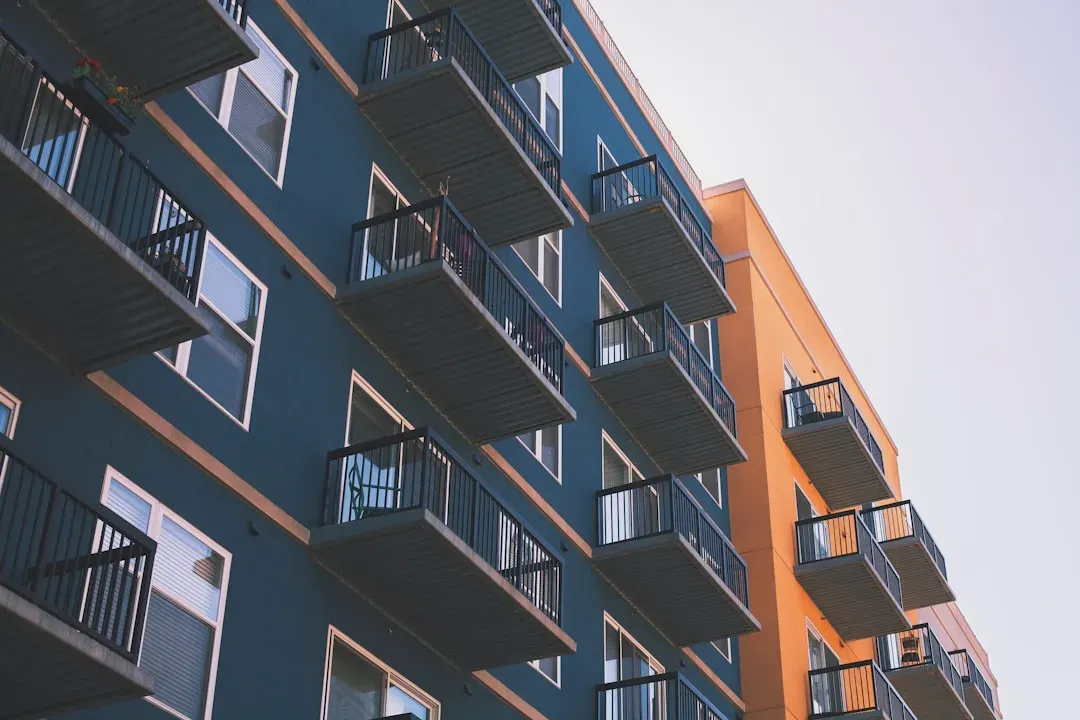
Housing represents the biggest chunk of any budget, so getting this part right matters enormously. The average rent for an apartment in Henderson is around $1,650, with nearly half of rentals falling between $1,501 and $2,000 per month. That might sound steep at first, yet dig a little deeper and you’ll discover options.
Studio apartments average around $1,438, one-bedroom apartments average $1,309, and two-bedroom units average $1,499. If you’re willing to hunt around different neighborhoods, there’s wiggle room. Areas like Pittman offer one-bedroom rentals starting at $1,250 and two-bedrooms at $1,350, making it a budget-friendly option near Henderson.
Honestly, the key is flexibility. If you can handle a smaller space or choose a neighborhood that’s not brand new, you’ll find something workable within that $2,500 ceiling. The housing market here offers genuine variety, from older complexes to newer builds, each with different price points.
Keeping Utilities Manageable In The Desert Heat
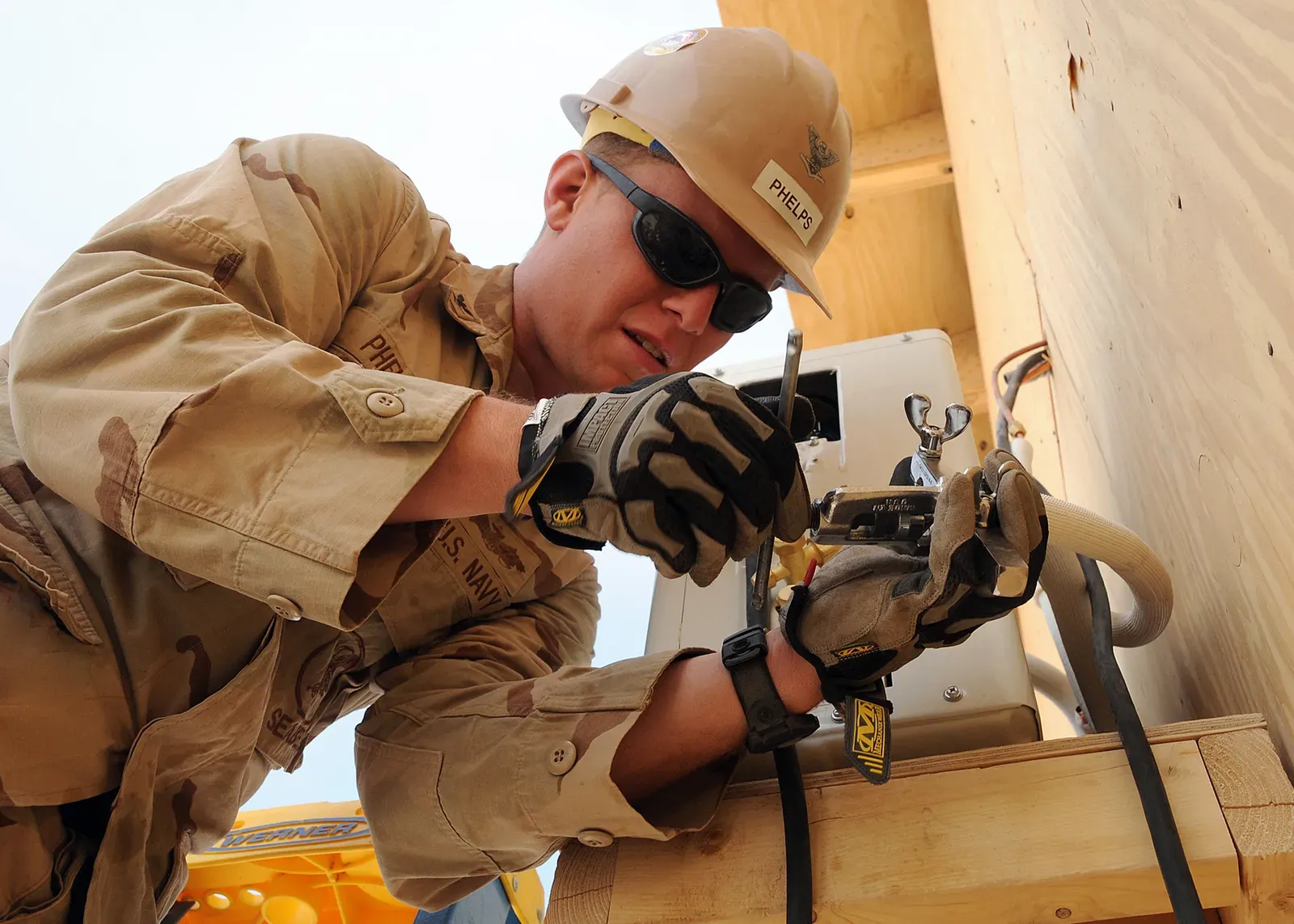
Utilities can sneak up on you if you’re not careful, especially in Nevada’s desert climate. In Henderson, you’ll spend an average of around $185 per month on basic utilities, though you should expect a spike in summer months when temperatures rise. Summer air conditioning is no joke out here.
Henderson residents spend about $184 per month on electricity on average. Add in water, gas, and garbage, and you’re looking at a manageable chunk of your monthly budget. Adding a basic phone plan and standard internet package will raise your overall utilities to approximately $296.75 per month.
The desert climate means you’ll run that AC pretty much all summer long, which can push costs up. Still, compared to many other states, Nevada’s electricity rates remain relatively reasonable. Smart usage during peak months can help keep bills from spiraling out of control.
Taking Advantage Of Nevada’s No State Income Tax

Here’s where Henderson really shines for budget-conscious folks. Nevada does not have a state income tax, though residents are still required to pay federal income taxes as well as state sales and property taxes. This is a massive advantage that many people overlook when calculating their actual take-home pay.
The State of Nevada does not impose a state income tax on individuals or participate in the administration of Federal Income Tax. Think about what that means for your paycheck: every dollar you earn stays in your pocket except for federal taxes and Social Security contributions.
For someone living on $2,500 per month, that lack of state income tax translates to hundreds of dollars saved annually compared to states like California or Oregon. Let’s be real, this single factor makes a huge difference when you’re trying to make ends meet on a modest income. It’s one of those benefits that quietly compounds month after month.
Navigating Transportation Costs Without Breaking The Bank
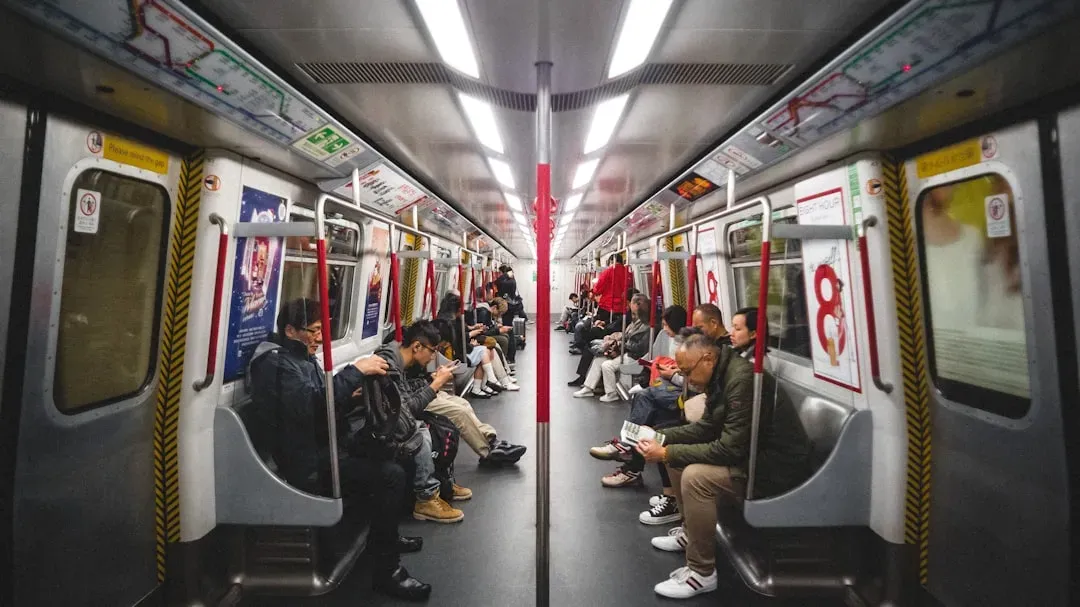
Getting around Henderson requires some planning since it’s very much a car-dependent city. Transportation expenses like bus fares and gas prices are around 11% higher than the national average. That’s something you need to factor into your monthly calculations.
Henderson does have some public transportation options through The Regional Transportation Commission of Southern Nevada, with regular fares starting at $4 and 30-day passes costing $65. If you can get by without a car, that monthly pass represents serious savings compared to vehicle ownership.
Yet most residents do need a vehicle. You can expect to pay at least $10,356 per year on transportation for one person, which breaks down to roughly $863 monthly. Gas, insurance, maintenance – it all adds up. Honestly, if you can find housing near work or use that bus system effectively, you’ll save substantially.
Shopping Smart For Groceries And Food

Food costs represent another major budget line that you have some control over. Grocery costs in Henderson are around 5% above the national average. It’s not dramatic, yet it’s worth noting when you’re planning your shopping strategy.
A single full-time working adult who cooks their meals and snacks spends around $4,135 per year on food in Henderson, which works out to roughly $345 monthly. That’s actually quite doable if you cook at home and avoid frequent restaurant visits.
Nevada ranks second in the nation when it comes to weekly grocery costs, with the average Nevadan paying substantially more monthly compared to a few years ago. Shopping at discount stores like WinCo or taking advantage of sales at mainstream grocers becomes essential. Skip the organic aisle when possible, buy generic brands, and plan meals around what’s on sale that week.
Understanding The True Cost Of Living Picture

When you add everything together, the numbers tell an interesting story. The average cost of living in Henderson is around 10.6% higher than the national average. That might sound discouraging at first glance, yet remember that no state income tax factor.
Henderson’s 2025 cost of living is around $2,588 per month for singles, which is approximately 5% higher than the U.S. national average. You’re right at that edge with a $2,500 budget, which means every decision matters and there’s not much room for extravagance.
Henderson’s housing expenses are around 30% higher than the national average, though utility prices are roughly 5% lower than the national average. The housing premium is what really drives up costs, yet if you nail that piece of the puzzle with a good rental deal, the rest becomes manageable. I think the takeaway here is that living on $2,500 is absolutely possible, though it requires discipline and smart choices across all spending categories.
Accessing Healthcare Without Overspending

Healthcare represents one area where Henderson actually offers good news for budget watchers. Healthcare in Henderson is around 13% lower than the national average. That’s a welcome break when you’re trying to keep expenses down.
Health care costs in Henderson are more affordable than the US average. Whether you need routine doctor visits or occasional urgent care, you’ll generally pay less here than in many comparable cities. That doesn’t mean healthcare is cheap, just relatively more affordable.
Access to care is decent, with multiple hospital systems and clinics throughout the area. For someone on a tight budget, finding a good primary care doctor and maintaining basic preventive care helps avoid expensive emergencies down the road. Insurance through work or the marketplace becomes essential, yet the baseline costs remain reasonable compared to coastal cities.
Making Housing Location Work For Your Budget
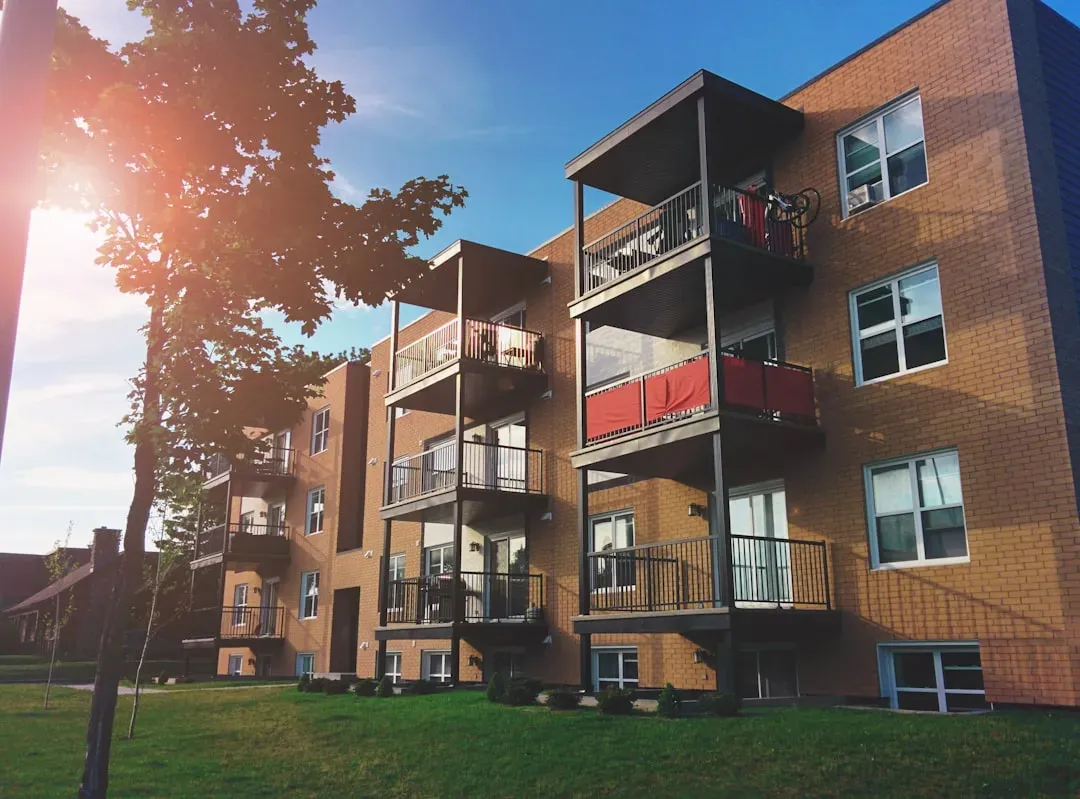
Not all Henderson neighborhoods cost the same, and that’s where opportunity lives. Affordable neighborhoods include areas like Black Mountain, where average rent is around $1,445 per month, appealing for people on a budget due to lower rent prices.
If you’re looking for the lowest cost of living around Henderson, areas like Pittman offer one-bedroom rentals starting at $1,250 and two-bedrooms at $1,350. These neighborhoods might not have the newest amenities or be in master-planned communities, yet they’re safe and functional.
The trade-off is usually age of the property and distance from premium shopping and entertainment. Yet if your goal is living well on $2,500 monthly, these compromises make total sense. You’re still in Henderson with access to all the city offers, just in a more budget-friendly zip code. Sometimes the best financial decision is choosing good enough over perfect.
Maximizing Entertainment And Lifestyle On A Budget

Living well isn’t just about covering basic expenses; it’s about having some quality of life too. Henderson offers surprisingly good options for entertainment that won’t destroy your budget. The city has over 70 parks and more than 220 miles of trails, all free to enjoy.
Henderson has abundant outdoor beauty to offer, though if you’re a gym-goer, prepare to shell out another $23.66 on monthly membership fees. The desert landscape provides endless hiking, biking, and outdoor activities that cost nothing beyond your time and energy.
Proximity to Las Vegas means you can occasionally tap into shows, restaurants, and attractions when your budget allows. Yet day-to-day life in Henderson offers a quieter, more affordable alternative. Library cards are free, community events happen regularly, and the weather cooperates most of the year. Honestly, if you’re creative about recreation, you won’t feel deprived even on a modest budget.
Building A Realistic Monthly Budget That Works

Let’s put together what a realistic $2,500 monthly budget might actually look like in Henderson. Start with housing around $1,300 to $1,450 for a modest one-bedroom in an affordable neighborhood. Add roughly $200 to $250 for utilities including basic internet.
Food costs around $350 if you cook at home and shop smart. Transportation depends heavily on whether you have a car, yet if you must, budget around $200 for gas, insurance, and maintenance on an older paid-off vehicle. That leaves maybe $300 to $400 for everything else: personal care, entertainment, phone service, emergencies.
It’s tight, no question about it. You’re not taking lavish vacations or eating out multiple times weekly. Yet thousands of Henderson residents make it work by being intentional with every dollar. The no state income tax helps enormously, and if you find a good housing deal, everything else falls into place more easily.
Conclusion: Living Well Within Your Means

Living on under $2,500 monthly in Henderson requires smart choices and some trade-offs, yet it’s genuinely achievable in 2026. The combination of reasonable housing options in certain neighborhoods, no state income tax, relatively affordable healthcare, and manageable utility costs creates a workable equation for budget-conscious residents.
The key is prioritizing what matters most. Find housing that’s affordable rather than perfect, cook at home more than you eat out, take advantage of free recreation, and use public transit when possible. Henderson won’t hand you an easy ride, yet it doesn’t make living on a modest income impossible either.
What’s your take on stretching a budget this way? Could you see yourself making these choices to live in a city with great weather and no state income tax?