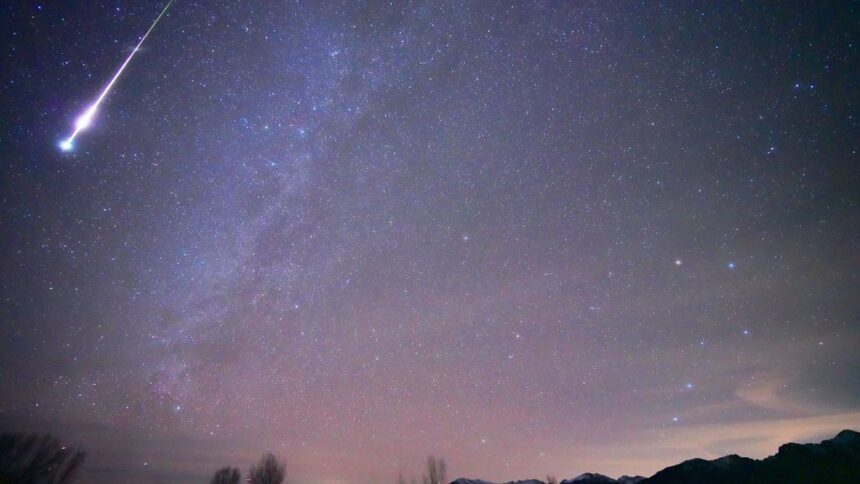
Ever looked up at the night sky and felt something stir inside? Like we’re part of something way bigger than our daily routines? That feeling is about to get a whole lot stronger this year. Because honestly, 2025 is shaping up to be one of those years where the cosmos puts on a show that you’ll want to witness firsthand.
From meteor showers that light up the darkness to eclipses that make the sun and moon perform their ancient dance, there’s a lineup of astronomical events that’ll make you want to stay up late or wake up ridiculously early. Some of these happen regularly, sure. Others are genuinely rare chances that won’t come around again for years or even decades.
Quadrantid Meteor Shower Kicks Off the Year
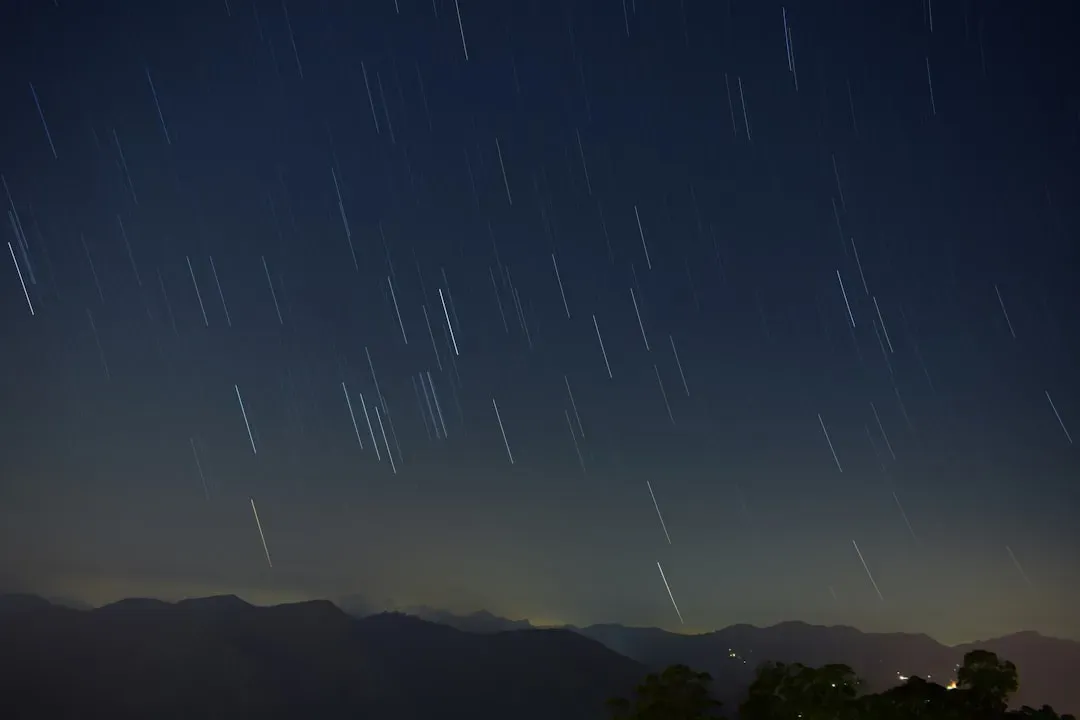
The Quadrantids peaked on the night of January 4, 2025, with a possible rate of up to 120 meteors per hour at the maximum. Here’s the thing about this particular shower: it’s incredibly short. The Quadrantids reach their maximum at a specific time, and anywhere from 60 to 120 meteors per hour might be seen by a single observer watching from a dark sky site. The International Meteor Organization says this is one of the strongest meteor showers this year, and it’s also one of the few caused by debris from an asteroid. Most people think meteor showers come from comets, so the Quadrantids are already doing things differently.
Mars at Opposition Brings the Red Planet Close
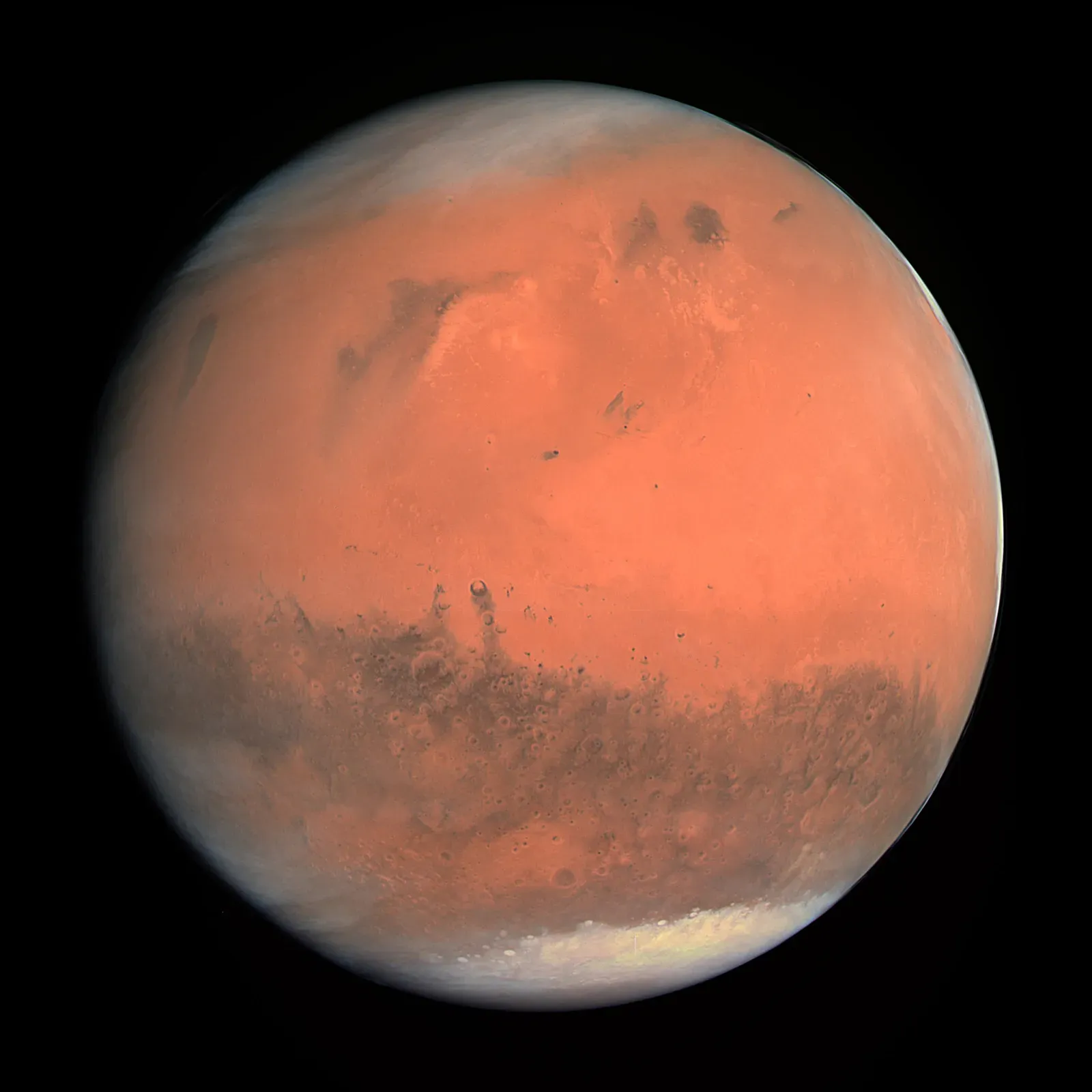
Mars reached opposition on January 16, making it the brightest and most visible of the entire year, the best time to try to see the red planet. When Mars reaches opposition, it is closest to Earth, and the Red Planet was visible all night during every cloud-free night of January, appearing red or orange in the sky among a sea of countless white stars. It’s hard to believe that reddish dot in the sky is actually a whole world with mountains, canyons, and dust storms. Sometimes I think we forget just how wild it is that we can see other planets just by looking up.
Partial Solar Eclipse Creates a Celestial Crescent
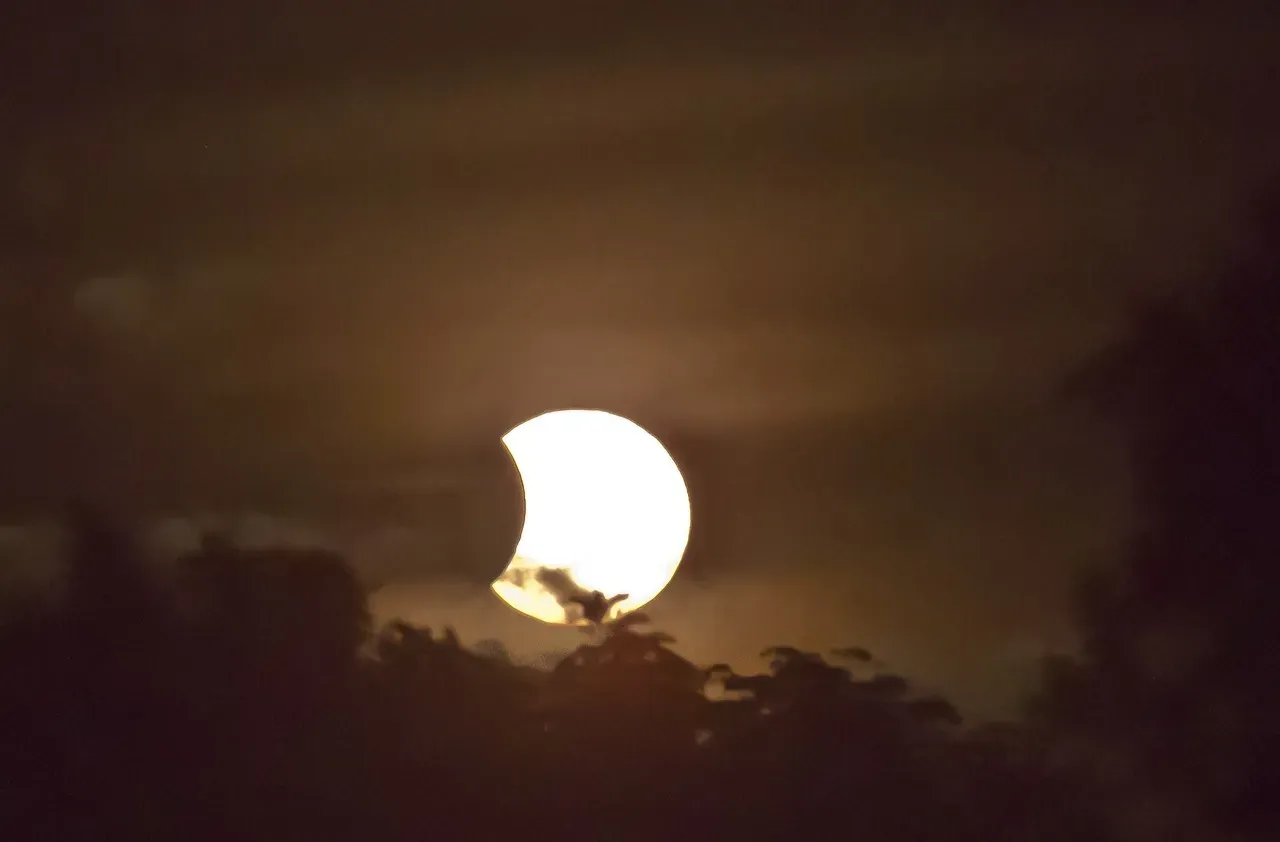
The first solar eclipse of 2025 took place on March 29, beginning at 8:50am GMT and concluding at 12:43pm GMT. The Moon passed in front of and partially blocked the Sun, casting a shadow on parts of the Northern Hemisphere, though no one was able to see a total solar eclipse this time. The point of greatest eclipse occurred in Nunavik, Quebec, where the Moon hid 94 per cent of the Sun at the eclipse’s peak. For those lucky enough to be in the path, the sun looked like someone took a bite out of it. The partial eclipse was visible for parts of the northeastern United States, eastern Canada, Greenland, Europe, northwest Africa, and northwestern Russia.
Lyrid Meteor Shower Delivers Ancient Fireworks
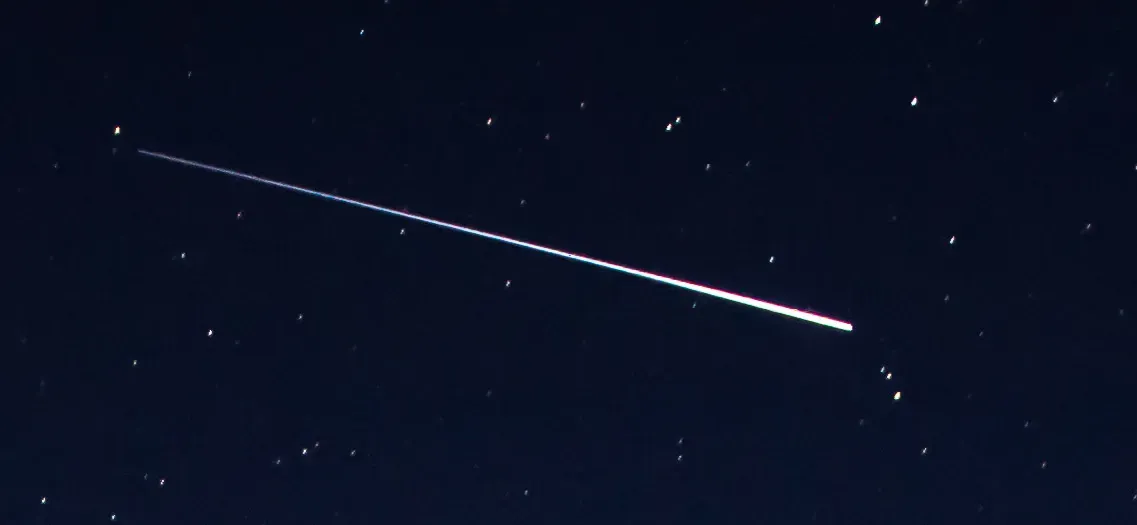
The Lyrid meteor shower was visible from April 16 to 25, peaking on April 22, and although it’s far from one of the most active yearly meteor showers, the Lyrids can still dazzle with some meteors having bright dust trails that glow in the sky for several seconds. The Lyrids are caused by debris from Comet C/1861 G1 Thatcher, which does a lap of the Sun once every 415 years, and it’s the oldest recorded meteor shower still visible today, first recorded in 687 BCE. Let’s be real, watching meteors that have been noticed by humans for nearly three thousand years hits different. On the peak night of April 22 into the morning of April 23, the Moon was below the horizon until around 4am BST, making conditions ideal to observe the peak.
Perseid Meteor Shower Battles a Bright Moon
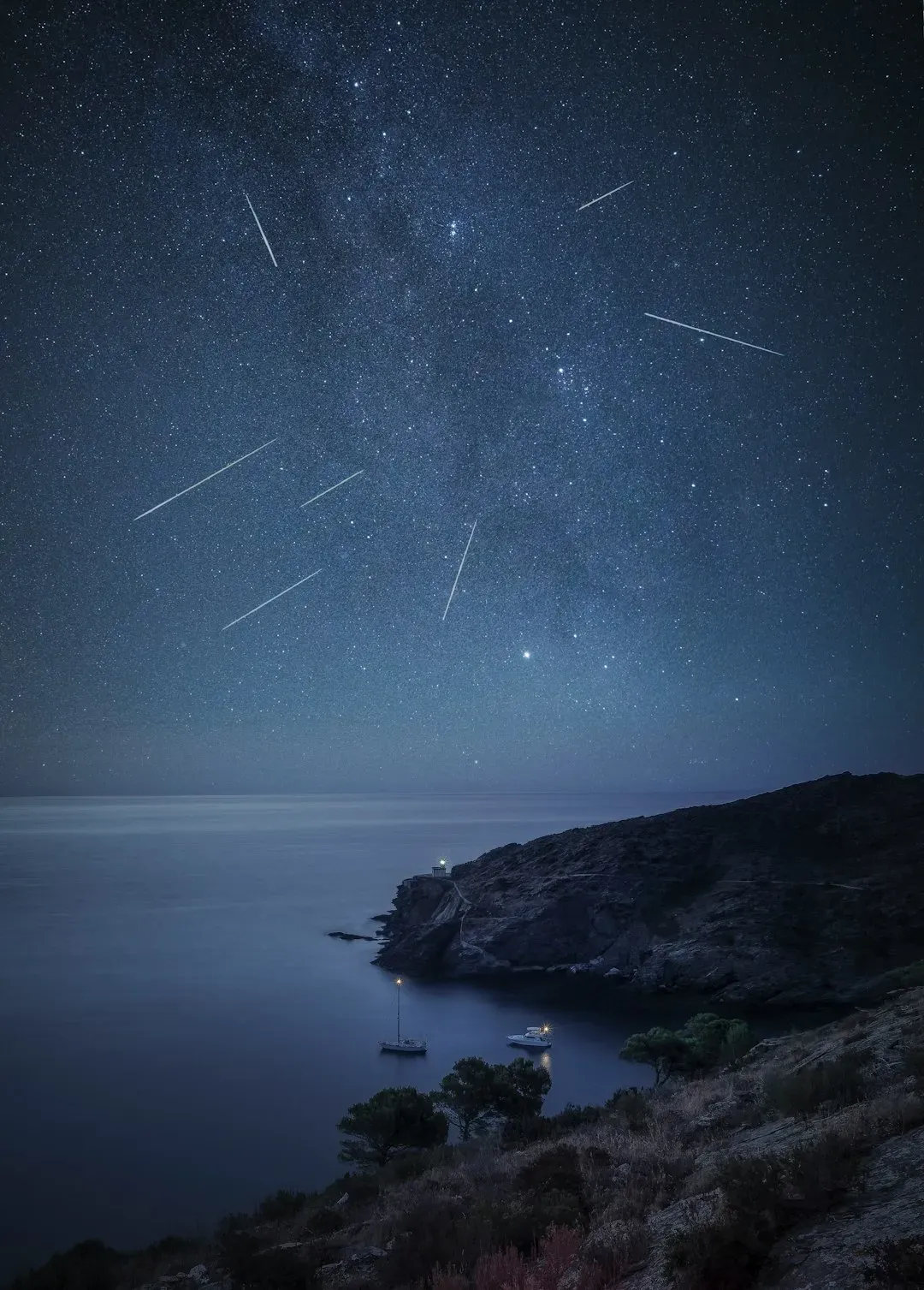
The Perseid meteor shower was active from July 17 to August 24, producing its peak rate of meteors around August 12. Skywatchers in the Northern hemisphere could see fewer than half the number of meteors usually seen on a dark summer night during the shower’s peak, with the average person under dark skies seeing somewhere between 40 and 50 Perseids per hour. The catch? This year the famous meteor shower was hindered by a bright gibbous moon, which rose around 9:20pm on the evening of August 11 and 9:45pm on the evening of August 12, obscuring many of the fainter meteors. Still, the Perseids are famous for a reason. The Perseids occasionally produce brilliant fireballs or meteors that appear to explode in mid-flight called bolides, and such meteors can be quite spectacular, bright enough to attract attention even in the moonlight.
Partner offer
Planetary Parade Lines Up Six Worlds at Once
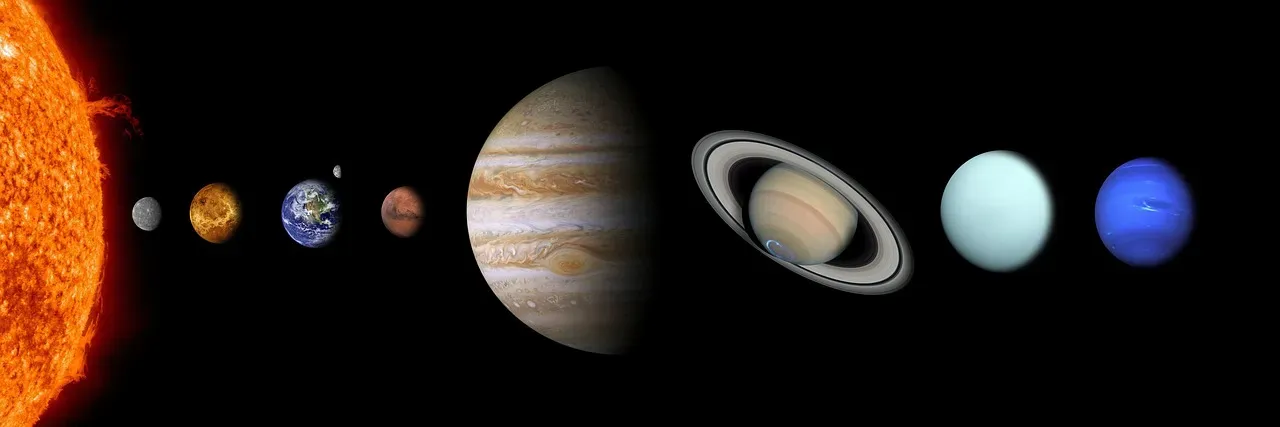
In August, a planetary alignment featured six planets – Mercury, Venus, Jupiter, Saturn, Uranus and Neptune. Six Planet Alignments are uncommon, occurring on average only once every 10 to 20 years, with the last six planet alignment of similar magnitude occurring in May 2011. In August 2025, six planets and the Moon were visible in the sky, and the planet alignment was best seen on the mornings of August 18 and 19, before sunrise. This August alignment was even more impressive due to the Venus-Jupiter conjunction, with the planets only about 0 degrees 52 minutes apart on August 12. I know it sounds crazy, but seeing multiple planets in one glance really makes you appreciate the clockwork of our solar system.
Draconid Meteor Shower Offers Evening Surprise
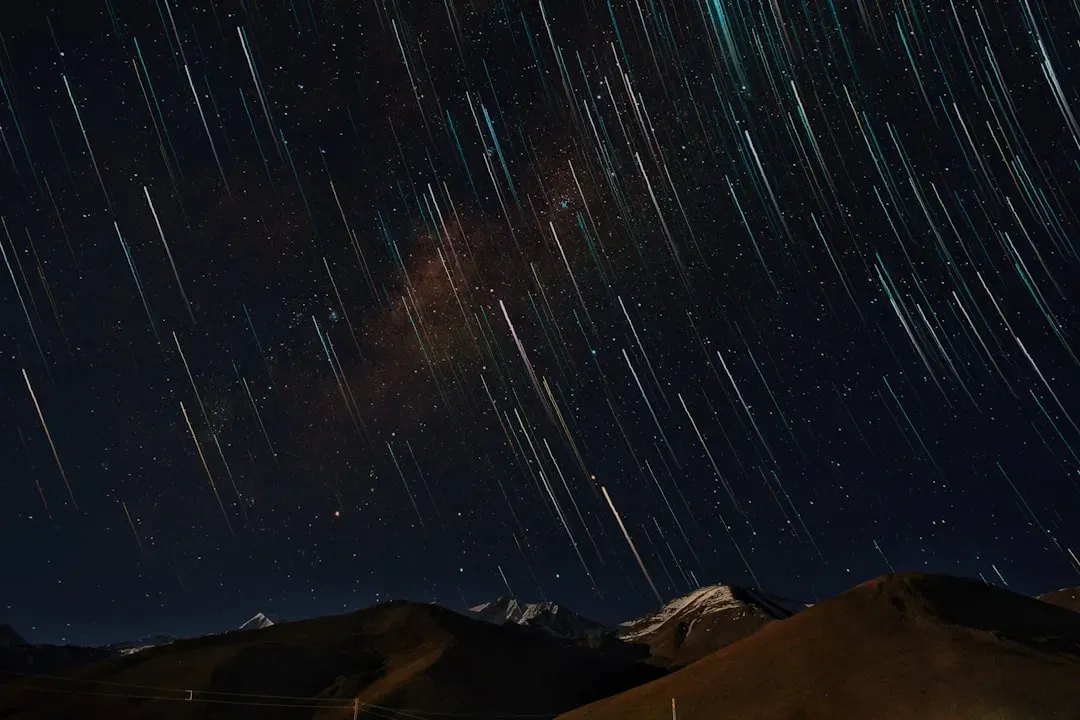
Most of the time, the Draconid meteor shower is one of the lesser celestial events, generating no more than ten meteors per hour during its peak, but in rare cases, the shower produces something much more fantastic: a meteor outburst with higher rates of shooting stars streaking across the sky, and astronomers say this just might be one of those years. The Draconids are produced by dust grains left behind by comet 21P Giacobini-Zinner, which was first discovered in 1900, and the Draconids are an unusual shower in that the best viewing is in the early evening instead of early morning like most other showers. The most recent Draconid outburst happened in 2018, when 21P/Giacobini-Zinner had just passed its perihelion, and that year, European viewers reported upwards of 100 meteors per hour.
Orionid Meteor Shower Brings Halley’s Comet Legacy
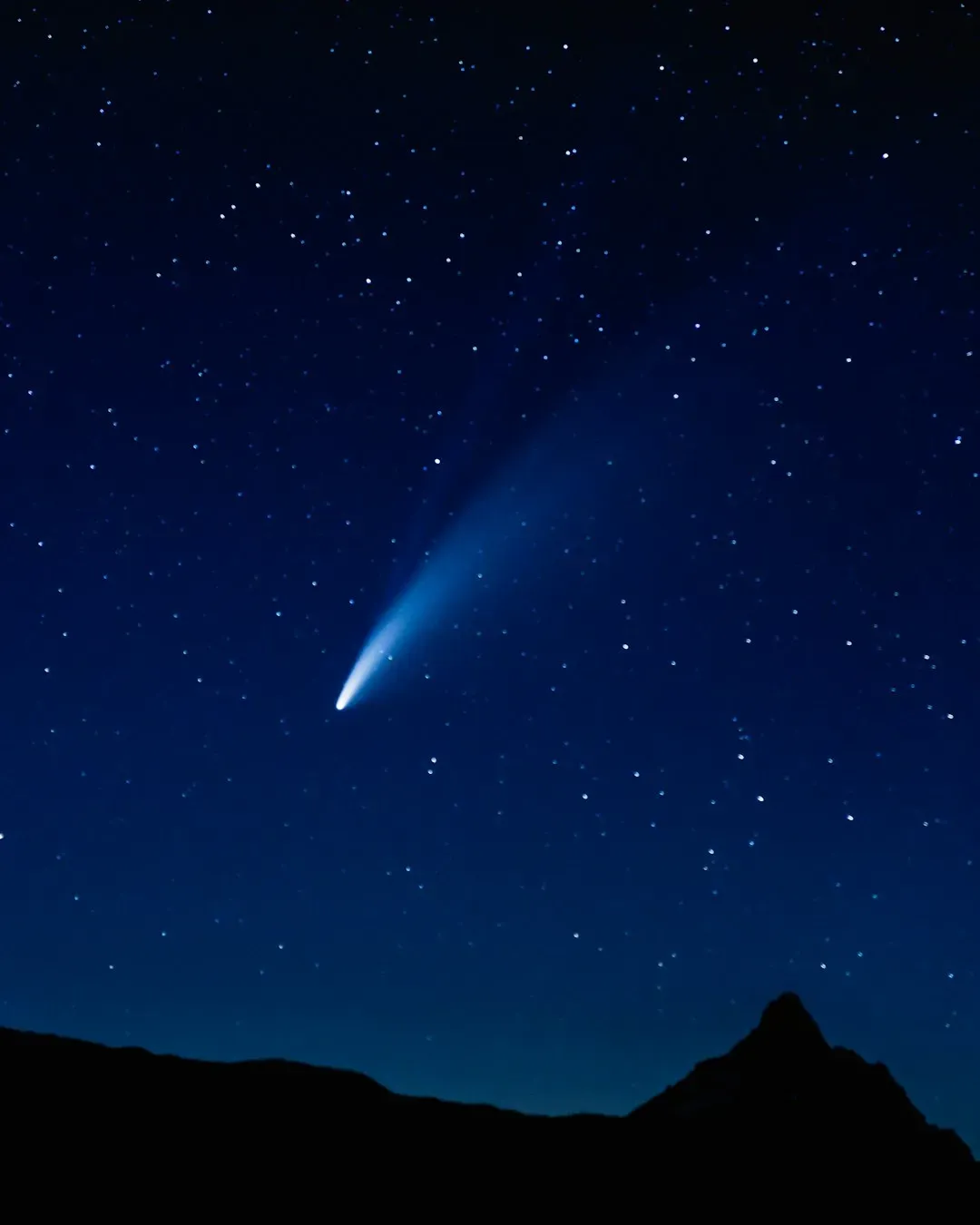
The Orionid meteor shower peaked on October 21, and this shower peaked during a new Moon, making for excellent viewing. The Orionids are a medium strength shower that sometimes reaches high strength activity, producing roughly 10 to 20 shower members at maximum in a normal year, though in exceptional years such as 2006 to 2009, the peak rates were on par with the Perseids at about 50 to 75 per hour. These meteors are actually tiny pieces of Halley’s Comet burning up in our atmosphere. Every time you see an Orionid streak across the sky, you’re watching debris from one of the most famous comets in history.
Supermoons Light Up Autumn Nights
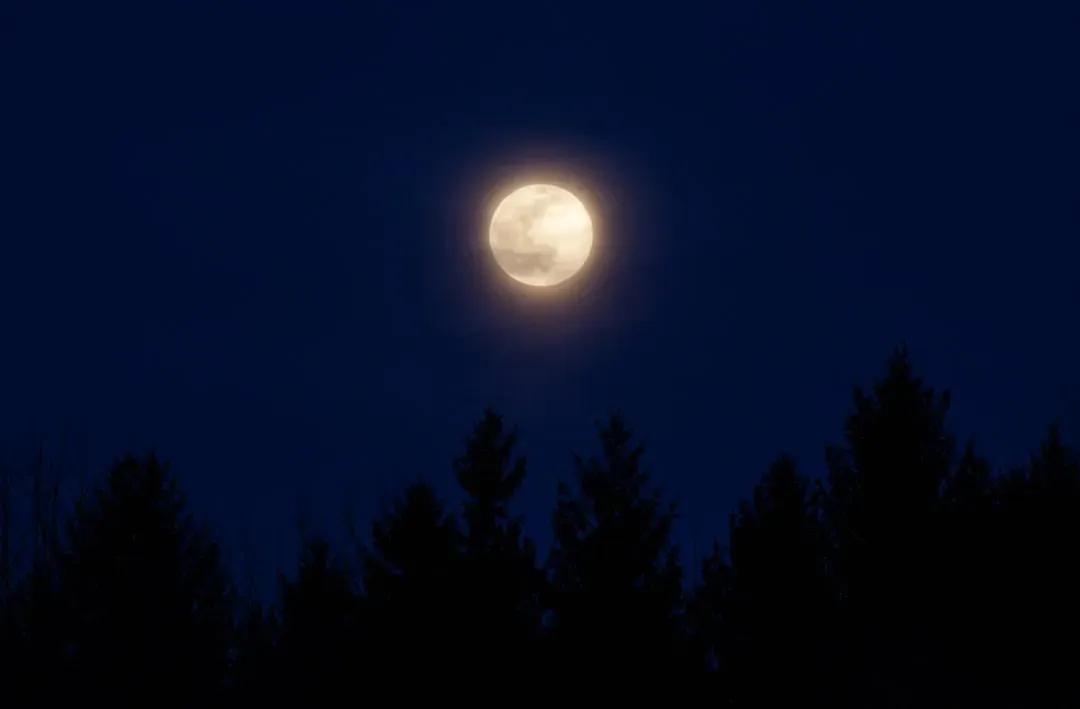
In October, the first of three supermoons for 2025 occurred, when the Moon was near its closest approach to the Earth and appeared slightly larger and brighter than usual. November brought the second supermoon of 2025, again with the Moon near its closest approach to the Earth, looking slightly larger and brighter than usual. December featured the last of three supermoons for 2025, once more with the Moon near its closest approach to Earth and appearing slightly larger and brighter than usual. Honestly, the difference isn’t always dramatic to the naked eye, but there’s something special about knowing the moon is putting its best foot forward.
Geminid Meteor Shower Delivers December Fireworks
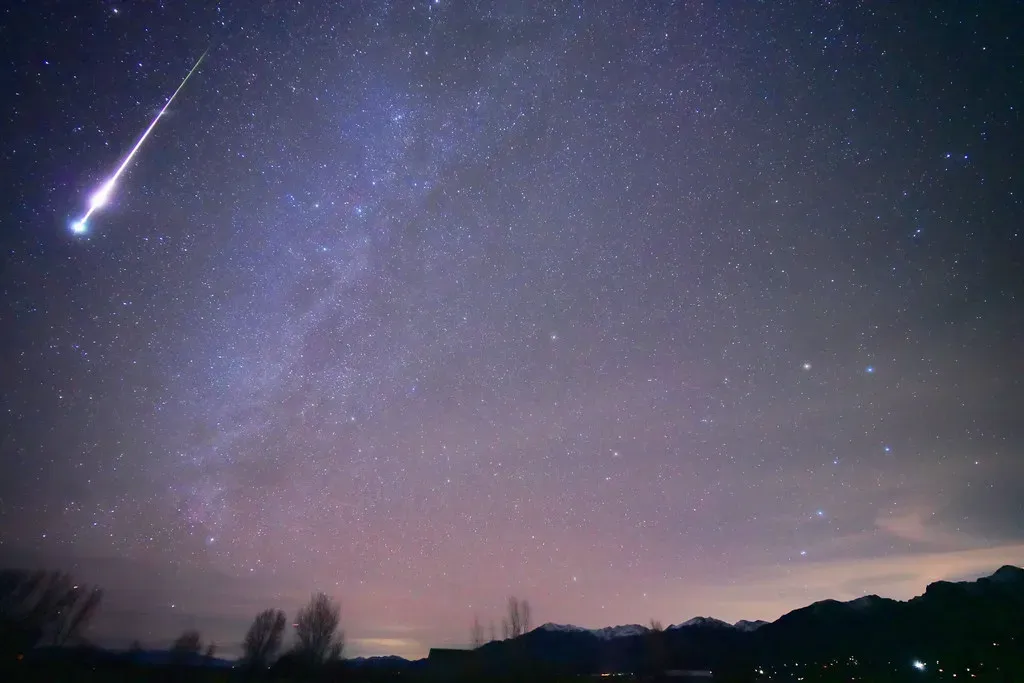
The Geminid meteor shower, often called the year’s most reliable shooting star show, peaked across the night of December 13 to 14 with minimal moonlight for much of the prime viewing window. One of the best celestial light shows of the year unfolded on the night of December 13 into December 14 as the Geminids peaked, and experts say 2025 was a particularly good year for the annual meteor shower as it occurred on a moonless night, allowing stargazers to see as many as 120 shooting stars per hour. The Geminids are linked to asteroid 3200 Phaethon rather than a classic icy comet, and Geminid meteors are widely described as bright and can appear yellowish or even multi-colored depending on composition and how they burn up.
Ursid Meteor Shower Closes Out the Year
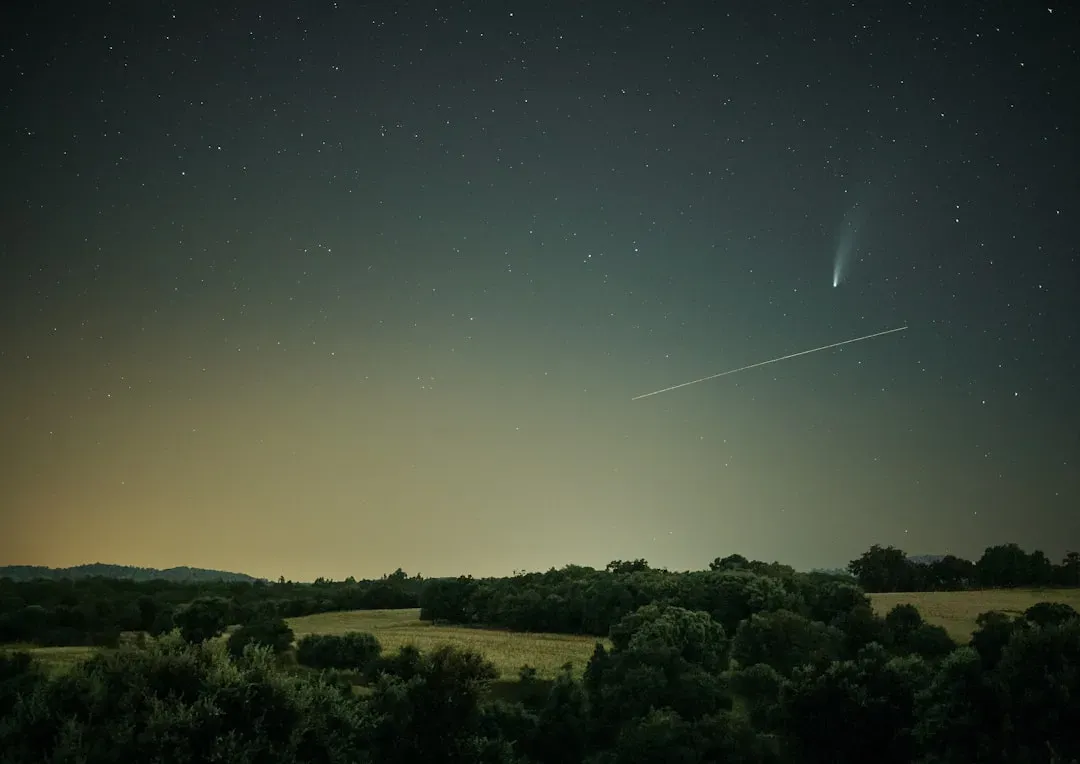
The final meteor shower of the year is the Ursids, which peaked the night of December 21 into the early morning hours of December 22, with the moon being a barely visible waxing crescent guaranteeing dark skies, and the meteor shower peaked during the winter solstice. The winter solstice marks the longest night of the year, creating the perfect opportunity for sky-gazers. The Ursids’ hourly rate is about 5 to 10 meteors per hour, lower than that of the Geminid shower which peaked over a week before, however it’s had an occasional outburst of 100 meteors per hour, so the Ursids are worth a look.
The sky has this way of reminding us that we’re spinning through space on a little blue marble. These celestial events aren’t just pretty light shows. They’re connections to the broader universe, to ancient comets that have been circling the sun for millennia, to planetary dances that have been happening since long before humans existed. Did you catch any of these events this year? Which one surprised you the most?
Partner offer
Planning a trip to Vegas?
Compare hotel rates and show tickets on VEGAS.com.