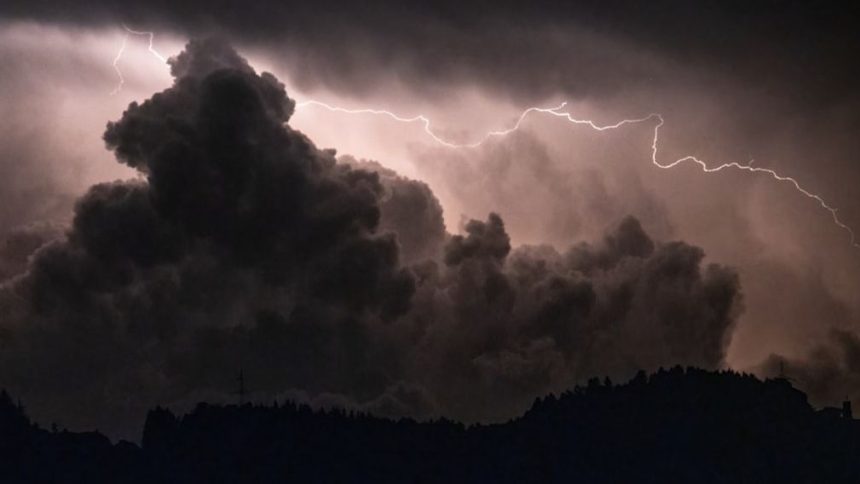
Most people think about music as something that comes purely from the heart. A melody, a beat, a lyric born in a moment of inspiration. Honestly, that’s true. But here’s the thing: those moments of inspiration have very often been triggered, shaped, or completely redirected by something as fundamental as the sky above.
Weather is not a passive backdrop to the human story. Throughout the centuries, storms, floods, droughts, blizzards, and relentless heat have pushed musicians to places they never would have gone without nature’s heavy hand. The results have been some of the most enduring, emotionally raw, and historically significant music ever recorded.
From ancient classical compositions designed to make listeners feel a thunderstorm to rock and roll stars dying mid-tour because a blizzard made a tour bus unbearable, the connection between weather and music is deeper than most fans ever realize. Let’s dive in.
The Great Mississippi Flood of 1927 and the Birth of the Blues Explosion
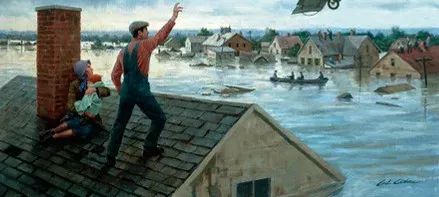
Few weather events have ever reshaped an entire musical landscape the way the Great Mississippi Flood of 1927 did. The Mississippi River flood of 1927 was the most destructive river flood in U.S. history, reshaping the social and cultural landscape as well as the physical environment. It was not merely a natural disaster. It was a cultural earthquake.
Heavy rains had swept the Mississippi River Valley from August 1926 until the following spring, causing the river to overflow. By mid-April, the New York Times reported that 7,500 square miles of the Mississippi Valley were underwater and 60,000 people had lost their homes. The flood eventually affected some 27,000 miles of land, mostly in the South. The scale of displacement was almost impossible to comprehend.
The devastation produced the richest groundswell of blues recordings following any environmental catastrophe in U.S. history, with more than fifty songs by countless singers evoking the disruptive force of the flood and the precariousness of the levees originally constructed to protect cities. Blues artists like Charley Patton captured the fear in “High Water Everywhere,” while Memphis Minnie and Kansas Joe McCoy sang “When the Levee Breaks.” Decades later, this song transformed from a blues lament into one of rock’s most iconic tracks when Led Zeppelin reimagined it in 1971.
Thousands of African Americans would later leave these refugee camps or bypass them altogether to pursue new lives in northern towns and cities, accelerating the Great Migration. Historians often credit this migration with accelerating the spread of jazz, turning it into a national and eventually global phenomenon. A flood did not just inspire songs. It moved an entire culture northward, reshaping the American musical map forever.
Beethoven’s Thunderstorm and the Birth of Program Music
Ludwig van Beethoven’s Symphony No. 6, the Pastoral Symphony, stands as one of the clearest examples of weather transforming music. Beethoven loved nature, often taking long walks in the countryside for inspiration. His relationship with the natural world was not decorative. It was foundational to everything he created.
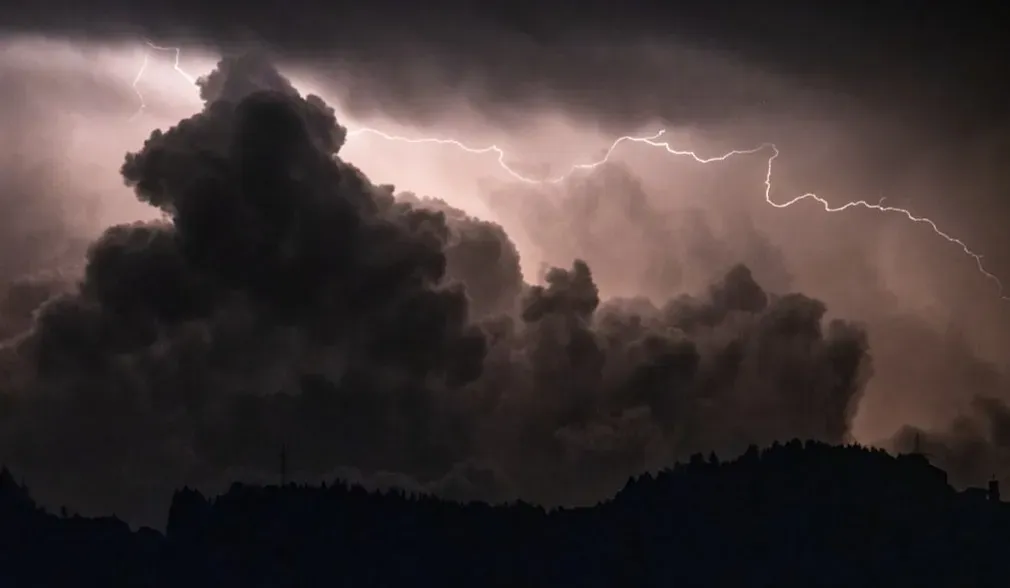
In the fourth movement, he composed a thunderstorm using swirling strings and booming percussion, capturing the drama and unpredictability of a real storm. Critics and historians have pointed to this as an early instance of “program music,” where sound is used to tell a vivid story. Audiences, then and now, are swept away by the emotional force of Beethoven’s musical weather.
This symphony not only demonstrates the impact of weather on creative minds but also highlights how deeply listeners crave a sonic reflection of the world around them. The storm in Symphony No. 6 remains a staple in concert halls, reminding us of nature’s power to move both composers and audiences. Think of it this way. Before film, before television, this was the closest ordinary people could come to experiencing a thunderstorm from the safety of their seat. That was genuinely revolutionary.
Vivaldi’s Four Seasons and the Weather as Musical Architecture
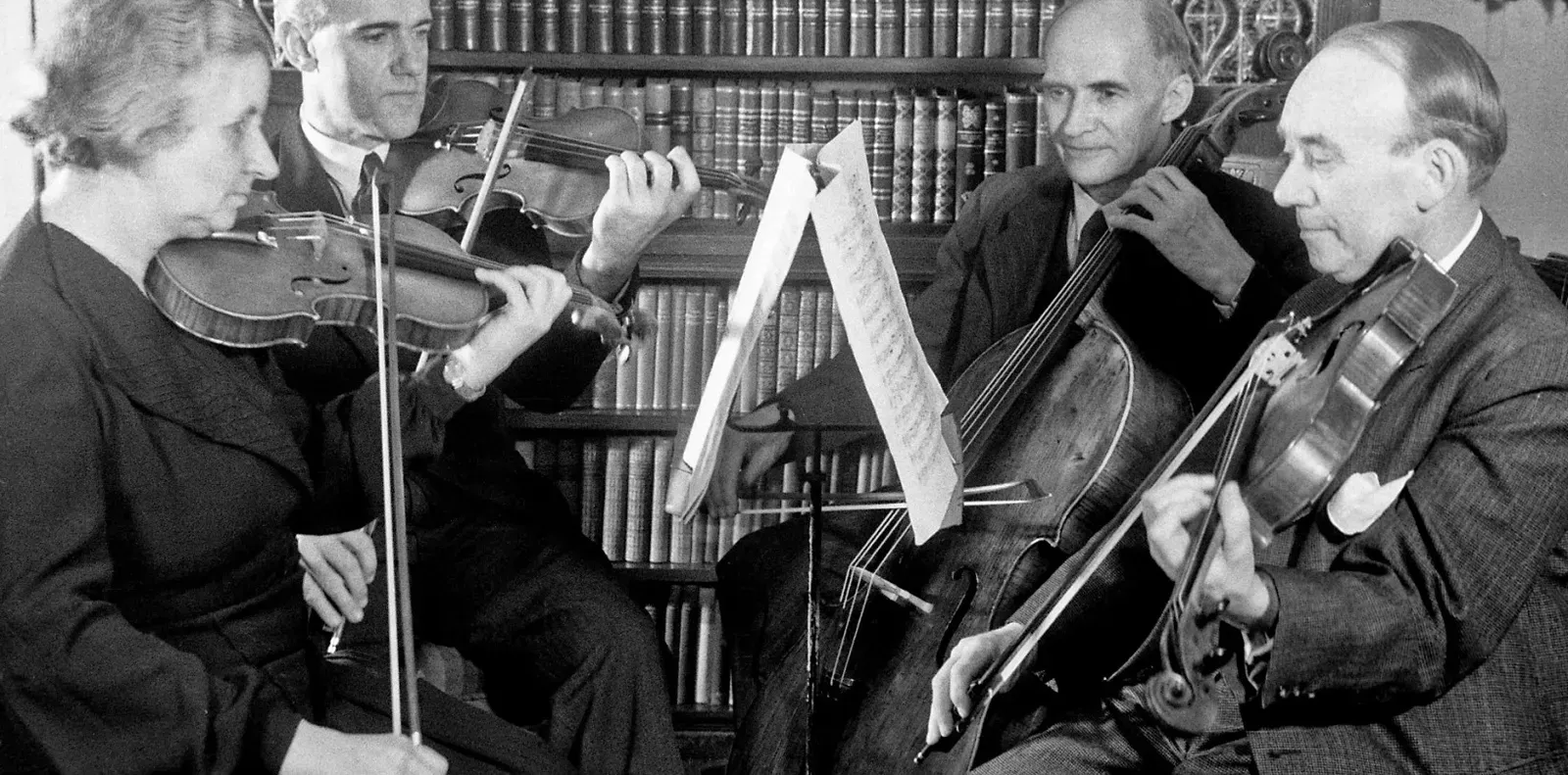
Antonio Vivaldi’s “Four Seasons,” composed in the early 18th century, stands as a musical tribute to the changing weather. Each of the four concertos, Spring, Summer, Autumn, and Winter, captures the mood and sounds of its respective season. Vivaldi used quick violin runs to mimic storms, gentle pizzicato to evoke icy rain, and joyful melodies to represent blooming fields. This was music as meteorology, centuries before the science existed.
The music’s vivid imagery helped listeners imagine the weather’s shifts, long before film or photography could do the same. “The Four Seasons” remains one of the most performed pieces in classical music, inspiring generations of composers to paint with sound. Its lasting popularity is proof of how deeply weather can move and motivate artists.
I think what makes Vivaldi’s achievement so stunning is the specificity. He did not just write “nice weather music.” He wrote precise sonic descriptions of hailstorms and lazy summer afternoons and the crunch of frozen ground. Scientists have cataloged and analyzed depictions of weather in classical music from the 17th century to the present day to help understand how climate affects how people think, work that was carried out by scientists at the Universities of Oxford and Reading. Vivaldi was centuries ahead of that conversation.
The Dust Bowl and Woody Guthrie’s Folk Revolution

The 1930s Dust Bowl is one of the most severe environmental catastrophes in North American history, and it produced one of the most important musical figures the continent has ever seen. The Dust Bowl of the 1930s brought relentless drought and dust storms, forcing thousands of families to abandon their homes. Woody Guthrie, himself displaced by these events, became the voice of the era’s struggles. His “Dust Bowl Ballads” are filled with vivid images of swirling dust, cracked earth, and the heartbreak of migration.
By documenting the weather’s toll on real people, Guthrie helped cement folk music’s role as social commentary and collective memory. The drought was one of the worst in U.S. history. Crops failed, wells dried up, and the Delta cracked under relentless heat. Bluesman Son House recorded “Dry Spell Blues,” a desperate plea for rain, while country and folk artists across the South sang Dust Bowl ballads of hardship and migration.
Weather as a creative catalyst is one thing. Weather as a force that strips away everything comfortable and forces artists to confront raw human suffering is something else entirely. Guthrie did not choose the Dust Bowl as a theme. The Dust Bowl chose him. A good portion of Delta blues and country music grew out of that same ground, sharing stories of families who just kept going. That resilience became the backbone of American folk music.
The Winter Storm That Created “The Day the Music Died”

Here is one of the starkest examples of weather directly changing . On February 3, 1959, American rock and roll musicians Buddy Holly, Ritchie Valens, and “The Big Bopper” J. P. Richardson were all killed in a plane crash near Clear Lake, Iowa, together with pilot Roger Peterson. The date became legendary. The cause was weather.
The long journeys between venues on board the cold, uncomfortable tour buses adversely affected the performers, with cases of flu and even frostbite. After stopping at Clear Lake to perform, and frustrated by the conditions on the tour buses, Holly chose to charter a plane to reach their next venue in Moorhead, Minnesota. The unheated tour buses twice broke down in freezing weather, with dire consequences. Holly’s drummer, Carl Bunch, was hospitalized for frostbite to his toes, so Holly decided to seek other transportation.
Investigators blamed the crash on bad weather and pilot error. On Feb. 3, 1959, Buddy Holly, Ritchie Valens and The Big Bopper died in a plane crash during a snowstorm. The event became known as “The Day the Music Died” after singer-songwriter Don McLean referred to it as such in his 1971 song “American Pie.” Without extreme winter cold making the tour bus impossible to bear, three of rock and roll’s brightest lights might never have boarded that plane.
Hurricane Katrina and New Orleans’ Musical Rebirth
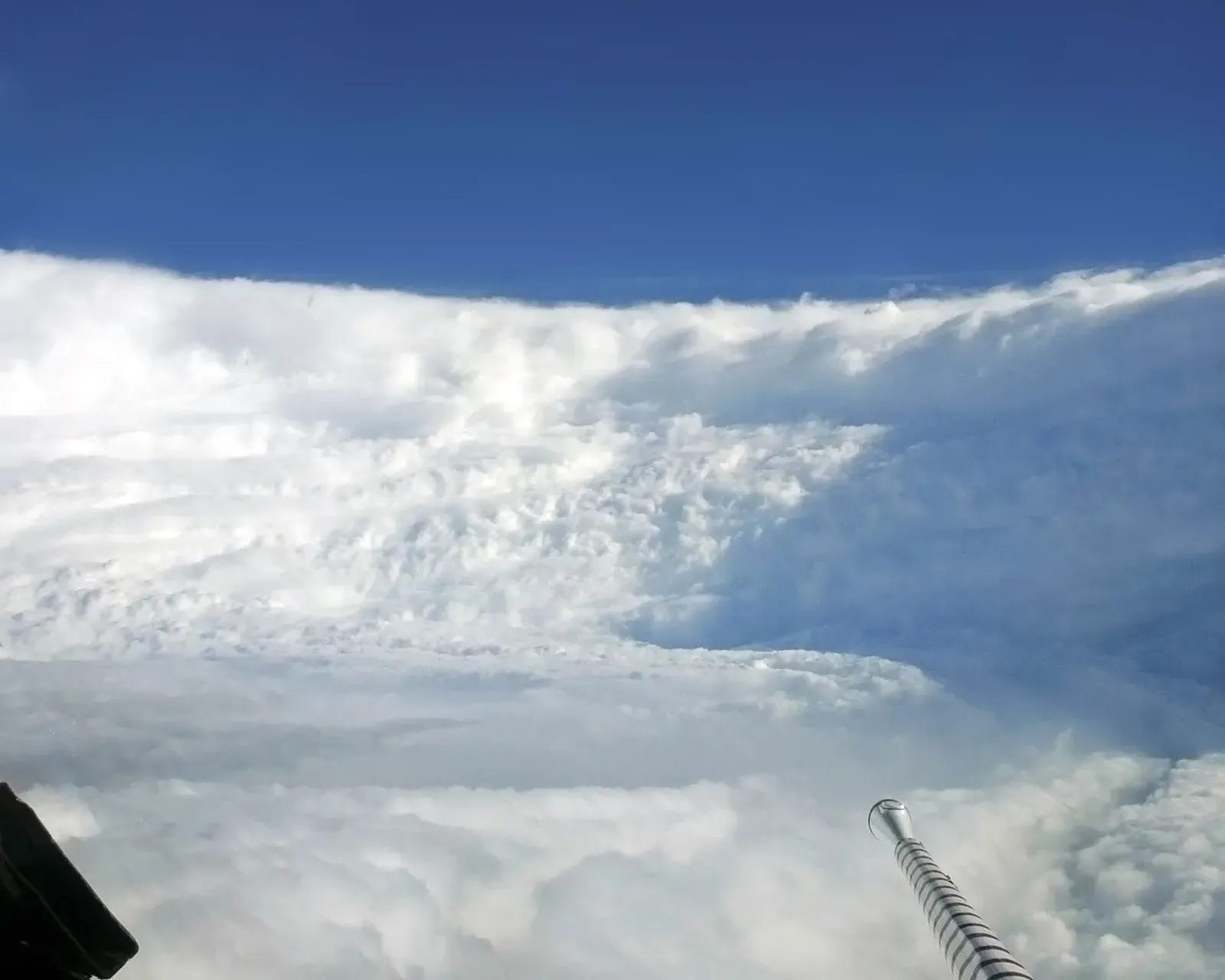
Hurricane Katrina struck New Orleans in 2005, leaving destruction, heartbreak, and silence in a city famed for its sound. Nearly 80% of the city was flooded, with thousands of musicians forced to scatter across the country. For a city whose entire identity was wrapped in music, this was an almost unimaginable blow.
Artists began to channel their pain, anger, and hope into songs that spoke directly to the city’s suffering and spirit. Brass bands, jazz ensembles, and hip-hop artists all found new urgency in their work, reflecting on themes of survival and community. This resurgence was not just a return to tradition but a reinvention, with musicians blending old styles and new influences.
After Hurricane Katrina, many New Orleans blues and jazz singers sang 1927 blues flood songs, illustrating how past interpretations of disasters passed down through popular songs are used to make sense of present disasters and cement cultural identity by associating the destiny of a community to environmental disaster through time. There is something profoundly moving about that. A storm in 1927 gave musicians the language to survive a storm in 2005. Weather-inspired music becoming the emotional toolkit for the next generation of survivors.
The Science Behind Weather and Pop Music Chart Success
It turns out the weather does not just inspire songs. It actually influences which songs become hits. Researchers examined associations between prevailing weather conditions and music features in all available songs that reached the United Kingdom weekly top charts throughout a 67-year period from 1953 to 2019, comprising 23,859 unique entries. The findings were remarkable.
Music features reflecting high intensity and positive emotions were positively associated with daily temperatures and negatively associated with rainfall, whereas music features reflecting low intensity and negative emotions were not related to weather conditions. Put simply, on warmer, sunnier days, upbeat songs climb the charts. Rain suppresses those songs’ popularity. Weather shapes not just what gets created but what gets consumed.
The observed associations depended on the popularity of the music: while songs in the top 10 of the charts exhibited the strongest associations with weather, less popular songs showed no relationship. This suggests that a song’s fit with prevailing weather may be a factor pushing a song into the top of the charts. This is extraordinary. The weather outside your window might genuinely be deciding which song becomes a number one hit this week.
Storms, Hurricanes, and the Hidden History in Pop Song Lyrics
A team of scientists searched through more than 15,000 karaoke songs to learn how people connect to and are inspired by the weather. What they found was a surprisingly direct historical record embedded in popular music. Decades with more severe storms produced music that reflected those storms.
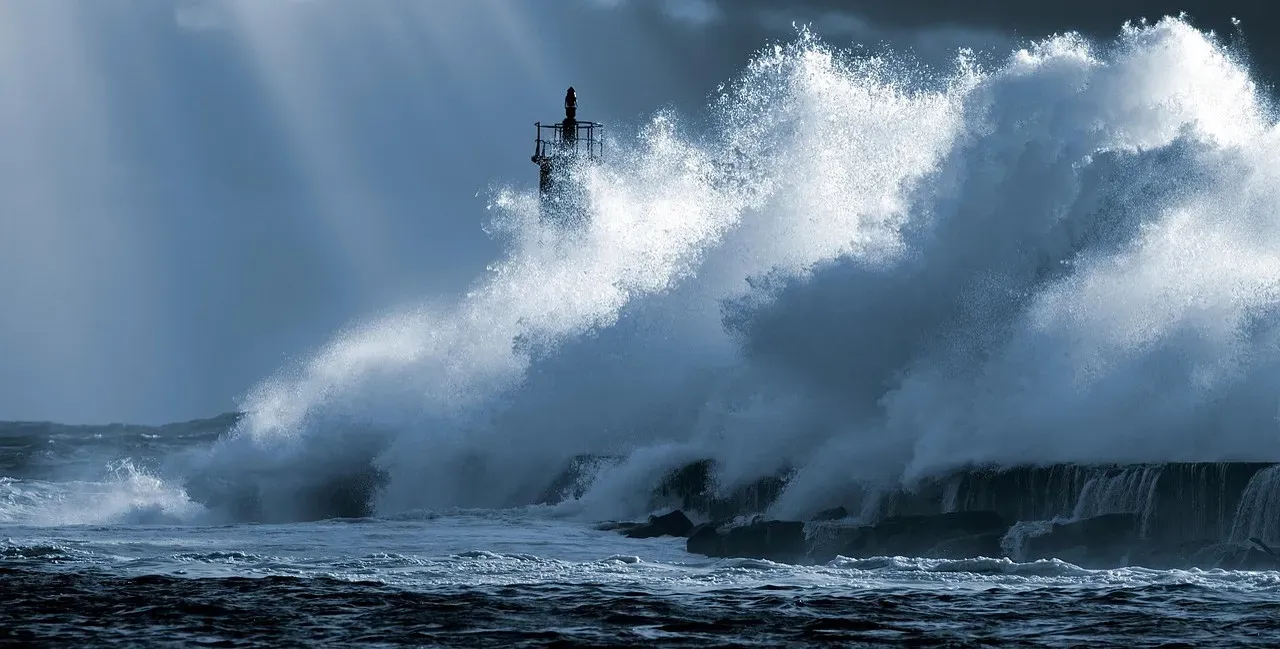
In the 1950s and 1960s, many major storms hit North America, including Hurricane Hazel, which killed more than 1,000 people from Haiti to Toronto in 1956, and Hurricane Betsy, which did one billion dollars in damage along the Gulf Coast in 1965. Nearly three-quarters of the weather-related karaoke songs written in those decades mention storms, wind, rain, or hurricanes, compared to just 46 percent of weather songs in the less stormy 1970s and 1980s.
Over 750 songs have been identified which were found to refer to meteorological phenomena, mainly in their lyrics. Over one third of the songs analyzed referred to either sun or rain, out of a possible 20 weather categories. Artists use weather to describe emotion, for example to mirror the changes in a relationship. In this context, rain was broadly seen negatively and might be used to signify the end of a relationship. Weather is not just a setting in popular music. It is a coded emotional language.
Composers, Climate, and the Oxford Research That Proved the Connection
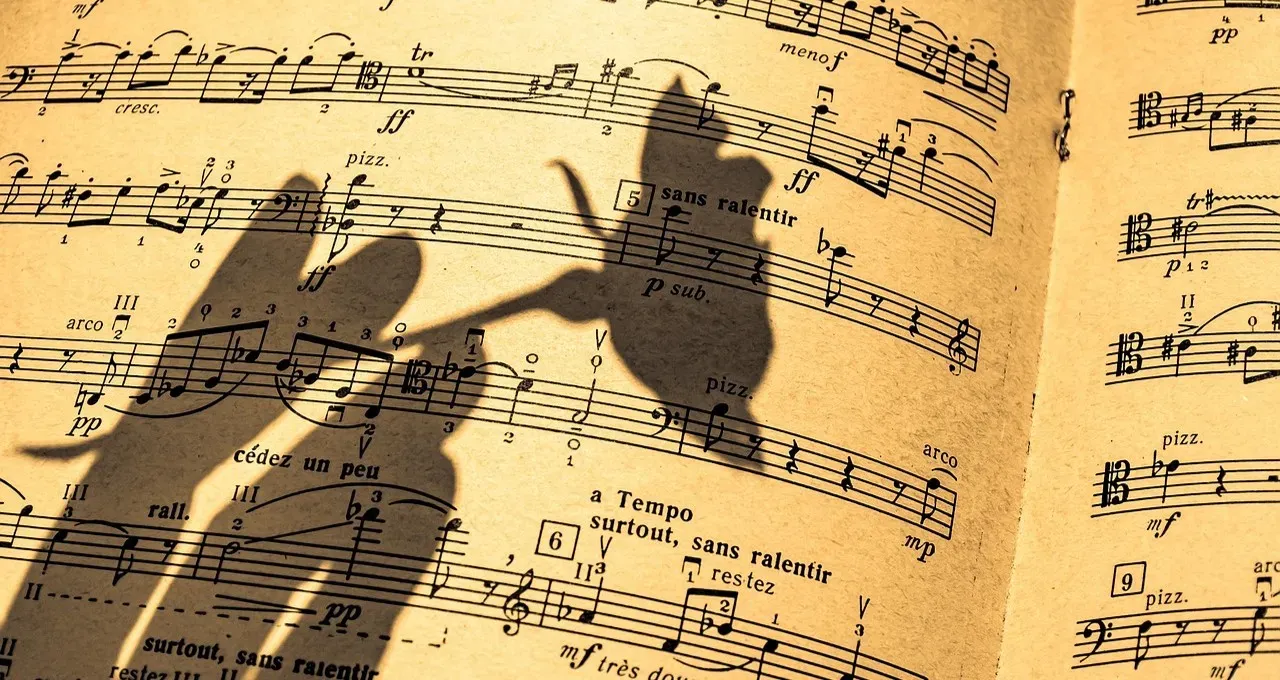
The link between weather and classical composition is not just anecdotal. It has been formally studied. Scientists at the Universities of Oxford and Reading catalogued and analysed depictions of weather in classical music from the 17th century to the present day. Dr Karen Aplin, of Oxford University’s Department of Physics, and Dr Paul Williams, from Reading University’s Meteorology Department, both combine careers as atmospheric scientists with a love of classical music.
Research showed that composers are generally influenced by their own environment in the type of weather they choose to represent. As befits the national stereotype, British composers seem disproportionately keen to depict the UK’s variable weather patterns and stormy coastline. The research showed British composers easily lead the way with musical weather, followed by the French and the Germans.
Strauss needed both sunshine and the Alpine landscape to inspire him. Several other composers, such as Berlioz, Schubert and Wagner, were also dependent on fair weather conditions, associated with high pressure, for their best output. They catalogued more than 40 classical orchestral works with a link between weather and classical music composition. The evidence is not subtle. The weather was not just inspiring what composers wrote about. It was determining whether they could write at all.
Climate Change as Music’s Newest and Most Urgent Muse

Today, the story continues in a new and urgent form. The influence of weather on music is more urgent than ever. As climate change accelerates, musicians are using their art to sound the alarm. Artists like Anohni, Billie Eilish, and Thom Yorke have created songs and albums confronting environmental destruction, rising sea levels, and extreme weather events.
Using a process known as sonification, geoscientist and musician Hirota Nagai turns satellite data collected from the Arctic and Antarctic into a haunting six-minute piece that asks listeners to feel, rather than intellectually understand, the ways that human activity are affecting the planet. Nagai matched the instruments’ melodies with data collected between 1982 and 2022 from four polar locations: an observation site on the Greenland Ice Sheet, a satellite communication facility in the Svalbard archipelago, and two Antarctic research stations. Science and music are merging in ways that would have seemed impossible a century ago.
This trend shows no sign of slowing, as global weather crises continue to shape the creative landscape. Musicians are now among the loudest voices in the call for change, proving that weather’s power to inspire and provoke is as strong as ever. Responses to climate change, especially in America, have become highly politicized, and those responses have seen musicians react to cataclysmic weather events in a myriad of ways ranging from anger to outright political criticism. Weather has always moved music forward. Right now, it may be the most important force doing so.
Conclusion: The Sky Has Always Been the Greatest Songwriter
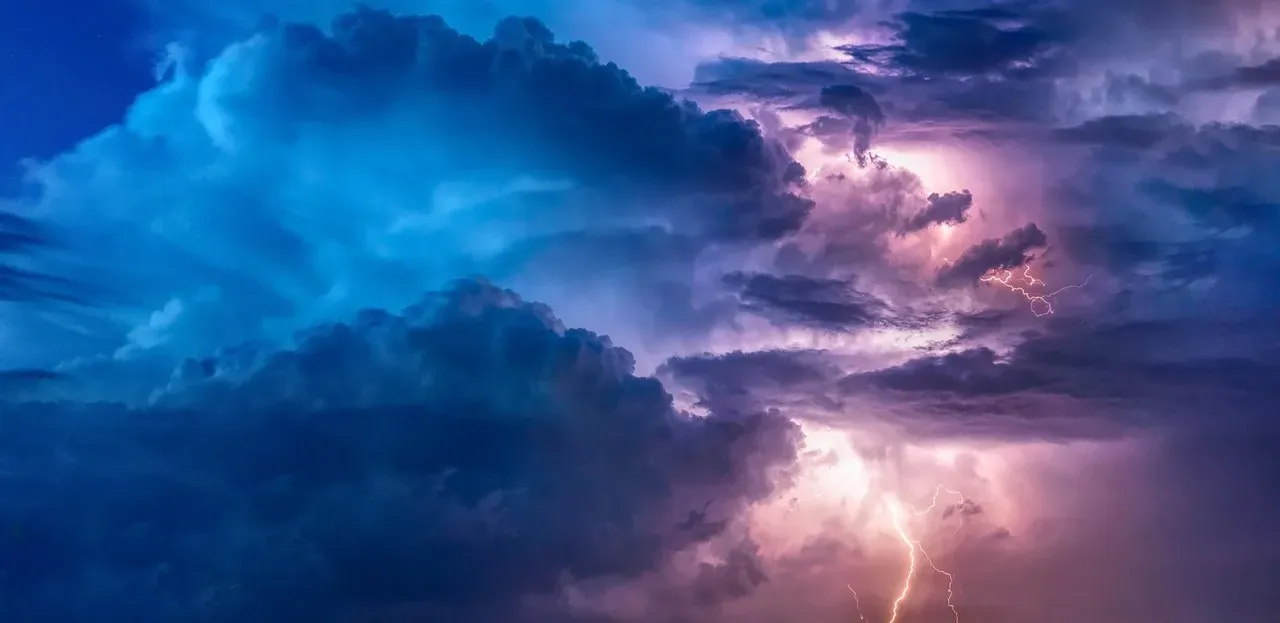
Looking back across these ten chapters, a clear truth emerges. Weather is not background noise in music history. It is one of the primary authors of it. From floodwaters forcing migration and birthing entire genres, to winter storms killing rock legends and changing the trajectory of an era, the atmosphere has had a seat at the creative table for centuries.
Music is influenced by all other aspects of culture, including social and economic organization and experience, climate, and access to technology. Climate is right there alongside economics and society as a shaping force. That is not a small claim. That is history itself acknowledging what artists have always known intuitively.
The rain that fell on the Mississippi Delta in 1926, the snowstorm over Iowa in February 1959, the hurricane winds over New Orleans in 2005. These were not just weather events. They were moments that redirected the entire history of music. Next time you listen to a song that moves you unexpectedly, it is worth asking: what was the sky doing when this was born?
What do you think? Is there a weather event that shaped a piece of music you love? Share your thoughts in the comments below.