Every horror fan thinks they’ve seen it all. The masked killers, the creaking floorboards, the slow pan toward a mirror that reveals something it shouldn’t. But knowing a jump scare happened and knowing the specific details behind it, the year, the director’s trick, the exact moment the tension snaps, are two very different things. This is less a quiz and more a test of memory, the kind that separates casual viewers from people who’ve rewound the same scene a dozen times just to study how it works.
What follows are nine jump scares that have earned their place in horror history, some from decades ago, some from the current wave of films still fresh in theaters. See how many you actually remember versus how many you just think you remember.
1. Cat People (1942) and the birth of the “Lewton Bus”

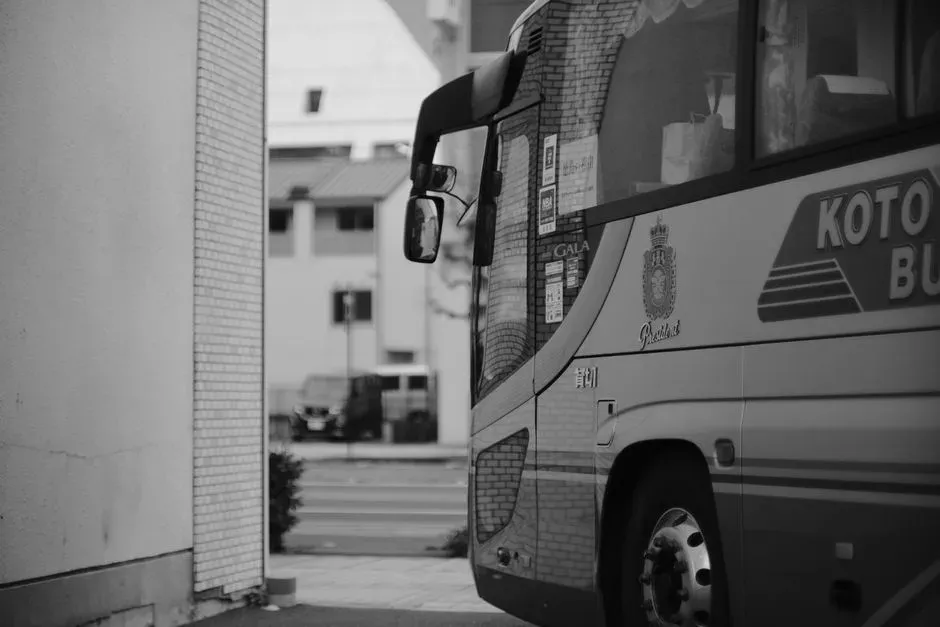
Long before horror had slashers or demons, it had a bus. In Jacques Tourneur’s 1942 film, a woman walking alone at night believes she’s being followed, and the tension builds until a city bus suddenly screeches into frame. The classic jump scare technique was first used in 1942’s Cat People, and has been an effective scare tactic in countless movies since.
The trick became so influential it got its own name. This technique of a jump scare of an object that’s actually non-threatening became known as “the Lewton Bus,” named after the film’s producer Val Lewton, and every time a cat jumps out of a closet, you have him to blame. Nearly every modern “false scare” traces its lineage back to this one moment.
- Director: Jacques Tourneur
- Producer: Val Lewton, whose name still labels this exact scare technique
- Studio: RKO Radio Pictures
- Legacy: Considered the origin point of the “false scare” used in horror ever since
2. Jaws (1975) and the head in the boat

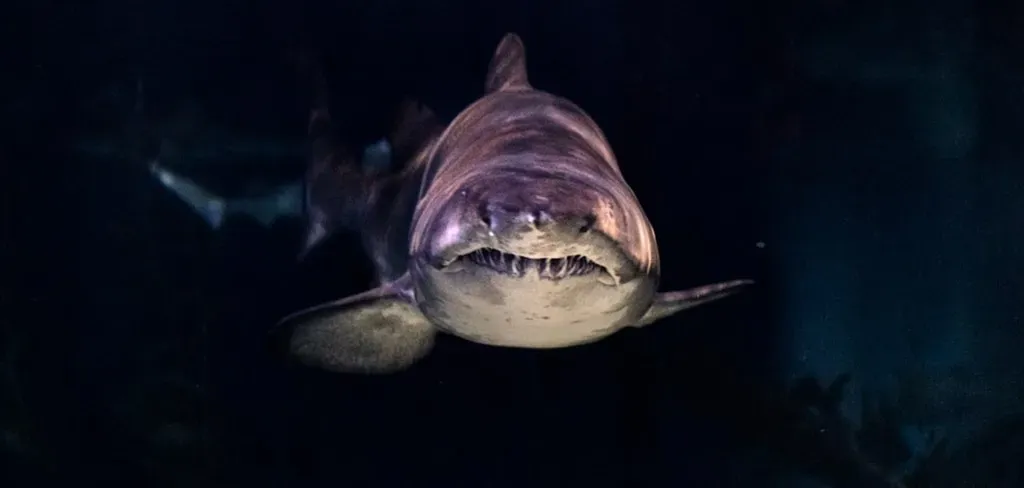
Steven Spielberg’s aquatic thriller didn’t need a monster on screen to terrify an entire generation of beachgoers. Spielberg’s ultra-iconic aquatic terror-inducing Jaws almost made its way to the very top of jump scare rankings, and there’s something about Hooper being underwater that makes the scene so unsettling. The setup is quiet, methodical, almost mundane, right up until it isn’t.
Audience surveys still rank it at or near the top decades later. In one survey of British film fans, the scene where Hooper discovers fisherman Ben Gardner’s head on a boat took the top spot with roughly three in ten votes for jumpiest film moment of all time. If you flinched watching it as a kid, you’re in good company.
- Director: Steven Spielberg
- Studio: Universal Pictures
- Based on: Peter Benchley’s novel of the same name
- Notable stat: Ranked #1 in a UK survey of jumpiest film moments
3. Carrie (1976) and the hand from the grave

Brian De Palma saved his nastiest trick for the very last scene, long after the prom night carnage seemed to be over. The film leaves its scariest moment for the final scene, when Sue kneels to place flowers on Carrie’s grave only to be met with the bloodied hand of Carrie bursting from the ground. It’s a moment built entirely on false calm.
Its impact rippled through the genre for years. Carrie’s final-act stinger was a turning point for jump scares, interrupting what appeared to be a peaceful epilogue and uniting viewers in a shared moment of tension-puncturing shock. Directors spent much of the next decade trying to top it.
- Director: Brian De Palma
- Based on: Stephen King’s debut novel
- Studio: United Artists
- Placement: Final scene, after the story appears to have resolved
4. The Exorcist III (1990) and the hospital hallway

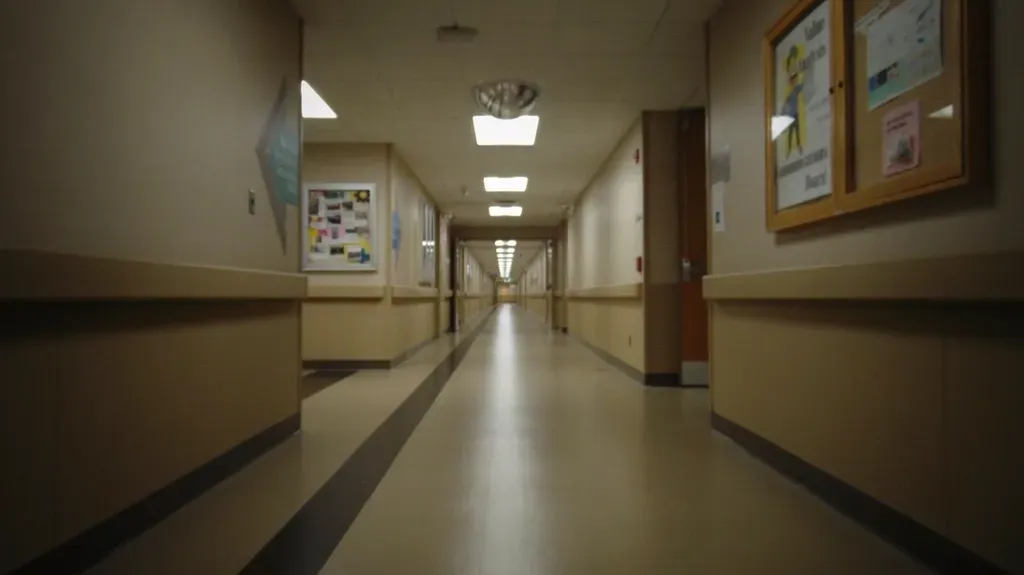
This is the one horror fans argue about endlessly, because it barely feels like a jump scare at all until it’s already happened. The scare from The Exorcist III is considered by many horror fans to be the most famous and frightening in cinema history, involving a nurse who enters a hospital room, and after nearly three minutes the camera zooms in quickly as a figure in white suddenly emerges with large scissors.
What makes it work is the patience. The hallway scene is one of horror’s most famous jump scares precisely because its long, slow build up plays on your sense of calm, with the camera lingering for what feels like an eternity before the shock arrives. Most modern films rush this moment. This one refuses to.
- Director: The Exorcist III is a 1990 horror film written and directed by William Peter Blatty
- Based on: Blatty’s own novel, Legion
- Studio: Morgan Creek Productions / 20th Century Fox
- Fun fact: Samuel L. Jackson appears in an early, uncredited role
5. Mulholland Drive (2001) and the man behind the diner

David Lynch isn’t typically filed under horror, yet this scene from his surrealist noir routinely tops “greatest jump scare” lists compiled by film critics. Widely ranked as the number one jump scare of all time, the scene sees a man recount a nightmare he had outside a diner, portrayed by Lynch in his usual dripping, surrealistic style.
Partner offer

What separates this from a cheap scare is that nothing about the buildup feels like a horror movie at all. It’s a conversation, almost mundane, until the dream logic takes over. That unpredictability is exactly why it still unsettles people decades later.
- Director: David Lynch
- Genre: Neo-noir surrealist mystery, not traditional horror
- Setting: A diner known in the film as Winkie’s
- Reputation: Frequently cited as the single greatest jump scare in film history
6. Insidious (2010) and the red-faced demon

James Wan built an entire career on knowing exactly when to let the silence break. In this scene, a mother and son are seated calmly at a table, having what looks like an ordinary conversation. One of the most notorious jump scares in the film comes when the red faced demon suddenly appears right behind Josh’s head, a quick and shocking glimpse paired with a loud musical sting that has haunted viewers ever since.
It’s a masterclass in framing. The demon is visible for barely a second, but that fraction of a second is enough to burn itself into memory, which is precisely the goal.
- Director: James Wan
- Studio: FilmDistrict / Alliance Films
- Budget: Made on a famously small, low-cost production
- Iconic scare: Red-faced demon appearing briefly behind a character’s head
7. The Conjuring (2013) and the clapping hands

Few modern horror franchises have leaned into the jump scare as reliably, and as effectively, as The Conjuring series. The Conjuring series has always been one of the best franchises for quality jump scares. The basement scene, where Carolyn is met by a pair of ghostly arms clapping from behind her shoulder, remains one of the most cited examples of the technique done right.
What’s notable is how the franchise achieves its scares without leaning on gore or explicit content. The movies manage to achieve R ratings despite lacking most of the triggers that typically earn that rating, such as minimal gore and little profanity, earning their intensity instead through excellent jump scares. That restraint is part of why the scares still land.
- Director: James Wan
- Studio: New Line Cinema / Warner Bros.
- Inspired by: Case files of paranormal investigators Ed and Lorraine Warren
- Rating note: Rated R largely through tension and jump scares rather than gore
8. It (2017) and Pennywise through the screen

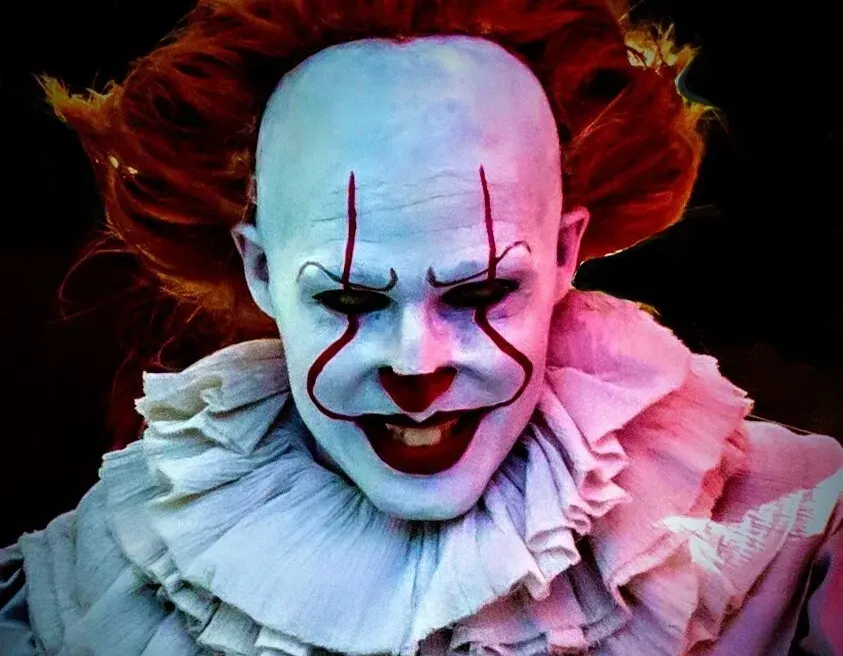
Andy Muschietti’s adaptation of Stephen King’s novel gave a new generation its own nightmare fuel. The scene finds a group of children watching an old home movie, calm and unsuspecting, right before things go sideways. In the moment, the shapeshifting monster known as Pennywise comes out of the screen while the children watch the old film.
It’s a scare built on the uncanny rather than pure volume. The idea that something can crawl out of a screen, out of a memory even, taps into a different kind of dread than a simple loud noise. That’s likely why it’s held up so well in the years since release.
- Director: Andy Muschietti
- Based on: Stephen King’s 1986 novel
- Studio: New Line Cinema / Warner Bros.
- Iconic scare: Pennywise emerging from an old home movie screen
9. Oddity (2024) and the wooden man in the tent


Jump to the present, and one of the most talked about scares of the current decade comes from a much smaller, stranger film. Damian McCarthy’s Irish folk horror set inside a remote countryside house didn’t rely on big budgets to unsettle audiences. Oddity begins with one of the best openings of any film of its year, set in an isolated Irish countryside house with a full-size wooden carving of a man that remains totally still until it doesn’t, culminating in one of the best jump scares of the year, which takes place inside a tent.
Critics who track horror trends closely singled this one out specifically for how it earns its scare. It was described as the most jump scare worthy film of its year, achieved without cheap gimmicks, relying instead on situational jump scares built from character and setting. If you haven’t seen it yet, that tent scene alone is reason enough.
- Director: Damian McCarthy
- Country: Ireland
- Studio: Shudder / Keeper Pictures
- Premiere: Premiered at South by Southwest, where it won the Audience Award in the Midnighter section
Final thoughts

Scoring yourself on this list isn’t really the point. What’s more interesting is noticing which scares you remembered instantly, word for word almost, versus which ones needed a nudge before the image came back. That gap says something about how differently jump scares work depending on the era, the director, and how much patience the filmmaker was willing to build into the silence beforehand.
The techniques haven’t changed as much as you’d think since 1942. A bus, a hand, a demon behind a shoulder. What has changed is how carefully filmmakers now earn that one second of shock, and audiences, whether they admit it or not, still fall for it every single time.
Partner offer
Planning a trip to Vegas?
Compare hotel rates and show tickets on VEGAS.com.