Hollywood loves a good redo. Sometimes a remake sharpens what the original got right, and sometimes it just proves that lightning rarely strikes twice in the same spot. The interesting part is not always predictable, either. A few of these pairings have critics and audiences split for decades, while others settled the argument almost immediately.
Below are seven famous original versus remake matchups, looked at side by side with the facts that actually back up the verdicts. Box office numbers, critical scores, and awards history all play a part, and in a couple of cases the “winner” might surprise you.
1. Infernal Affairs (2002) vs The Departed (2006)

Martin Scorsese’s Boston crime saga is a direct remake of the Hong Kong thriller Infernal Affairs, and the swap paid off in ways few remakes ever manage. Based on the Hong Kong film “Infernal Affairs,” it is the first remake to win the top prize since 1959 when “Ben-Hur” won. That alone tells you how rare this kind of success is in Oscar history.
Even so, plenty of longtime fans of the source material push back on the idea that the remake improved on the original. Scorsese has made better films than “Infernal Affairs,” and few fans of the “Infernal” trilogy would consider the Oscar winner more than a respectable, simplified remake. The win for The Departed is undeniable, but calling it a clean victory over the original oversimplifies a debate that is still very much alive among genre fans.
2. True Grit (1969) vs True Grit (2010)


John Wayne’s version earned him his only competitive Oscar, a sentimental favorite that still holds up as a solid, old fashioned Western. The Coen brothers’ 2010 take, though, arrived with sharper dialogue, a career defining performance from a young Hailee Steinfeld, and a much colder, more faithful tone drawn from Charles Portis’s novel.
The numbers make the case for the remake pretty clearly. The 2010 version holds a 95 percent Tomatometer score from 275 reviews and grossed $171 million domestically, while the 1969 original sits at a still respectable but noticeably lower 87 percent from 54 reviews. Financially, the remake was also a massive success relative to its budget, cementing it as one of the rare cases where the newer film is now considered the definitive version.
3. Scarface (1932) vs Scarface (1983)

The original Scarface, directed by Howard Hawks, was a product of its era, a lean gangster picture made under the shadow of the Hays Code and real anxiety about glamorizing crime. It’s historically important, but it feels dated next to what came later, both in pacing and in how restrained it had to be with violence.
Brian De Palma’s 1983 version, with Al Pacino as Tony Montana, went in the opposite direction entirely. It leaned into excess, Miami cocaine culture, and a much longer runtime, and it has become one of the most quoted and referenced crime films ever made, far outlasting the original in pop culture relevance. The remake didn’t just update the story, it replaced the original as the version most people mean when they say the word Scarface.
4. The Fly (1958) vs The Fly (1986)

The 1958 version is a product of classic drive in sci fi horror, campy in spots, with practical effects that were impressive for the time but haven’t aged particularly gracefully. It’s remembered fondly, but mostly by genre historians rather than casual viewers.
David Cronenberg’s 1986 remake turned the same basic premise into something far more visceral and emotionally devastating, using body horror to tell a story about disease and decay that hit differently in the middle of the AIDS crisis. Jeff Goldblum’s performance carries the film, and critics at the time and since have consistently ranked the remake as one of the finest horror films of its decade. This is one of the more one sided results on this list.
5. Dawn of the Dead (1978) vs Dawn of the Dead (2004)

George Romero’s 1978 zombie film used a shopping mall setting to poke at consumerism, and its slower pacing gave it room to build dread and social commentary in equal measure. It remains a genre landmark, studied as much for its ideas as for its scares.
Zack Snyder’s 2004 remake sped everything up, introduced fast running zombies, and turned the film into more of a straight action horror ride. It was a commercial success and introduced Snyder as a director to watch, but most critics and fans still point to the original as the smarter, more layered film. Here the remake wins on pure adrenaline, while the original wins on lasting substance.
6. A Star Is Born (1976) vs A Star Is Born (2018)

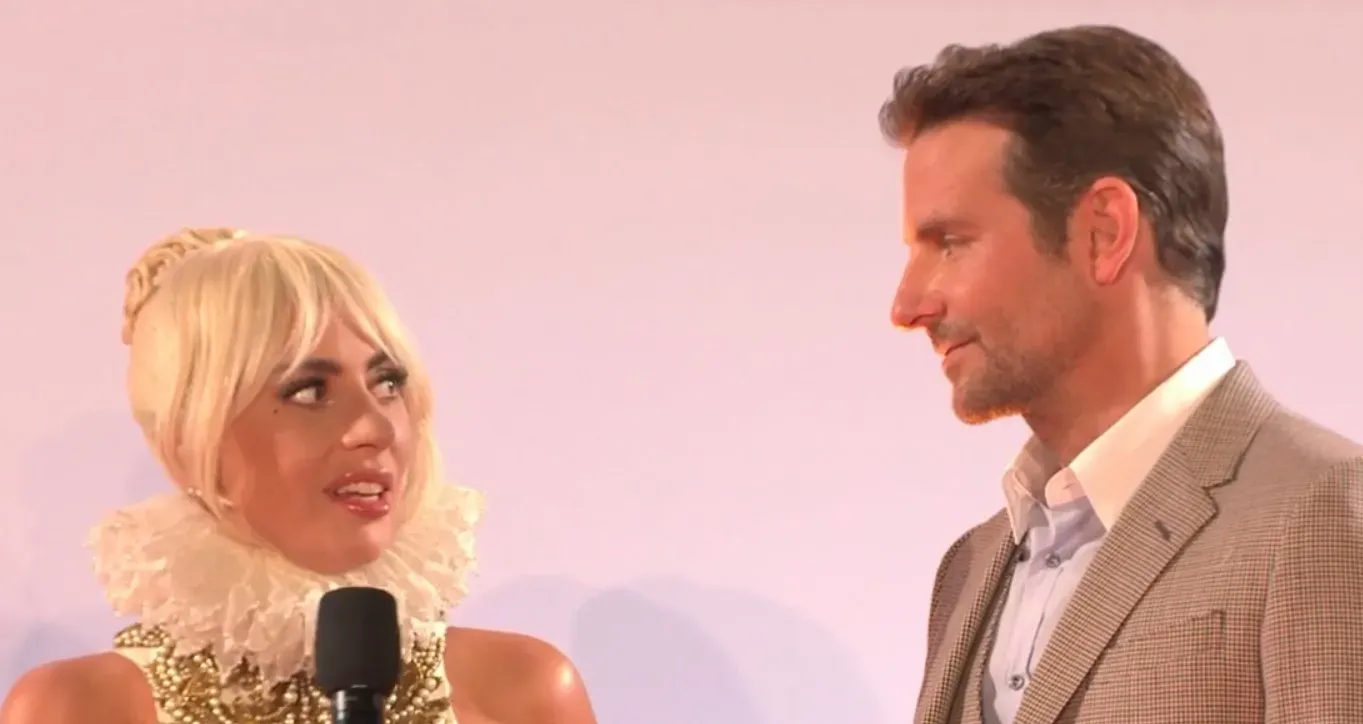
The 1976 version, starring Barbra Streisand and Kris Kristofferson, updated the story for the rock era and was a box office hit in its day, though critics were mixed on how well it translated the tragic romance into a new musical landscape. It’s remembered today more as a artifact of its decade than as a classic in its own right.
Bradley Cooper’s 2018 remake, opposite Lady Gaga, found a different balance, pairing genuine musical talent with a director who clearly understood the emotional beats the story needed. It earned strong reviews, multiple Oscar nominations, and a song that became a cultural moment on its own. Of the many versions of this story across the decades, the 2018 remake is widely seen as the strongest since the 1954 Judy Garland original.
7. Ocean’s Eleven (1960) vs Ocean’s Eleven (2001)


The 1960 original leaned heavily on the novelty of watching the Rat Pack, Frank Sinatra, Dean Martin, and Sammy Davis Jr. among others, goof around on screen together. The heist plot itself was almost secondary to the appeal of the cast hanging out, and the pacing reflects that loose, casual approach.
Steven Soderbergh’s 2001 remake tightened the plot considerably, added visual style and genuine tension to the heist mechanics, and assembled a cast, George Clooney, Brad Pitt, Julia Roberts, Matt Damon, that matched the original’s star power while giving them an actual story to work with. It spawned two sequels and remains a rewatchable favorite decades later. The remake didn’t just match the original’s charm, it built a far more satisfying movie around it.
Final Thoughts

Looking across these seven pairings, there’s no single rule that predicts whether a remake will outshine its source. Sometimes a bigger budget and modern effects genuinely elevate a familiar story, as with The Fly or True Grit. Other times, as with Dawn of the Dead or Infernal Affairs, the debate stays genuinely split depending on what a viewer values more, style or substance, novelty or craft.
What these comparisons really show is that remakes succeed when they bring something new to the table rather than simply repeating what worked before. The films that lasted, in either direction, are the ones that took real creative risks with material audiences already thought they knew.