Solo female travel is one of the most powerful movements reshaping the tourism world right now. Women are packing their bags, booking one-way tickets, and setting out completely on their own – no group, no guide, no compromise. It’s bold, it’s growing fast, and honestly, it’s about time.
So I did what any curious person in 2026 would do. I turned to AI tools and asked them one very specific, very personal question: where in the entire world is a woman safest traveling alone? The answer surprised me deeply. It might surprise you too. Let’s dive in.
The Explosive Rise of Solo Female Travel
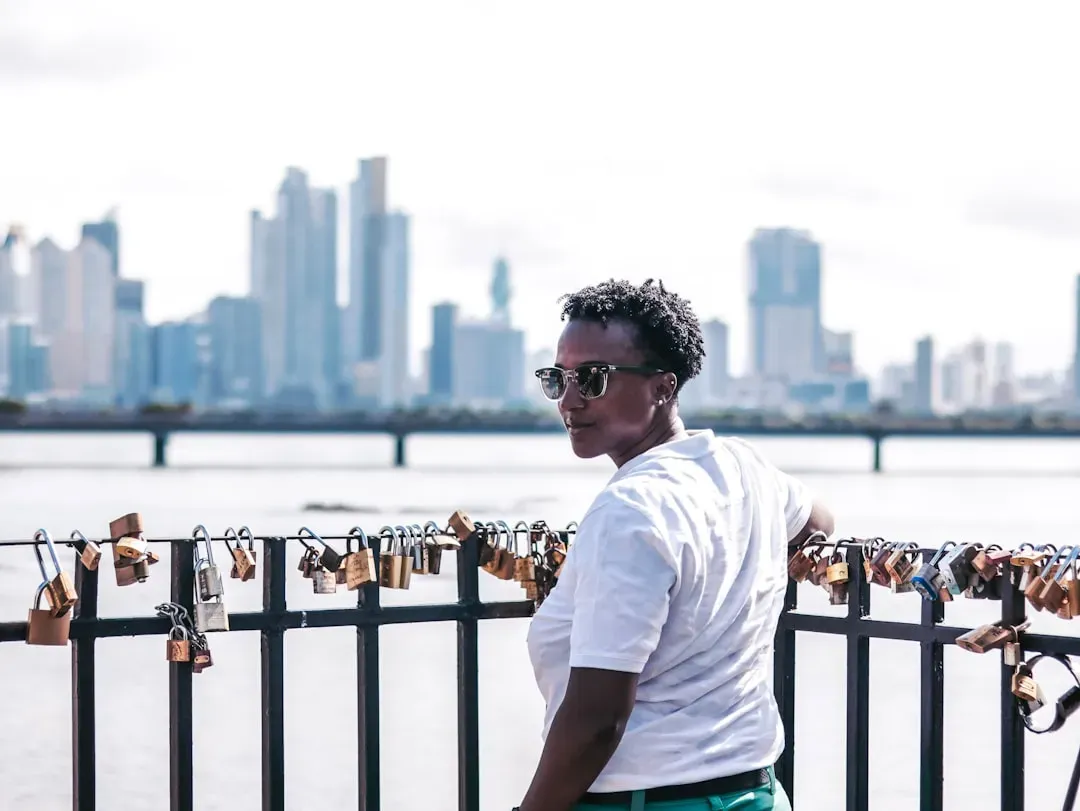
The numbers don’t lie. Nearly 40% of female travelers voiced interest in setting out solo in 2025, according to tourism market research firm Future Partners – up 8 percentage points from a year earlier. That’s not a small jump. That’s a seismic shift.
The global solo travel market was worth roughly $482.5 billion in 2024, and it’s predicted to expand at a compound annual growth rate of 13.5%, potentially reaching over $1.5 trillion by 2033. Women are driving almost all of that growth.
Women are leading the way for independent travel, with roughly 84% of solo travelers identifying as female, and more than half expressing plans to travel alone. Here’s the thing – this is no longer a niche thing. This is the travel industry’s most important demographic, full stop.
Why Safety Is Still the Biggest Barrier

Solo female travel worries are real and persistent. Personal safety tops the list, with roughly 70% of women citing it as their primary concern when planning a solo trip. That’s an overwhelming majority.
Solo travelers are increasingly risk-aware, with about 78% selecting destinations based on safety, and roughly 63% of women citing safety as a critical concern. For many women, a beautiful destination simply isn’t worth it if the risk feels too high.
Concerns over personal safety deter about 65% of female travelers from going alone, and roughly 27% of solo female travelers say they specifically want a safer experience from the travel industry. The demand is clear. The question is: which destinations are actually delivering on that promise?
How AI Is Changing the Way Women Research Safe Travel

In 2025, AI travel planners transformed the experience of solo travel planning, simplifying the challenge of choosing destinations, finding safe neighborhoods, and creating itineraries that feel both flexible and enjoyable. What used to take hours now takes minutes.
Safety remains a top concern for about 65% of solo female travelers, and that’s precisely where AI changes the game. When I ran my own query through several AI tools asking which city scored highest for solo female safety, the results pulled from a wide range of data – from global peace indexes to women-specific security rankings.
AI-powered travel tools are redefining the solo travel experience by offering real-time assistance, personalized recommendations, and seamless connectivity, ushering in a new era of hyper-personalized travel experiences. Think of it like having a well-researched, always-available travel friend in your pocket.
The Shocking Number One Result: Dubai
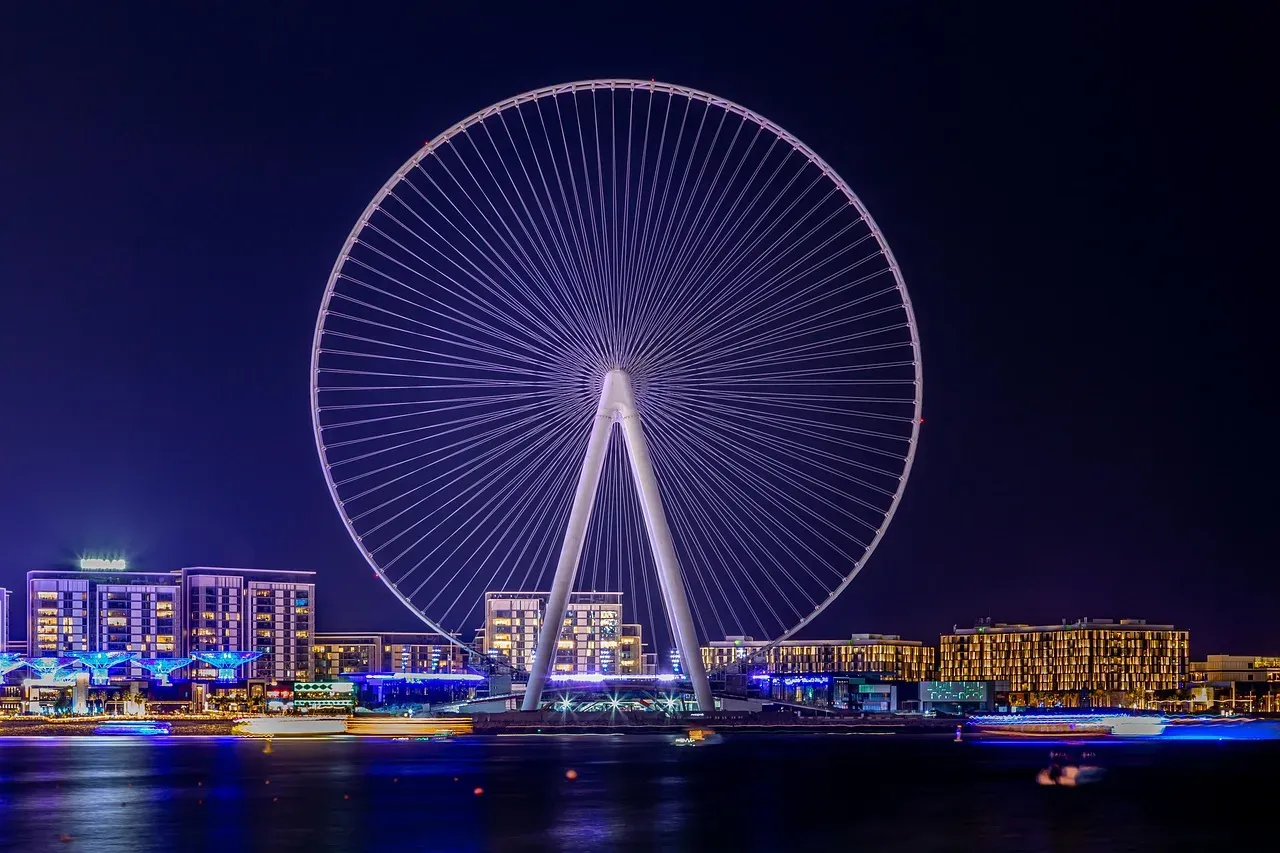
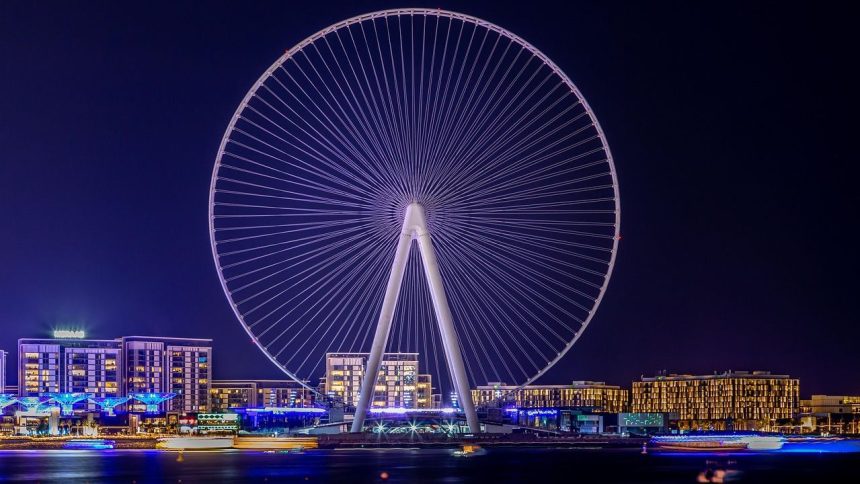
Here’s the part that caught me completely off guard. When AI cross-referenced major safety studies and indexes, one city kept surfacing at the very top. Not Reykjavik. Not Tokyo. Dubai.
Dubai claimed the top spot as the safest city in the world for female solo travelers in 2025, according to a comprehensive study conducted by travel insurance company InsureMyTrip. For the fourth year in a row, InsureMyTrip conducted a study across 62 cities, based on metrics of female safety and tourism.
A global score of 7.71 out of 10 put Dubai ahead of Krakow in second place at 7.18 and Madrid in third at 7.14. Dubai improved its ranking by four spots from the previous year, indicating increasing safety perceptions. For a city many travelers would not immediately associate with female freedom, that’s a bold and data-driven statement.
What the Data Actually Says About Dubai’s Safety Scores
In terms of female safety, Dubai recorded a rating of 86.23 out of 100 for feeling safe, and 83.11 out of 100 for feeling safe walking alone at night – both the highest scores across all the cities studied. Dubai also scored highly on gender quality at 0.713 out of 1, and on the peace and security index for women at 0.868 out of 1.
Strategic city layouts, well-illuminated roads, the presence of CCTV surveillance, and stringent crime control measures provide women travelers with the confidence to venture out by themselves. Ultra-modern technology like AI-controlled traffic signals and predictive surveillance systems keep Dubai’s safety measures cutting-edge.
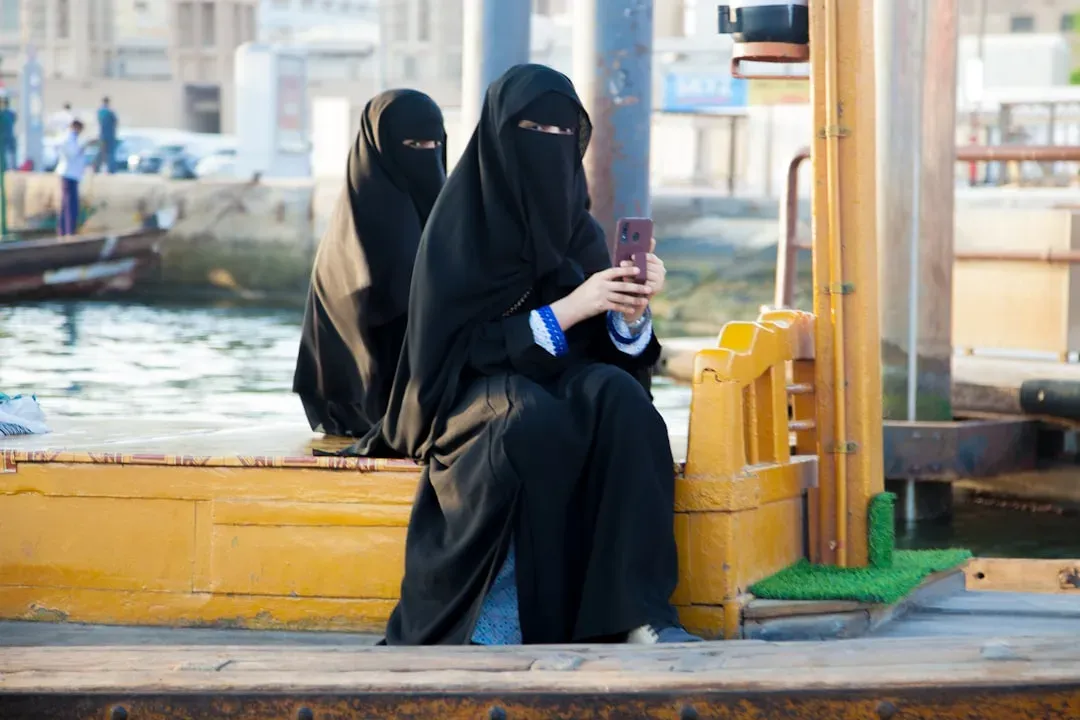
Dubai’s transportation system also puts a solo woman traveler’s mind at ease: pink-roofed taxis are exclusively driven by females, and you also have the option to book a female-driven taxi with the city’s ride-sharing apps. That’s a thoughtful, practical touch that very few cities in the world can claim.
The Cultural Reality: What Solo Women Should Know Before Going

Let’s be real – Dubai is not a Western city, and pretending otherwise would be doing you a disservice. It operates under the laws and cultural norms of the United Arab Emirates, and those matter.
However safe Dubai is known to be, smart travelers shouldn’t let their guard down. Showing respect for the country’s culture, traditions, and laws by dressing modestly, covering up when visiting religious sites, and avoiding public drinking and displays of affection is essential.
It’s important to note the cultural and societal norms in the UAE and dress accordingly. Women should refrain from wearing revealing clothing when not at the beach or pool, to show respect for religious customs. This isn’t a dealbreaker – it’s simply part of traveling thoughtfully in any destination.
The Runners-Up: Europe’s Powerhouses
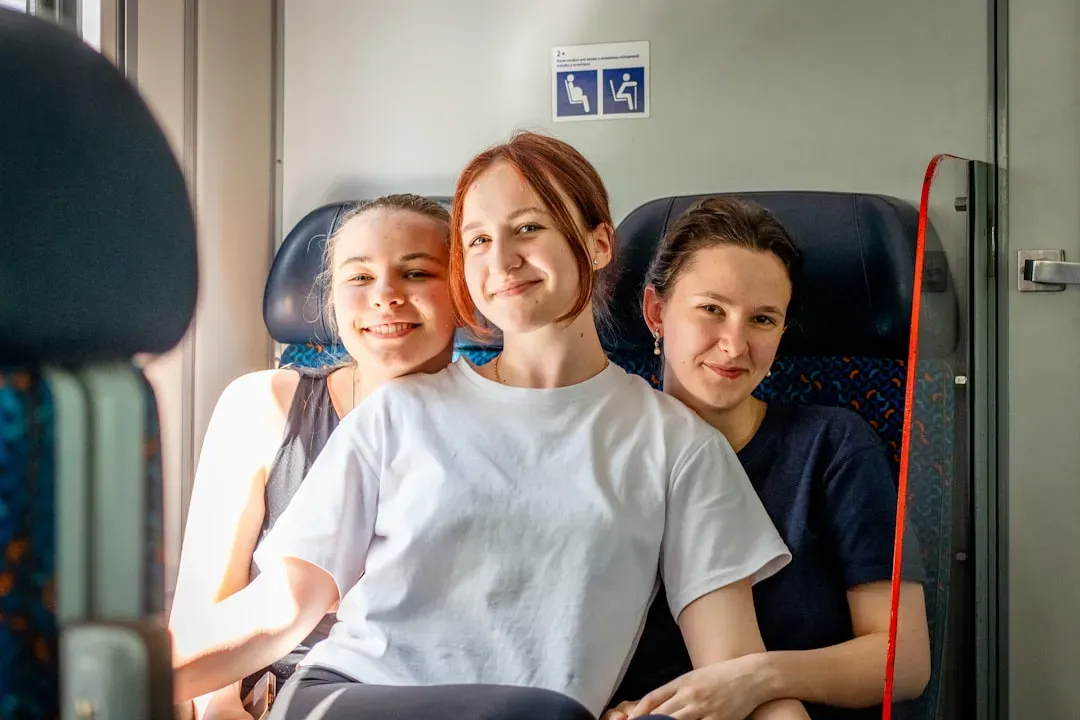
While Dubai took the overall crown, Europe dominated the safety-specific rankings in ways that deserve serious attention. Munich tops rankings for pure female safety with an overall score of 8.90 out of 10, holding the highest rating for gender quality. Denmark’s Copenhagen and Spain’s Madrid take second and third place in safety metrics respectively, with Denmark holding the highest score on the Women Peace and Security index at 0.932 out of 1.
The Nordic countries rank as the safest destinations overall for women traveling alone in 2026, with Denmark, Iceland, Norway, Sweden, and Finland ranking among the top five on the Women, Peace, and Security Index. Denmark scored highest overall, with strong performance in women’s employment, financial inclusion, absence of legal discrimination, and community safety.
About 85% of women report feeling safe at night in Switzerland, and recent intimate partner violence statistics sit at roughly 2%, one of the lowest figures ever measured in any global dataset. Numbers like that are genuinely reassuring for anyone planning a solo trip.
Japan: The Perennial Fan Favorite Among Solo Female Travelers

If you ask women who have actually done solo travel which country changed their lives, Japan comes up over and over again. Japan offers a unique combination of ancient traditions and modern amenities, and it’s consistently rated one of the safest countries in the world for solo female travelers. With efficient public transportation and clean, well-organized cities, Japan provides a stress-free environment for exploring.
Japan’s low crime rates and deeply respectful culture make it a fantastic destination for women traveling alone, with cities like Tokyo and Kyoto offering a perfect blend of modernity and tradition. I think Japan’s biggest superpower for solo female travelers isn’t just safety – it’s the fact that you genuinely feel comfortable at every hour of the day or night.
Tokyo made an entrance into top destination lists in 2024, alongside Japan’s consolidation as a bucket list destination and a popular choice for many solo women. It’s hard to argue with that momentum. Japan earns its reputation every single time.
The Cities You Should Probably Avoid
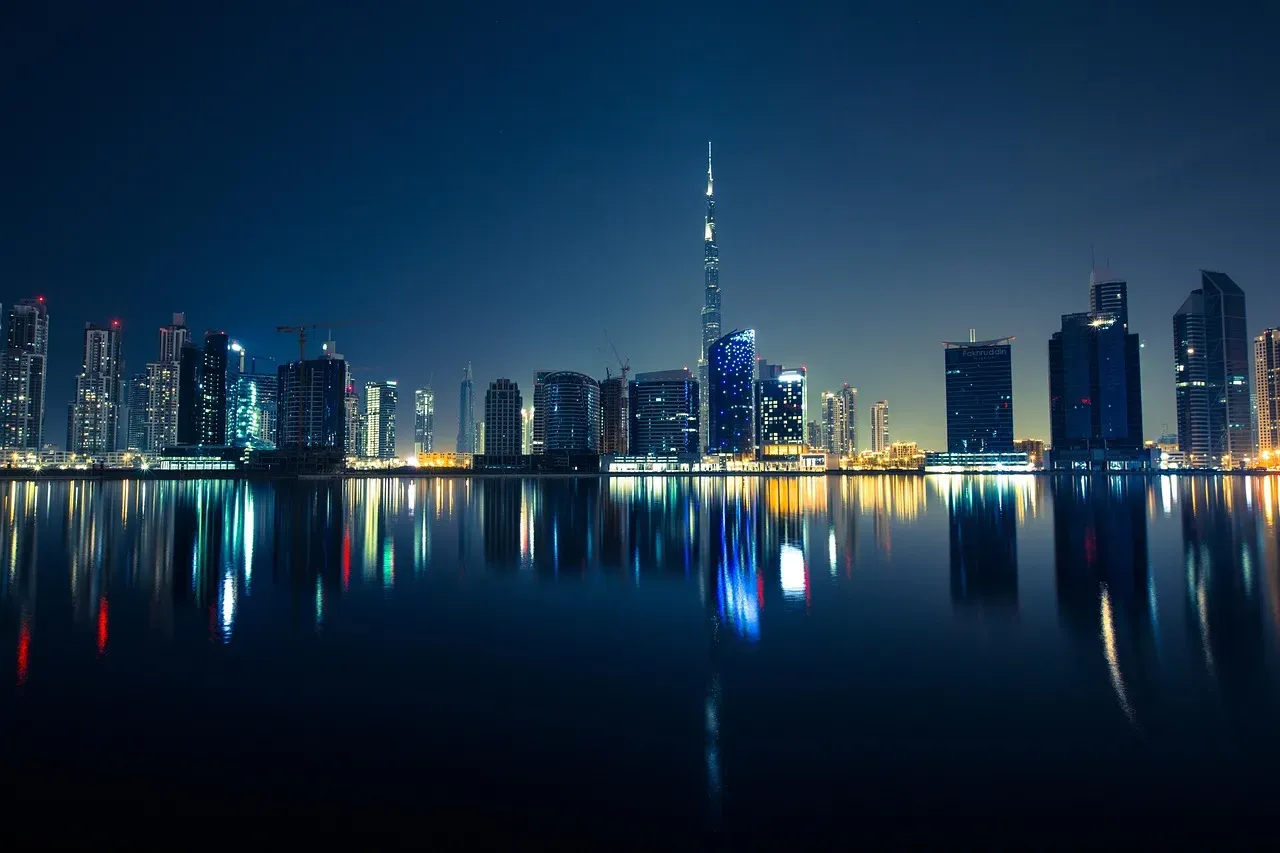
No honest article about safety would be complete without the hard truth on the other end of the spectrum. Some cities scored alarmingly low in the same InsureMyTrip study that crowned Dubai.
Delhi, India, ranks as the worst city for female safety with an overall score of 2.24, scoring particularly low for feeling safe at night at just 28.22 out of 100. Johannesburg, South Africa at 3.06 and Marrakech, Morocco at 3.36 followed as second and third worst, both scoring low on the Women Peace and Security Index.
Some countries pose greater challenges to solo women travelers due to political instability, cultural norms, or higher crime rates. While these places can still be visited with proper preparation and caution, they are generally regarded as more complex or unsafe for women traveling alone. It’s worth taking those scores seriously before you book.
What This All Means for the Future of Solo Female Travel
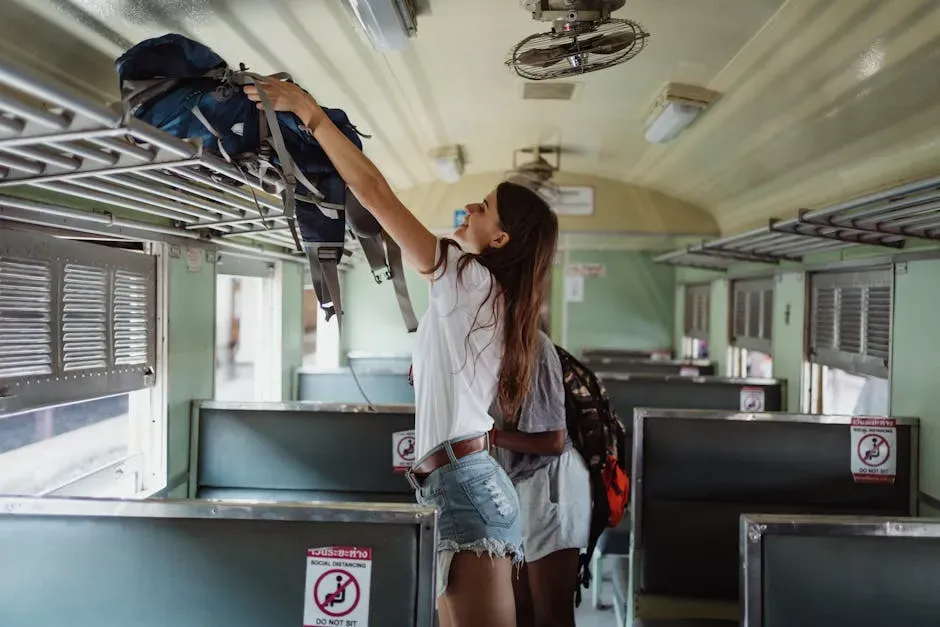
Women are more likely to take solo trips, with roughly 60% of solo travelers identifying as female. Female solo travelers accounted for over 54% of the overall solo travel industry’s revenue in 2025, driven by increased independence, changing societal norms, and tailored experiences. The industry is finally waking up to this reality in a meaningful way.
In 2025, a combination of global safety indexes, infrastructure improvements, and a growing focus on inclusive tourism has highlighted destinations where women can explore with confidence. Cities and countries are actively competing for this audience now, which is ultimately very good news for travelers.
On the tech side, AI tools are fast becoming a travel essential, helping with planning, translation, and safety ideas. The combination of smarter AI tools and cities genuinely investing in female-friendly infrastructure is creating a new era for women who want to explore the world on their own terms. The world is getting safer to navigate solo – one data point, one city, one brave traveler at a time.
Conclusion: The Answer Was Right There in the Data

Dubai as the number one safest city for solo female travelers is genuinely surprising on the surface. But when you look at the actual data – the surveillance infrastructure, the near-perfect nighttime safety scores, the women-only transport options – it starts to make perfect sense. Data doesn’t have a bias. It just tells the truth.
The broader message is even more important. Solo female travel is no longer a fringe choice. It’s a global force worth nearly half a trillion dollars, powered by women who refuse to wait for a travel companion before they start living fully. The AI tools simply confirmed what many experienced travelers already knew: the world has more safe corners than the headlines would have you believe.
Would you have guessed Dubai? What city would you have put at the top of that list? Drop your thoughts in the comments – the conversation is worth having.