Something shifted in the relationship between audiences and big-budget cinema, and the numbers back it up. The past year or two were supposed to turn things around for struggling cinemas, but instead of heralding a dramatic return to moviegoing, the domestic box office has been running neck-and-neck with middling results and falling far short of the $9 billion in ticket sales most analysts had expected. That’s not a blip. That’s a pattern.
Curious about what’s really driving people away, I asked ChatGPT to break it down. The AI drew on everything from shifting audience habits to franchise fatigue to the economics of a night out. Here’s what it came up with – and the research that supports it.
Reason 1: Franchise Fatigue Has Become Very Real
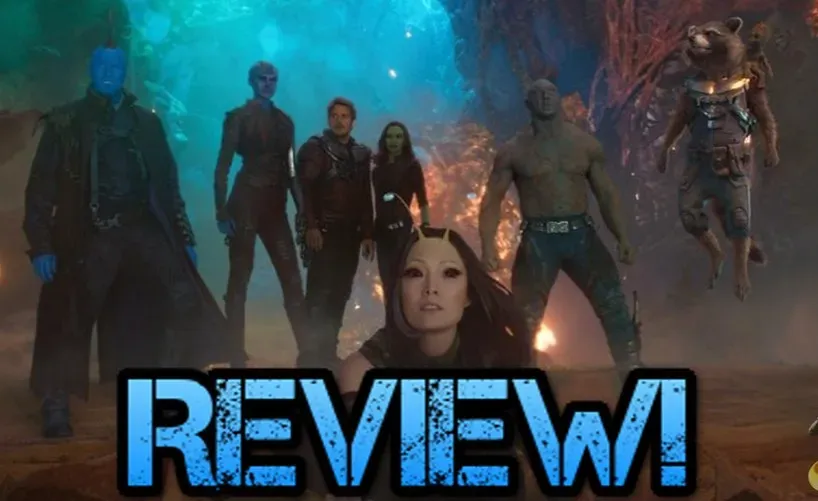
The downturn in what were once guaranteed blockbusters could be a result of audiences growing fatigued with the familiar content studios produce year in and year out. For more than a decade, the superhero genre ruled theaters almost unchallenged. Now, that dominance is visibly crumbling.
Comic book content is no longer king. After being the most popular genre for over a decade, these movies have recently looked a lot less superhuman. The latest “Captain America” suffered from a prolonged post-production and extensive rewrites, and although “Fantastic Four” and “Thunderbolts” were better regarded, they still failed to match the kind of grosses that Marvel movies used to routinely achieve before the pandemic. Studios keep offering more of the same, and audiences keep responding with less enthusiasm. The failure of blockbusters comes from viewers being dissatisfied with unoriginal concepts – and for many, it’s specifically the increase in sequels and repeated ideas that drives them away.
Reason 2: Streaming Has Rewired How People Watch Movies
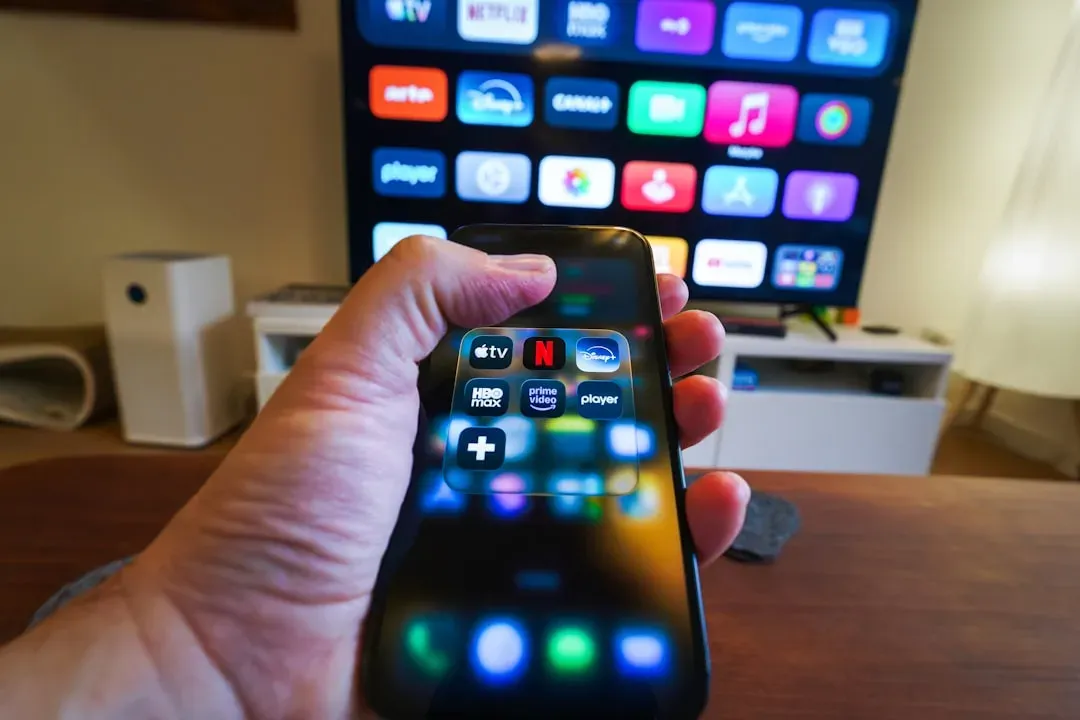
In 2019, around 55% of audiences preferred watching movies in theaters versus 45% at home. By 2024, that had flipped, with 65% of audiences preferring at-home viewing. That’s a meaningful reversal in just five years, and streaming services are a central reason why. The couch has quietly won.
Partner offer
Some films aren’t even in theaters three weeks before becoming available on video-on-demand platforms. When there’s a strong chance a movie will be on VOD within a month or two, it’s hard to make a case for going to the theater. Streaming has not fully backfilled the theatrical shortfall either – premium subscription growth in the U.S. increased by roughly ten percent year over year in 2024, but engagement remains concentrated on series content rather than films. The convenience of home viewing has fundamentally changed the calculation of whether a blockbuster is worth leaving for.
Reason 3: The Cost Simply Doesn’t Feel Worth It Anymore
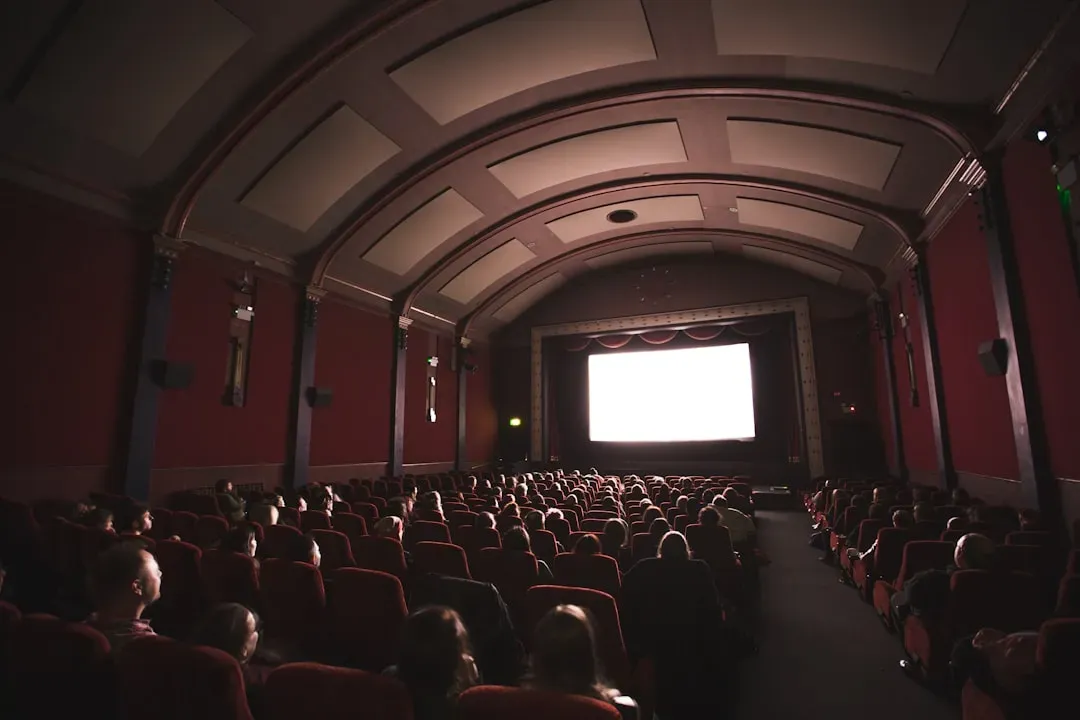
U.S. theatrical attendance continues to decline – ticket sales are down roughly 40% from a decade ago, while the average ticket price has risen about 35%. That combination creates a particularly uncomfortable equation for ordinary moviegoers. You’re paying more for a product many feel has gotten worse.
Tentpole movies that are meant to be seen in theaters commonly have budgets of upwards of $200 million. That alone makes the bar for profitability much higher, which means fewer and fewer movies can reach that level of success. Streaming dominance, shortened theatrical windows, rising ticket prices, and audience fatigue have all taken their toll. When a film feels like it might land on a streaming platform before you’ve even made weekend plans, spending $20 or more per ticket stops feeling like a reasonable trade-off. The math just doesn’t hold up the way it once did.
What ChatGPT identified isn’t really a mystery – it’s a convergence of creative stagnation, technological disruption, and price sensitivity all arriving at the same moment. Industry insiders like Alamo Drafthouse’s chief operating officer have been vocal about it: what audiences want is original, fresh stories that feel meaningful, not an endless conveyor belt of familiar IP. Whether Hollywood listens may shape whether theaters remain a cultural fixture or quietly become something people remember fondly rather than actually visit.
Partner offer
Planning a trip to Vegas?
Compare hotel rates and show tickets on VEGAS.com.