


There is something deeply unsettling about watching snowflakes fall somewhere they have no business being. A valley floor that usually glitters in dry winter sun, suddenly blanketed in white. It sounds almost magical until you realize the roads are gridlocked, the power has gone out, and no one quite knows what to do next.
Snow where it doesn’t belong is no longer a novelty. It’s becoming a stress test. One our infrastructure keeps failing. Let’s dive in.
When Flurries Became a Nightmare: California’s 2023 Wake-Up Call

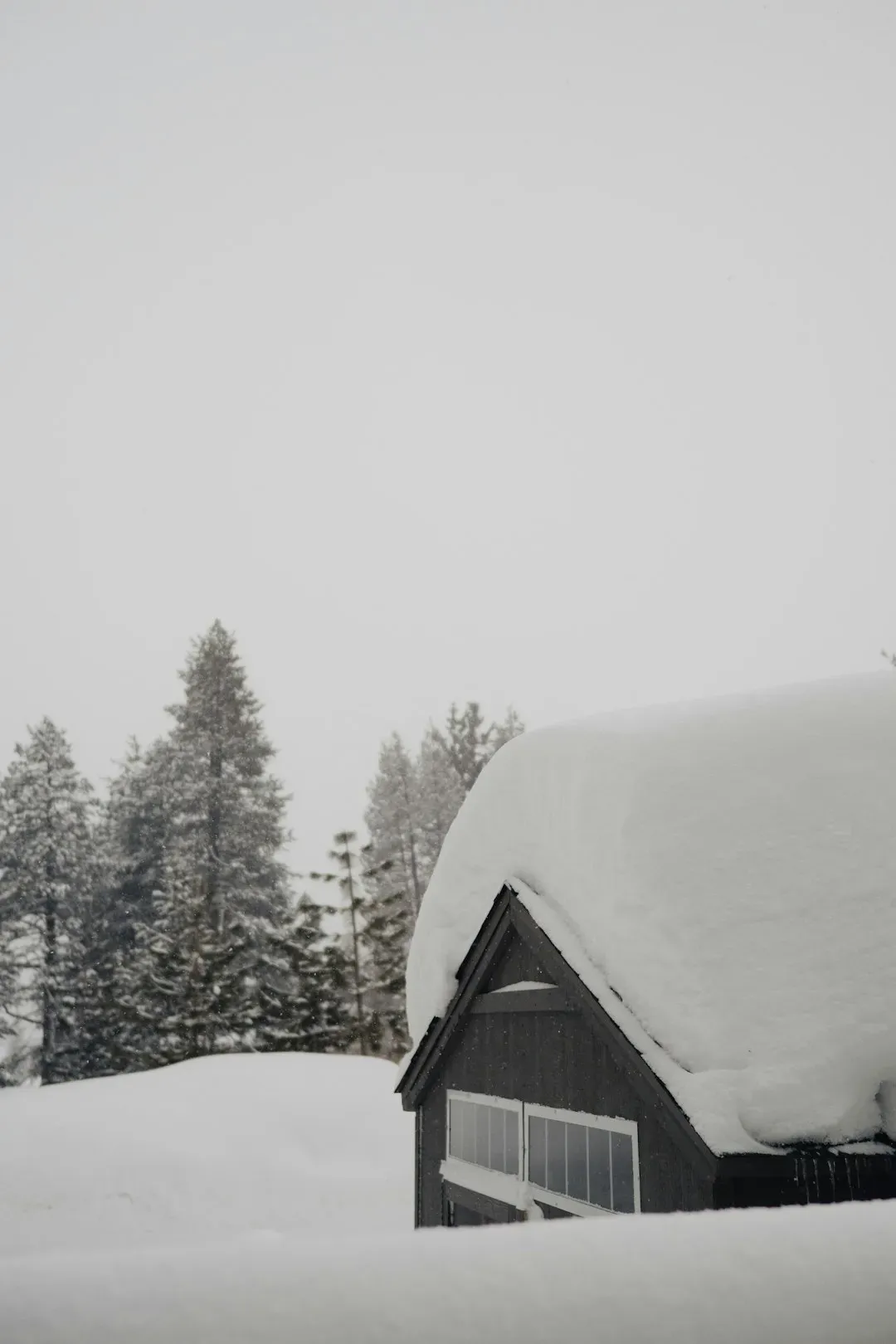
Most people associate California with sunshine, droughts, and wildfires. So when fierce winter storms began rolling in starting February 2023, the state was caught in a situation that felt genuinely surreal. A powerful late-February storm brought blizzard warnings, cold rains, howling winds, and rare low-elevation snow to parts of southern California more accustomed to warmth and sun.
The storm brought significant snowfall to many parts of California, with some areas receiving up to 6 feet of snow. The Sierra Nevada mountain range was hit particularly hard, with some ski resorts reporting up to 10 feet of snow in just a few days. This led to widespread road closures and traffic delays throughout the region.
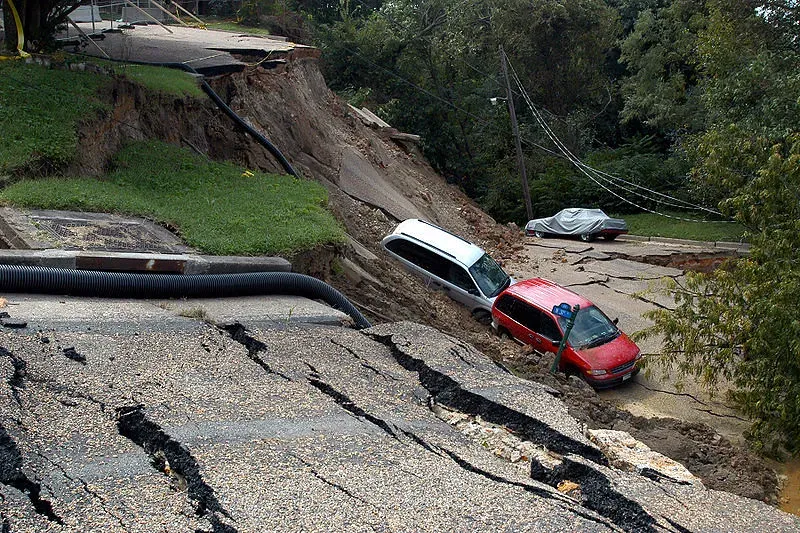
A road leading to the town of Soquel collapsed due to flooding after a pipe failure, and widespread flooding and strong winds led to separated roads, collapsed bridges, and downed trees in Tulare County. It wasn’t just inconvenient. It was a structural failure hiding in plain sight, triggered by weather the system simply wasn’t designed to handle.
The Staggering Cost of Being Unprepared

Let’s be real: when we talk about weather disasters, the dollar figures sound abstract until they don’t. In 2024, there were 27 individual weather and climate disasters with at least $1 billion in damages, trailing only the record-setting 28 events analyzed in 2023. These disasters caused at least 568 direct or indirect fatalities. The cost was approximately $182.7 billion.
From 1980 to 2024, there were 403 confirmed weather and climate disaster events with losses exceeding $1 billion each to affect the United States. These events included 24 winter storm events. The annual average for the most recent 5-year period is 23 events per year, compared to a long-term average of 9 events per year. That acceleration is not a minor blip. That’s a crisis hiding inside a weather forecast.
Report Card Shock: America’s Infrastructure Gets a Barely Passing Grade

Honestly, few things make you feel the urgency of this issue more than actually reading what civil engineers say about U.S. infrastructure. The American Society of Civil Engineers released its 2025 Report Card for America’s Infrastructure, assessing U.S. infrastructure with an overall “C” grade, finding that legislation passed by Congress since the 2021 Report Card sparked progress, but more work and investment is needed to overcome decades of underinvestment. The 2025 grade, an improvement over the “C-” overall grade in 2021, is the highest grade given by ASCE since it began its Report Card in 1998.
At the lower end, stormwater and transit investment remained at a D grade, and roads, levees, schools and wastewater facilities posted only marginal gains. A “C” is still a near-failing mark by any academic standard. Think of it this way: if your car mechanic gave your brakes a “C,” would you feel safe driving through a snowstorm? Probably not.
Aging infrastructure systems are increasingly vulnerable to natural disasters and extreme weather events, creating unexpected and often avoidable risks to public safety and disrupting economic activity. Recent federal and state investments have had a positive impact, but the full force of increased funding will take years to realize.
Power Grids: The Domino Nobody Wants to Fall

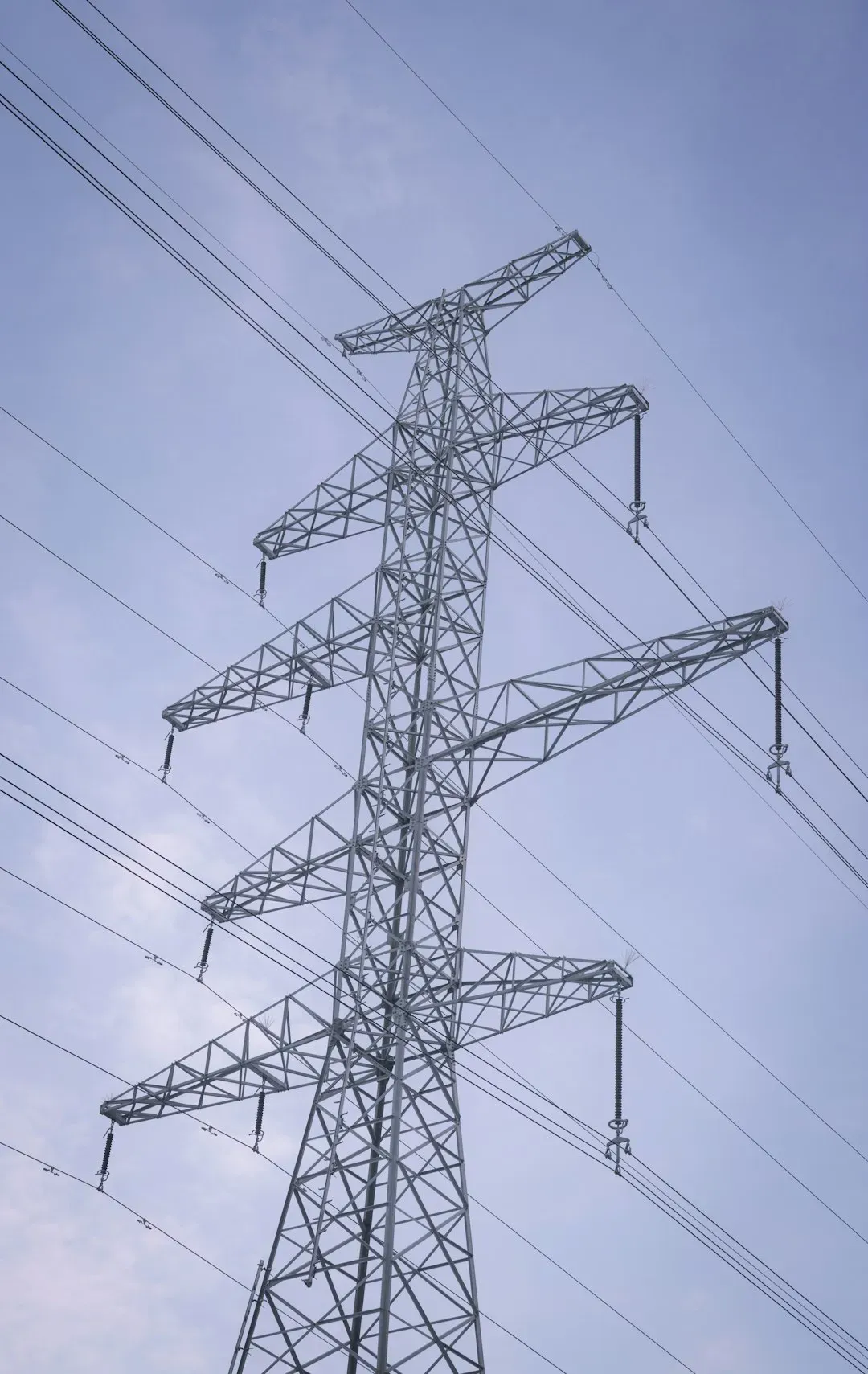
When snow hits a region that doesn’t expect it, the power grid is often the first thing to buckle. Natural gas is the country’s largest source of electricity generation, providing roughly 43% of electricity as of 2024. During winter storms, demand for natural gas spikes as people turn up thermostats while power plants also need the fuel to generate electricity. This simultaneous surge, known as coincident peak, is a well-known planning challenge. Extreme cold can strain the natural gas system beyond normal operating conditions, making it harder for gas-powered generators to access fuel when they need it most.
Energy was downgraded in the 2025 ASCE report card despite record federal spending, with ASCE citing growing capacity constraints, rising demand from electrification and data centers, and lagging transmission and grid modernization relative to system complexity. More demand, older grid, less flexibility. It’s a recipe for the lights going out the moment temperatures drop somewhere unexpected.
Roads, Bridges, and the Frozen Domino Effect

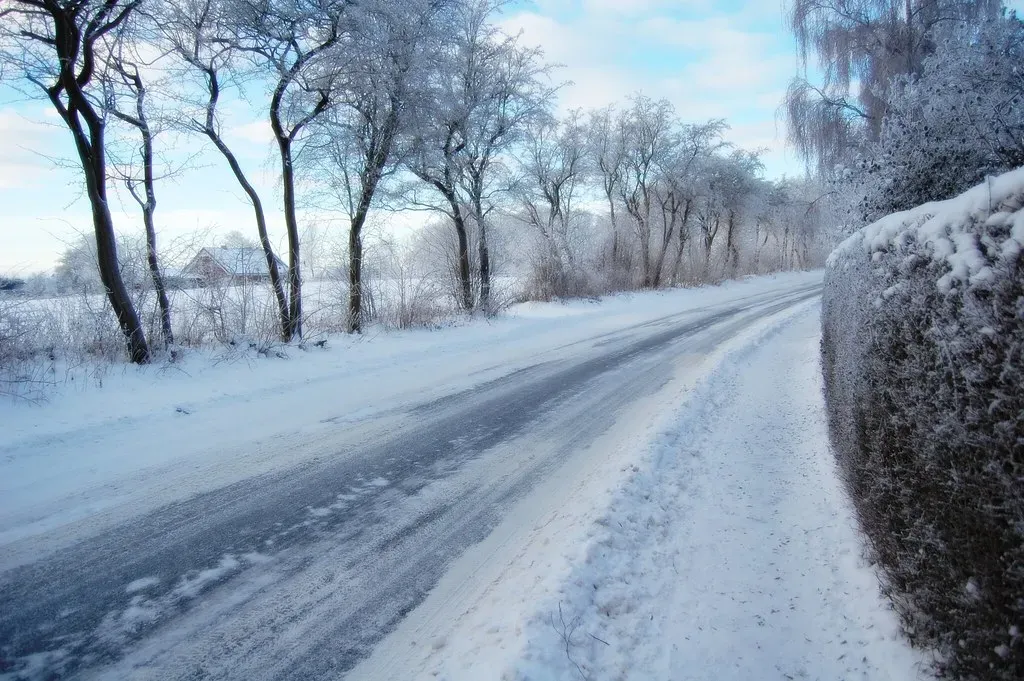
When snow flurries hit a valley that hasn’t seen frost in years, the roads don’t just get slippery. They completely stop functioning. America is home to 4.1 million miles of public roadways, and roughly 39% of major roads are in poor or mediocre condition. That situation costs the average driver an estimated $1,400 per year.
Congestion, wear and tear, and extreme weather continue to degrade pavement quality, costing drivers over $1,400 per year in vehicle damage and delays. Traffic deaths remain high, nearly 41,000 in 2023. Add an inch of unexpected snow to a crumbling, poorly drained road surface and you haven’t just got a traffic delay. You’ve got a supply chain problem, a medical emergency bottleneck, and a public safety crisis all at once.
The El Niño Factor: When Climate Patterns Rewrite the Rulebook

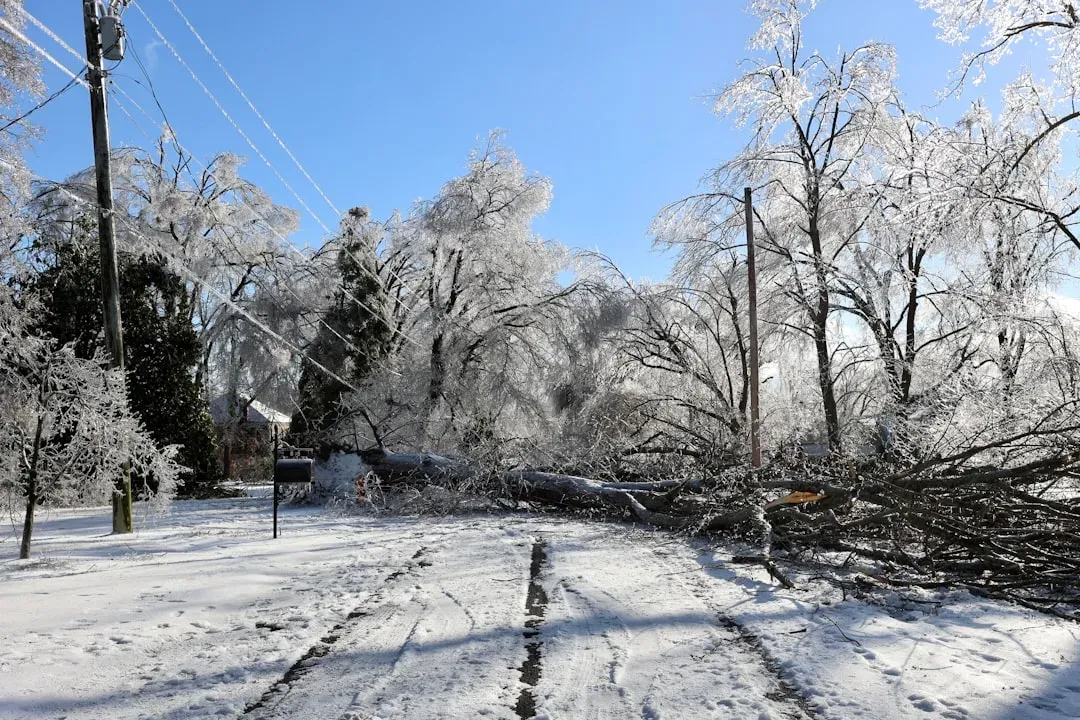
A strong El Niño was expected to influence winter weather patterns across the continent during the 2023 to 2024 season. The winter weather-related events that season led to an estimated $10 billion in damages and an estimated 106 fatalities, much of it occurring in the month of January.
Here’s the thing: El Niño doesn’t just bring rain. It reshuffles the entire atmospheric deck. Regions that typically see mild, dry winters can suddenly experience ice storms and heavy snowfall. Infrastructure in those places was never engineered for those conditions. It’s a bit like building a sandcastle and then being surprised when someone turns on the hose. The 2024 to 2025 North American winter was considerably colder and much more wintry across the North American continent, particularly in the eastern half of the United States, than the previous winter season. The Weather Prediction Center tracked a total of 21 significant winter storms during the winter. The season started with a powerful bomb cyclone that impacted the West Coast in mid-to-late November.
Southern Cities Blindsided: When Atlanta Gets Snow

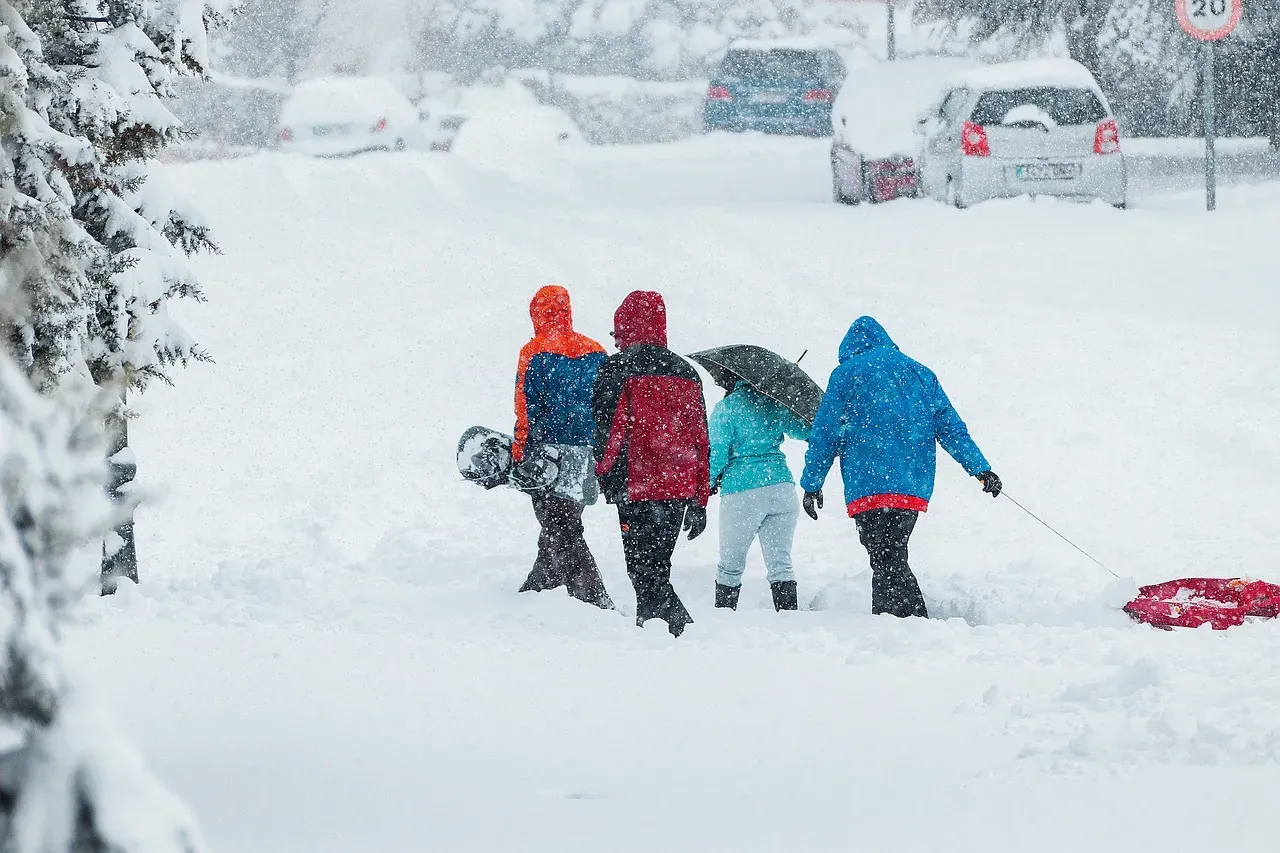
Few images capture infrastructure unpreparedness better than a major American city brought to its knees by a couple of inches of snow. A major winter storm began impacting the Deep South in early January 2025. Up to 14.3 inches of snow fell in Mena, Arkansas, with 2.2 inches of snow in Dallas, 3.5 inches in Oklahoma City and 2.1 inches in Atlanta, the largest snowstorm in years for these cities.
During the storm, a ground stop was issued at Hartsfield-Jackson International Airport, with over half of flights cancelled; significant cancellations also occurred at Dallas-Fort Worth International Airport and Charlotte Douglas International Airport. With over 3,000 flights cancelled, it represented the most significant daily delays since July. Think about what that means for one airport alone. That single event sent ripple effects across hundreds of connecting cities, supply chains, and thousands of stranded travelers.
Frozen Pipes and the Hidden Cost Inside Your Walls

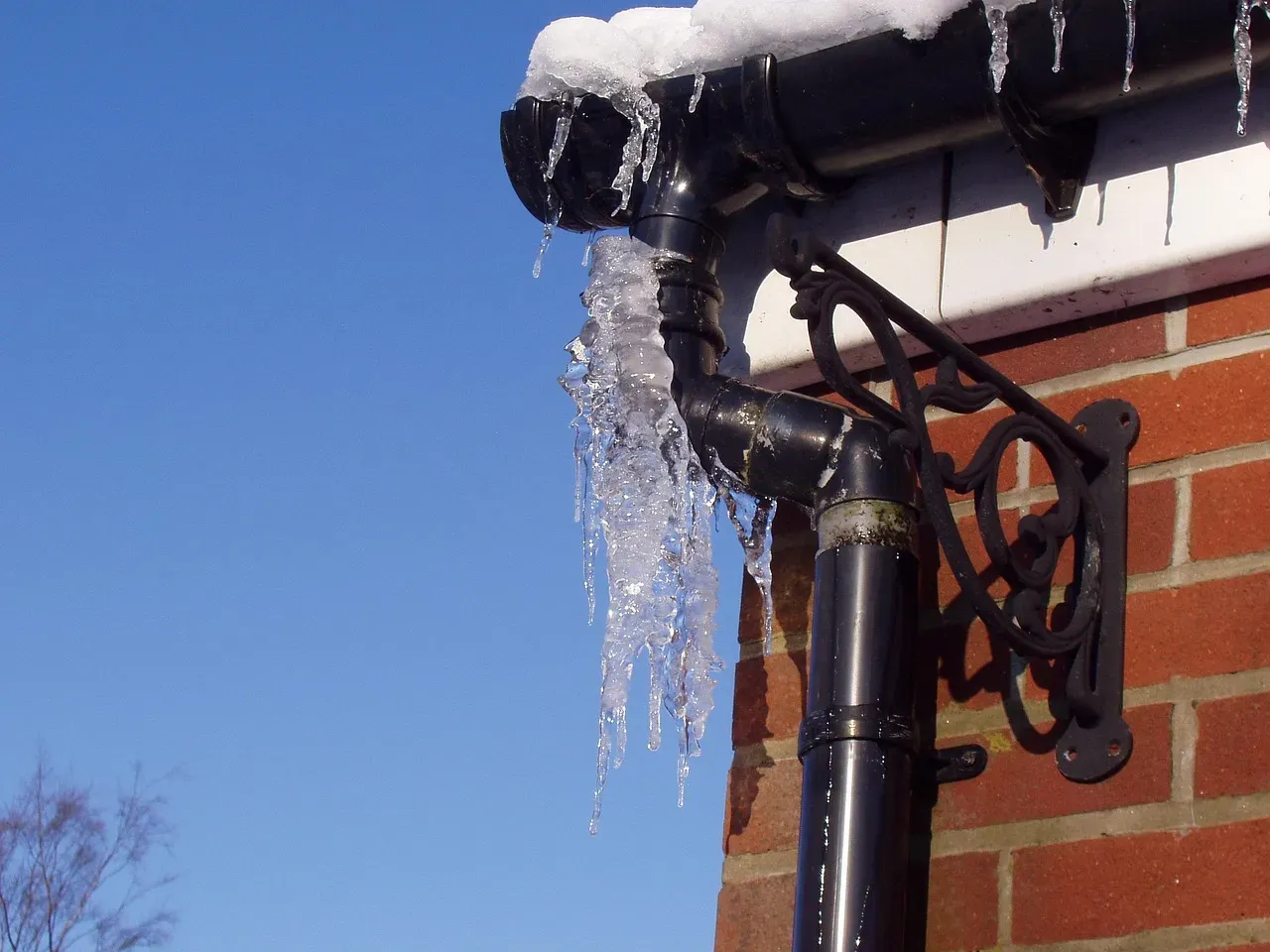
Infrastructure failure during winter storms doesn’t only happen at the macro level. It happens inside homes and buildings too, often with devastating financial consequences. Consumers filed more than 20,000 claims for frozen pipes and winter water damage from January 2024 through June 2025, totaling over $628 million in paid losses, according to an analysis by insurer State Farm of its closed and paid homeowners claims.
It’s hard to say for sure exactly how much of this was preventable, but the pattern is unmistakable. Regions that rarely see hard freezes haven’t insulated pipes to the same standards as, say, Minnesota or Maine. When temperatures dip into rare territory, the result is a quiet epidemic of burst pipes that turns neighborhoods into a waterlogged mess. Widespread impacts to infrastructure including buildings, transport, and utilities, along with associated snow hazards during snow deluge events and rapid melt, can deeply impact communities.
The Investment Gap That Keeps Growing

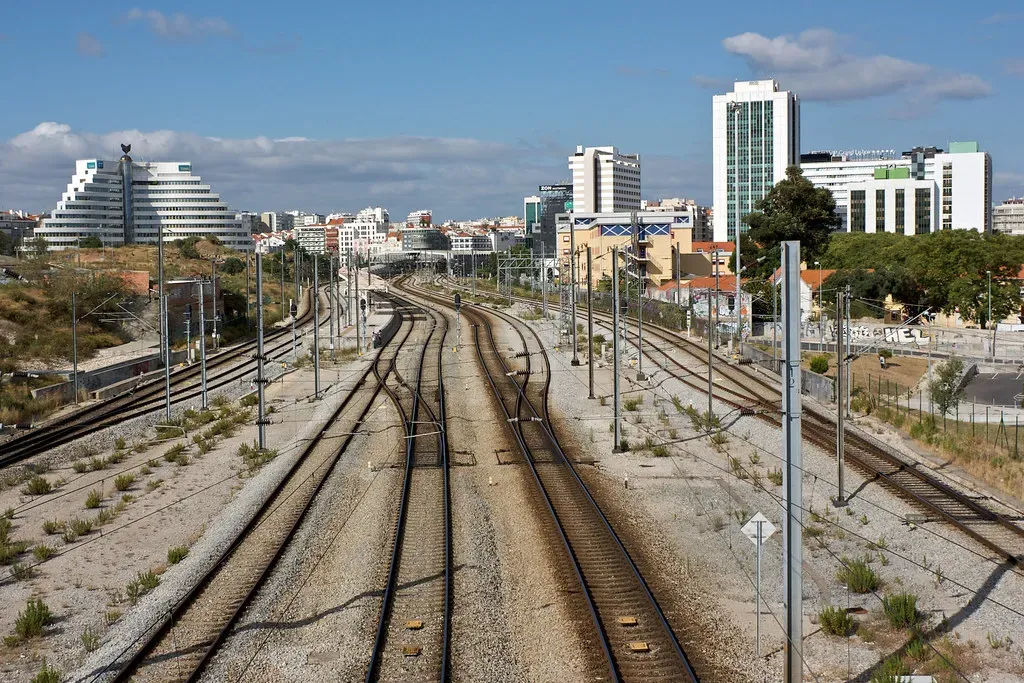
The numbers behind America’s infrastructure funding shortfall are genuinely staggering, and they should make anyone paying attention feel a little uneasy. ASCE cautions that improvements are driven largely by short-term funding increases rather than long-term certainty, leaving aging and climate-exposed systems vulnerable if investment slows once current law authorizations expire in 2026. Even if current funding levels continue, ASCE estimates a $3.7-trillion investment gap over the next decade to bring infrastructure systems into a state of good repair.
Extreme weather events caused more than $180 billion in damage in 2024, reinforcing ASCE’s conclusion that resilience investments, while increasing upfront costs, reduce long-term financial and operational risk. You can either pay upfront to build better, or you pay far more to rebuild after disaster. The math is not subtle. ASCE notes that continued or increased investment is necessary and that reduced federal and state investment levels will escalate the costs and risks of an aging infrastructure system. Infrastructure investments must be made with consideration of a project’s full life cycle, including the impact of more frequent extreme weather.
The Resilience Dividend: Why Every Dollar Spent Now Saves a Fortune Later

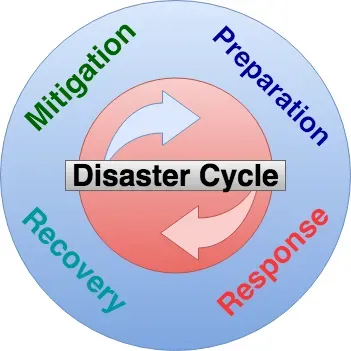
There is genuinely good news buried inside all of this sobering data. And it’s surprisingly powerful. Every $1 invested in resilience and disaster preparedness saves $13 in economic impact, damage, and cleanup costs after the event. That’s not a rounding error. That’s a thirteen-to-one return on investment, and it holds true whether you’re talking about a rural town or a major metropolitan area.
FEMA has a lead role in guiding nationwide mitigation of extreme weather events, including those resulting from the impacts of climate change. FEMA administers the federal government’s most significant grant programs for pre- and post-disaster mitigation. FEMA has identified hazard mitigation as one of the main ways in which the agency will enhance resilience to the effects of climate change.
As the costs of disasters continue to rise, it becomes more evident that a post-disaster approach to natural catastrophes is not sustainable. Research shows that every dollar invested in pre-disaster mitigation saves up to $13 in federal spending. The federal government cannot continue to allocate the majority of risk reduction funding after damage has been inflicted when pre-disaster mitigation and resiliency efforts have repeatedly proven to be more effective and save millions in taxpayer money.
Conclusion: The Flurries Were a Warning We Keep Ignoring

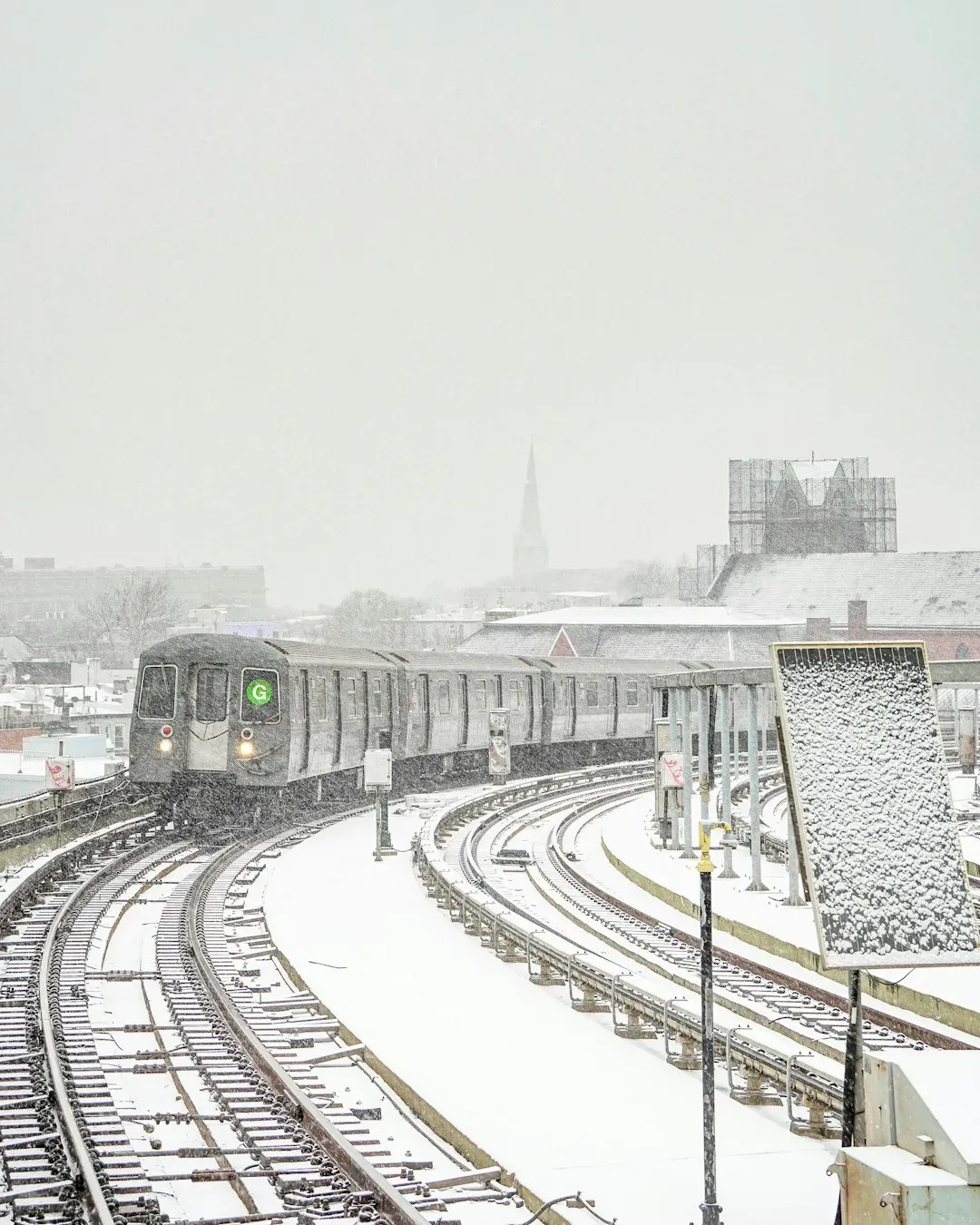
Snow in the valley is no longer a quirky weather story. It’s a signal. A signal that climate patterns are shifting, that extreme weather is arriving in places that were never designed to handle it, and that the infrastructure holding everyday life together was built for a world that no longer exists.
The data from NOAA, ASCE, FEMA, and independent economic studies all point in the same direction. We are consistently underprepared, consistently underfunded, and consistently paying the price after the fact rather than before. The evidence is in every burst pipe, every grounded flight, every gridlocked highway covered in two inches of snow that no one had the equipment to clear.
Proactive investment in resilient infrastructure isn’t idealism. It’s arithmetic. The question isn’t whether another valley will see unexpected snow. It’s whether, when that moment comes, we will finally have been ready for it. What do you think it will take to actually make that happen? Share your thoughts in the comments.


