There’s a particular kind of confidence that comes from recognizing a song in under two seconds, before the vocals even show up. It’s not about knowing the lyrics or the chorus. It’s about hearing four notes of low end and immediately knowing exactly which record you’re standing next to. Bass players rarely get the same spotlight as guitarists or singers, yet some of them wrote the single most identifiable moment on an entire album. This is a walk through ten records where the bassline isn’t just a supporting part. It’s the fingerprint. Play any of these clips to a room full of music fans and watch how fast the guessing turns into nodding.
Fleetwood Mac, Rumours
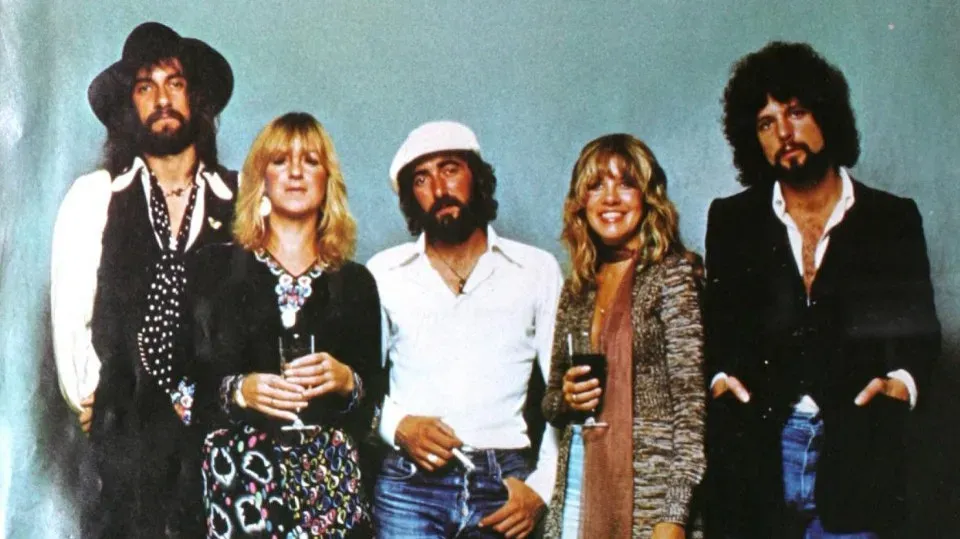
Rumours turned forty-plus years old with its groove still fully intact, and “The Chain” is the reason so many people can place the album from bass alone. For the first few minutes of this track from Fleetwood Mac’s iconic 1977 album Rumours, bassist John McVie plays a steady, understated role, locking perfectly into Mick Fleetwood’s kick drum. Then everything falls away and McVie takes over completely.
At the 3:04 mark, the song strips away to reveal his iconic, growling solo riff, serving as the ultimate musical bridge before igniting one of the most famous, cathartic outro jams in rock history. That single riff has been used in Formula 1 broadcasts for decades now, which means millions of people who’ve never bought a Fleetwood Mac record still know this bassline by heart.
Pink Floyd, The Dark Side of the Moon
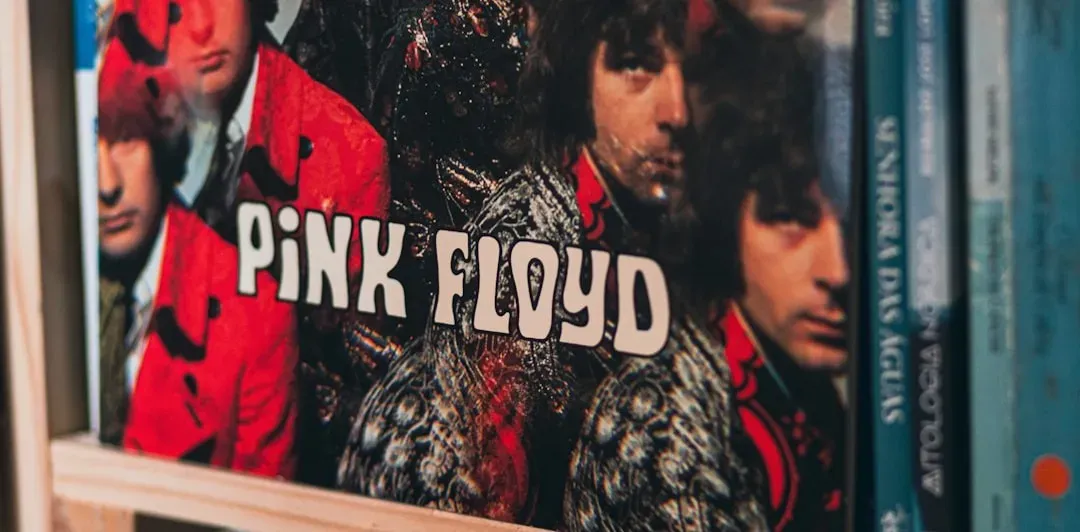
Roger Waters didn’t write a typical rock bassline for “Money.” He wrote one in an odd time signature that somehow still feels like it grooves. Set in an unusual 7/4 time signature, Roger Waters’ bass line in “Money” is both groovy and unconventional.
What makes it so recognizable is the cash register sound effects layered right on top, but strip those away and the bass alone still tells you exactly where you are. The lopsided count is part of the charm, forcing your foot to trip slightly before catching the pocket again. It’s one of the rare cases where a technically tricky part became genuinely popular with casual listeners, not just musicians studying it in a practice room.
Michael Jackson, Thriller
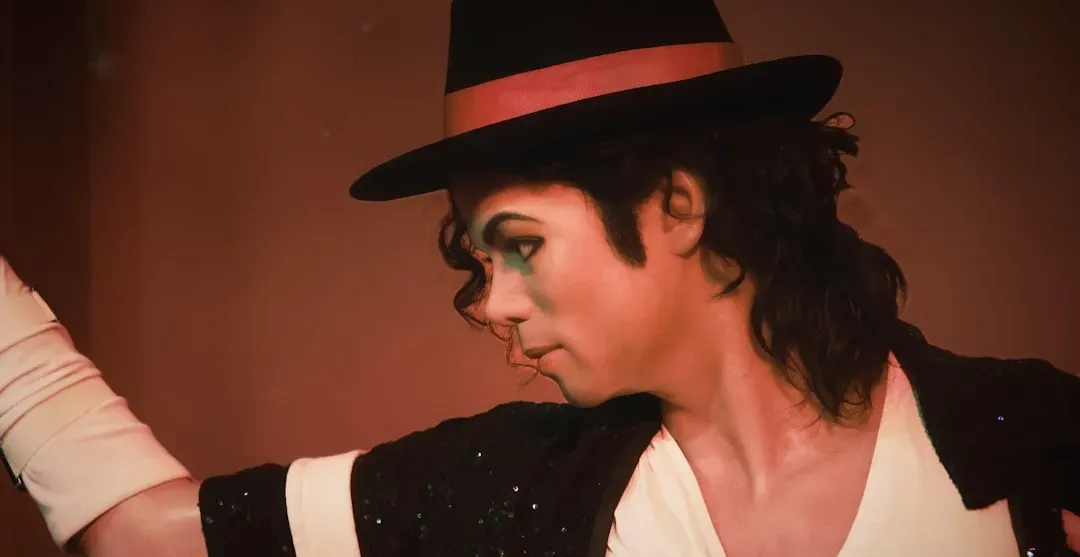
Louis Johnson wasn’t a member of Michael Jackson’s touring band, but his session work on “Billie Jean” became inseparable from the entire Thriller era. The smooth, hypnotic bassline of “Billie Jean” is as legendary as the King of Pop himself, providing a sleek yet commanding rhythm that drives the song forward.
Quincy Jones reportedly wanted to cut the intro shorter, and Jackson pushed back, insisting the bass groove needed room to breathe before the beat even arrived. That decision paid off. The line loops with almost hypnotic simplicity, yet somehow never gets old even after tens of millions of plays.
The Beatles, Abbey Road

Paul McCartney gets less credit as a bassist than he deserves, mostly because his songwriting and vocals overshadow everything else he does. “Come Together” is the clearest counterargument on the entire Beatles catalog. On “Come Together,” McCartney’s creativity shines through a slow, bluesy groove, full of slides and bends, that creates a moody, unforgettable atmosphere defining the song.
The bass essentially replaces the guitar riff as the song’s main hook, which was an unusual move for a Beatles track at that point in their career. It slinks rather than drives, and that laziness is deliberate. Few opening tracks on any album have ever leaned this hard on low end to set the mood.
Queen, The Game
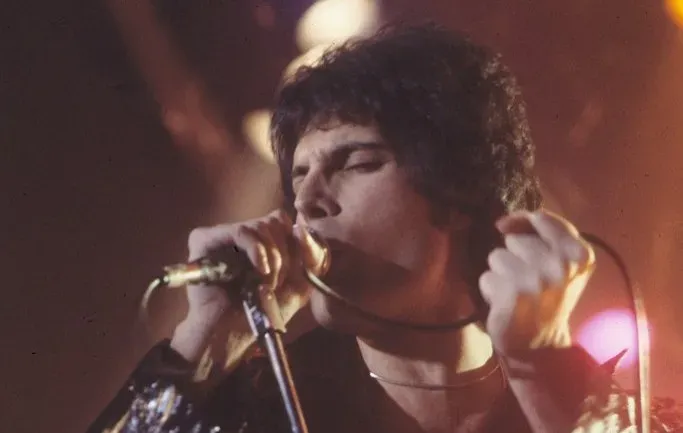
John Deacon wrote “Another One Bites the Dust” almost entirely around its bass part, and the story behind it involves more disco influence than most Queen fans expect. John Deacon wrote this groove after digging into soul and disco, inspired by Chic’s Bernard Edwards, admitting Queen had been trying for a track like this for a while.
It turned into one of the most recognizable basslines in rock history, and gave Queen a dance hit in disguise. The rest of the band initially wasn’t sold on the idea, which is a little hard to believe given how the song eventually became one of Queen’s best-selling singles. Sometimes the bassist knows something the rest of the room doesn’t yet.
Nirvana, Nevermind

Krist Novoselic doesn’t usually get mentioned in the same breath as flashy technical players, and that’s sort of the point. His value was in feel, not showmanship. Novoselic brought a raw, gritty edge to the band’s grunge sound, and tracks like “Lithium” and “Come As You Are” feature bass lines that are both driving and melodic, perfectly complementing Kurt Cobain’s guitar work.
“Come As You Are” in particular has a bassline that mirrors the guitar so closely the two instruments almost merge into one sound. That murky, chorused tone became a defining texture of early nineties alternative rock. It’s proof that a bassline doesn’t need complexity to be unforgettable, just the right amount of atmosphere.
Partner offer
Rush, Moving Pictures

“YYZ” is the kind of track that separates casual bass players from serious ones, and it opens Moving Pictures with zero warmup. Geddy Lee lays down a tour de force of rock bass with a progressive jack-in-the-box line that sits square in the awkward pocket of ten-eighth time, coming from a jam between him and Neil Peart.
Roughly eighteen percent of respondents in one major poll named it the best bassline of all time, which says a lot given how many contenders exist. The riff is instantly recognizable even to people who’ve never sat through a full Rush album. It’s technical without feeling cold, which is a harder balance to strike than it sounds.
Metallica, Kill ‘Em All
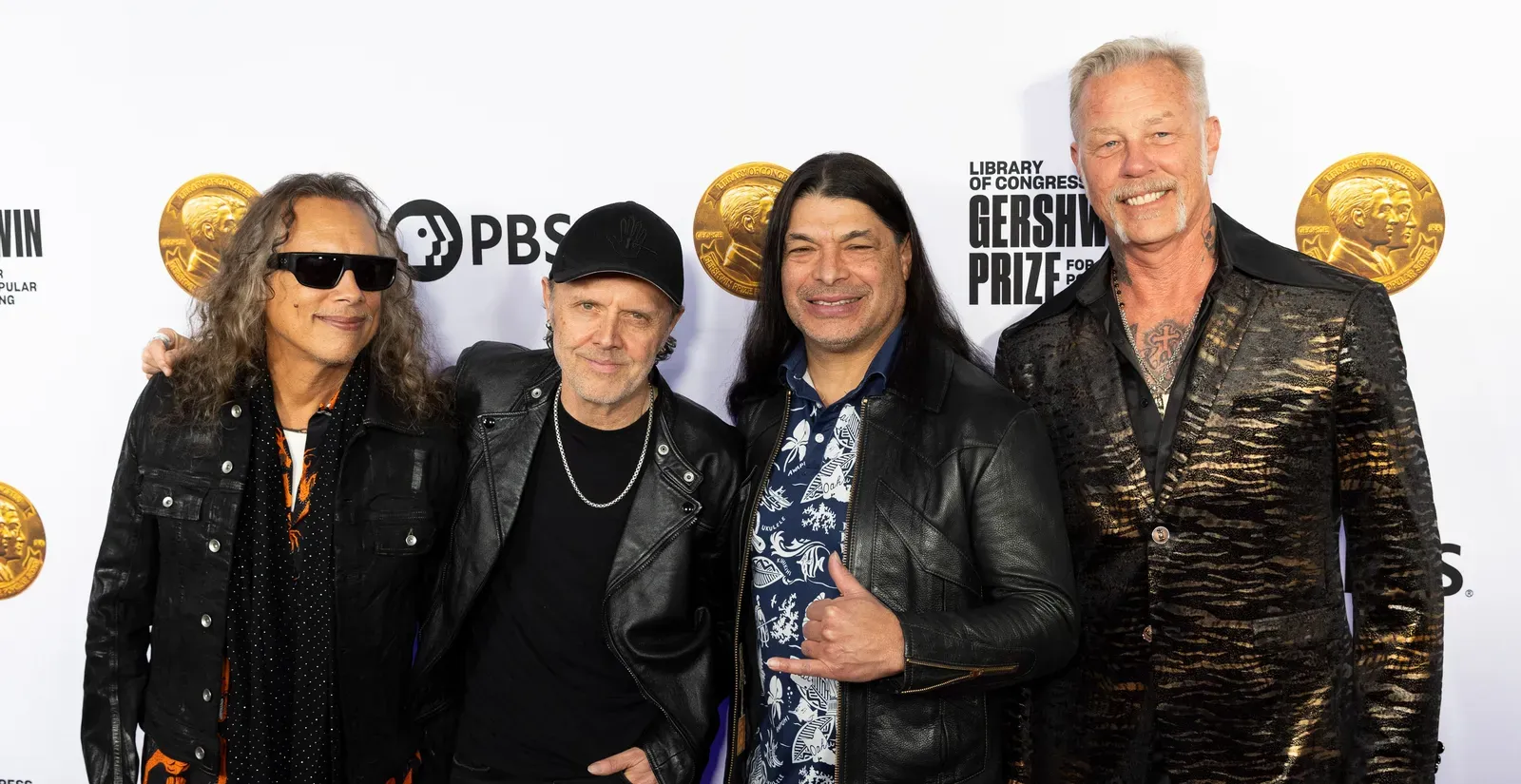
Cliff Burton only appeared on a handful of Metallica records before his death in 1986, but “(Anesthesia) Pulling Teeth” remains one of the most studied bass solos in metal history. A standout track, Burton’s descending chromatic riff articulates a sense of pure dread, inspired by Hemingway’s unsparing war writing.
This helped raise the profile of the bass guitar and inspire a new generation of players, and the song continues to be a benchmark for bass solos and a source of inspiration for musicians on many levels. Fellow bassist Flea later called it one of the great moments in rock history for the instrument during Metallica’s Rock and Roll Hall of Fame induction. Few debut albums have a bass moment this ambitious sitting right in the middle of the tracklist.
The Clash, London Calling

Paul Simonon wasn’t the most technically trained musician in The Clash, but “The Guns of Brixton” doesn’t need technical flash to hit hard. Paul Simonon’s bassline opens like a siren warning the apocalypse.
That description fits the mood of the whole track, which leans reggae and dub far more than the punk sound the band was known for elsewhere on the record. The bassline carries almost the entire emotional weight of the song, since Simonon’s vocal delivery is deliberately flat and understated. It’s a strong reminder that London Calling worked as well as it did because the band was willing to let genres blend without worrying about purity.
Red Hot Chili Peppers, BloodSugarSexMagik

Flea built his entire reputation on basslines that jump out of the speakers, and “Give It Away” might be the clearest showcase of that style on any single Chili Peppers record. The iconic bassline in “Give It Away” is a prime example of Flea’s distinctive funk mastery.
The slap-and-pop technique running through the verse creates a bounce that feels almost impossible to sit still through. It’s aggressive without losing its groove, which is exactly the balance funk-rock bassists spend years trying to nail. BloodSugarSexMagik as a whole leans on that low end constantly, but this track is the one most people can place within a second or two.
Why Basslines Stick the Way They Do
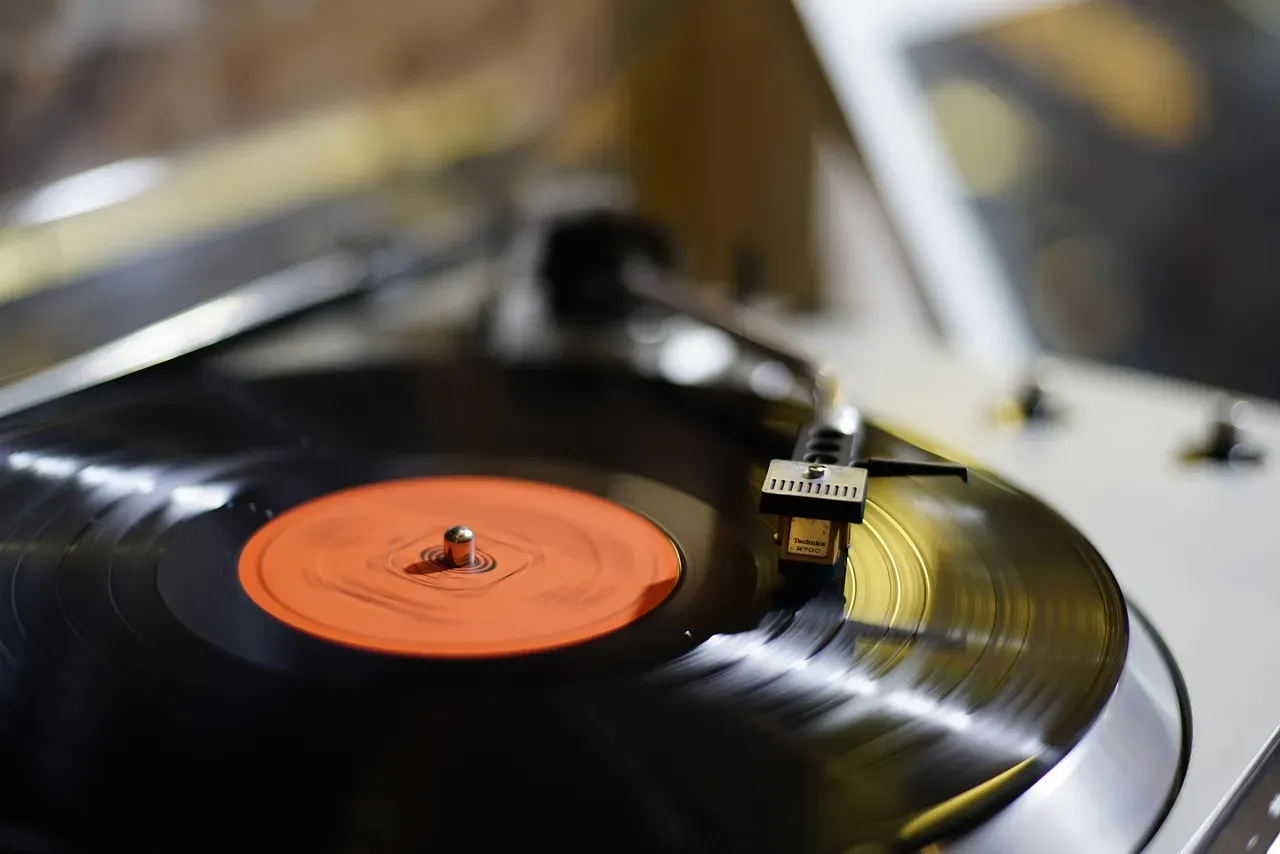
There’s a reason these particular lines outlast the songs around them in listeners’ memory. Basslines tend to be repetitive by design, built to loop and lock into a groove rather than resolve like a melody does. That repetition is exactly what makes them easy to memorize, even for people who’ve never picked up an instrument.
Naming an album from its bassline alone isn’t really a party trick. It’s a sign that a listener has spent real time paying attention to the parts of a song that don’t usually get the spotlight. The bassists on this list earned that attention the hard way, one groove at a time.
Partner offer
Planning a trip to Vegas?
Compare hotel rates and show tickets on VEGAS.com.