


There was something genuinely strange and exciting about flipping to MTV in the early ’80s. Music had always lived in your ears, but suddenly it was demanding your eyes too. The artists who figured out how to work that combination – drama, choreography, spectacle, or even just the right leather jacket – became the decade’s defining cultural exports.
Some of these videos were technically revolutionary. Others were pure theater. A few of them broke barriers that needed breaking. All of them lived rent-free in the heads of anyone who spent serious time in front of a television between 1981 and 1989. Here are the 11 that truly owned the channel.
1. Michael Jackson – “Thriller” (1983)

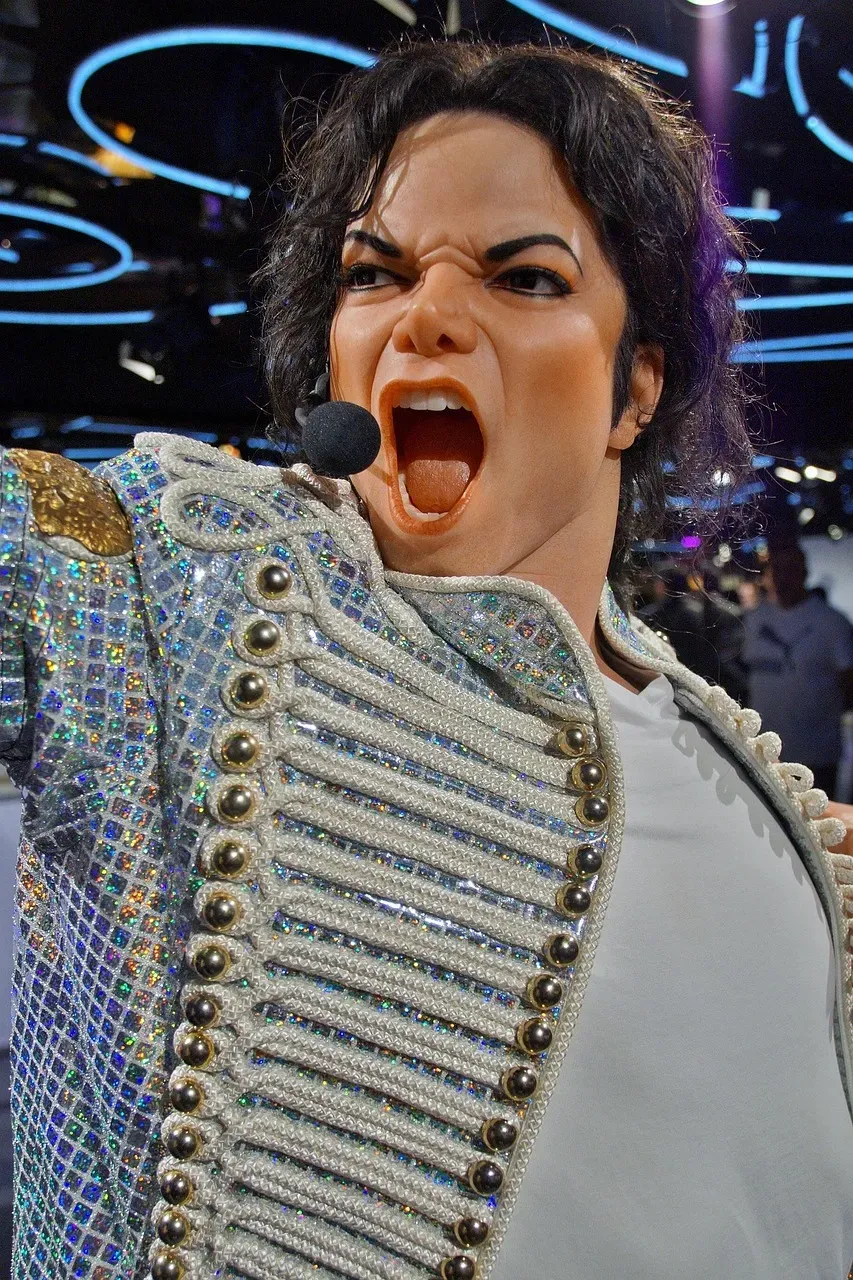
On December 2, 1983, MTV aired what would become the most influential music video of all time, featuring a big budget and a lengthy runtime that introduced the world to the cinematic potential of the format. Director John Landis and Jackson conceived a short film shot on 35mm with the production values of a feature film, at a budget of around $500,000 – roughly ten times the cost of the average music video at the time.
When the 14-minute video aired, MTV ran it twice an hour to meet demand. It marked a dramatic increase in scale for music videos and has since been routinely named the best music video ever made, credited with transforming music videos into a serious art form and breaking down racial barriers in popular entertainment. The Library of Congress described it as “the most famous music video of all time,” and in 2009 it became the first music video inducted into the National Film Registry as culturally, historically, and aesthetically significant.
2. The Buggles – “Video Killed the Radio Star” (1981)

It was the first music video shown on MTV in the US, airing at exactly 12:01 a.m. on August 1, 1981. Director Russell Mulcahy brought more production value to the clip than most artists bothered with at the time, when most bands simply filmed themselves performing a song. The title turned out to be the perfect prophecy for a channel that would soon reshape the music industry entirely.
The song had been a big hit in England in 1979, but was practically unknown in America. Once MTV went on the air and the video entered rotation, record stores in cable-connected areas started moving Buggles albums fast, even though radio wasn’t playing the song. It was an early and unmistakable signal of the network’s power to sell records. In 2024, Billboard recognized it as the number-one greatest song about the music industry.
3. Michael Jackson – “Billie Jean” (1983)

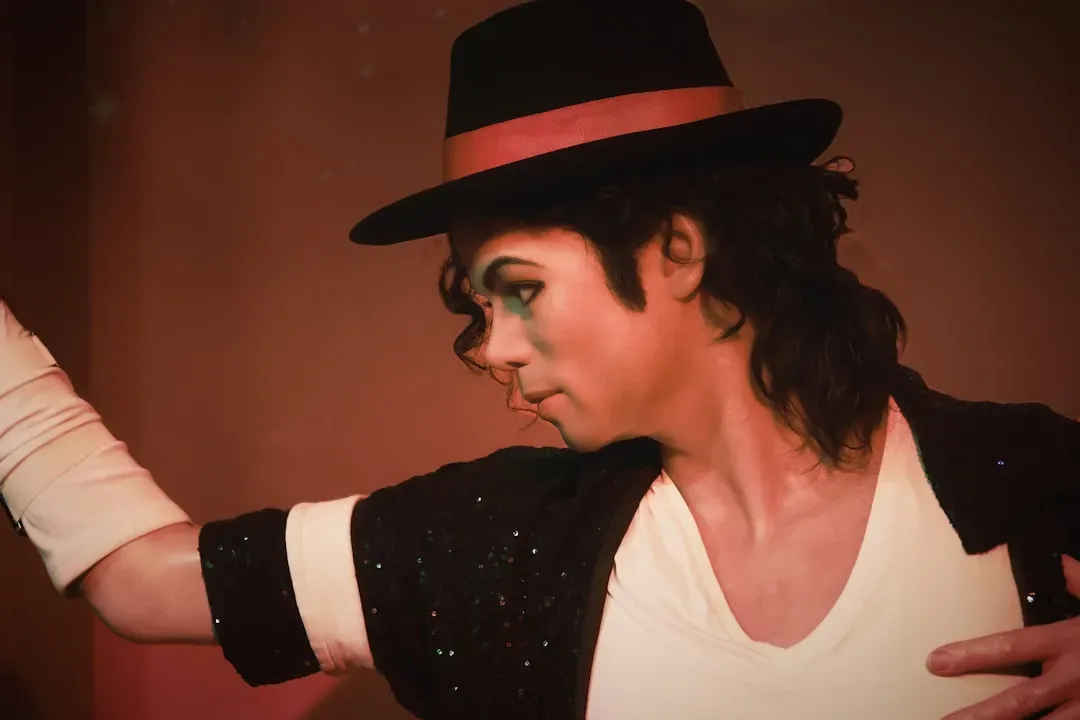
This was the video that finally got MTV to put a Black artist into heavy rotation, and once they did, there was no turning back. Jackson walks a moody city street where every step lights up beneath him, creating one of the most iconic visual effects in music video history. Add in a noir-style mystery plot and his trademark dance moves, and the result feels incredibly cool and utterly unforgettable.
The video for “Billie Jean,” alongside “Beat It,” is credited with raising creative standards for music videos overall and demonstrating their enormous promotional power. The “Beat It” video had its MTV primetime premiere on March 31, 1983, but it was “Billie Jean” that first cracked open the door on racial segregation at the channel, changing who and what MTV was willing to show its audience.
4. A-ha – “Take On Me” (1985)


The video used a pencil-sketch animation and live-action combination called rotoscoping, in which live-action footage is traced using a frame-by-frame process to give the characters realistic movements. Approximately 3,000 frames were rotoscoped, which took 16 weeks to complete. Warner Bros. executive Jeff Ayeroff allocated what was at the time a massive sum for a music video to make it happen.
Wide exposure on MTV helped propel the single to the top of Billboard’s Hot 100, reaching number one in October 1985. At the 1986 MTV Video Music Awards, the video won six awards, including Best New Artist in a Video, Best Concept Video, Most Experimental Video, Best Direction, Best Special Effects, and Viewer’s Choice. On February 17, 2020, the music video reached one billion views on YouTube.
5. Madonna – “Material Girl” (1984)

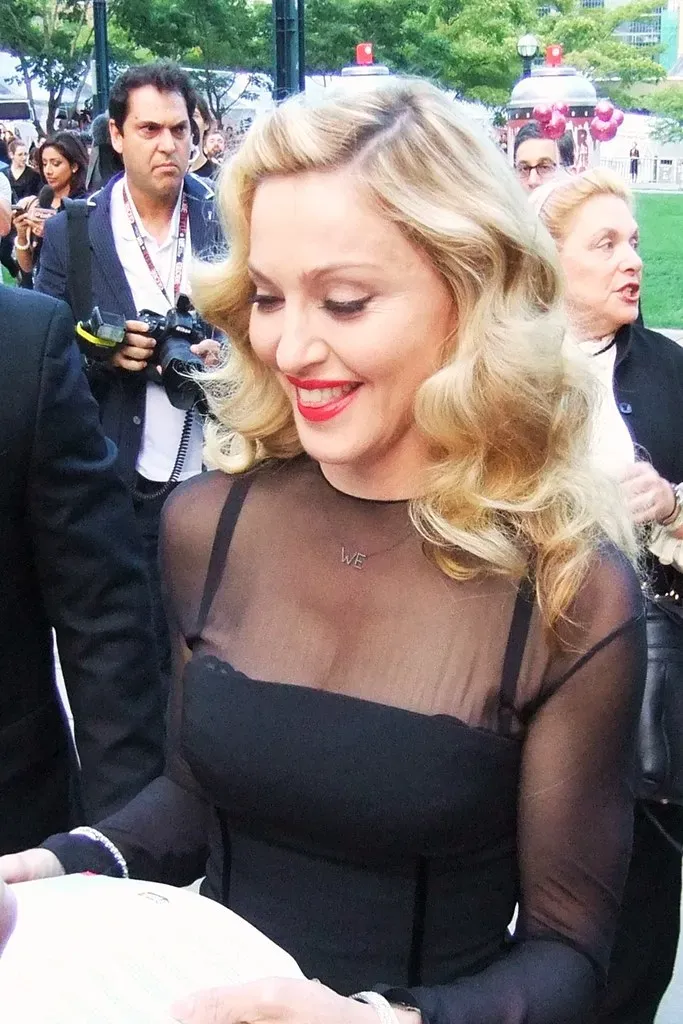
The video recreated Marilyn Monroe’s iconic performance of “Diamonds Are a Girl’s Best Friend,” with Madonna wearing a hot pink dress and surrounded by dancing men. Her bold performance and visual storytelling perfectly captured the decade’s excess and attitude. It was the kind of image that could stick to a person permanently, and it did – “Material Girl” became one of the defining nicknames of the entire decade.
Madonna undoubtedly became one of the musical artists with the biggest success on MTV. Her first music video was “Borderline,” followed by “Lucky Star,” and then “Like a Virgin” in 1984 defined the iconic Madonna image and fashion for a younger generation. She wasn’t just making videos – she was constructing a persona, one carefully calculated frame at a time.
6. Cyndi Lauper – “Girls Just Wanna Have Fun” (1983)

The video was tailor-made for MTV. With Lauper bouncing around like a human cartoon character, it begins in a tenement flat as she’s berated by her mom and dad – the latter played by pro wrestler “Captain” Lou Albano – before morphing into a joyous dance party in the streets of New York.
Not only did the quirky video, made on a shoestring budget of just $35,000, win Lauper a Moonman trophy at the MTV Video Music Awards, but it remains enduringly popular – as of late 2025, the iconic video had received over 1.6 billion views on YouTube. That budget-to-impact ratio is almost hard to believe in retrospect. It proved you didn’t need a Hollywood production to make something that would outlast the decade.
7. Duran Duran – “Hungry Like the Wolf” (1982)

Produced by Colin Thurston, “Hungry Like the Wolf” cemented Duran Duran’s status as MTV icons. The video, filmed on location in Sri Lanka, leaned into a cinematic adventure style that felt genuinely exotic at a time when most music videos were shot in warehouses or on concert stages. It turned the band into objects of fascination as much as musicians.
The popularity of MTV during the 1980s cannot be understated, as music videos influenced pop culture broadly – the hit TV police drama “Miami Vice” was nicknamed “MTV cops” for the way the series cinematically imitated the quick-cut, glossy look of music videos. Duran Duran was at the center of that glossy aesthetic more than almost any other act of the era. Their videos weren’t just promotional tools; they were aspirational short films.
8. Peter Gabriel – “Sledgehammer” (1986)


Packed with claymation, pixilation, dancing raw chickens, and mind-bending visuals, “Sledgehammer” pushed the boundaries of what was technically possible in a music video. Gabriel reportedly spent 16 hours under a sheet of glass while animators worked around him frame by frame. The patience involved in making the thing was almost as remarkable as the result.
Peter Gabriel’s video for his 1986 Billboard Hot 100 number-one single was a collaboration with Aardman Animations which set new standards for the industry and became one of the most awarded videos in history. It won nine MTV VMAs and secured a place in video history as one of the most imaginative and ambitious visuals of the decade. For a lot of viewers, it was the first time a music video genuinely felt like something you could study.
9. Run-D.M.C. feat. Aerosmith – “Walk This Way” (1986)

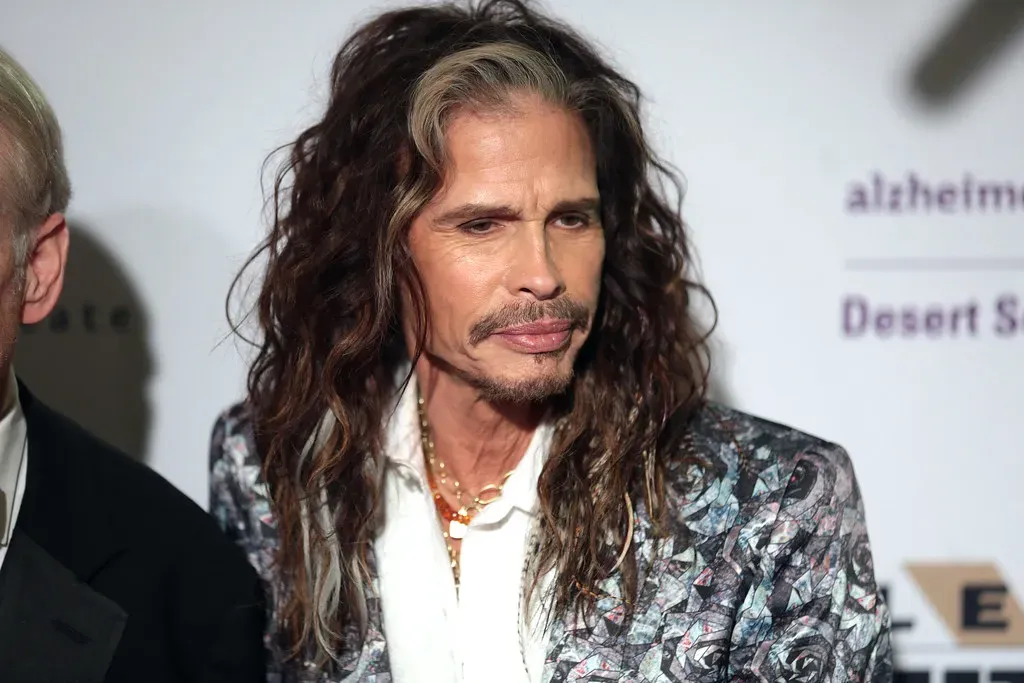
This iconic collaboration didn’t just bridge rock and hip-hop – it smashed the barrier completely. With Steven Tyler busting through a wall and Run-D.M.C. trading verses on the other side, the video became a metaphor for breaking down racial and musical divisions. It brought hip-hop to a wider audience and gave Aerosmith a second wind.
The video quickly became an MTV staple, introducing Run-D.M.C. to a whole new audience while reviving Aerosmith’s career. In the video, the two groups playfully pretended to be bothered by the other’s noise, then come together in the end after they break down the literal and metaphorical walls separating them. The concept sounds almost too on-the-nose now, but in 1986 it genuinely felt like a cultural event.
10. Dire Straits – “Money for Nothing” (1985)


The video for “Money for Nothing” was a landmark in digital animation history, mixing advanced computer animation technology with footage of the band performing, seen through the perspective of animated factory worker characters. With its neon-outlined, blocky CGI characters, the video was a glimpse into the future – the animation looks dated now, but in 1985 it was genuinely cutting-edge.
The song’s snarky lyrics about MTV fame were matched by visuals of blue-collar cartoon workers watching rock stars on TV. The opening line, “I want my MTV,” sung by Sting, became an iconic catchphrase for the network itself. There was a self-aware irony in the whole thing – a song mocking MTV becoming one of the most-played videos on MTV – that the decade somehow fully embraced without blinking.
11. ZZ Top – “Legs” (1984)


The Texas trio had been known for grimy blues-rock until their 1983 “Eliminator” album took a sleeker, synthesizer-driven approach. “Eliminator” became the band’s biggest album, selling more than all their previous LPs combined, and a big part of that success came from a trio of MTV videos including “Gimme All Your Lovin’,” “Sharp Dressed Man,” and “Legs.”
Together, the videos told three interconnecting tales woven together by the appearance of the titular Eliminator, a tricked-out 1933 Ford Coupe. Of the three, “Legs” is the most iconic – the story of a teenage girl working a lousy strip-mall job until a group of glamorous women pour out of the car to give her a rock-and-roll makeover, while vanquishing the bullies who had been keeping her down. It was pure ’80s mythology, condensed into about four and a half minutes.
What’s remarkable, looking back at this list, is how many of these videos were solving problems that didn’t even have names yet. How do you turn a song into something visual? How do you make people watch the same three minutes over and over again and still feel something? The artists and directors who cracked that puzzle in the ’80s didn’t just make great clips. They invented a language that pop culture is still speaking today.


