There’s a certain type of moviegoer who gravitates toward films that the wider audience hasn’t quite caught up to yet. Not because they’re chasing obscurity for its own sake, but because something in the story, the visual language, or the emotional honesty of those films just resonates on a deeper level. Classic Hollywood produced a remarkable number of those films.
Some of these pictures were received coldly at the box office, dismissed by critics, or simply ignored by audiences who weren’t ready for what they were seeing. Decades later, they’re studied in universities, referenced by the greatest living directors, and streamed by new generations who recognize their brilliance instantly. If you were watching these eight films early, you were already thinking about cinema differently than most.
1. Vertigo (1958)
Vertigo has been acclaimed as Alfred Hitchcock’s masterpiece. In the 2012 Sight and Sound poll of the greatest films of all time, it reached the number one position. Though the film’s reception was mixed at the time of its release in 1958, primarily because American audiences didn’t see the complexities at work, its critical evaluation has risen steadily over the decades.
Now widely regarded as Hitchcock’s best film and one of the strongest challenges to Citizen Kane for the title of greatest movie ever made, critics and audiences alike just weren’t ready for such an avant-garde treatment in 1958. It was one of Hitchcock’s biggest box office disappointments during his golden period, and only underwent significant reappraisal in the intervening years. The film’s exploration of obsession, identity, and male control remains unsettlingly modern, which is precisely why it took so long for the broader public to sit with it comfortably.
2. Citizen Kane (1941)
Citizen Kane was a groundbreaking film technically and structurally, fundamentally changing the language of cinema. The deep focus and inventive camera work would be absorbed into film grammar and replicated in countless movies to follow. Orson Welles directed, produced, co-wrote, and starred in the film at just 25 years old, which is still a staggering fact.
In Citizen Kane, a reporter investigates the life of Charles Foster Kane, a powerful and enigmatic newspaper magnate, attempting to uncover the meaning behind his final word. Through a series of flashbacks, Kane’s life is revealed from multiple perspectives. He is a complex figure, one of the most memorable in movie history, his ambition and loneliness intertwined in ways that defy simple interpretation. Watching it and truly getting it back in the day required a kind of film literacy that most casual audiences simply hadn’t developed yet.
3. Double Indemnity (1944)
Told in voiceover and through multiple flashbacks, Double Indemnity was the first of a cycle of films that broke openly with classical Hollywood’s straightforward narrative mode. As such, it initiated a pattern of film production that became increasingly marked and notably darker as the postwar era advanced. Billy Wilder directed it with a cold, unsentimental eye that felt genuinely radical for wartime Hollywood.
Wilder and his director of photography John Seitz play with light to portray the characters’ conflicting emotions. The juxtaposition of brightness and shadow parallels the unsteady moral consciousness of Phyllis and Walter, who both wobble between good and evil, love and lust, virtue and crime. The film was nominated for seven Academy Awards including Best Picture, yet it lost in every category, a fact that still feels like a mild injustice to anyone who has seen it.
4. Sunset Boulevard (1950)

The film uses its central character, Norma Desmond, to critique Hollywood and show business, while also delving into broader themes of delusion, obsolescence, and the psychological toll of public attention. Billy Wilder directed this one too, proving that a single filmmaker can reshape an art form more than once in a single decade.
The story of a faded silent-film star and the struggling screenwriter who becomes trapped in her decaying world felt audacious in 1950 because it was essentially Hollywood turning its lens on itself with genuine cruelty. Underrated classic movies that are true masterpieces never announce their brilliance but instead gradually reveal their worth over time through morality, psychological depth, or emotional honesty that lingers long after the credits have rolled. Sunset Boulevard fits that description almost perfectly. Its final shot remains one of the most indelible images in American cinema.
5. Rear Window (1954)
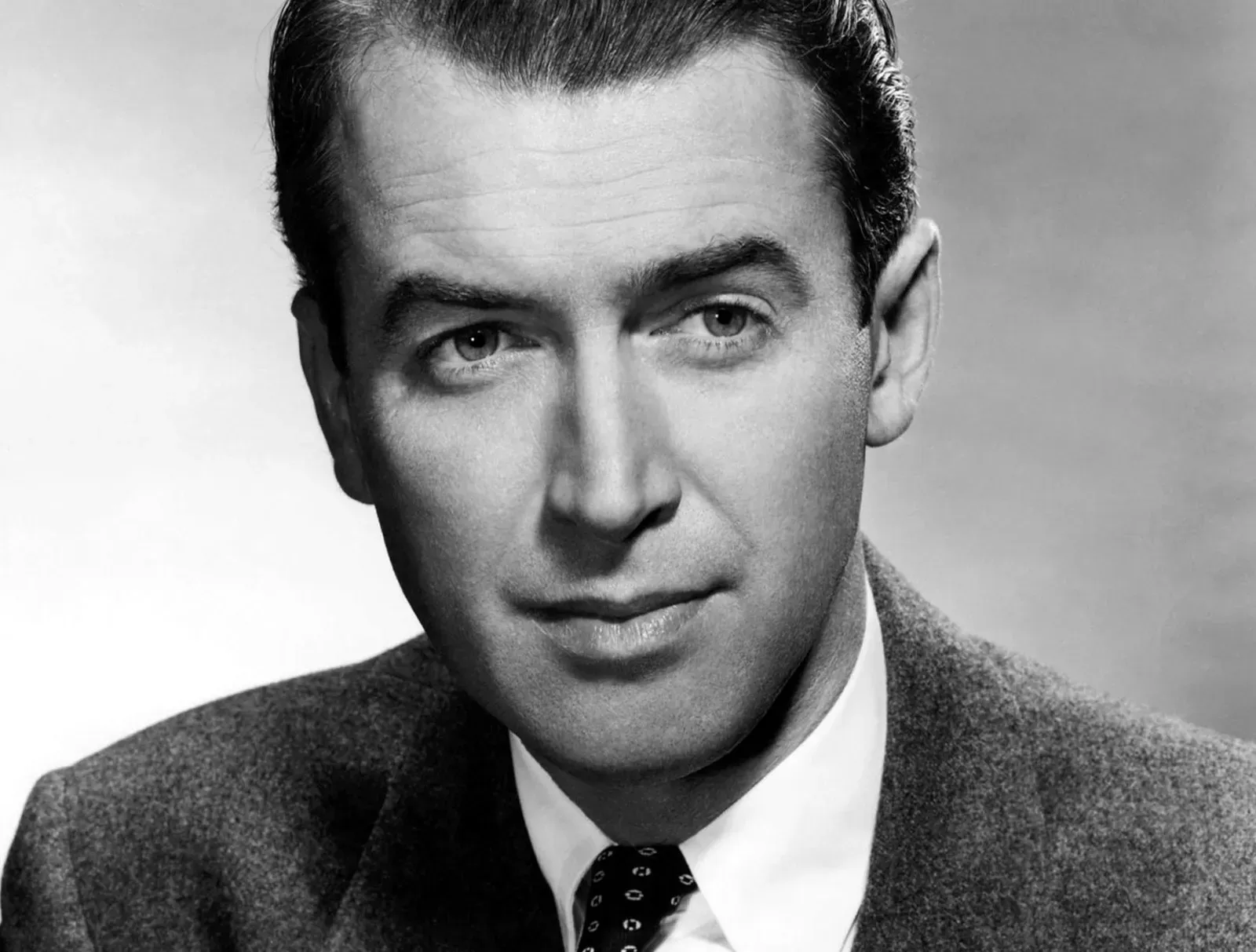
Hitchcock bought back the rights to Rear Window and left it in his daughter’s possession after his death. Because of this, the film was unavailable for decades, along with four others: The Man Who Knew Too Much, Vertigo, Rope, and The Trouble With Harry. Together they were known as the Five Lost Hitchcocks, and they were re-released in theaters around 1984 after a 30-year absence. That withdrawal from circulation meant a generation of moviegoers had essentially no access to it.
The film is a masterclass in spatial storytelling: almost the entire runtime unfolds from a single apartment window, yet it generates extraordinary tension. In both Rear Window and Vertigo, obsession leads to trouble, though both deal with very different types of obsession. In Rear Window, Jimmy Stewart is obsessed with watching his neighbors, and this leads to him finding out something he shouldn’t have found out. For viewers who recognized early that the real subject of the film was the act of watching itself, the experience was something else entirely.
6. Touch of Evil (1958)
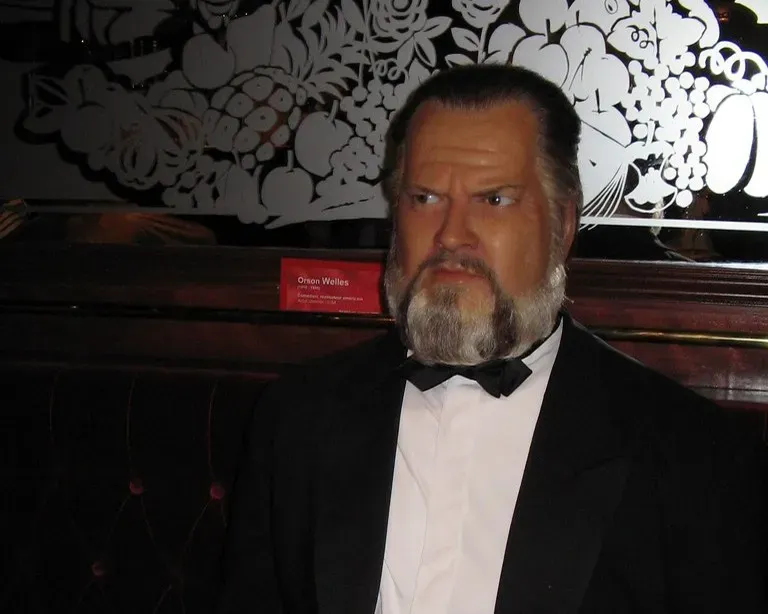
Often considered the very last film in the official film noir category, Orson Welles’ 1958 masterpiece of suspense and misdirection continues to impress decades later. Like just about every one of his films, Touch of Evil was taken away from him and re-edited by a studio system that didn’t understand the kind of film they’d be getting from a filmmaker way ahead of his time. Welles reportedly responded with a lengthy detailed memo to the studio, outlining exactly what had been lost in their re-edit.
Both Double Indemnity and Touch of Evil share similarities in their visual styles, which are heavily influenced by German Expressionism. The Expressionist style also influences the narrative and themes of the films. Touch of Evil opens with what is arguably the most famous unbroken tracking shot in Hollywood history, a rolling, restless crane movement that sets the tone before a single word of dialogue is spoken. Anyone who appreciated that on first viewing was already ahead of the curve.
7. The Maltese Falcon (1941)
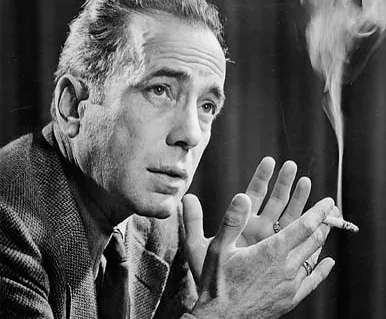
Classic film noir begins with The Maltese Falcon in 1941, with a period that includes directors such as Fritz Lang, Billy Wilder, Robert Siodmak, Michael Curtiz, William Dieterle, and Otto Preminger. John Huston’s debut as a director produced one of the sharpest, most cynical crime films ever committed to celluloid, and it essentially invented a template that Hollywood has been imitating ever since.
Humphrey Bogart’s Sam Spade is one of the great movie protagonists because he’s genuinely difficult to read. He’s not a hero in any reassuring sense. He lies, manipulates, and ultimately does the right thing for reasons that feel more like code than conscience. Even with many classic films enjoying a rich and full legacy, there are plenty of other incredible films that were ahead of their time that have been largely neglected. These movies are just as, if not more, important to the continued growth of cinema as an art form that broke conventions, or simply told a story extremely well.
8. All About Eve (1950)
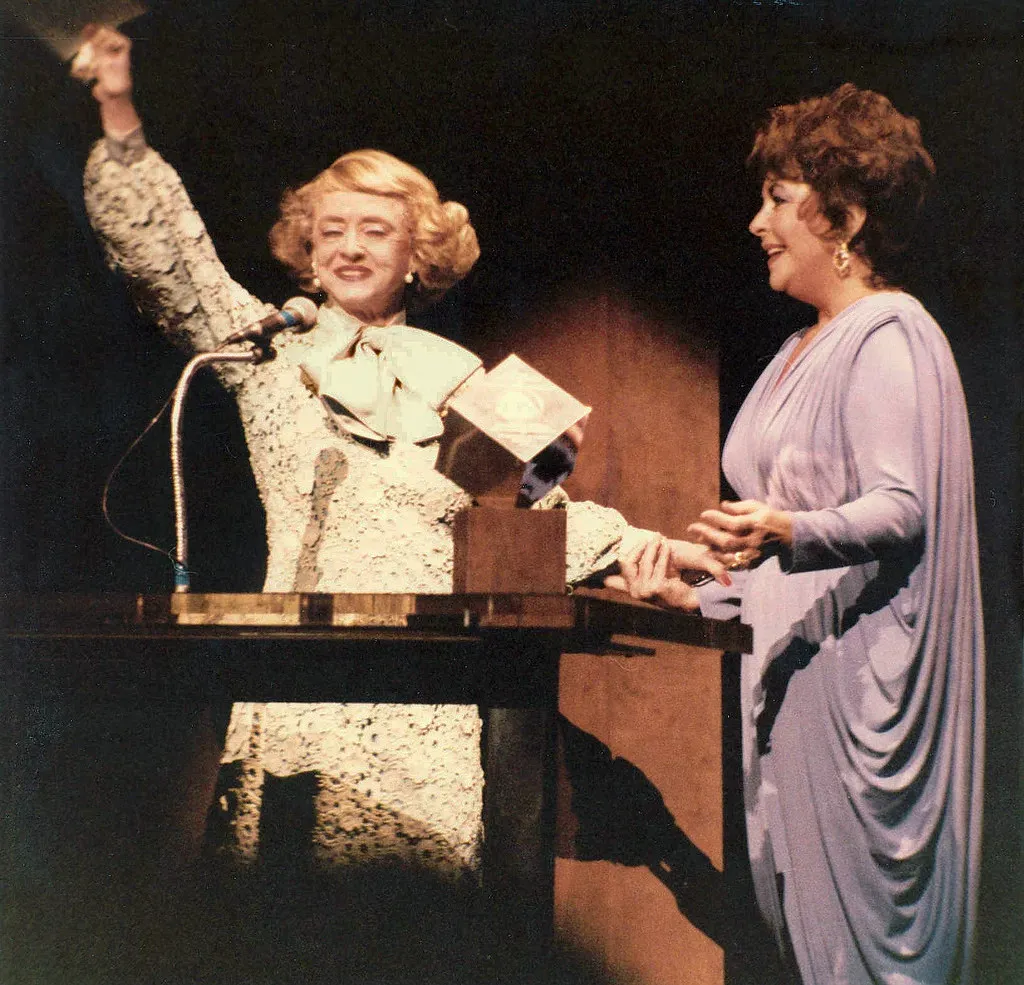
Far-sighted and intuitive, the creativity and innovation behind these films helped them reach insurmountable heights. Some of those films might have been poorly rated at the time of their release, but are now the subject of study and analysis by hundreds of thousands of cinephiles all over the world. All About Eve sits squarely in that category. It received fourteen Academy Award nominations, a record that held for decades, yet it lost Best Picture to All About Eve’s own year-mate competition.
The film dissects ambition, envy, and the fragility of fame with a precision that feels contemporary even now. Its portrait of a young woman systematically dismantling an older actress’s career while everyone around her mistakes manipulation for admiration still resonates as sharply as any modern prestige drama. Some films are thought to be shallow and devoid of meaning, when in reality it’s that critics or audiences miss the intention of the piece. Misconceptions like these relegate some truly great films to the trash heap of pop culture all because they were misunderstood at the time of their release. Audiences will watch classic movies for generations, missing out on the depth and nuance in the story if only they were willing to look for it. All About Eve rewards every single revisit.