It’s a tidy idea: nine novels, nine winners, one decade of Oscar history. The real count is a little different. Counting the ceremonies held from 1990 through 1999, ten films took Best Picture, and only five of them came from novels.
Going through the full list is the easiest way to see where the books end and the other source material begins. Here is each winner in order, with what it was based on.
Driving Miss Daisy (Ceremony of 1990)


This one isn’t a novel. It started as a play by Alfred Uhry, which won the Pulitzer Prize for Drama. Uhry also wrote the screenplay for the 1989 film.
The story follows an elderly Southern woman and her chauffeur across several decades. It won Best Picture at the ceremony that opened the decade, so it sits on the list as a stage adaptation rather than a book one.
Dances with Wolves (Ceremony of 1991)


Michael Blake published the novel in 1988, after first writing the story as a screenplay. Kevin Costner directed and starred in the film, and Blake adapted his own book for it. The screenplay won the Oscar for Best Adapted Screenplay.
The film follows a Union soldier who is posted to a remote frontier outpost and forms ties with a Lakota community. It is the first of the decade’s five true novel adaptations.
The Silence of the Lambs (Ceremony of 1992)


Thomas Harris’s 1988 thriller is the source here. Ted Tally wrote the adapted screenplay, and Jonathan Demme directed. The film won the five biggest awards: Picture, Director, Actor, Actress and Adapted Screenplay.
That sweep is rare for a thriller. Few films of any genre have taken all five of those categories.
Unforgiven (Ceremony of 1993)

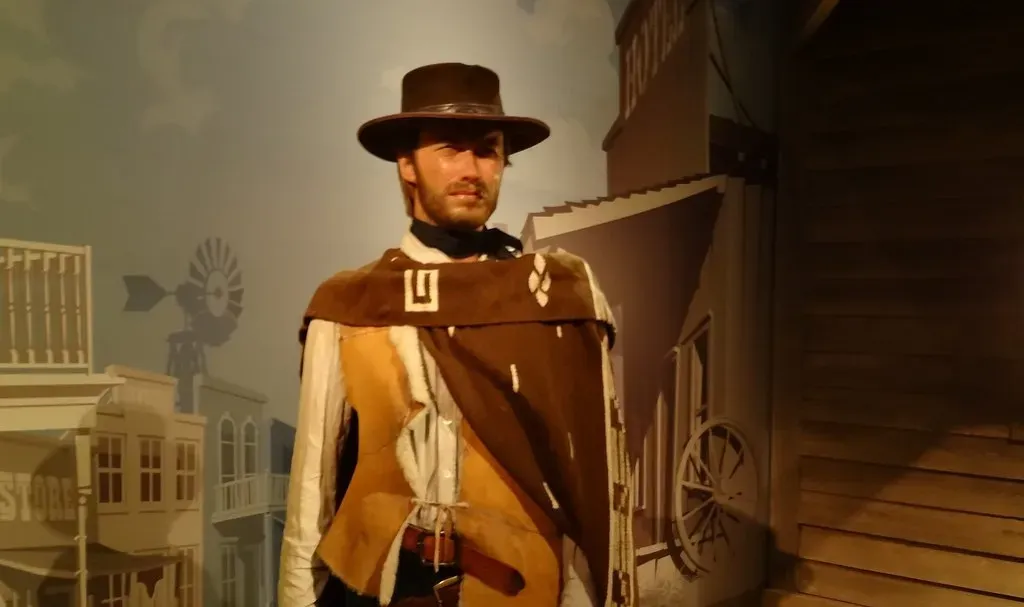
Clint Eastwood’s western doesn’t come from a book. David Webb Peoples wrote it as an original screenplay. Eastwood directed it and starred in it.
The film won Best Picture and Best Director, so there is nothing to read here beyond the script.
Schindler’s List (Ceremony of 1994)

Thomas Keneally’s novel was first published in 1982 under the title Schindler’s Ark. It won the Booker Prize, and it was based on the real story of Oskar Schindler, who saved more than a thousand Jewish people during the Holocaust. Steven Zaillian wrote the adaptation.
Partner offer

The film won seven Academy Awards, including Best Picture and Best Director for Steven Spielberg. Of the decade’s winners, it is the one with the most celebrated literary source.
Forrest Gump (Ceremony of 1995)

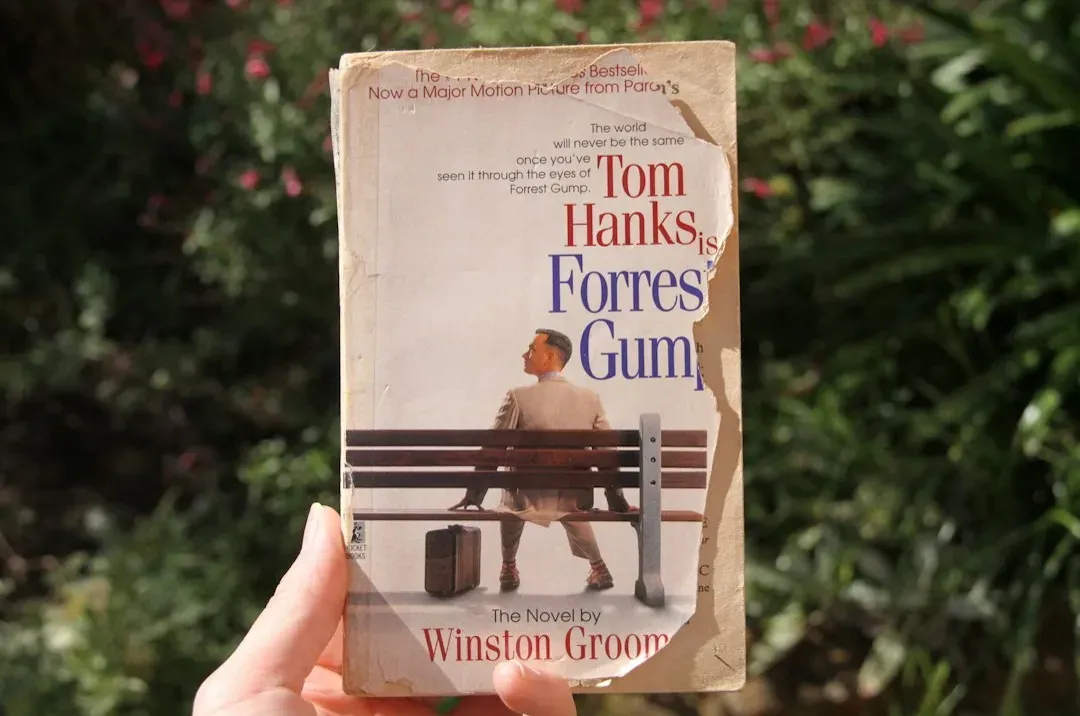
Winston Groom’s 1986 novel gave the film its title character. The movie, directed by Robert Zemeckis, changed a good deal of the book. Eric Roth wrote the screenplay.
It won six Oscars, including Best Picture, Best Director and Best Actor for Tom Hanks. The novel is shorter on sentiment and odder in tone than the film, which surprises many viewers who go back to it.
Braveheart (Ceremony of 1996)

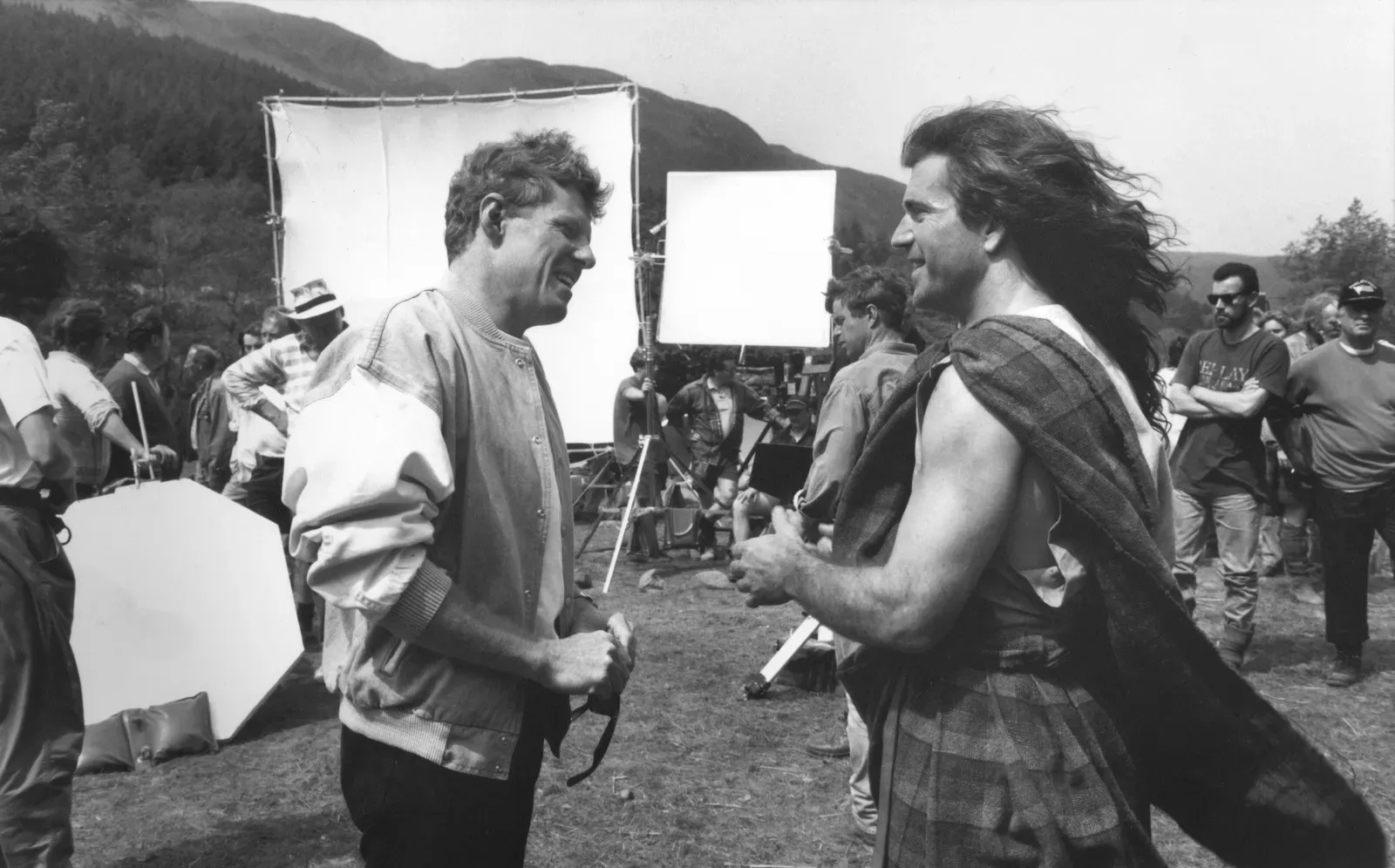
Mel Gibson’s epic about William Wallace was written for the screen by Randall Wallace. It is a historical drama, but it wasn’t adapted from a novel. Gibson directed and starred.
The film won five Academy Awards, including Best Picture and Best Director. Its liberties with Scottish history have been debated ever since.
The English Patient (Ceremony of 1997)


Michael Ondaatje’s 1992 novel shared the Booker Prize that year. Anthony Minghella adapted it and directed the film. The book is told in fragments, which made it a famously tricky adaptation.
The film won nine Academy Awards, including Best Picture and Best Director. Juliette Binoche also won Best Supporting Actress for it.
Titanic (Ceremony of 1998)

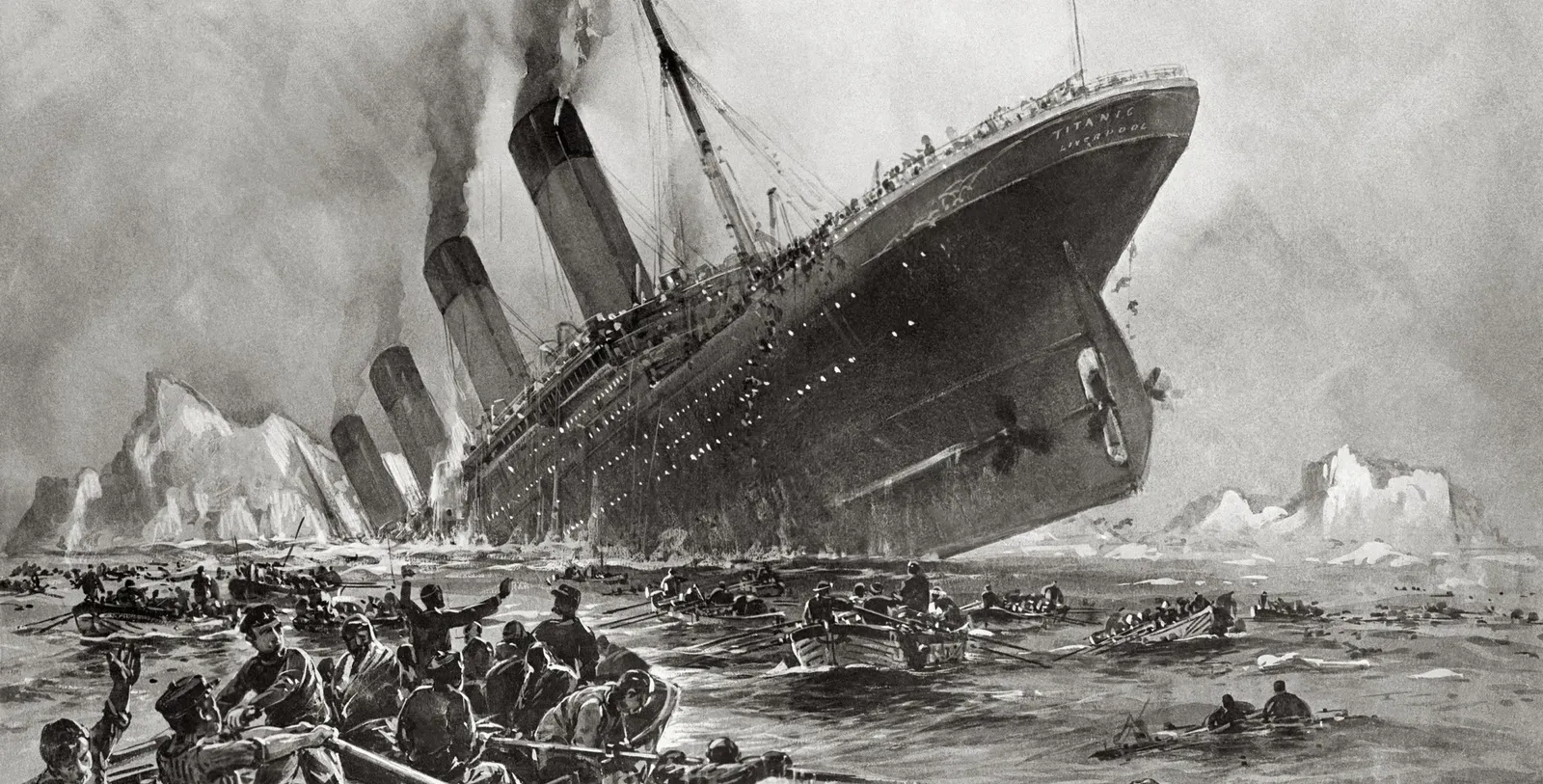
James Cameron wrote and directed this one from an original screenplay. The disaster itself is history, but there was no novel behind the film. The love story at its center was invented for the movie.
Titanic won eleven Academy Awards, tying the record held by Ben-Hur. That total has since been matched by only one other film, The Lord of the Rings: The Return of the King.
Shakespeare in Love (Ceremony of 1999)

The decade’s last winner was another original screenplay. Marc Norman and Tom Stoppard wrote it, and John Madden directed. It imagines the young Shakespeare struggling to finish Romeo and Juliet.
The film won seven Academy Awards, including Best Picture and Best Original Screenplay. So the final tally is five novels, one play and four original screenplays, which means the nine novels in the title don’t exist.
Partner offer
Planning a trip to Vegas?
Compare hotel rates and show tickets on VEGAS.com.