


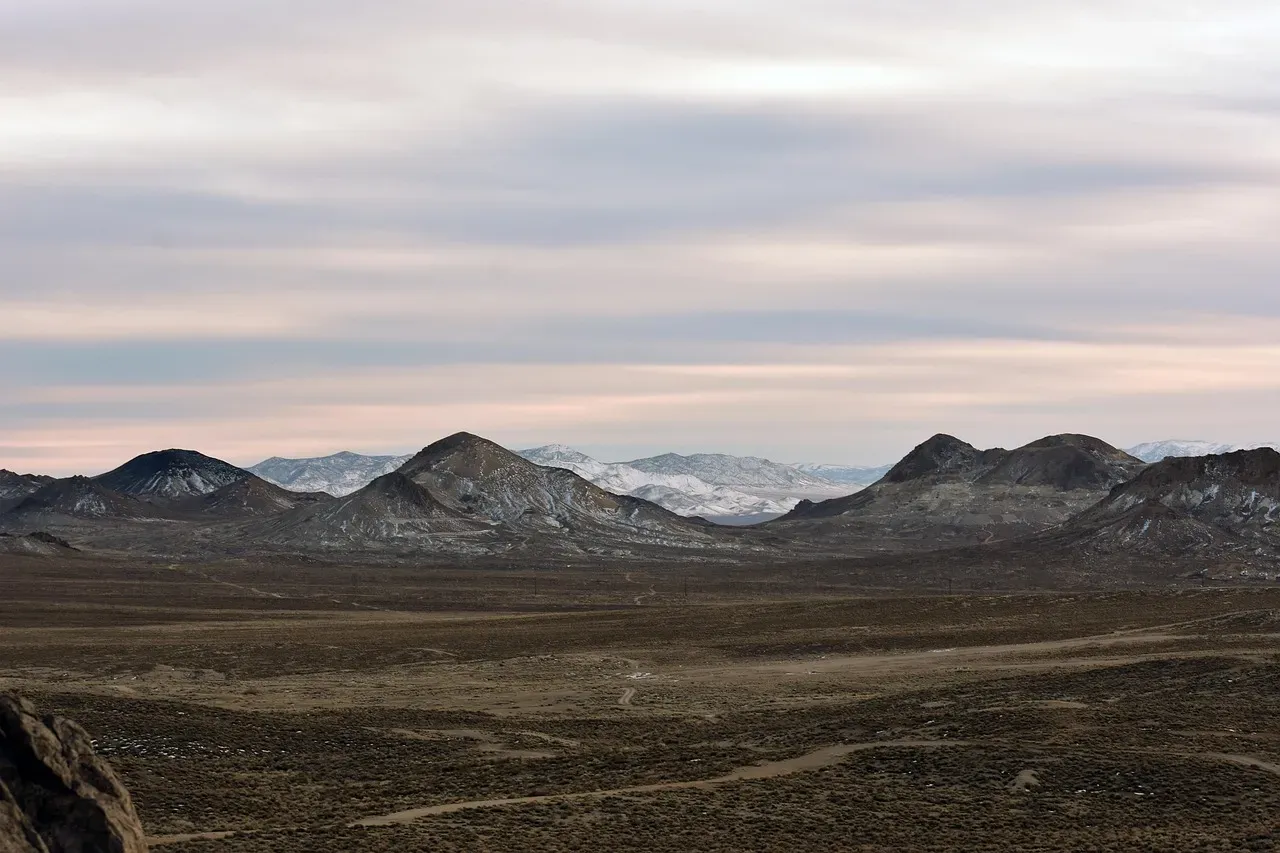
About 25 miles northwest of Las Vegas, in the scrub desert near Indian Springs, sits one of the largest prisons in the United States. High Desert State Prison was built to be a corrections showpiece – modern, secure, technologically advanced. What happens inside, though, tells a more complicated story, one that has drawn lawsuits, legislative hearings, watchdog reports, and increasingly alarmed advocacy groups over the past several years. The gap between stated mission and documented reality has never been wider. Nevada’s prison system is under scrutiny from multiple directions at once: a synthetic drug overdose crisis, chronic medical staffing vacancies, contested mortality data, and a medical leadership controversy that reached the state’s Board of Medical Examiners. Here’s what the available evidence actually shows.
A Facility Built for Scale, Not Just Security

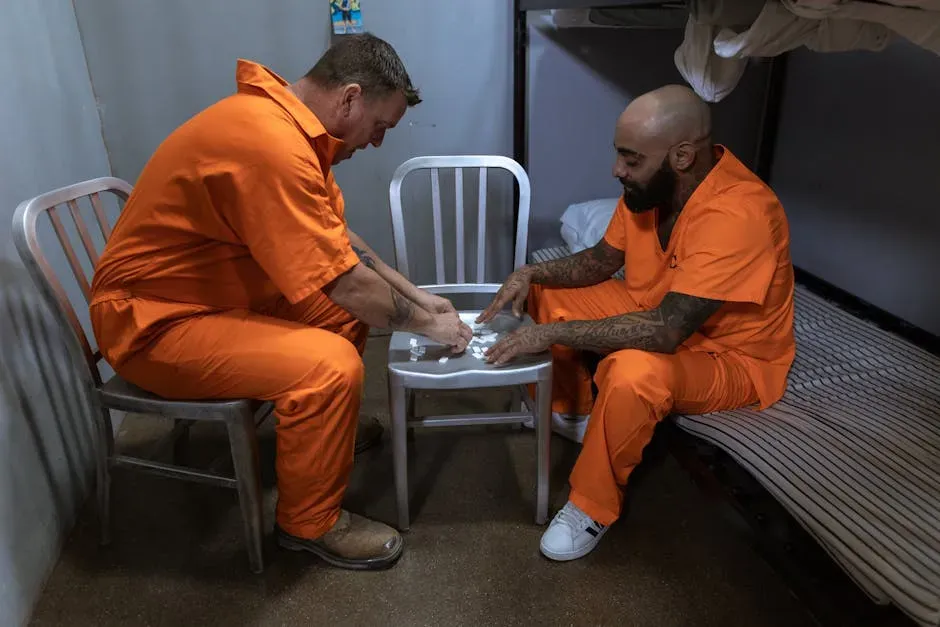
High Desert State Prison is the largest and newest institution in the Nevada Department of Corrections, having opened on September 1, 2000, with a capacity of 4,176 inmates. It is one of the largest prisons in the United States and is also structurally the most secure facility in the entire NDOC system.
The facility was designed to incorporate the best technology available to corrections, with a focus on officer safety and the management and control of offenders. Still, the facility presented design challenges from the start, including electrical backup and water supply concerns, and has faced persistent difficulties with staff retention due to its remote location.
In September 2024, Nevada’s male death row inmates were transferred to High Desert State Prison from Ely State Prison, significantly raising the facility’s security profile and adding to its already substantial population pressures.
The Medical Division: What the System Promises

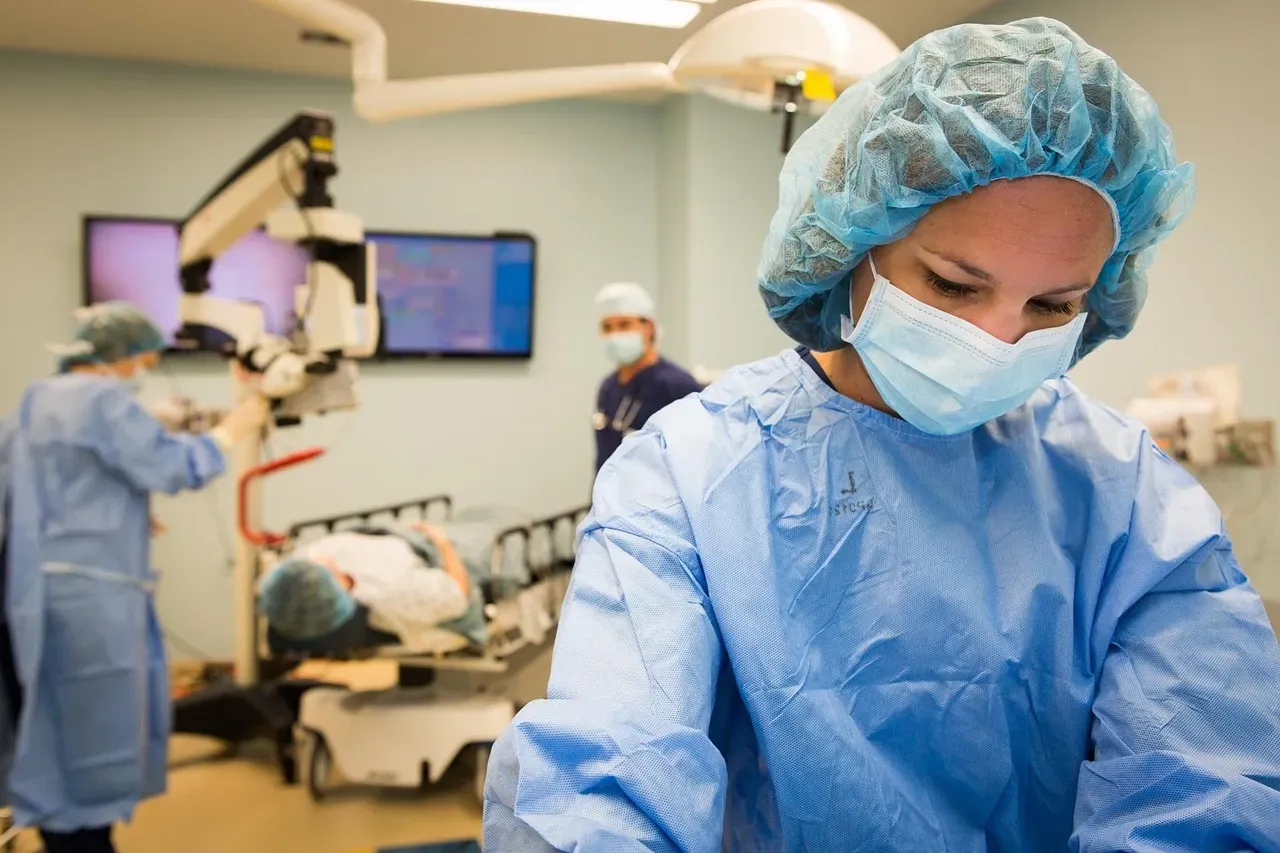
The Medical Division within the Nevada Department of Corrections is responsible for providing medical care to all offenders incarcerated within Nevada’s correctional facilities. Each major institution has a medical and dental clinic with some infirmary capacity, and there are two institutions with on-site acute care infirmaries totaling approximately 91 infirmary beds across the system.
Medical staff statewide engage in over 600 patient care contacts each day, and the Medical Division provides primary care at each institution, with on-site clinics held periodically with outside specialists such as cardiologists, surgeons, and gastroenterologists. The division also provides hospitalization in community hospitals when necessary and is administered by a Medical Director who oversees medical, dental, clinical mental health, and pharmacy services throughout the department.
The Medical Director Controversy
The failure to provide care worsened, according to medical professionals, under the leadership of Dr. Kenneth Williams, the NDOC’s medical director, who was hired and permitted to work without a medical license – a minimum requirement for the job. In March 2024, the state Board of Medical Examiners said it had no jurisdiction over Williams given his unlicensed status and asked the Attorney General to investigate, though the Board subsequently licensed him in July after he had worked almost an entire year without a license – what would constitute a class D felony.
Williams was reportedly refusing to treat inmates for a variety of ailments, with one fired doctor saying he “will invariably say no to treatment, and he cites money as the reason for saying no.” Separately, the state was seeking applicants for 35 medical positions within NDOC, reflecting the depth of the staffing gap.
Chronic Staffing Shortages Across the System

The Nevada prison system, facing an anticipated increase in inmate population and dealing with aging infrastructure, confronted a severe staffing shortage, with vacancy rates of 23 percent in Southern Nevada and nearly 60 percent at some northern Nevada facilities, according to NDOC Director James Dzurenda. Staffing shortages across state prisons helped cause a $53 million budget deficit in one recent year because of spiraling overtime costs.
Some facilities have no permanent senior physician on staff, with certain doctor positions vacant for seven years, largely because of facility remoteness. Prisoners at those locations must be transferred elsewhere for significant medical attention. At Ely State Prison, which houses about 1,200 people, there is only one mental health professional – far below the recommended ratio of one professional per every 150 to 160 inmates.
As of early 2025, while Nevada’s overall state vacancy rate had been cut in half, vacancy rates within the Department of Corrections and Department of Human Services remained stubbornly high.
Sanitation and Dietary Violations at HDSP
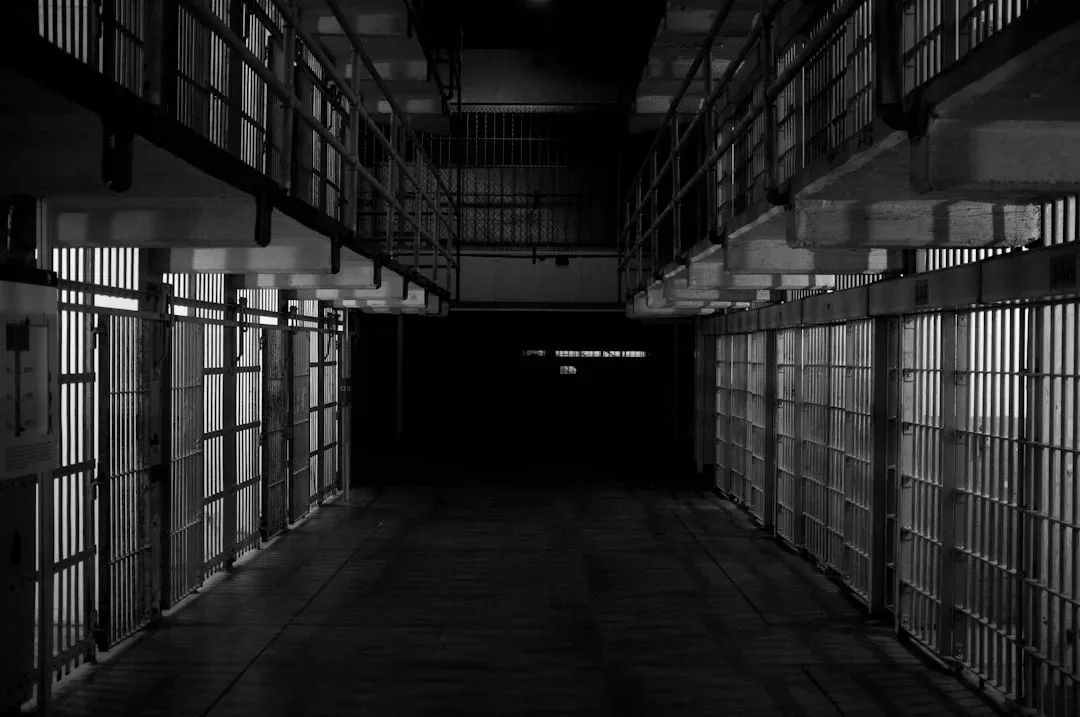
Six state prisons were found to have critical dietary and sanitary violations in inspections, and the two prisons inspected for medical and dental services both had deficiencies. The prisons inspected included Ely State Prison, Lovelock Correctional Center, High Desert State Prison, Florence McClure Women’s Correctional Center, Southern Desert Correctional Center, and Northern Nevada Correctional Center.
High temperature dishwashers were found in disrepair at three prisons, including High Desert State Prison, Florence McClure Women’s Correctional Center, and Northern Nevada Correctional Center. In 2025, Southern Desert Correctional Center and High Desert State Prison were medically inspected; no deficient practices were identified at SDCC, though two medical deficiencies were identified at HDSP.
The Overdose Crisis: A Near-Tenfold Surge


Overdoses inside Nevada’s state prisons surged nearly tenfold in five years, a rise officials partly attributed to drugs smuggled in through the mail. In response, the NDOC proposed restricting physical mail from entering facilities and replacing it with electronic copies. In 2021, the department reported only 12 overdoses, dipping to five in 2022. By 2025, that number had catapulted to 127 overdoses out of a system holding nearly 11,000 inmates.
Partner offer

NDOC Director Dzurenda told lawmakers at an Interim Finance Committee meeting that synthetic drugs were being smuggled into prisons through ink on mailed correspondence, which he described as largely the root of the overdose problem. Nationwide, prisons are seeing synthetic drugs such as fentanyl and complex cannabinoids laced into paper products like greeting cards – drugs that are often harder to trace and far more potent and deadly.
Hospitalization rates rose dramatically across the department, jumping from 614 individuals sent to local hospitals in fiscal year 2023 to 970 people in fiscal year 2025.
Death Inside HDSP: The Numbers and the Disputes

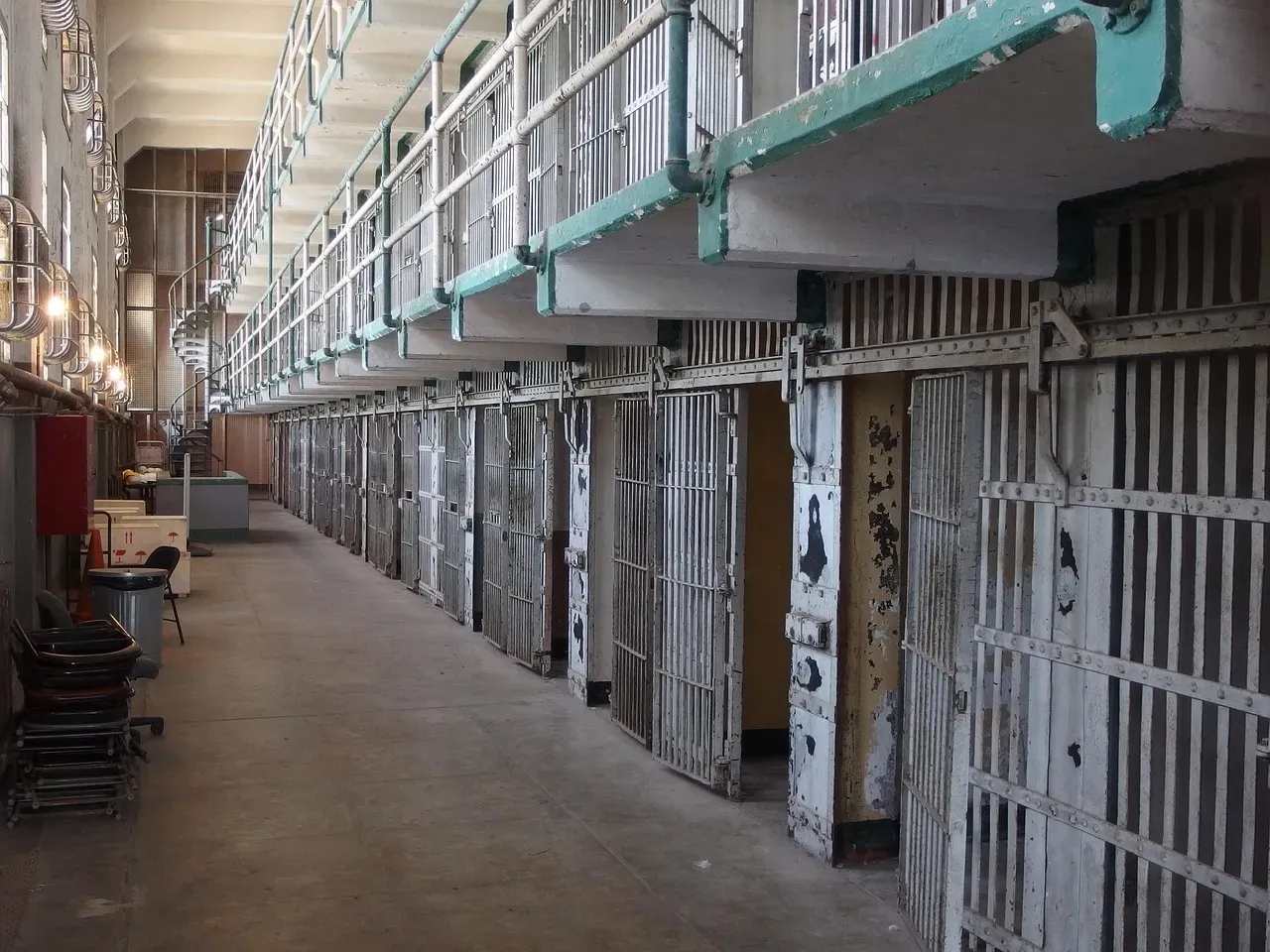
In 2025, the Nevada Department of Corrections reported 76 inmate deaths – the highest number in at least five years. From 2023 through late 2025, the department said 206 prisoners died in custody, of whom 20 were ruled homicides. However, Jenna Hixon, founder and president of Parole Pathways, argued that the correct figure for homicides should be close to double the NDOC figure, counting deaths she attributes to medical neglect.
Of all prison deaths recorded in 2026, one has been recorded as a homicide, showing a downward trend from 2025. During a period of less than one month in the summer of 2025, three inmates at High Desert – Jacob Herman, 35; Jordan Canteberry, 34; and D’marea Cobbs Wallace, 18 – all died in cases later ruled homicides. Additionally, six out of seven prison homicides reported in 2025 were connected to synthetic drugs, according to NDOC Director Dzurenda.
Lawsuits and the Cost of Delayed Care
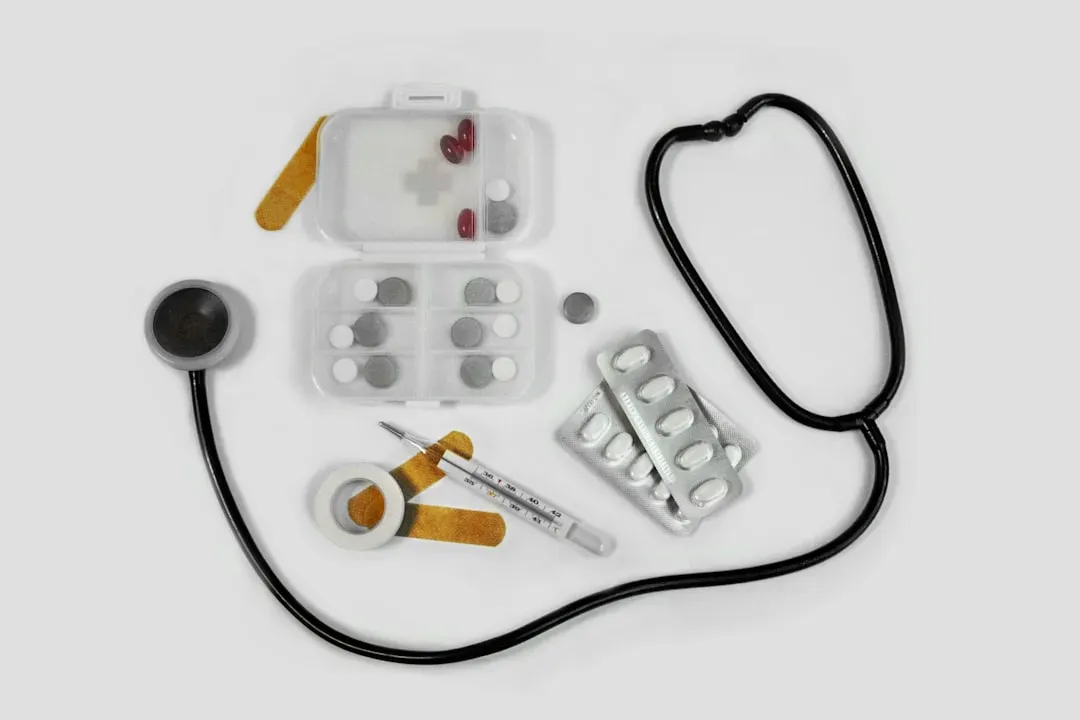
On March 21, 2024, Nevada’s Board of Examiners approved a $3.4 million settlement to resolve a state prisoner’s civil rights action accusing NDOC officials of violating the Eighth Amendment’s ban on cruel and unusual punishment through denial and delay of medical care. In a separate case, a jury sided with an inmate who suffered severe spinal deterioration and awarded him $1.25 million in damages, though he agreed to a lesser settlement of $938,500 to resolve three consolidated lawsuits against the state.
A review of federal court filings revealed a variety of lawsuits alleging failure to provide medical care against NDOC, including a wheelchair-bound inmate who alleged he had been waiting five years for cataract surgery and a number of inmates alleging NDOC had failed to provide mental health medication, with one contending guards ignored his emergency calls for asthma medicine.
Advocacy Groups, Oversight, and the Accountability Gap
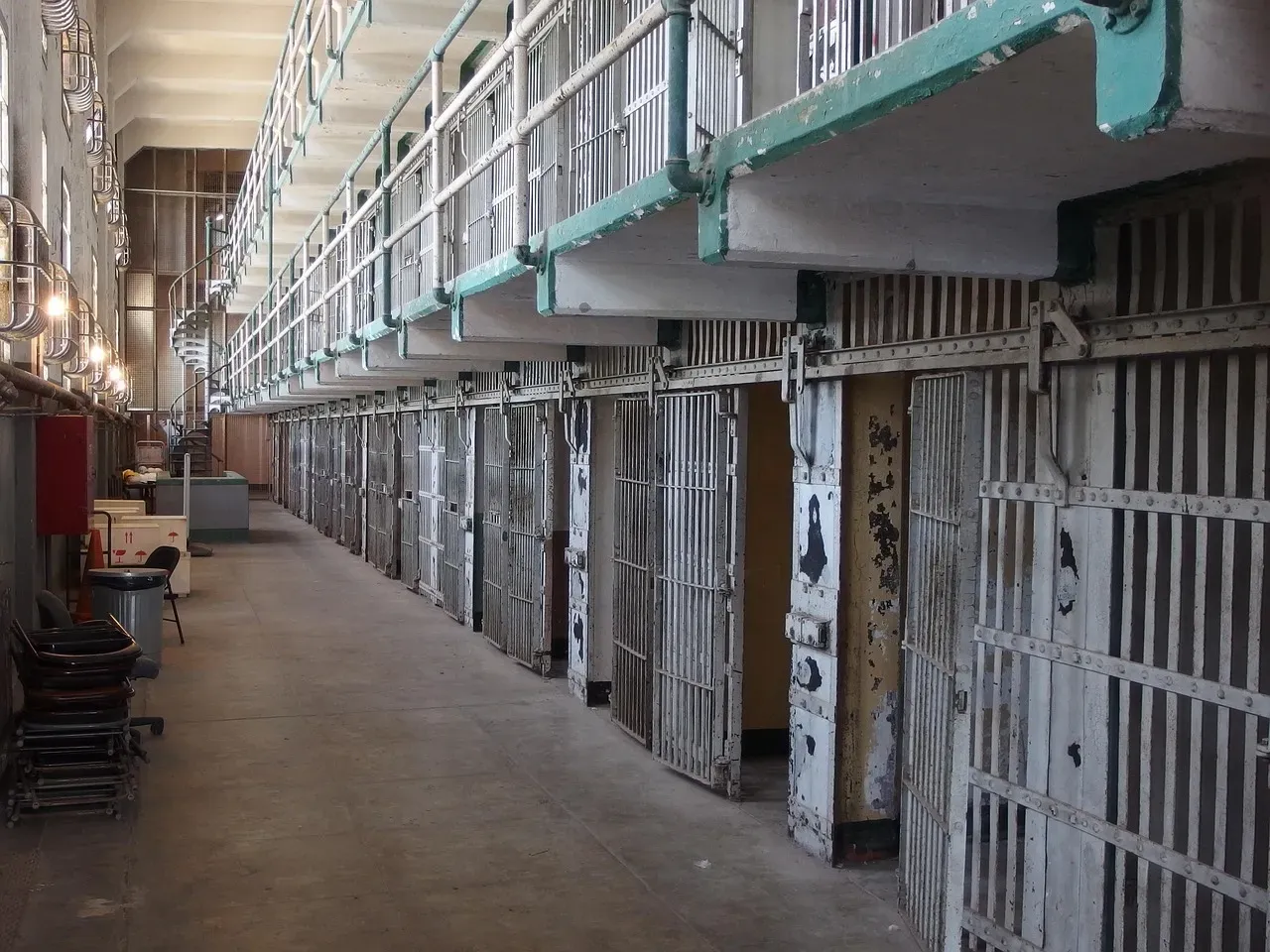
A paper published in the New England Journal of Medicine noted that “correctional administrators must provide health care for incarcerated people with limited guidance and often scarce resources,” given the lack of quality standards, robust monitoring, and public medical insurance funding in correctional settings. Nevada houses some 10,000 inmates, the vast majority of whom will ultimately be released, but medical professionals have warned that inadequate care during incarceration can result in a lifetime of health complications.
NDOC Medical Director Dr. Kenneth Williams acknowledged to the prisoner advocacy group Return Strong, which sued the department for wrongful deaths, that there is “considerable room for improvement.” All detention facilities are required to have an official tasked with ensuring compliance with the federal Prison Rape Elimination Act, but these positions were still needed in nine of the fourteen facilities covered in a recent external staffing report.
What Reforms Are Being Attempted

Nevada Senate Bill 307, which went into effect January 1, 2024, requires the department to implement the “least restrictive manner” when separating inmates from the general population, and to do so for the shortest period safely possible. The department began deploying mail drug-detection scanners across facilities in 2025 to help crack down on drug-laced contraband, though officials acknowledged the technology has not kept pace with the volume of incoming mail, and that testing suspicious materials can take months.
High Desert’s mental health staff provides therapeutic classes including anger management, victim empathy, and commitment-to-change programs, and the facility also has a re-entry program to assist paroling or discharging inmates. NDOC Director Dzurenda stated that findings from a recent external staffing study would be included in a six-year implementation plan across the next three budget cycles.
Conclusion: A System Under Pressure
The picture that emerges from the documented record is not one of isolated failures but of compounding pressures. Staffing vacancies, budget shortfalls, a surging drug crisis, and contested medical leadership have combined to create conditions that courts, advocates, and even some internal voices describe as inadequate. Conditions inside Nevada prisons, especially at High Desert, are described as dire by inmate advocacy organizations, even as the state points to data suggesting the 2026 mortality trend is improving compared to 2025.
As one summary from the New England Journal of Medicine put it, incarcerated people “have little recourse for woefully inadequate medical care except litigation, but they face multiple barriers to accessing the legal system and counsel.” That tension – between institutional accountability and practical access – sits at the center of nearly every unresolved question about healthcare inside High Desert State Prison today.
The reforms being attempted are real, and some of the data shows modest improvement. Whether the underlying structural problems receive the sustained investment and oversight they require is a question Nevada’s lawmakers, courts, and voters will continue to face for years to come.Partner offer
Planning a trip to Vegas?
Compare hotel rates and show tickets on VEGAS.com.


