Ever notice how so many songs on the radio today feel eerily familiar? Like you’ve heard that melody somewhere before, or the production is just polished enough to blend into the background? You’re not imagining it. Something curious has been happening in the music world lately, and experts are starting to speak up about it. The conversation around musical innovation isn’t just industry chatter anymore. It’s become a real question that’s challenging how we think about creativity, technology, and what music might become next.
The Numbers Don’t Lie: Music Is Becoming More Uniform

Research by the Spanish National Research Council found empirical evidence that modern pop music has become melodically less complex and uses fewer chords. That’s not just a feeling or nostalgia talking. Joan Serrà, one of the study’s authors, explained they found “evidence of a progressive homogenization of the musical discourse”. Think about it this way: the building blocks of music are literally shrinking.
Studies analyzing thousands of Billboard hits reveal that harmonic complexity has decreased, dynamic range has shrunk, and songs are structurally simpler than ever. The most striking part? An analysis of roughly fifteen thousand songs from the Billboard Hot 100 from 1958 to 2014 found that in every year, the Top 10 songs were more repetitive than songs that didn’t place, and 2014 was the most repetitive year on record. We’re literally hearing the same patterns over and over again.
Industry Growth Masks Creative Stagnation

Although the music industry has continued to expand, overall growth has slowed down in comparison to previous years. Following a strong 2023 for recorded music revenue, 2024 marked a year of tempered growth, with global recorded music revenues increasing by a modest four and a half percent. Meanwhile, subscriber growth is slowing in the West. The financial picture tells us the industry is maturing, not exploding with groundbreaking ideas.
Here’s the uncomfortable truth: more content doesn’t equal better content. More songs are being released daily than ever before, and streaming platforms like Spotify and Apple Music add tens of thousands of new tracks every day. But having access to virtually infinite music hasn’t sparked a revolution. It’s created an overwhelming sea where originality struggles to surface.
The Streaming Effect: Optimizing For Algorithms, Not Artistry

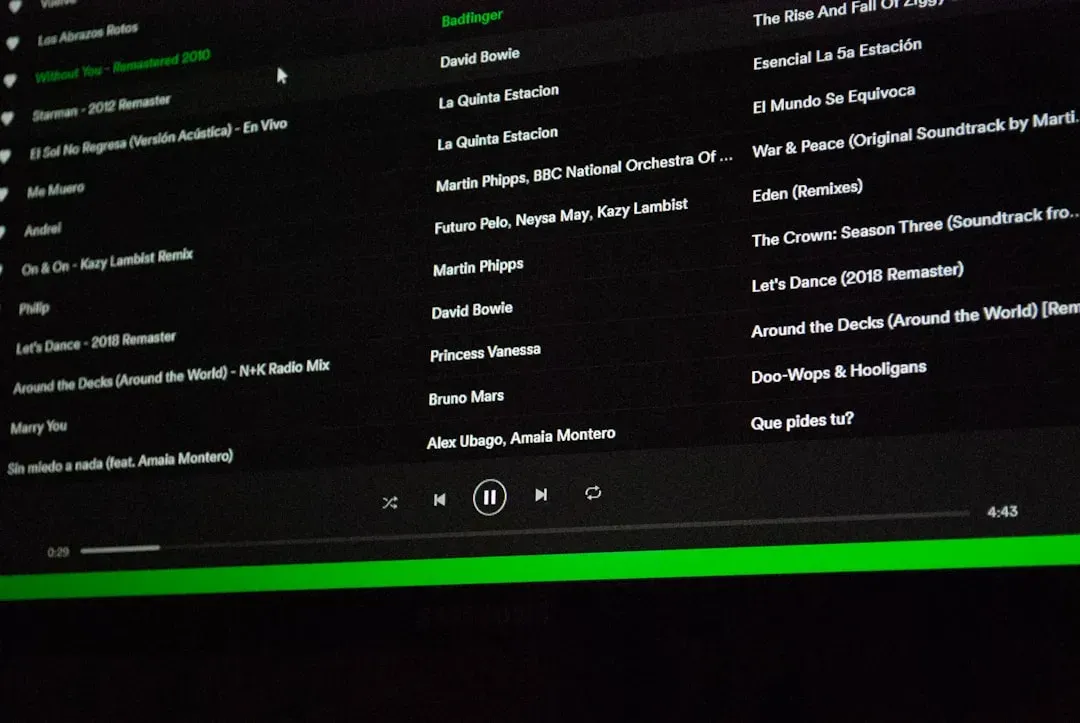
The rise of “Spotify-core” music – tracks designed to succeed on algorithms – has led to shorter intros, fewer bridges, and predictable hooks. Music isn’t being created to move people anymore; it’s being engineered for passive consumption. Platforms’ formatting power can be seen as both a space for creative possibilities and as a limitation, producing specific formulas for platform-optimized music.
The average Spotify charting song was around 3 minutes long – nearly 15 seconds shorter than in 2023 and 30 seconds shorter than in 2019. Artists are responding to economic pressures. On platforms like Spotify, artists earn royalties only if a listener stays engaged for at least 30 seconds, and the pay-per-play model incentivizes artists to create shorter songs. Honestly, when financial survival depends on gaming the algorithm, can we really blame artists for adapting?
Where Did All The New Genres Go?


Every major wave of music history has been defined by disruptive new genres: Rock & Roll, Punk, Hip-Hop, House, Grunge, EDM, yet today almost every major genre exists as a nostalgic rehash of past styles. Sure, micro-trends pop up on TikTok, but where’s the seismic shift? Where’s the moment that feels revolutionary, like when an electric guitar was first distorted or a turntable scratched for the very first time?
Many of today’s hits are remixes, interpolations, or outright covers of past hits, and while music has always borrowed from previous eras, the pace of genuine sonic innovation has slowed dramatically. Innovation used to come from new instruments and new ways of creating sound. Today’s tools mostly make production easier, not more experimental. We’re iterating endlessly instead of inventing boldly.
AI: The Double-Edged Sword

The rise of artificial intelligence in music production is nothing short of explosive. Starting at roughly two hundred seventy million in 2024, the AI music market is expected to reach close to one billion by 2028, highlighting a compound annual growth rate approaching thirty percent. According to the IMS Business Report 2025, sixty million people used AI software to create music in 2024. That’s mind-blowing scale.
Yet AI presents a paradox. Over a third of professional music producers in 2024 use AI tools regularly, though it has yet to become the dominant method. On one side, streaming gives more access, more diversity, and data for artists about their fans, but on the other side, it rewards formulas, predictability, and makes creative choices depend on hidden algorithms. Let’s be real: when AI can replicate established formulas perfectly, what incentive exists to break the mold?
Songs Are Shrinking Fast


Since 1990, the average length of a song on the Billboard Hot 100 has decreased from over four minutes to around three, regardless of genre. This trend accelerates with each passing year. The portion of sub-three-minute top 10 hits ballooned from just four percent in 2016 to roughly forty percent in 2022. Even megastars like Taylor Swift have adapted: her tracks averaged nearly five minutes in 2010 but slimmed to around three and a half minutes by 2019.
According to TikTok’s 2024 Music Impact Report, eighty-four percent of the songs on Billboard’s Global 200 gained traction on TikTok before hitting the charts. That’s staggering influence. Artists are creating hooks and circulating those on TikTok, and if that moment grabs people, producers flesh out the whole piece, with a 2020 report by Samsung projecting that the average hit song by 2030 may be roughly two minutes. We’re basically racing toward musical sound bites.
The Homogenization Trap

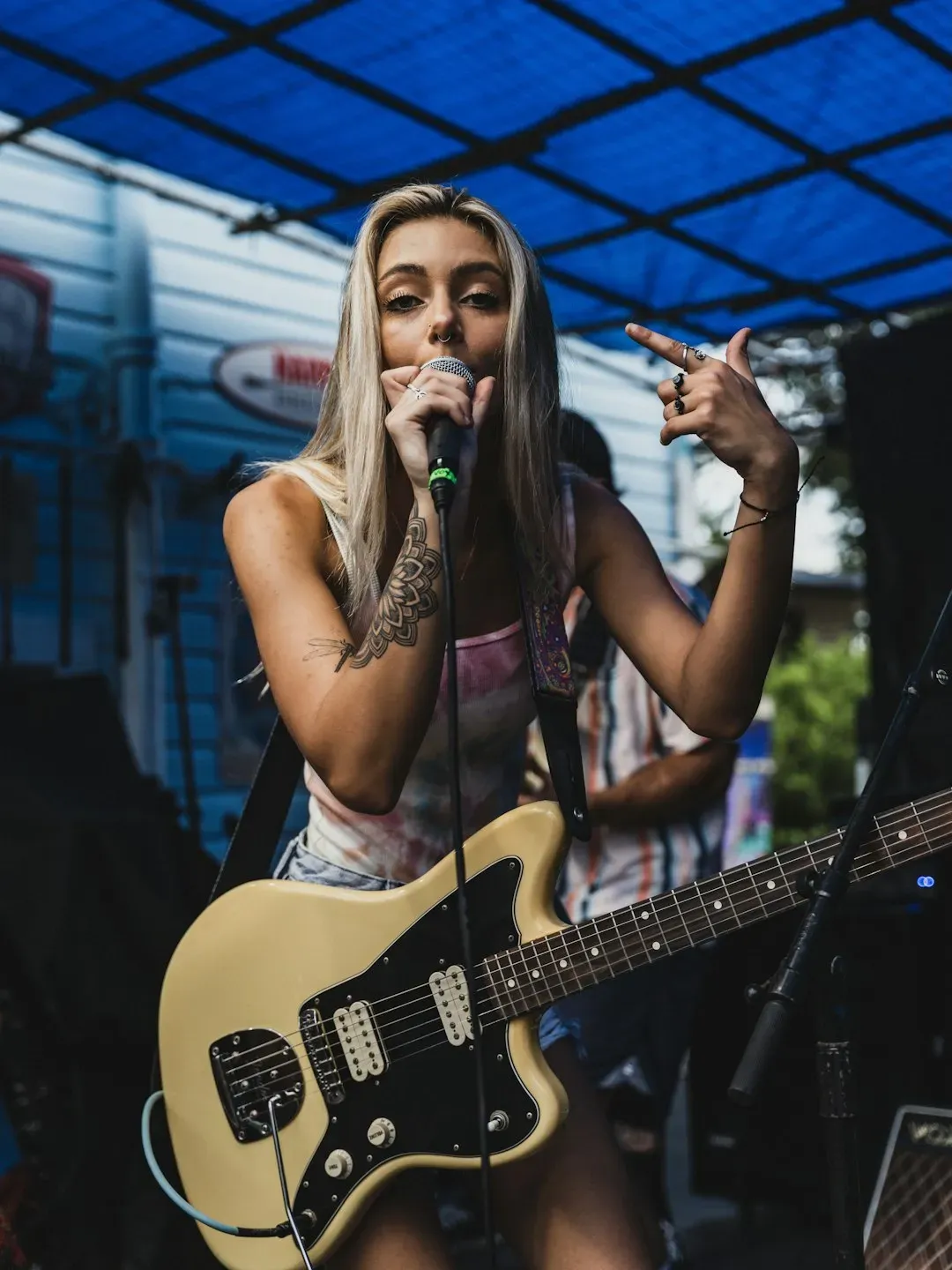
Research found that Spotify adoption indeed makes listening behavior more similar across consumers. While platforms promise endless variety, the reality is more complicated. Social media platforms like Spotify, YouTube, and TikTok contribute to narrowing creative possibilities, with algorithms prioritizing music with broad, mainstream appeal, creating a feedback loop that reinforces popular trends while marginalizing experimental or niche genres.
Production processes can result in music genres that lean toward sound homogenization, a phenomenon that could restrict access to acoustic richness, with automatic analysis indicating overlap in sound which corroborated the homogeneous character of genres. It’s a bit ironic, isn’t it? We have more music available than any generation in history, yet everything is starting to sound the same.
Creative Pressure and Artist Constraints

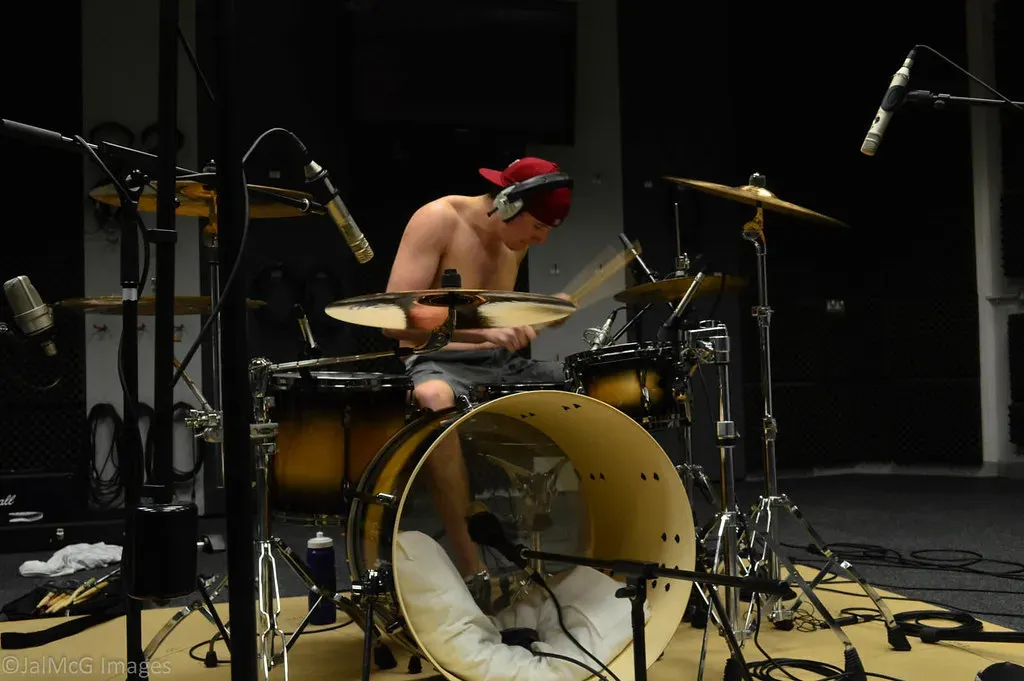
Artists consider streaming platforms’ influence on diversity – of both created songs and song recommendations – with several noting feeling that artists’ creativity is limited by the way recommender systems work. The pressure is real. Musicians today face an impossible balance: stay true to their artistic vision or optimize their sound for algorithmic success.
Shortening of tracks is widely attributed to music streaming platforms, and one headline proclaims that the economics of streaming is making songs shorter. While data-driven approaches can benefit artists who adapt well to algorithmic preferences, they may also limit creativity, as musicians may hesitate to take artistic risks that could impact their streaming performance. I know it sounds cynical, but when your career depends on streams, experimentation becomes a luxury many can’t afford.
Not All Hope Is Lost: Some Countertrends Emerge

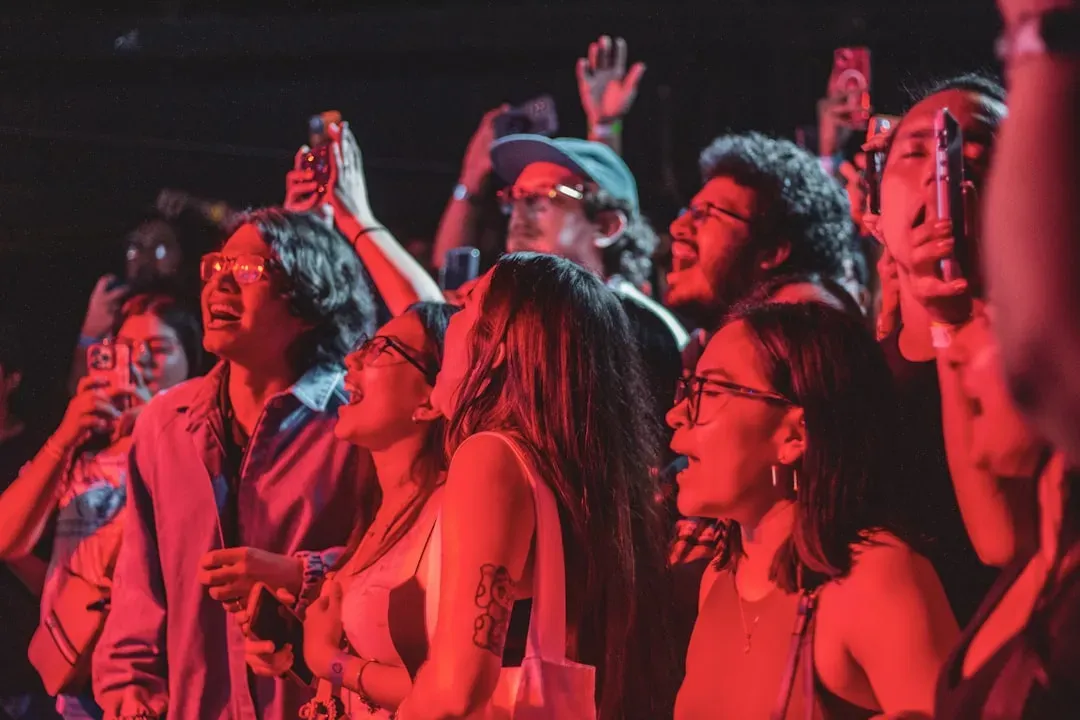
Despite the grim picture, there are glimmers of resistance. What researchers find is that among a set of ten European countries, the rise of global streaming platforms correlates with a strengthening of local music, a somewhat counterintuitive phenomenon called ‘glocalisation’. Regional music scenes are thriving in unexpected ways.
German, French, and Italian-language hip-hop or Brazilian sertanejo have flourished as local movements, maintaining dedicated audiences despite global streaming trends. Research dedicated to the influence of music streaming on listener behavior shows that after transitioning to streaming, users significantly increased the quantity and diversity of music listened to in the initial months, and even after six months, listeners continue to consume much more diverse music. Maybe democratization hasn’t entirely killed variety yet.
What Comes Next?


In 2025, the industry faces several exceptional challenges – slowing streaming growth, all-time high concert ticket prices, and the rise of AI – that will require shifting the status quo to solve. The question isn’t whether change is coming. It’s what kind of change we’ll choose to embrace. Will we continue down the path of algorithmic optimization, shorter attention spans, and formulaic production?
The most interesting developments in music aren’t happening on streaming services but in labs and experimental spaces: infrasonic and ultrasonic frequencies, AI-assisted compositions pushing beyond mimicry, and biofeedback music that responds to brainwaves and emotions in real time. Innovation hasn’t died. It’s just moved underground, waiting for the right moment to break through to mainstream consciousness.
The future of music sits at a crossroads. On one side, we have efficiency, predictability, and profit maximization. On the other, we have risk, experimentation, and genuine artistic expression. The streaming era has given us unprecedented access but may have cost us something equally valuable: the willingness to be surprised. What do you think about where music is headed? Are we witnessing a temporary plateau or a fundamental shift in how humans create and experience sound?