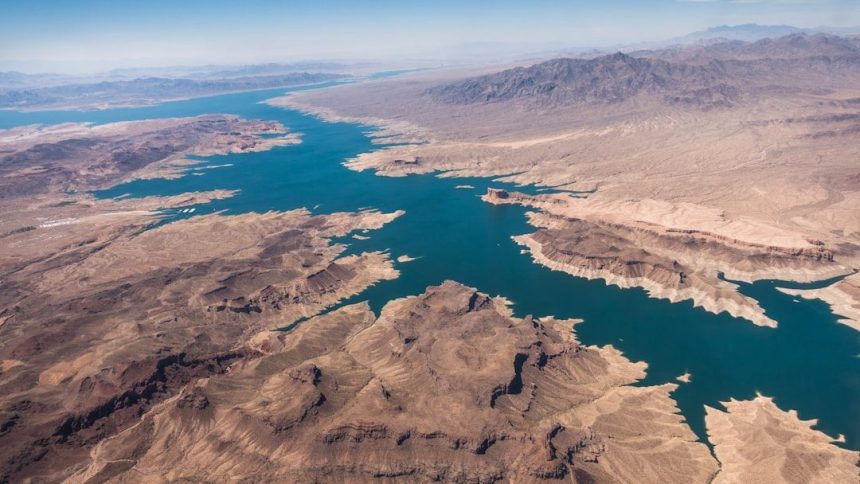
Every time you turn on your faucet in Las Vegas, you probably don’t think twice about where that water actually comes from. You should. The story behind every single drop is more dramatic, more precarious, and honestly more fascinating than most people realize. From a shrinking desert reservoir to one of the world’s most aggressive water recycling programs, the tale of Las Vegas and its water supply is the kind of thing that keeps engineers, politicians, and scientists up at night. Let’s dive in.
The Lifeline: What Lake Mead Actually Is
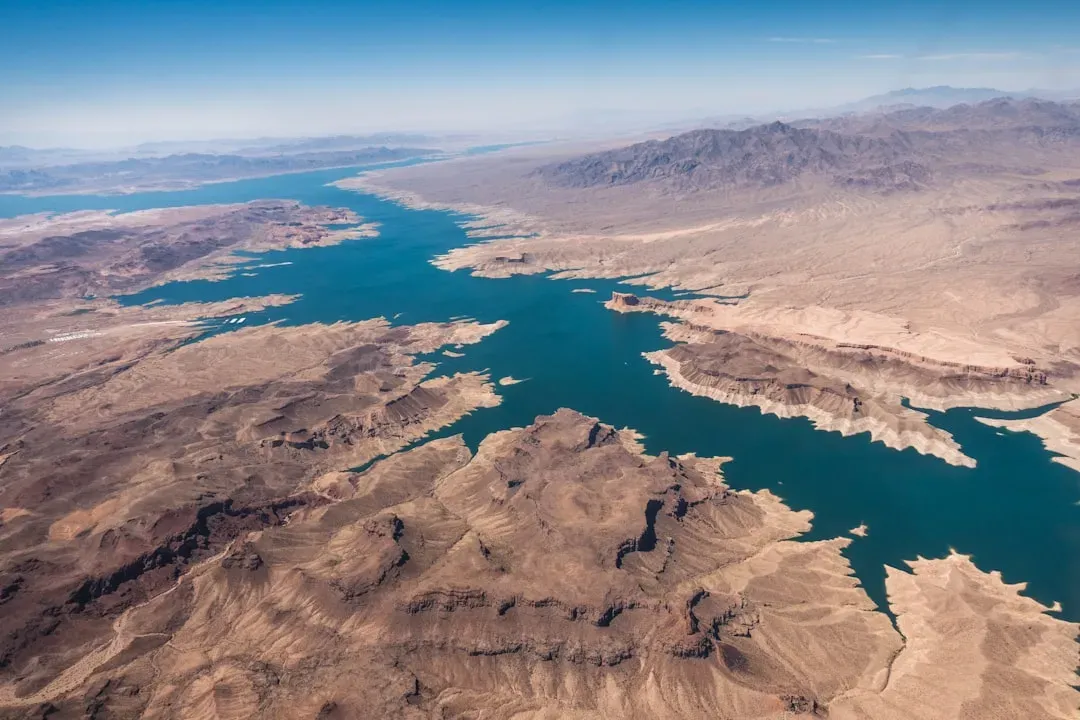
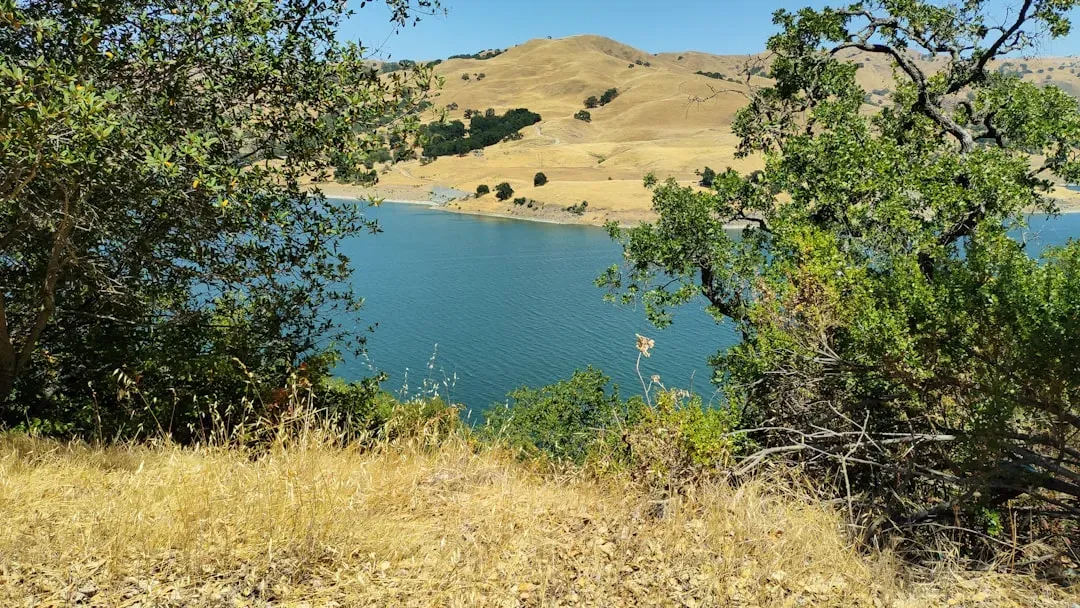
Lake Mead, located on the Colorado River, is the largest reservoir in the United States by capacity and a critical water source for millions of people across Nevada, Arizona, California, and Mexico. Think of it less like a lake and more like a giant savings account, except that someone has been slowly withdrawing more than they deposit for decades.
Formed by the Hoover Dam, the lake supports agriculture, municipal water supplies, and hydroelectric power generation, while also serving as a vital recreational area. It is, in the most literal sense, the beating heart of the entire American Southwest.
Las Vegas draws roughly nine-tenths of its water from Lake Mead on the Colorado River, with the remaining fraction coming from groundwater aquifers beneath the Las Vegas Valley. There is no plan B of equal size. This is the source, and protecting it is everything.
Where the Levels Actually Stand Right Now
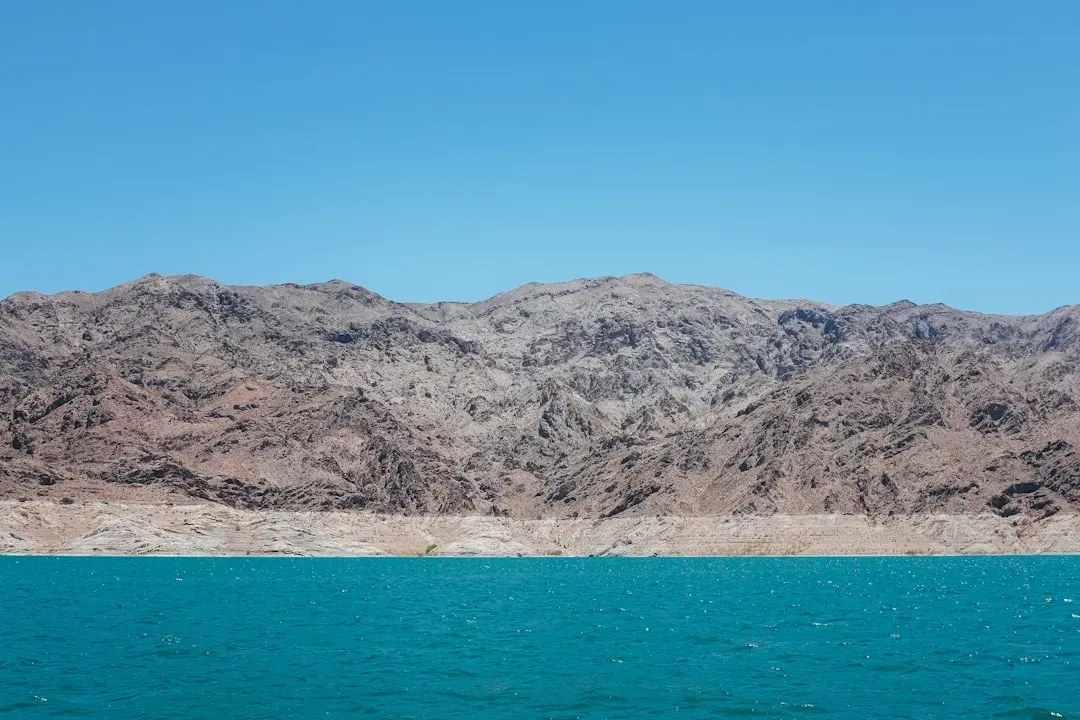
As 2024 drew to a close, Lake Mead experienced a year of relative stability compared to the dramatic fluctuations of recent years. That might sound reassuring. It is, but only partially.
Lake Mead is the nation’s largest reservoir, and it is currently about 165 feet down from “full pool” level of 1,229 feet. It is down to roughly a third of its maximum capacity. A third. Let that sink in for a second.
In January 2024, water elevation totaled 1,072.67 feet, declining to 1,063.20 feet by December. While the figure is almost the same as December 2025, it is significantly lower than historical averages. Stable is not the same as healthy. The lake is holding its breath.
The Drought That Never Really Left
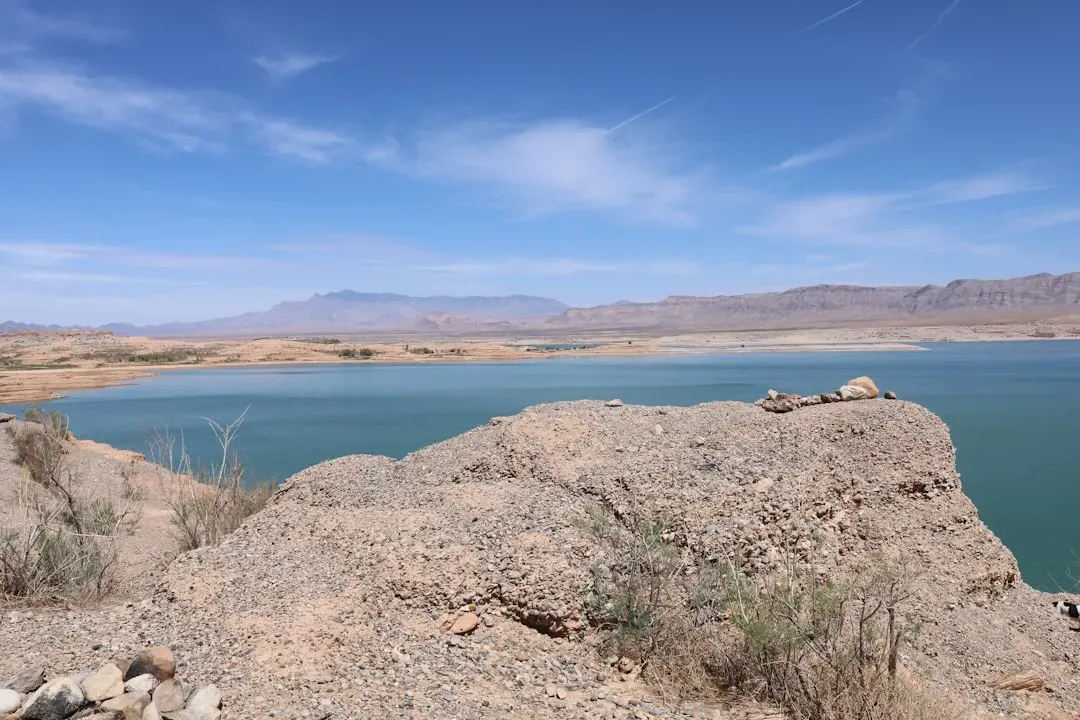
The elevation of Lake Mead has dropped by approximately 160 feet since 2000. The Secretary of the Interior made the first-ever shortage declaration in 2021. That is not a blip on a graph. That is a generational shift in the water landscape of the West.
As water levels have declined due to prolonged drought and increased demand, concerns about the reservoir’s sustainability have highlighted its importance to regional economies and ecosystems, as well as its role in the broader challenges of water management in the arid Southwest.
Drought conditions have worsened across the basin, amplified by a historically low snowpack in the West and critically low levels forecast for the reservoirs. In early 2026, that reality became harder to ignore than ever. The crisis is not coming. It has been here for a while.
Is the Tap Water in Las Vegas Actually Safe to Drink?

Tap water in Las Vegas is generally safe to drink, as it undergoes rigorous treatment and is regularly tested for over 90 contaminants. The Southern Nevada Water Authority manages the water supply, sourcing it from Lake Mead and the Colorado River. That is the official story, and by the numbers, it checks out.
The city conducts over 301,000 water analyses annually from 380 monitoring stations, exceeding federal requirements. That is an extraordinary level of surveillance. It is more testing than most bottled water brands ever face.
Here is the thing though. Main concerns include chromium-6 levels, natural arsenic, and disinfection byproducts. Unlike many cities, Las Vegas has very low PFAS levels and no lead service lines. The water is safe, but it is not without its nuances. Las Vegas water is known for its high mineral content, or hardness, which, while not a health risk, can affect taste and household appliances.
The Infrastructure Built for the Worst Case
Strategic intake systems include three separate intake structures in Lake Mead, including the unique Intake No. 3 completed in 2015 at 860 feet below full pool elevation, ensuring access even during extreme drought conditions. A Low Lake Level Pumping Station commissioned in 2020 allows Las Vegas to draw water even if Lake Mead falls below historical minimums.
Even if Lake Mead drops below the minimum level to release water downstream, new infrastructure will keep pumping water to the Las Vegas Valley. That is a bold claim, and it is backed by serious engineering investment. Las Vegas did not just hope for the best. It built for the worst.
The Water Authority has constructed a third drinking water intake and a Low Lake Level Pumping Station at Lake Mead to ensure continued delivery of Colorado River water to Southern Nevada under low reservoir conditions. Honestly, this level of forward planning is something other cities should be studying closely.
How Las Vegas Became a Conservation Powerhouse
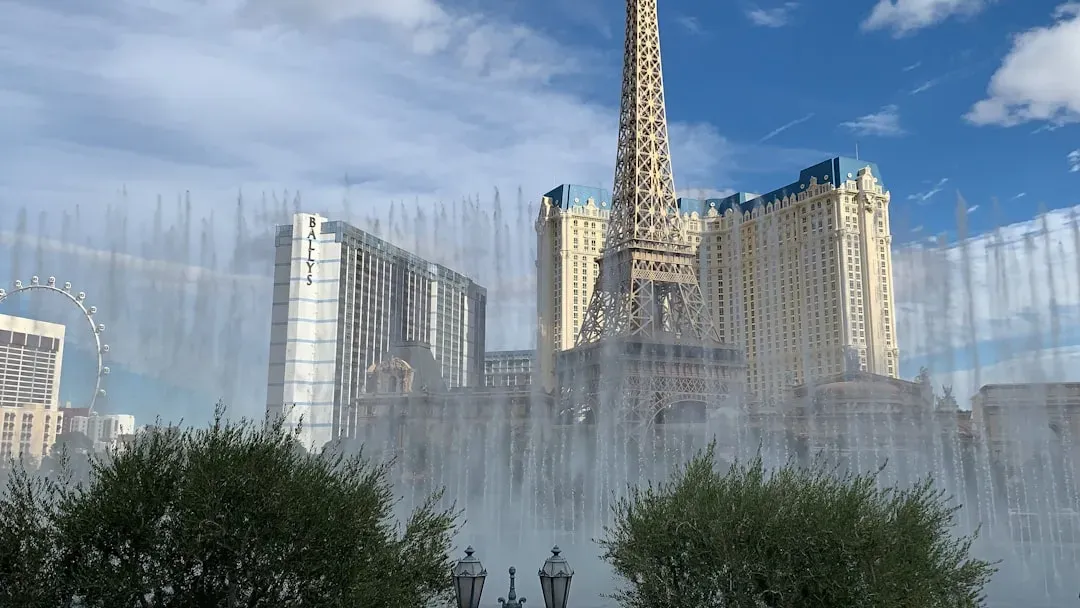
The city’s internationally recognized conservation efforts have reduced per capita water use from 314 gallons per day in 2002 to approximately 140 gallons in 2024, among the lowest of any major desert metro area. Think about what that number means. The same city, a growing population, half the water use per person. It is remarkable.
Through one of the nation’s most progressive and comprehensive water conservation programs, Southern Nevada has reduced its per capita water use by 58 percent between 2002 and 2025, even as the population increased by approximately 876,000 residents during that time.
Vegas has also successfully incentivized the removal of roughly 200 million square feet of turf, saving more than 10 percent of Nevada’s Colorado River allocation. Every green lawn replaced with desert landscaping is a small victory in a very large battle.
The Genius of Return Flow Credits
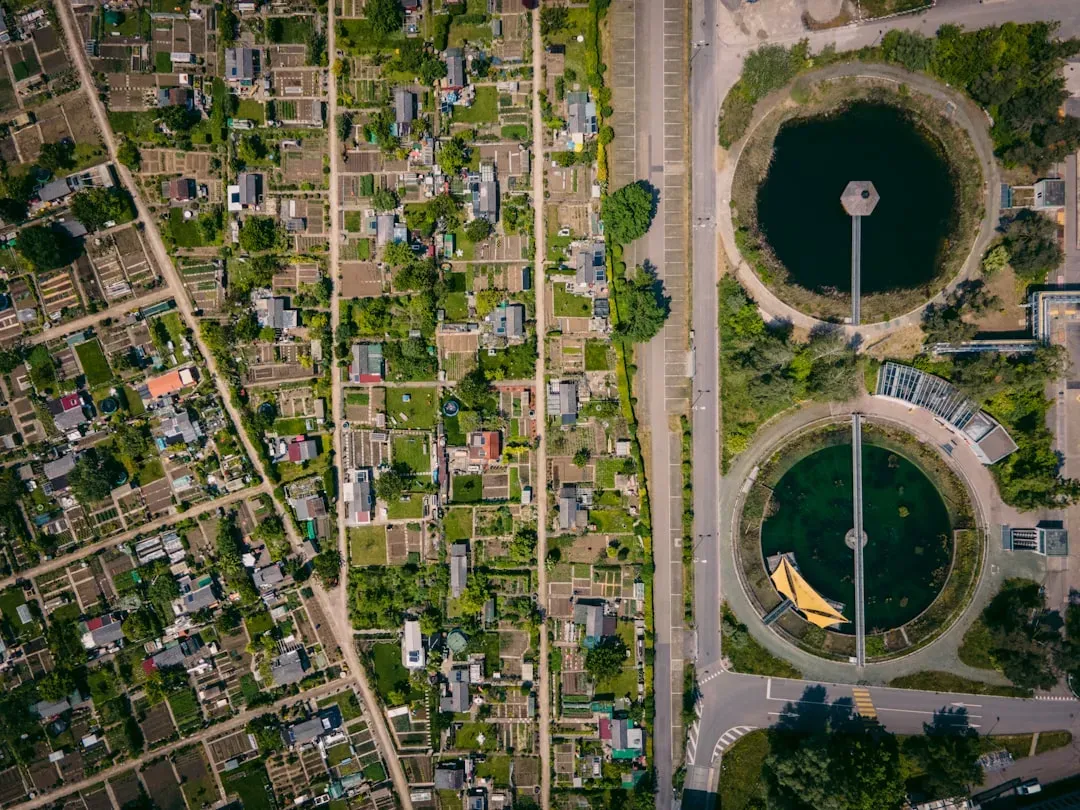
This is the part most people have never heard of, and it is genuinely clever. The highly-treated wastewater is returned to the Colorado River via the Las Vegas Wash, which flows into Lake Mead. The water returned to the lake earns return-flow credits. Every gallon of water that is returned to the Colorado River through return-flow credits allows Southern Nevada to take another gallon out.
SNWA has a significant effort to recycle water that has already been used by treating it and putting it back into use. According to SNWA, it returned more than 245,000 acre-feet of water to Lake Mead in 2024. That is water that would otherwise be completely lost. Instead, it gets a second life.
Southern Nevada contains roughly three-quarters of the state’s population and creates about 70 percent of the state’s economic output, while using less than 5 percent of water available for use in Nevada. That ratio is almost impossible to believe, but it is the direct result of this return flow system working exactly as designed.
The Post-2026 Crisis Looming Over Everything
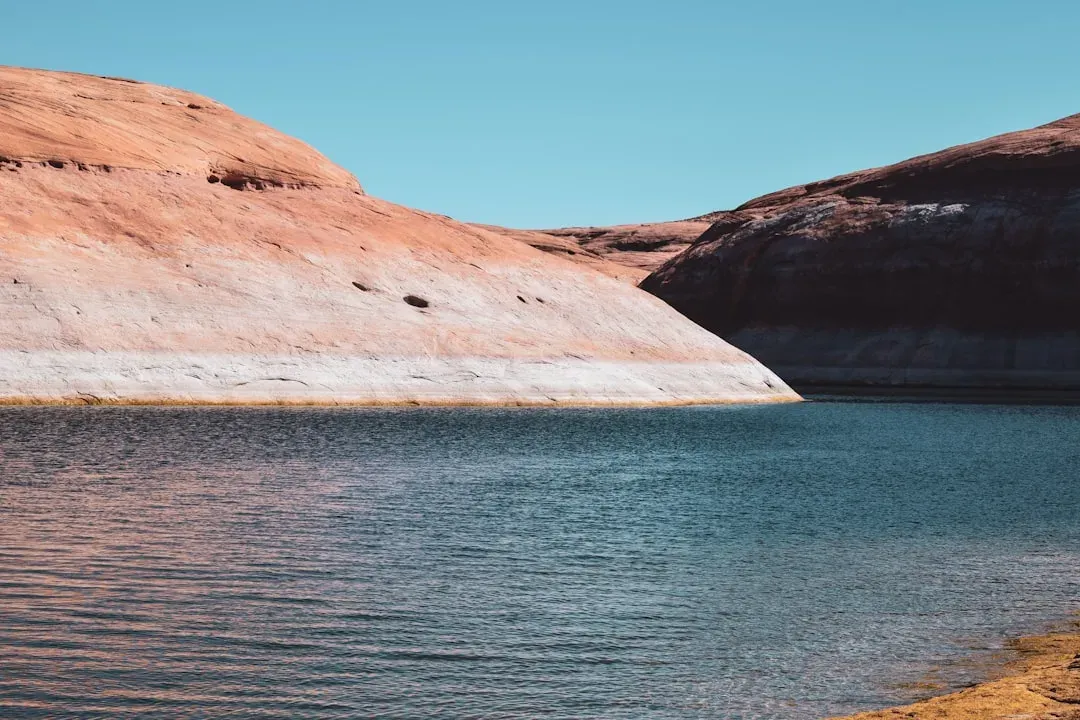
The rules that govern how Lake Powell and Lake Mead are operated during drought will expire at the end of 2026. What replaces them is now the subject of increasingly tense negotiations among the seven Colorado River Basin states, dozens of Tribal governments, and the federal government.
This marks the second missed federal deadline in more than two years of high-stakes negotiations between the upper and lower basin states over the post-2026 operations of Lake Powell and Lake Mead. The states cannot agree. Time is running out. Interior Secretary Doug Burgum said that without a seven-state consensus, the U.S. Department of the Interior will step in and finalize its own plan that attempts to meet the needs of all seven states by October 1.
The operations of Lake Powell and Lake Mead have widespread implications for the approximately 40 million people, seven states, two countries, and 30 tribal nations that rely on the river. The political stakes are enormous. The human stakes are even larger.
What the Science Says About the Long-Term Outlook
I will be honest, this section is not a comfortable read. Due to projected streamflow declines, under existing policy, both reservoirs will face substantial risks of reaching dead pool before 2060. Adopting recently proposed alternative policies reduces but does not eliminate such risks.
All policies also exhibit tipping points where reservoir levels can change rapidly with a slight change in streamflow. A sustainable policy may require larger reductions to further reduce the reservoirs’ dead pool risks and provide better buffers from sudden changes.
Federal officials have described the post-2026 process as a once-in-a-generation reset. The next set of rules is expected to govern operations for decades, not just a few years. They will be shaped by climate realities that no longer resemble the past. The decisions being made right now, in rooms most of us will never see, will shape access to water for generations.
What It All Means for Las Vegas Residents

Las Vegas has implemented the nation’s most advanced drought response system, incorporating both infrastructure and policy solutions to address Colorado River shortages. SNWA’s Water Resource Plan 2025-2075 outlines strategies for sustainable water management through extreme climate scenarios, including groundwater banking, water recycling projects, and potential new sources.
Through water banking efforts in Nevada, Arizona, California and in Lake Mead, the Water Authority has stored more than 2.2 million acre-feet of water. This is 11 times Nevada’s 2024 consumptive Colorado River water use. That is an extraordinary safety buffer, built patiently over years of disciplined planning.
So is your water safe? Yes, for now, and Las Vegas is better prepared than almost any other desert city in the world. The taps will not run dry tomorrow. Still, while 2024 brought much-needed stability, Lake Mead’s future remains precarious. The engineering is sound. The policies are smart. The climate, however, does not negotiate. What would you do differently if your city’s entire water supply depended on one shrinking lake? Tell us in the comments.