
Enterprise, Alabama has always carried that quiet, comfortable charm that makes small Southern cities feel like home. The Boll Weevil Monument, the proximity to Fort Rucker, the modest streets where people wave at strangers. For many families, it is the kind of place you plant roots and never leave. So when people start quietly packing up and moving on, it tends not to make the front page. It does not get loud or dramatic. It just happens.
But something is shifting beneath the surface in Enterprise, and frankly, not enough people are talking about it openly. The pressures building in this community touch everything from housing prices and crime to economic vulnerability and crumbling infrastructure. These are not rumors or complaints from disgruntled newcomers. They are backed by real data. Let’s dive in.
Home Prices Jumped Nearly 30% in a Single Year

Here is a number that should stop you mid-scroll. In November 2025, Enterprise home prices were up nearly 30% compared to the previous year, with homes selling for a median price of $274,000. That kind of spike in a small Alabama city is not normal. It is not a slow, gradual market correction. It is a wall hitting buyers in the face.
On top of that price surge, homes in Enterprise are now sitting on the market for around 60 days on average, compared to just 43 days the prior year. That slowdown tells you buyers are hesitating, maybe even pulling back, unsure whether the price tag is truly worth it. It is the classic sign of a market that has overheated.
For long-time residents who bought years ago, this sounds like a windfall. Sell high, cash out. However, if you are trying to stay local, move up, or even downsize within Enterprise, you are stuck paying those same inflated prices everywhere you look.
The Mortgage Rate Lock-In Is Paralyzing the Market

The housing freeze is not just an Enterprise problem. It is baked into a statewide issue that is quietly strangling real estate movement across Alabama. Alabama home sales declined by roughly 18% in 2024 compared to 2023, with economists attributing the drop to elevated 30-year fixed mortgage rates that remained above 6% throughout the year. It was the second consecutive year with rates above 6%, and indicators point to rates staying at that level through 2025.
Roughly half of the homeowners in Alabama currently enjoy mortgage rates below 4%, and nearly 70% have rates below 5%, meaning many simply refuse to trade those favorable rates for today’s much higher ones. It is like being locked in a car with the air conditioning running perfectly. Why would you get out?
Mortgage rates are still elevated but lower than 2023 peaks, keeping affordability tight and contributing to continued “rate-lock” effects among homeowners. For Enterprise residents who needed to sell and buy simultaneously, this created an almost impossible financial puzzle.
Crime Rates Are Quietly Above the National Average

Let’s be real. Nobody moves to Enterprise expecting to feel unsafe. It has that small-city, friendly vibe. Still, the crime data tells a different story than the community’s reputation. The overall crime rate in Enterprise is 40% higher than the national average, with the violent crime rate running 15% above the national norm and property crime sitting a striking 45% above the national average.
Statistically, residents face roughly a 1-in-222 chance of being a victim of violent crime, and the odds for property crime are as high as 1-in-35. That last number, honestly, is difficult to ignore. One in 35 is not abstract. That is your neighbor’s car. That is your garage.
For families with young children or retirees considering a long-term stay, numbers like these carry real weight in the decision to stay or go.
Poverty Rates Reveal a Community Under Financial Strain

Enterprise markets itself, and rightly so in many ways, as a city of progress. Yet underneath that branding sits some uncomfortable economic realities. The poverty rate in Enterprise stands at 16.8%, which is roughly 20% higher than the national average, and the typical household earns about $62,000 a year, compared to the national median of around $67,500.
Nearly 42% of households in Enterprise earn less than $50,000 per year, compared to about 39% nationally. When you combine that income gap with rising home prices and higher property crime, the squeeze on working families becomes very real. It is not just a statistic. It is the feeling of running in place.
Poverty in Enterprise also breaks down sharply along racial lines, with the 2023 poverty rate sitting at 7.2% for White non-Hispanic residents but climbing to 38.1% for Black residents and 28.7% for Hispanic or Latino residents. That kind of disparity does not stay hidden forever.
Fort Rucker Dependency: A Single Point of Failure

There is a reason Enterprise has grown as steadily as it has. In the 1940s, the U.S. Army established Fort Rucker just outside of Enterprise, and as the facility expanded over decades, it has brought enormous economic benefits to the area. The military base continues to play an important role in the city’s economy to this day.
Fort Rucker is, in fact, the leading employer in the entire region. That is impressive, but it is also a vulnerability that does not get discussed enough around the dinner table. When your entire local economy leans heavily on one institution, especially a federal military installation subject to budget pressures and national policy shifts, you are essentially betting your community’s financial health on a single card.
Think of it like a town built around one factory. When the factory does well, everyone does well. When it doesn’t, the ripple effects touch every business, every landlord, every real estate listing in town.
Alabama’s Statewide Job Losses Are Trickling Down Locally

Enterprise does not exist in a vacuum, and broader Alabama employment trends have a way of creeping into smaller markets. From December 2024 to March 2025, gross job losses from closing and contracting private-sector establishments in Alabama were over 95,000, while gross job gains were about 92,000, resulting in a net private-sector employment loss of roughly 3,300 jobs in the first quarter of 2025 alone.
Partner offer
The unemployment rate in Enterprise has hovered at 5.9%, which sits roughly 26% higher than the national rate. For a city this size, that is not a minor footnote. That is a noticeable share of the workforce sitting on the sidelines.
Enterprise is averaging only about 23 new jobs added per month, earning it an employment score of just 2 out of 10 on the employment rate scale. When wages stagnate and new jobs trickle in slowly, people start looking beyond city limits for opportunity.
Rising Home Prices Without Rising Incomes Is a Dangerous Gap

Here is where things get genuinely troubling for everyday Enterprise residents. The gap between what homes now cost and what most households actually earn has widened considerably. Enterprise has been among the Alabama metros witnessing a more rapid increase in home sales prices compared to many other parts of the state. That sounds like good news until you look at who actually benefits.
Statewide, the median sales price climbed by over $23,000 in 2025 alone, rising to about $234,000, representing an annual increase of 11%. Enterprise’s own median of $274,000 already exceeds that statewide figure, meaning Enterprise buyers are under even more pressure than most.
The median household income in Enterprise sits at $62,318. Running the math, that means a family earning that income is now being asked to spend a far greater share of their annual earnings to afford a home here than they would have just a few years ago. The numbers simply do not add up for many locals.
Foreclosures Are on the Rise Across Alabama
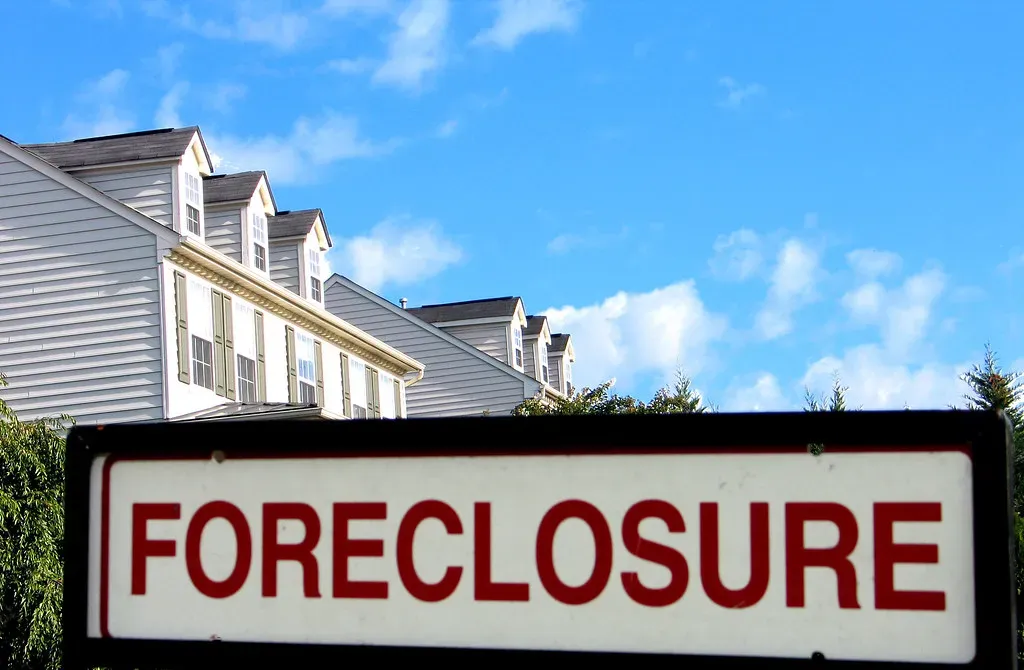
It would be easy to dismiss the foreclosure numbers as distant noise from Birmingham or Montgomery. However, the trend statewide matters because it signals financial stress that small cities like Enterprise are not immune to. Alabama recorded 6,039 foreclosures in 2025, representing a 9.3% increase compared to the 5,524 foreclosures in 2024.
In October 2025, roughly 1 in every 6,400 housing units in Alabama received a foreclosure filing, with 361 total filings statewide in that month alone. Alabama ranked 35th nationally for foreclosure activity. It’s hard to say for sure how much of that stress is hitting Enterprise specifically, but in a city where poverty rates are above national norms and incomes trail the national median, the risk is real.
For homeowners who bought at or near peak prices in 2024 or 2025 with limited financial cushion, any sudden job loss or economic disruption could tip the balance quickly.
Infrastructure Concerns and Extreme Weather Risk

Living in southeastern Alabama means accepting a certain degree of weather risk. Enterprise knows this well. In 2007, an EF4 tornado struck Enterprise High School, killing nine people and devastating the community. From 1980 to 2024, there were 116 confirmed weather and climate disaster events with losses exceeding $1 billion each affecting Alabama, including 58 severe storm events and 26 tropical cyclone events. Critically, the annual average for the most recent five years from 2020 to 2024 has jumped to 6.4 events per year, more than double the 1980 to 2024 historical average of 2.6 events.
Deficiencies in stormwater system capacity and condition contribute to growing public health and safety risks, and the situation is complicated by the fact that Alabama communities lack stormwater system inventory and condition assessment data. In practical terms, that means local governments are often flying blind when it comes to flood preparedness.
Alabama transportation officials have warned that the loss of a 2% annual funding escalation for road and infrastructure projects is “a meaningful number,” with multiple projects potentially unable to be addressed because the funding simply is not there. That is infrastructure stress that eventually lands on residents in the form of damaged property and disrupted commutes.
The Housing Inventory Is Growing, But Affordability Is Not Keeping Up
There is one sliver of brightness in an otherwise complicated picture. While sales activity rebounded statewide in 2025, inventory also grew, with Alabama reaching a median of nearly 20,000 active listings in 2025, a nearly 18% increase over 2024 and the highest volume in six years. More homes on the market should, in theory, ease prices.
Normally, rising inventory puts downward pressure on prices. In 2025, however, prices continued to rise, a dynamic economists attribute to a combination of seller behavior and longer-term supply constraints. So even as choices expand for buyers, the price tags keep climbing.
Rent growth has cooled from its pandemic peak, but rents in many areas still rise faster than wages, keeping cost burdens high for lower and middle-income renters. A significant share of renters continue to spend over 30% of their income on housing and utilities. For Enterprise residents who can’t yet afford to buy, the rental market offers little relief either.
Conclusion: The Quiet Exodus No One Is Talking About

Enterprise is not a failed city. Far from it. Living in Enterprise offers residents a suburban-rural mix feel, most residents own their homes, many families and young professionals call it home, and the public schools are highly rated. There is real community here. Real warmth.
Yet the combination of soaring home prices, above-average crime, a poverty rate well above the national norm, heavy dependence on a single military employer, rising foreclosures, and increasingly severe weather events creates a pressure cooker that many families have quietly decided they cannot afford to wait out. Not every family announces their departure with a blog post or a Facebook goodbye. Many simply list the house, get what they can in a hot seller’s market, and drive away without making a noise.
The story of why people leave Enterprise is not dramatic. It is a slow accumulation of small pressures that eventually tip the scale. The numbers are there. The data is real. The only question is whether the community chooses to look at it honestly, or keeps treating it as something that is not happening.
What would it take for you to leave a place you’ve always called home? That might be the most important question Enterprise residents ask themselves right now.
Partner offer
Planning a trip to Vegas?
Compare hotel rates and show tickets on VEGAS.com.