Something big is happening underneath Las Vegas. Not on the Strip. Not in the casino hotels. Literally underground, where tunnels are being bored through desert earth to create one of the most unusual transit systems in the world.
The Vegas Loop is real, it is growing fast, and depending on where you live or work in the Las Vegas Valley, it might soon be coming to your front door. Here is what you need to know about what is already open, what is being built right now, and which neighborhoods are next in line. Let’s dive in.
What Exactly Is the Vegas Loop?
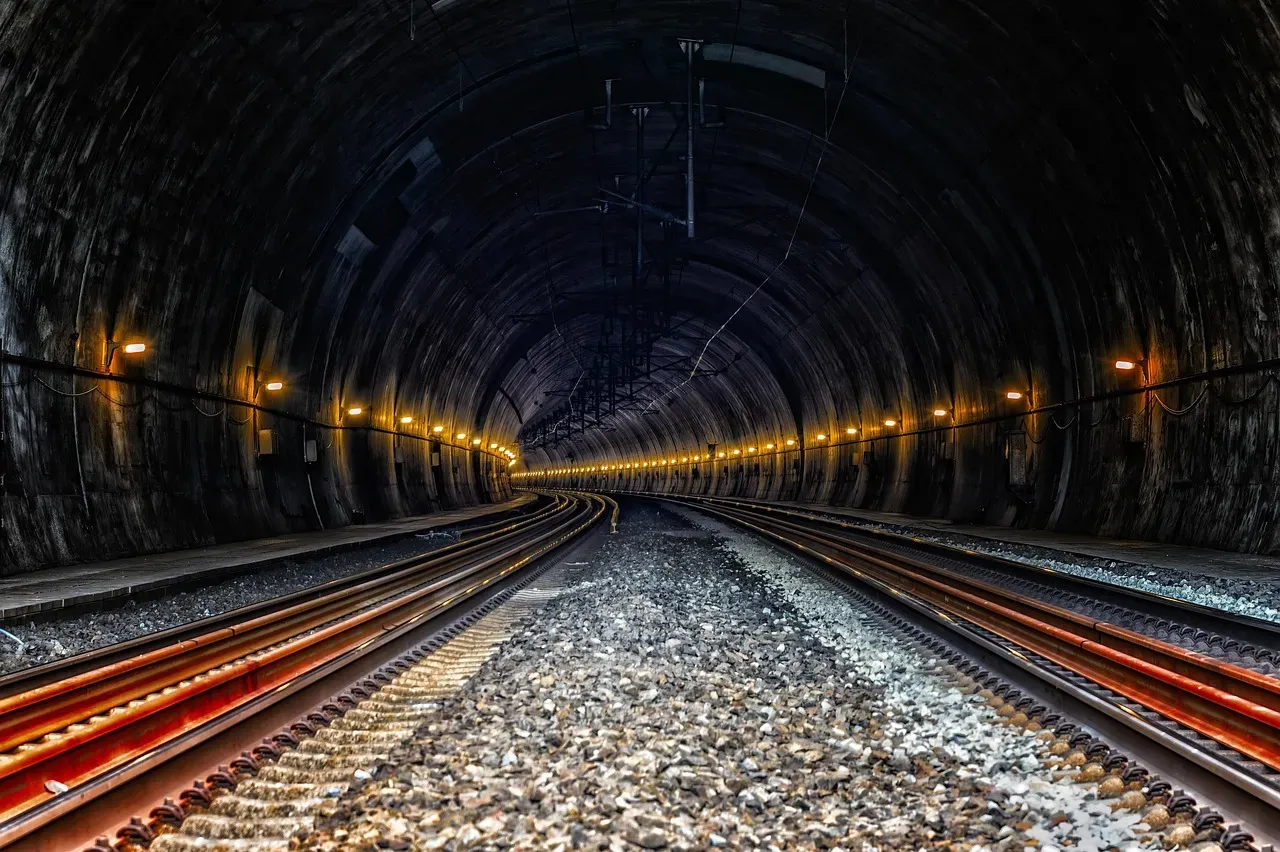
The Vegas Loop is an innovative transportation system that involves digging tunnels beneath Las Vegas to create a high-speed, underground transit network. The whole thing is built and operated by The Boring Company, the tunneling venture founded by Elon Musk. The system uses Tesla vehicles to transport people through underground tunnels that connect each station.
Think of it less like a subway and more like a private car service that just happens to run underground. You hop in, the driver takes you through a lit tunnel at up to 35 miles per hour, and you arrive at your destination in minutes. No stops along the way. Point to point, direct, fast.
Where the System Started: The LVCC Loop
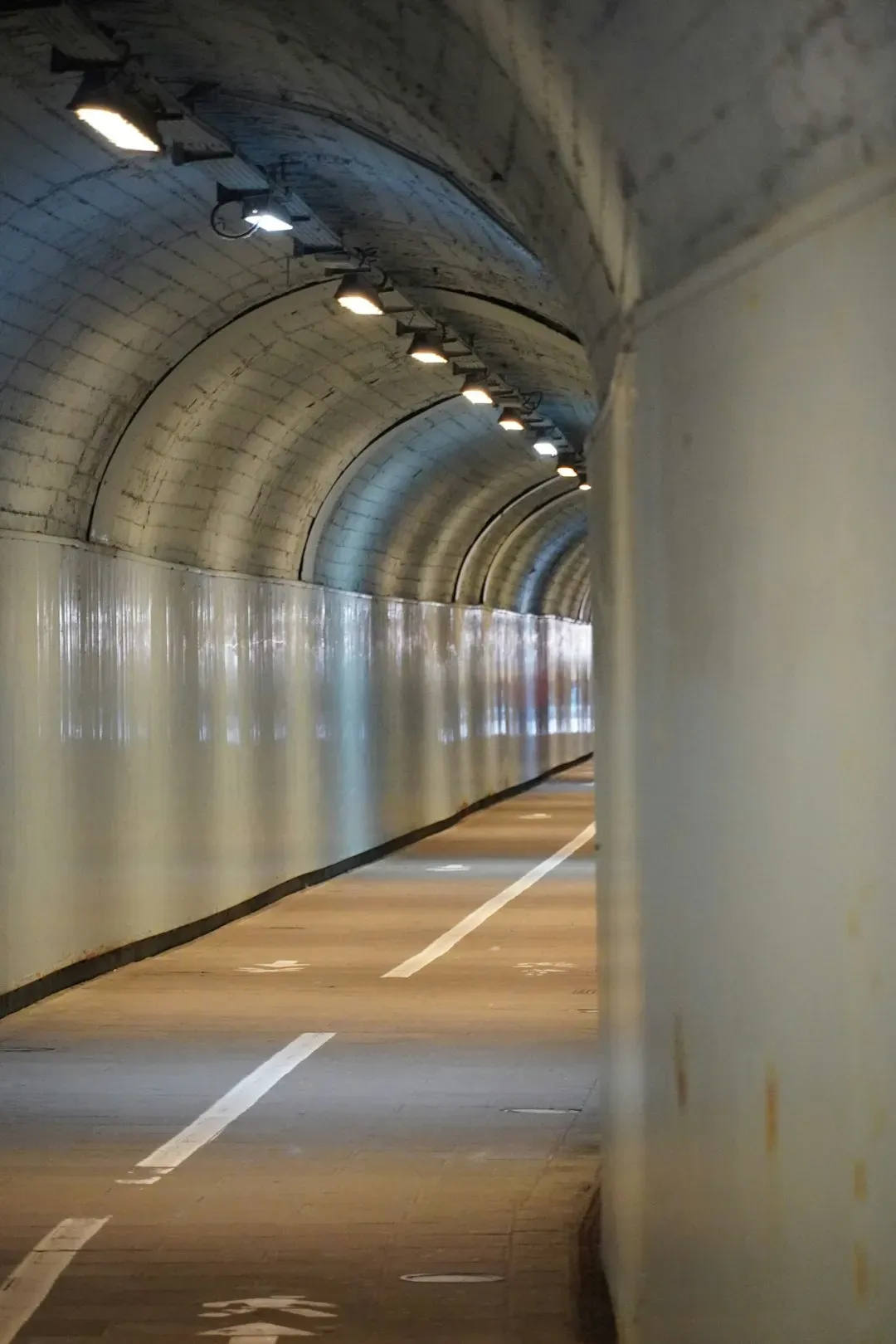
The whole thing began as a modest experiment under a convention center. LVCC Loop opened in April 2021 for the Mecum Motorcycle Auction and has operated at all subsequent conventions. It was a proof of concept, and honestly, it worked. LVCC Loop connects the LVCC West Hall with the existing campus, and reduces a 45-minute cross-campus walk to approximately 2 minutes.
The LVCC Loop is a 3-station transportation system consisting of 1.7 miles of tunnel, and the system cost approximately $47 million. That price tag sounds steep until you realize The Boring Company claims it was built in about a year with zero road closures. For a tunneling project in a city, that is pretty extraordinary.
The Network Today: What Is Actually Open Right Now
Since that first convention center loop, the system has grown. Currently, it has completed eight stations in the Strip corridor – five at the Las Vegas Convention Center, one at Resorts World in 2022, another at Westgate in January 2025 and the most recent one at Encore in April. That is a meaningful stretch of real estate, covering some of the busiest resort addresses on the planet.
The Vegas Loop currently includes more than 10 miles of completed tunnels, with about four miles operating with active passenger service. So there is more tunnel in the ground than most people realize. The operational portion is only one slice of a much larger picture already taking shape beneath the city.
Airport Connectivity: The Big 2026 Move
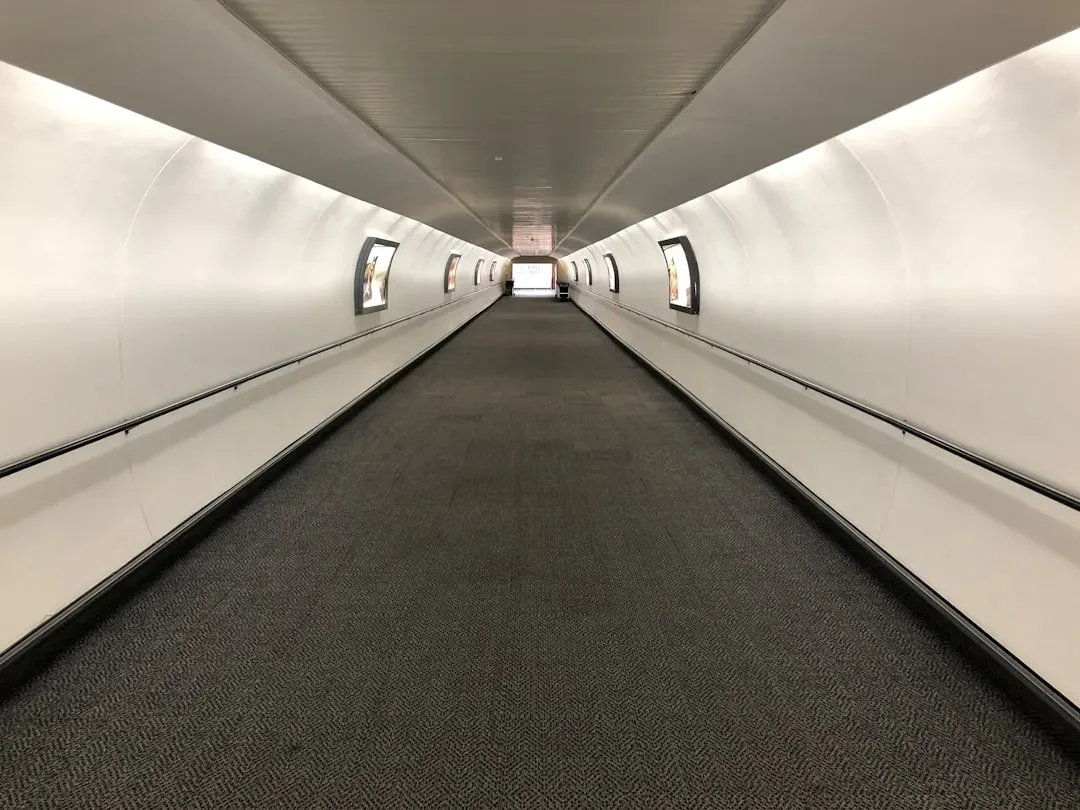
Here is where things get genuinely exciting for everyday travelers, not just convention attendees. The Boring Company has officially begun limited Vegas Loop rides to Harry Reid International Airport. The airport rides are offered between 10AM and 9PM and cost approximately $12. That service launched in late December 2025.
Phase 1 of the airport ride service began, allowing service between the airport and existing stations at Resorts World, Encore, Westgate, and the Las Vegas Convention Center. For now, part of the trip still happens above ground on surface roads, but that changes soon. In Q1 2026, Boring expects to finish its Airport Connector tunnels, moving the entire ride underground.
Downtown Las Vegas: A New Permit Changes Everything
For residents and regulars in the downtown corridor, January 2026 brought big news. The city issued its first permit to The Boring Company to begin construction to expand the Vegas Loop into Downtown Las Vegas, with the underground transportation tunnel expansion project set to welcome the first Vegas Loop station in the city.
Two connector underground tunnels will provide direct access from the Las Vegas Convention Center to The Strat Hotel, Casino and Tower just north of the property. The City of Las Vegas unanimously approved the network’s expansion to downtown, with 5 stops planned at STRAT, Circa, Plaza, Slotzilla, and another along the Fremont Street Experience. That is a lineup that would connect the Strip corridor to one of the most visited stretches in Nevada.
Chinatown: Three New Stations on the Way
Not enough people are talking about this one. The Boring Company has confirmed plans to integrate three new stations into its Vegas Loop system along the Spring Mountain corridor in Chinatown. For a neighborhood that draws serious foot traffic from locals and tourists alike, this is a significant development.
Tunneling is slated to begin in 2026, promising to triple connectivity for over 200 businesses in the area. Chinatown, stretching along Spring Mountain Road, has long been a draw for tourists and locals alike, but accessibility has been a persistent challenge amid Las Vegas’s sprawling layout and traffic congestion. Three direct underground stations could genuinely change that equation.
Allegiant Stadium, the Medical District, and More
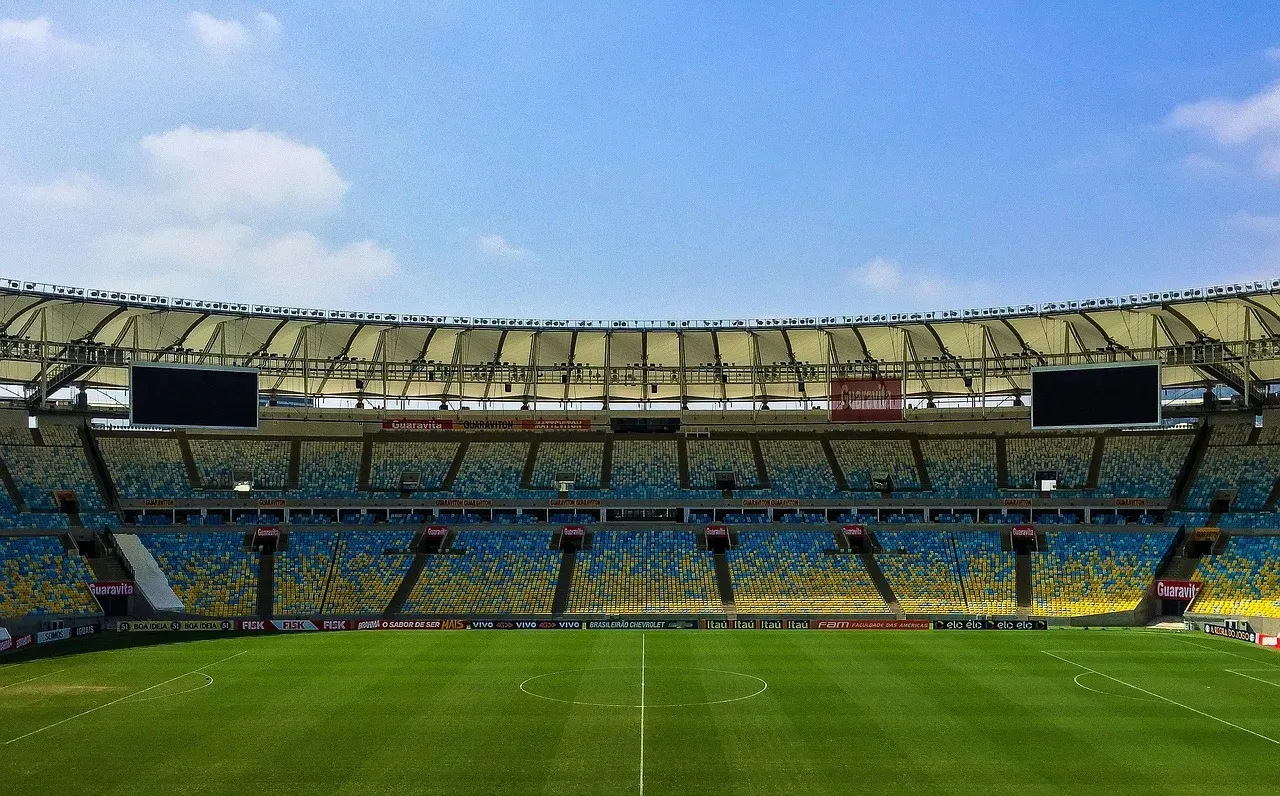
The expansion plans stretch well beyond the obvious tourist anchors. The Boring Company aims to install 68 miles of tunnels underneath Las Vegas with around 100 stations including stops at Allegiant Stadium, the Las Vegas Medical District, Fremont Street, various Strip hotels, Chinatown, and near Harry Reid International Airport. That is a sweeping footprint for a city that, right now, relies almost entirely on cars and rideshare.
Additions are primarily on the south, east and west sides of the Resort Corridor, including near Allegiant Stadium, the UNLV campus, Town Square, and the intersection of Las Vegas Boulevard and Blue Diamond Road, which is where a proposed high-speed rail station would be built. The picture of a truly connected city is slowly coming into focus, even if the full build is still years away.
The Scale of the Full Vision
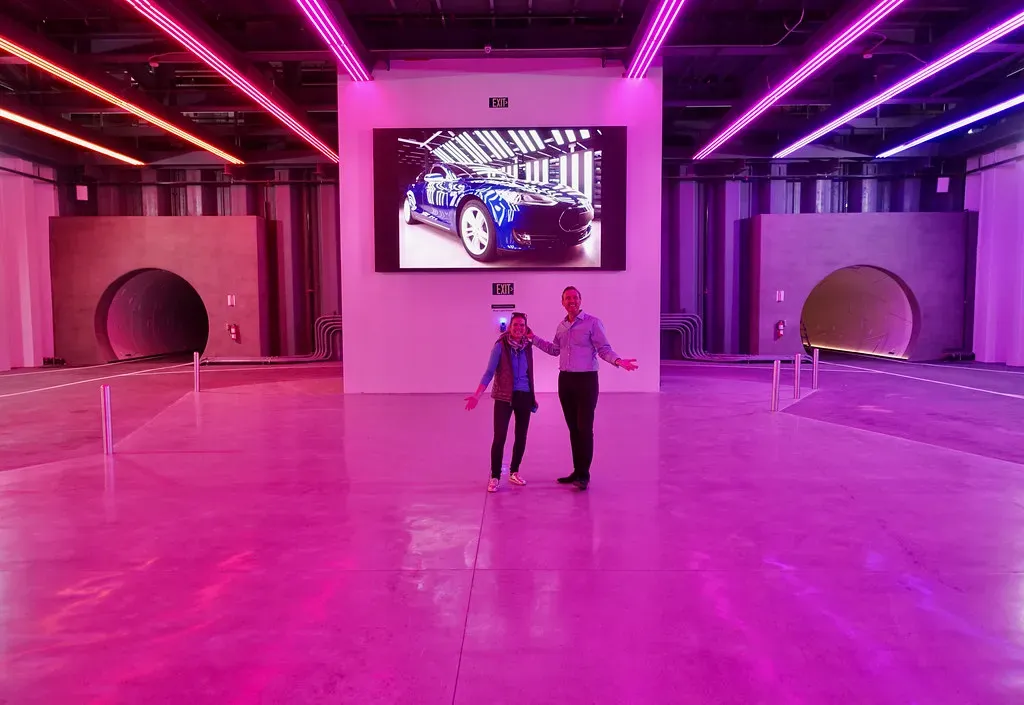
Let’s step back and look at the sheer ambition here. Clark County and the City of Las Vegas have approved 68 miles of tunnel and 104 stations, cementing the Vegas Loop as a vital piece of the city’s future infrastructure. For context, the entire Las Vegas Strip is roughly four miles long. This network would be seventeen times that length.
In its final form, the Vegas Loop will serve up to 90,000 passengers per hour, rapidly connecting key locations like Harry Reid International Airport, Allegiant Stadium, and downtown, with transit times between 2 and 8 minutes. To put that in perspective, the entire Las Vegas Monorail, which shut down in 2021, had a peak capacity of around 9,000 passengers per hour. We are talking about something ten times that scale.
The Permit Challenge: Why It Is Taking So Long
I think it is worth being honest about one thing: this project moves slowly. Not because of a lack of ambition or cash, but because of paperwork. The Vegas Loop project requires a bevy of building permits, with over 600 needed for the entire project of 68 miles of tunnels and 104 stations. Six hundred permits. That is a staggering bureaucratic mountain.
It takes about six months for permit approval from Clark County and Boring Co. obtains a new one every one to two weeks. The company plans multiple increases in its Tesla vehicle fleet for Vegas Loop service, moving from 130 vehicles today to 160 when new tunnels open and scaling to between 250 and 300 vehicles later in the airport corridor expansion. The infrastructure and the fleet are scaling together, which at least shows coordination.
What This Could Mean for Transportation in Las Vegas
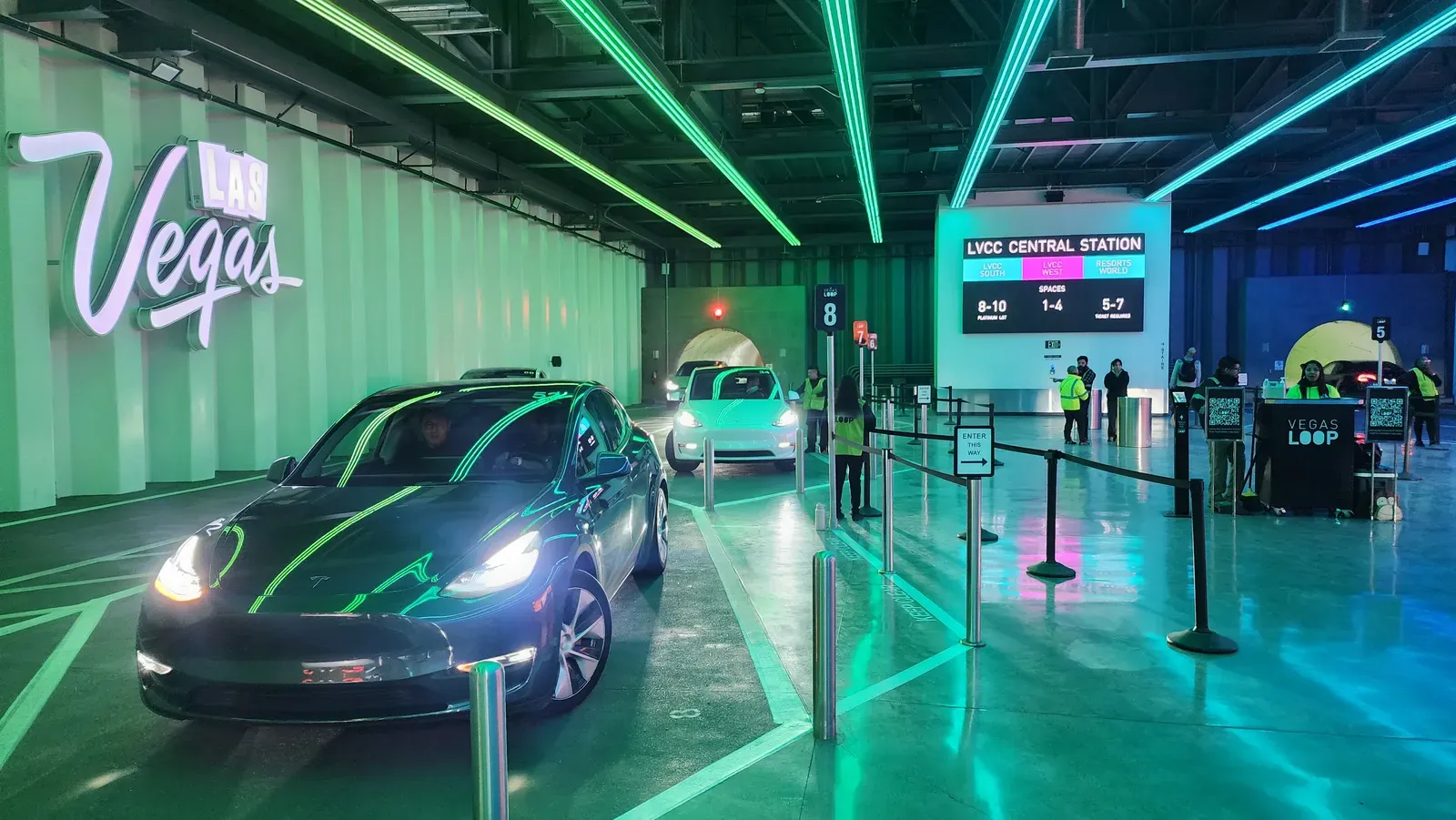
Here is the thing: Las Vegas has a genuine mobility problem. Currently, there is not a mass transit option aside from bus service connecting major destinations such as the airport, the Strip, Fremont Street, Allegiant Stadium, and the Las Vegas Convention Center. In a city with 40 million plus visitors annually, the fact that cabs and rideshare services are the only options to get somewhere quickly is a bit absurd.
The Boring Company and the Las Vegas Convention and Visitors Authority expect ridership to increase to 5 million to 10 million per year once the airport connector tunnels open. That is a real shift in how people move through one of the most visited cities on Earth. Still, it is worth noting that some plans have already fallen through, including a recent deal to place a station on UNLV’s campus. Nothing about a project this complex goes perfectly, and the timeline for each neighborhood varies depending on permits, private partnerships, and funding. The Vegas Loop is not a finished product. It is a city in mid-transformation, being built one tunnel at a time.
What is undeniable is that the underground map of Las Vegas is changing fast. Whether your neighborhood ends up connected is still partly a matter of timing, politics, and private investment. What neighborhood are you hoping to see on that map next? Drop your thoughts in the comments.