People love to romanticize downtown Las Vegas. The neon, the noise, the sense that anything goes at any hour. Tourists see the light show on Fremont Street and assume that’s the whole story. Honestly, when I first moved here a decade ago, I thought the same thing.
Living here changes your perspective fast. You stop seeing downtown through a visitor’s lens and start seeing it the way a resident does, which means you start learning very quickly where the edges are. Not every corner of downtown is created equal, and some spots shift dramatically once the sun goes down.
Here’s what ten years in this neighborhood has actually taught me. Some of it might surprise you. Let’s dive in.
1. The Side Streets Flanking Fremont Street After Midnight
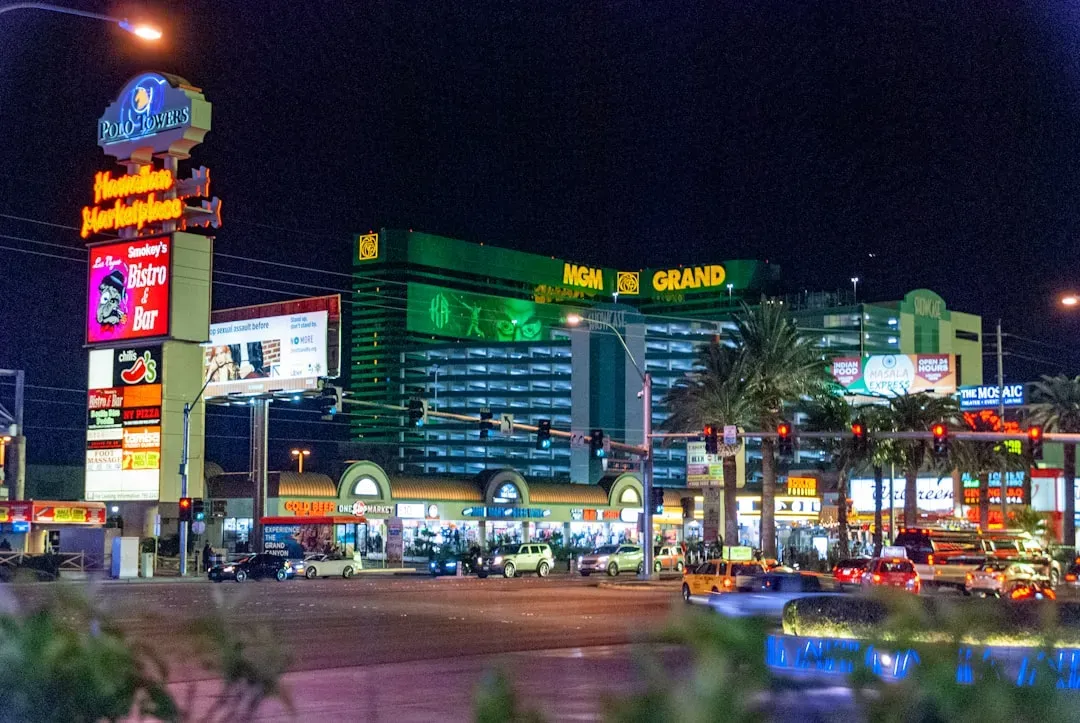
Let’s be real: Fremont Street itself, especially the well-lit Experience corridor, is heavily monitored and generally manageable. Downtown Las Vegas, including Fremont Street, is generally safe at night in well-lit, crowded tourist areas with heavy security presence. The problem isn’t the main drag. It’s what happens one or two blocks off it once it gets late.
Risks like theft and assaults increase in side streets or less populated spots, especially after dark. I’ve watched this happen with my own eyes. The moment you leave the glowing canopy and turn down a quieter block, the energy shifts completely. It’s not something you read in a brochure, but it’s something every downtown local knows.
The blocks just outside Fremont Street, particularly toward the east and west edges, tend to have more foot traffic that’s not tourism-related. Downtown has more nightlife, which brings more intoxicated people, and once you start walking local neighborhoods beyond the Fremont Street Experience corridor, especially after dark, your safety margin drops. That’s not paranoia. That’s just pattern recognition after a decade of living here.
Downtown Las Vegas ranks in the 2nd percentile for safety, meaning it is safer than only about two percent of neighborhoods in the country. That’s a sobering number, and it’s one that visitors rarely see plastered on the tourism websites. I’m not saying don’t come here. I’m saying pay attention to where your feet are taking you.
2. The Downtown East Corridor, Especially Near Boulder Highway
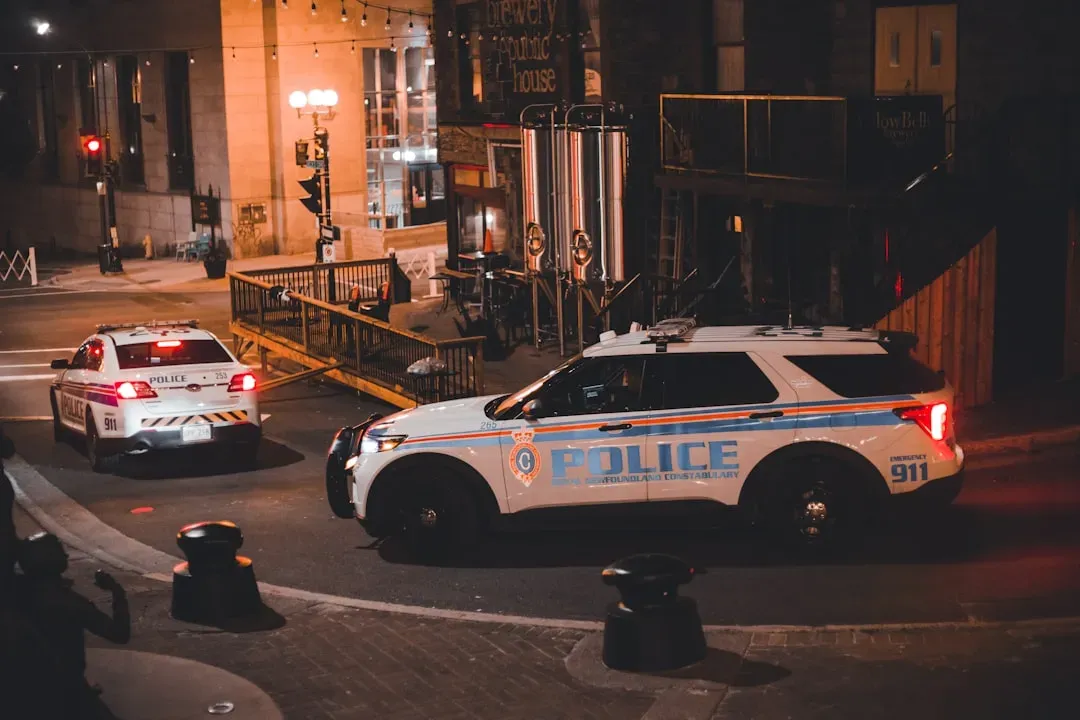
Here’s the thing about Downtown East: it looks perfectly harmless on a map. It’s close to the Fremont Street Experience, it has residential streets, it has a few restaurants. Downtown East is a primarily residential part of Las Vegas that, despite having a high crime rate, manages to attract tourists around areas like Fremont Street. Due to a high amount of transient activity, many tourists and residents may find themselves victims of violent or property crime.
Property theft, including burglary, larceny, and vehicle theft, make up a large percentage of criminal activity in Downtown East. I’ve had a neighbor whose car was stripped clean overnight just a few blocks from a well-known restaurant. It happens quietly, and it happens often enough that locals know not to linger there after dark without good reason.
The area around Whitney and Boulder Highway sees a violent crime rate that is dramatically above the national average. This is also where many of the extended stay hotels are situated, which draws people looking for budget accommodation without fully understanding the area’s risk profile. Think of it like this: you’re staying somewhere cheap, but the true cost might be your peace of mind, or worse, your safety.
The Las Vegas Metropolitan Police Department has reported a notable uptick in violent crime, particularly in densely populated areas like the Fremont Street area downtown, and year-over-year crime in Las Vegas has seen significant increases, with the city’s violent crime rate now substantially higher than the national average. That context matters when you’re deciding whether to take a shortcut through a dark stretch of Boulder Highway at 1am.
3. The Stretch Between the Arts District and Downtown After 11pm
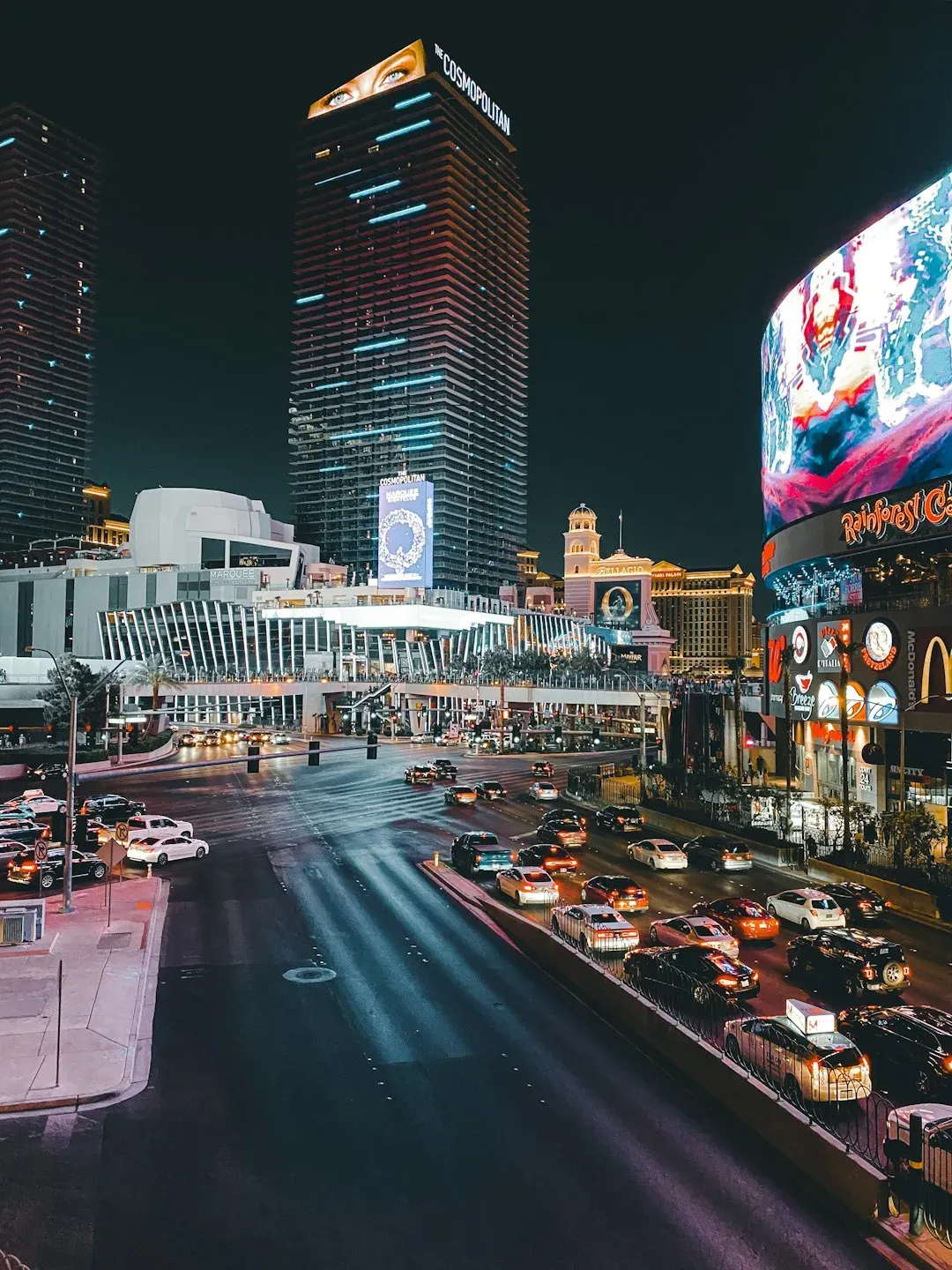
The Las Vegas Arts District has genuinely transformed over the past decade, and I have a lot of love for what it’s become. But the walk between the Arts District and the Fremont Street core is a different story after dark. It’s not a long walk on a map. In real life, at midnight, it feels like a very different city.
A stroll south on Fremont to Charleston Boulevard, followed by a swing east, brings you to the Arts Factory, the epicenter of the Arts District, a distance of about 1.2 miles. As for the safety of walking that route after dark, locals and longtime visitors say they wouldn’t dare it. There are some notoriously seedy and unpredictable patches between Glitter Gulch and the Arts District.
There are areas between the Arts District and downtown that locals wouldn’t walk through late at night, though during weekdays they’re mostly offices and supporting businesses. It’s that duality that catches people off guard. A street that feels fine at 2pm can feel genuinely unsafe at 2am. I know it sounds crazy, but the difference is that stark.
Las Vegas saw a notable increase in altercations in areas where crowds gathered at night, and heat can exacerbate tempers and cause heightened agitation, making conflicts more likely to turn violent. In Las Vegas, where alcohol consumption is high among tourists, the combination of intoxication and heat often leads to more physical confrontations. The Arts District walk cuts through spots where those conditions collide, especially on weekend nights.
What the Data Actually Says About Downtown Vegas at Night
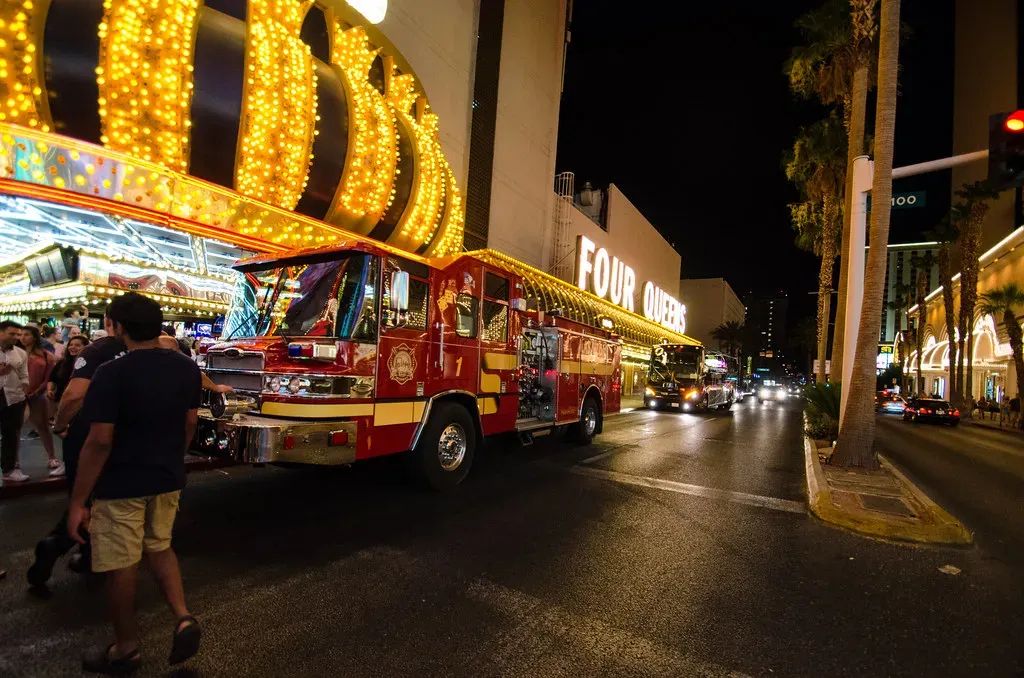
None of this is meant to frighten anyone. Downtown Vegas has made real progress. Metro Police efforts to ban individuals with repeated convictions in and around the Fremont Street corridor have resulted in about a ten percent decrease in crime victims in the area. That’s meaningful progress, and it reflects the work being done. It’s just not the whole picture.
The downtown Las Vegas entertainment corridor remains a hotspot for theft, robbery, and drug-related offenses, drawing large crowds that create ongoing challenges for law enforcement. The LVMPD has responded with increased patrols, but manpower can only cover so much ground at once, especially on a busy Saturday night when the crowds are thick and the side streets are dark.
The Las Vegas Metropolitan Police Department has taken proactive steps to mitigate crime by increasing police presence in high-traffic areas like Fremont Street and working with local businesses to enhance security, particularly in casinos, nightclubs, and outdoor events. That coordination helps on the main strips. What it can’t do is blanket every dark block and alley in the broader downtown zone.
After ten years, I’ve made my peace with this city. I genuinely love living here. The energy, the community, the odd beauty of a city that never quite sleeps. Still, loving a place means being honest about it. Downtown Las Vegas is not a monolith. It has pockets of real warmth and pockets of real risk, and often they’re only a few hundred feet apart.
The three spots above aren’t places I avoid out of fear. I avoid them after dark out of experience. There’s a difference. My rule is simple: if a rideshare costs four dollars and saves you a sketchy fifteen-minute walk, you take the rideshare. Every single time.
If you’re visiting or thinking of moving downtown, don’t let this stop you. Just don’t let the neon fool you either. What would you have guessed before reading this?