
After enough years of writing, co-writing, and sitting in rooms where a half-finished chorus gets passed around like a hot plate, you start to notice patterns. The same stumbling blocks show up again and again, regardless of genre or talent. Most of them have nothing to do with how well someone plays or sings.
What follows are seven mistakes that come up constantly with newer writers. None of them are fatal, and nearly all of them are fixable with a bit of awareness and some changed habits.
Waiting for Inspiration Instead of Building a Routine

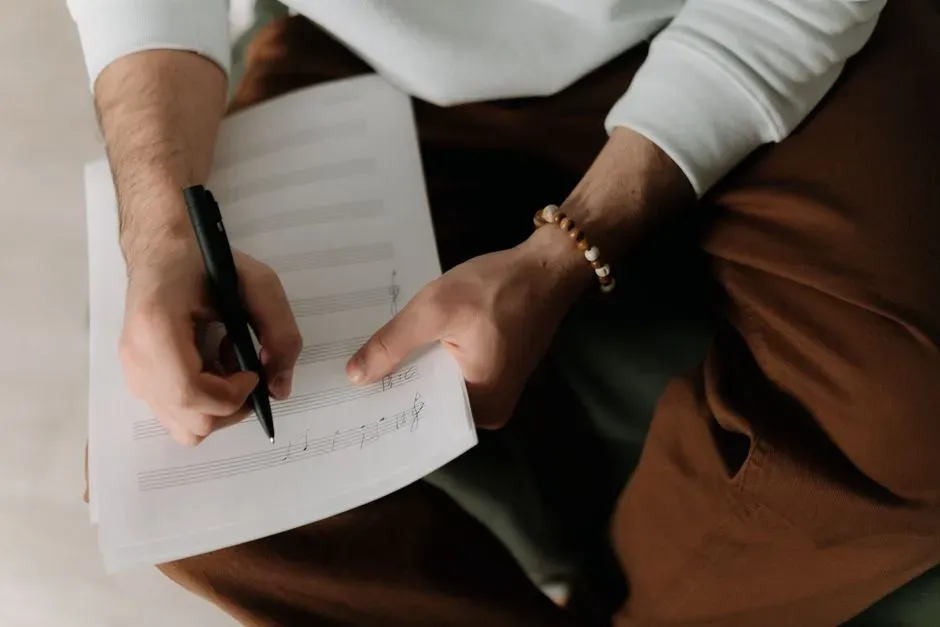
Many beginners treat songwriting like a lightning strike. They write when they feel something huge, then go weeks without finishing anything. The result is a phone full of voice memos and very few complete songs.
Working writers tend to treat it more like a craft. A short, regular session, even twenty minutes a few times a week, builds the muscle that makes the lucky days more productive. Inspiration still shows up, but it finds you already at the desk.
Abandoning Songs Before They’re Finished


A first verse and chorus feel exciting. Then the second verse gets hard, and a new idea starts looking shinier. Over time, that habit teaches you to quit at exactly the point where the real learning happens.
Finishing a mediocre song teaches you more than starting ten great ones. You learn how to build a bridge, how to land an ending, and how to solve problems you didn’t know existed. Even a rough, complete draft can be rewritten, while an unfinished fragment just sits there.
Writing Lyrics That Are Too Vague
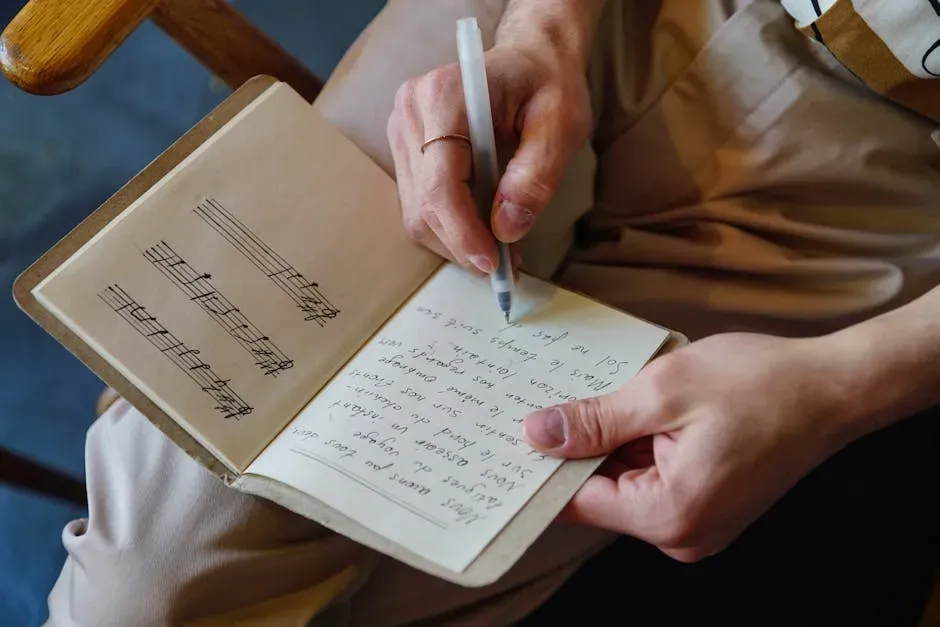
New writers often reach for big, safe words like love, pain, darkness, and fire. They feel profound while you’re writing them, yet listeners can’t picture anything. Abstract language gives the ear nothing to hold onto.
Specific detail does the opposite. A cracked phone screen, a porch light left on, or a half-empty coffee cup carries emotion without announcing it. Pick one concrete image per verse and let it do the heavy lifting.
Partner offer

Ignoring Song Structure and Pacing


Plenty of early songs run too long before the chorus arrives, or they repeat the same section without adding anything new. Listeners today have a lot of options, and streaming habits have pushed many hit songs toward shorter intros and quicker hooks. A slow, six minute build can work, but it has to earn its length.
A useful exercise is to map out a song you admire, section by section, and note where the energy rises and falls. You’ll often find that each part has a clear job. Your own verse should move the story forward, and your chorus should say the main idea plainly.
Forcing Rhymes at the Expense of Meaning

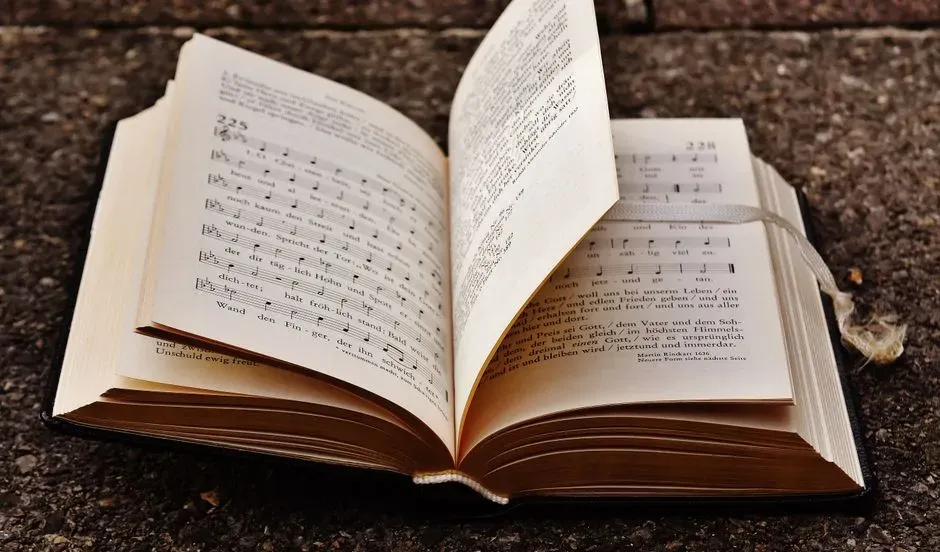
Rhyme is a tool, not a goal. When a writer bends a sentence into awkward shapes just to land on a matching word, listeners feel it, even if they can’t say why. Lines like that often sound like they belong to a greeting card.
Try near rhymes, also called slant rhymes, where the vowels or consonants echo without matching perfectly. Many professional songs use them heavily. If the honest phrase doesn’t rhyme, change the line before it so the meaning stays intact.
Skipping Feedback and Co-Writing

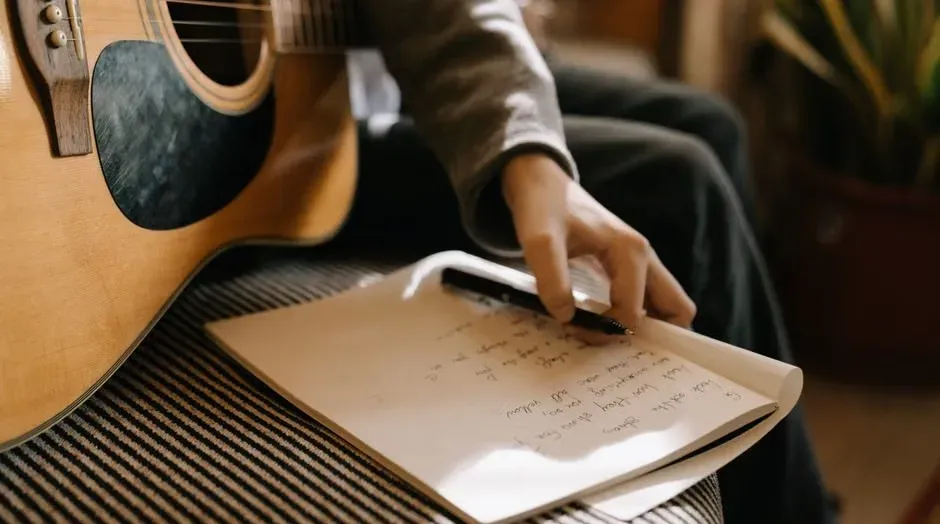
Writing alone is comfortable, and sharing unfinished work feels exposed. Still, a song that only its author has heard is a song nobody has tested. Friends who say it’s great are kind, but they rarely help you improve it.
Look for people who will tell you which line lost them. Songwriting circles, open mics, and co-writing sessions all give you that signal. Co-writing in particular exposes you to other people’s habits, and you’ll pick up tricks you wouldn’t have found alone.
Neglecting the Business Side of Songwriting

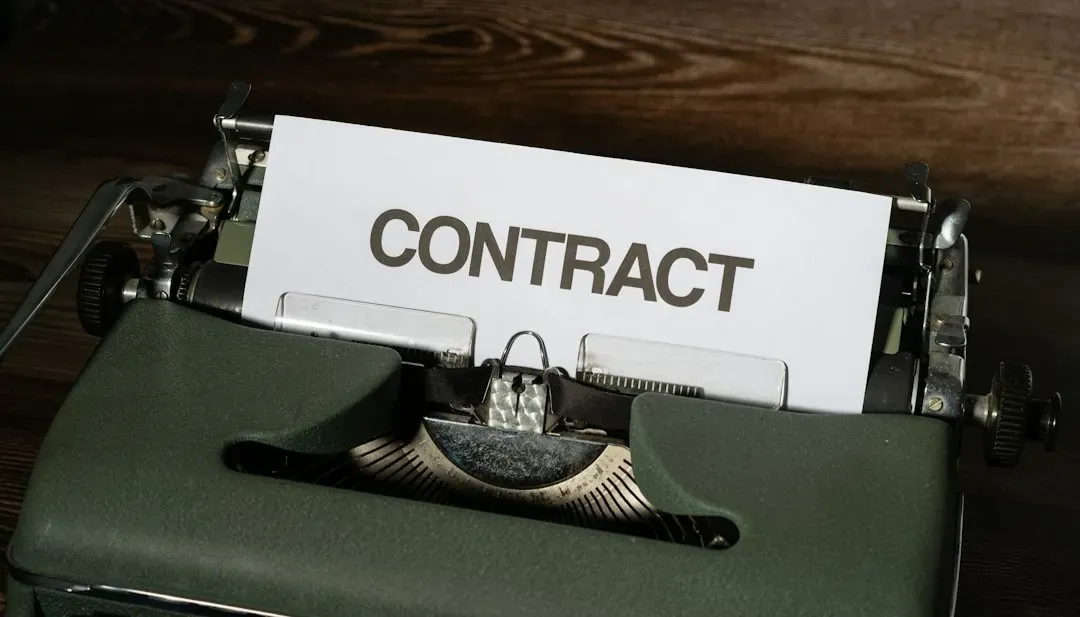
Many new writers never register their songs with a performing rights organization, such as ASCAP, BMI, or SESAC in the United States. Without that, performance royalties can go uncollected. Songwriters also often leave split agreements vague, which causes real trouble if a song later earns money.
Agree on ownership percentages in writing right after a co-write, while everyone is still friendly. Keep dated demos and lyric drafts as a record. It’s not glamorous work, but it protects the thing you spent weeks making.
Partner offer
Planning a trip to Vegas?
Compare hotel rates and show tickets on VEGAS.com.