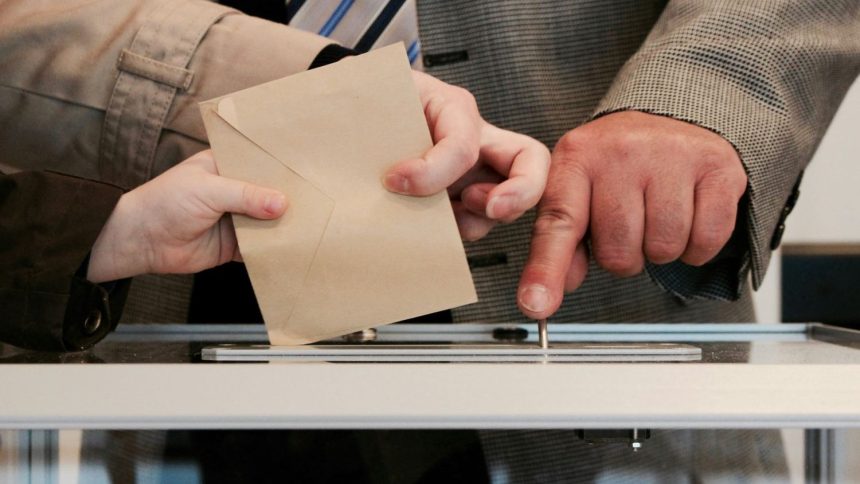

Trump-Ordered Citizenship Lists for Voting Are Likely Unreliable, Justice Dept. Says – Image for illustrative purposes only (Image credits: Unsplash)
In a federal court hearing examining a presidential order that seeks expanded federal authority over election administration, a Justice Department attorney delivered a direct assessment of the citizenship data compiled under that directive. The lawyer stated that the lists fall short of the standards needed for states to update voter rolls responsibly. This position emerged during proceedings that address how such federal efforts intersect with longstanding state responsibilities for maintaining accurate registration records.
Details of the Presidential Order
The order directs federal agencies to assemble citizenship information specifically to assist states in identifying and removing ineligible voters from their rolls. It represents an attempt to centralize certain verification processes that have traditionally remained under state control. Supporters of the measure contend it reinforces basic eligibility requirements for voting.
Implementation has involved coordination across multiple agencies to generate the lists, yet questions about completeness and accuracy have surfaced quickly. The hearing provided the first formal opportunity for the Justice Department to address those questions in a judicial setting.
Justice Department Position Presented in Court
The government attorney emphasized that the citizenship lists contain limitations that make them unsuitable as a primary tool for voter-roll maintenance. According to the lawyer, no responsible state should treat the data as reliable enough to guide updates. This assessment came directly from the agency tasked with defending the order.
Partner offer
The statement stands out because it originates from within the administration that issued the directive. It underscores practical difficulties in translating broad policy goals into usable administrative records. Court observers noted the measured language, which avoided broader claims about the order’s overall intent while focusing on operational shortcomings.
No responsible state should rely on the lists to update their voter rolls.
Practical Consequences for State Election Officials
States now face a clear signal from the Justice Department about the limitations of the federal lists. Election administrators must decide whether to incorporate the data at all or to continue relying on existing state-level verification methods. In Nevada, where voter-roll accuracy has been a recurring topic in recent election cycles, officials will likely review the guidance alongside their current procedures.
The warning also affects how states allocate resources for list maintenance. Rather than shifting to a single federal dataset, many may retain hybrid approaches that combine multiple sources. This preserves state autonomy while addressing eligibility concerns through established channels.
Next Steps in the Legal Process
The hearing marks an early stage in litigation over the presidential order. Additional arguments and evidence are expected as the case proceeds. States and advocacy groups monitoring the matter will continue to track how the Justice Department’s assessment influences future implementation plans.
Ultimately, the episode illustrates the tension between federal policy ambitions and the day-to-day requirements of accurate voter-roll management. Election officials across the country will weigh the department’s assessment as they prepare for upcoming voting periods.
Partner offer
Planning a trip to Vegas?
Compare hotel rates and show tickets on VEGAS.com.