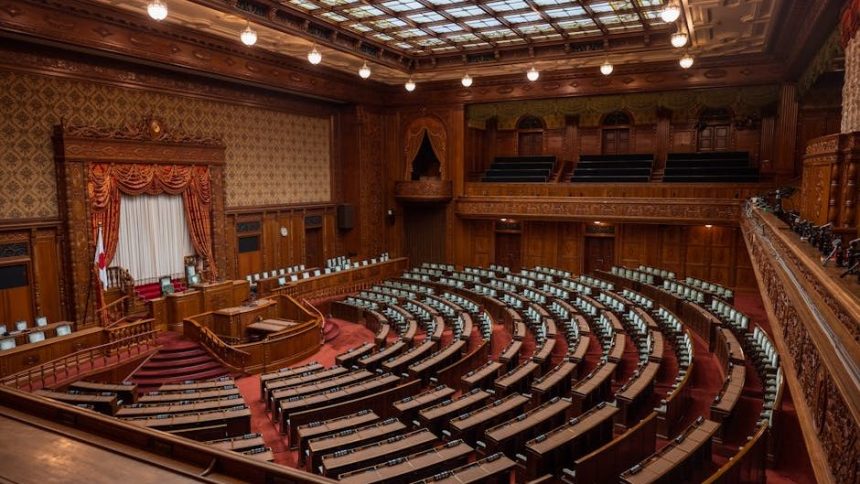


Senate candidate Dakarai Larriett attacks primary opponent over Republican voting record – Image for illustrative purposes only (Image credits: Pexels)
Democratic Senate candidate Dakarai Larriett has escalated the party’s primary contest by directly challenging opponent Kyle Sweetser over his past support for Donald Trump and Republican connections. The move positions those ties as a liability just ahead of the May 19 vote. It reflects the high stakes in a race where candidates seek to define themselves clearly for Democratic voters.
Attack Centers on Voting History
Larriett framed Sweetser’s earlier Republican-leaning choices as evidence that he cannot be trusted to advance core Democratic priorities. The criticism draws a sharp line between the two contenders at a moment when every vote in the primary matters. Observers note that such direct references to past ballots can quickly shift the tone of an otherwise low-profile contest.
By highlighting these details publicly, Larriett aims to consolidate support among voters who view any Republican alignment as disqualifying. The approach leaves little room for ambiguity in how the candidates differ on fundamental party loyalty.
Partner offer

Race Dynamics Shift Ahead of Vote
The exchange arrives at a critical juncture, with ballots set to be cast in less than two weeks. Campaigns in tight primaries often intensify messaging around electability and consistency. Larriett’s decision to focus on Sweetser’s record suggests a strategy built on contrast rather than broad policy overlap.
Primary voters now face a clearer choice between two profiles within the same party. The emphasis on past voting patterns can influence turnout among those who prioritize ideological purity in the general election matchup that follows.
Broader Lessons for Primary Contests
Attacks rooted in an opponent’s previous party ties have become more common as Democrats seek to avoid any perception of weakness against Republican opponents. This tactic tests how much weight voters assign to historical records versus current platforms. In this case, the focus remains narrow and personal.
The outcome on May 19 will determine which candidate carries the party’s banner forward. Such early clashes often set the tone for how the eventual nominee handles scrutiny in the fall campaign.
Key point: Larriett’s move underscores how quickly Democratic primaries can turn on questions of past affiliations when the general election looms.
Partner offer
Planning a trip to Vegas?
Compare hotel rates and show tickets on VEGAS.com.