

Federal Overreach or Necessary Support? (Image Credits: Unsplash)
Las Vegas – A reader’s pointed letter in the Las Vegas Sun highlighted a pressing fiscal reality: with the nation’s massive debt, federal dollars should prioritize essential national programs, leaving local trails to community care.[1][2] This perspective resonates amid ongoing discussions about who bears responsibility for maintaining the region’s popular paths, from urban walkways to desert hikes. As usage surges, questions of funding and upkeep intensify for residents who cherish these outdoor assets.
Federal Overreach or Necessary Support?
Many trails near Las Vegas fall under federal jurisdiction, particularly those in areas like Red Rock Canyon National Conservation Area. State parks there have pursued trail maintenance projects to address heavy use and habitat concerns.[3] Critics like letter writer Troy Pyles argue that such involvement strains national budgets, advocating a return to core federal duties.
Local advocates counter that federal lands attract visitors from afar, justifying broader support. Yet, recent policy shifts emphasize prioritizing high-impact areas, prompting communities to fill gaps through partnerships.[4] This tension underscores a broader push for fiscal restraint at the top levels of government.
City and County Take the Lead
Clark County Public Works oversees roadway infrastructure and some recreational paths, handling design, construction, and upkeep in public rights-of-way.[5] Residents report issues via dedicated channels, ensuring timely responses for county-managed areas.
The City of Las Vegas maintains its trails network, as outlined in its Trails Element plan, though adjacent property owners share sidewalk duties under municipal code.[6] North Las Vegas Public Works similarly promotes community welfare through infrastructure services.[7] These entities focus on urban and regional connectivity, linking neighborhoods to parks.
Homeowners and Volunteers Step In
In planned communities, homeowners associations often manage trails, as seen in Summerlin where private groups handle specific paths.[6] Property owners or management bear walkway maintenance in much of Nevada, reducing public burdens.[8] Declarations require reimbursements if cities intervene.
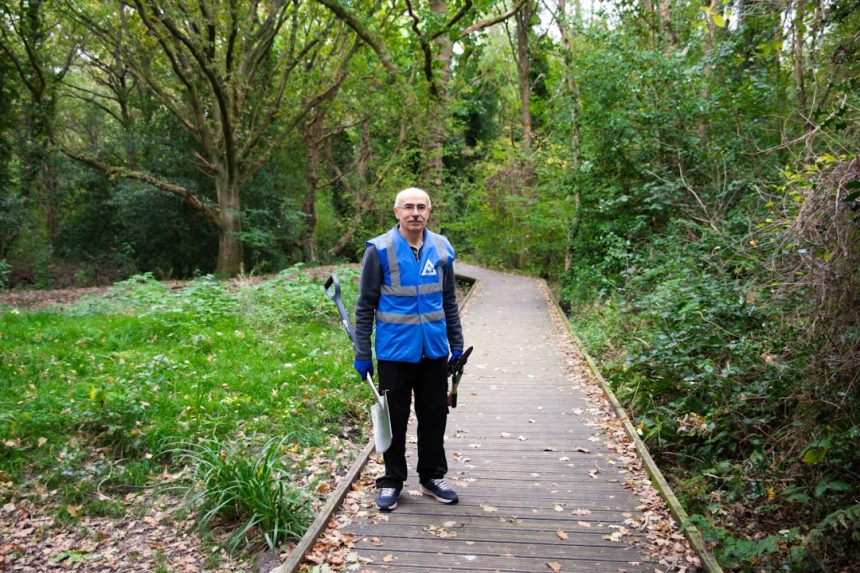
Volunteers play a crucial role too. Clark County’s Trail Maintenance Volunteer Coordination Program unites agencies for collaborative efforts.[9] Groups like the Nevada Conservation Corps tackle backcountry work, stepping up when budgets tighten.[10] These initiatives foster ownership and sustainability.
Navigating Costs and Challenges
Maintenance demands vary widely. Estimates for similar trails run $5,000 to $7,000 per mile annually, covering inspections, repairs, and liability safeguards.[11] Erosion, overuse, and weather strain resources across jurisdictions.
| Jurisdiction | Primary Responsible Party | Reporting Method |
|---|---|---|
| Clark County Parks | County Real Property Management | Email or phone: (702) 455-4974[12] |
| City of Las Vegas | Public Works | Online form or dropdown selector[13] |
| Homeowner Associations | Property Owners/Management | Association board contact[8] |
| Federal Lands (e.g., Red Rock) | State Parks/NPS/BLM | Park-specific channels[3] |
Interactive maps help identify the right authority for road or trail fixes.[13] Clear delineation prevents overlaps and ensures accountability.
Key Takeaways
- Federal funds target national priorities, shifting local trails to cities, counties, and communities.
- Volunteers and HOAs fill critical gaps, promoting sustainable upkeep.
- Residents can report issues via jurisdiction-specific tools for faster resolutions.
As Southern Nevada’s trails draw crowds for health and recreation, the call for local responsibility grows louder. Balancing budgets while preserving access demands collaboration across levels. What steps can your community take to support these vital paths? Share your thoughts in the comments.