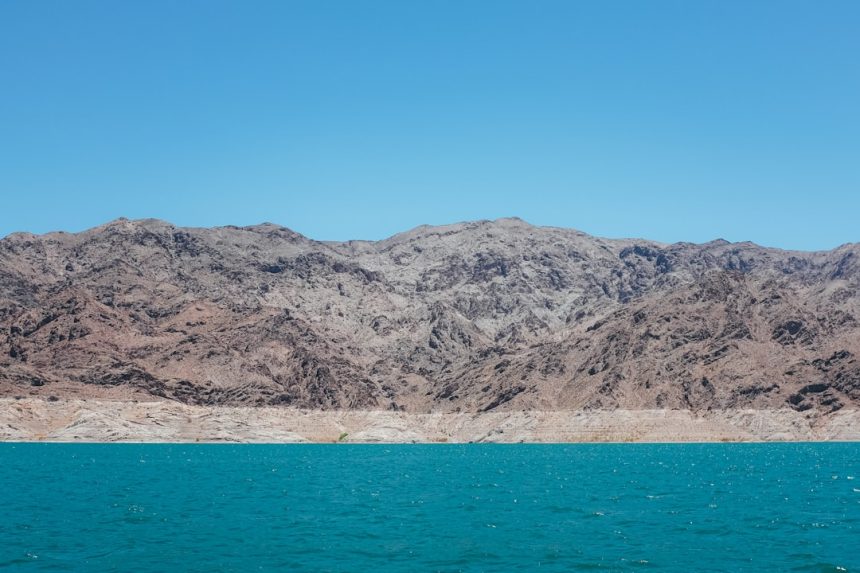

Winter Temperatures Smash Long-Standing Benchmarks (Image Credits: Unsplash)
Las Vegas – The desert metropolis wrapped up its meteorological winter with the highest average temperatures since records began in 1947, setting the stage for an exceptionally warm spring and renewed worries about the Colorado River’s primary reservoir.[1]
Winter Temperatures Smash Long-Standing Benchmarks
Climatologists confirmed the season’s average temperature at Harry Reid International Airport reached 54.8 degrees Fahrenheit through late February, edging out the prior mark of 54.6 degrees from 2015. Dan McEvoy, a climatologist with the Desert Research Institute, noted the figure would likely tick higher before spring commenced on March 1. December 2025 stood as the warmest on record, while January ranked fifth warmest.[1][2]
This pattern aligned with broader Western trends under La Niña influences, which delivered drier, hotter conditions to the Southwest. The city hit 81 degrees on February 26, its first reading above 80 this year. Such extremes underscored a season of repeated record highs across the region.[1]
Early Spring Sizzle Prompts Heat Alerts
Forecasts pointed to highs in the 80s over the weekend, prompting the National Weather Service to issue a Level 1 heat risk for Southern Nevada. Officials warned that the warmth could surprise visitors from cooler areas and challenge those without proper cooling or hydration. Federal outlooks favored above-average temperatures through spring, though longer-range predictions carried uncertainty.[1]
Tom Albright, Nevada’s deputy state climatologist, observed sufficient model agreement for warmer conditions ahead. Residents already felt the shift, with urban heat islands amplifying effects in the valley. The Spring Mountains saw brief snow last week, but melt accelerated under persistent warmth.[1]
Low Snowpack Threatens Lake Mead Levels
Meager snow accumulation in the Rockies crippled water prospects for downstream reservoirs. Snowpack above Lake Powell lingered at 71 percent of normal, with inflows projected at just 38 percent. Lake Mead, vital for Southern Nevada, hovered around 1,065 feet early in the year, down from prior periods and facing further declines.[1][2]
The Bureau of Reclamation considered drawing from the Flaming Gorge Reservoir to offset deficits. McEvoy highlighted the mix of low snow, dry soils, and elevated temperatures as key culprits for reduced flows into Powell. Upper Basin snowpack hit lows like 58 percent in late January, hampering the Colorado River’s recharge.[1][3]
Amplifying Climate Pressures in the Fastest-Warming City
Las Vegas earned distinction as America’s quickest-warming metropolis, with average temperatures up 2.8 degrees since 1970. The urban heat island effect worsened matters, trapping warmth amid pavement and sparse greenery. Warmer winters shifted more precipitation to rain, hastening snowmelt and evaporation from Lake Mead, which supplies 90 percent of local water.[4]
- December 2025: Warmest month ever recorded.
- January 2026: Fifth-warmest on record.
- Over 8,000 daily high records broken West-wide since December 1.
- Snowpack basins feeding Colorado River: 72 percent of normal mid-season.
- Projections: Lake Mead potentially 3-5 feet lower this summer.
“We keep having these warmest, second warmest, or close to warmest seasons or years on record,” McEvoy said. “That fits right in with the climate change fingerprint.”[1]
As the region confronts these realities, conservation efforts gained urgency. The arid Southwest’s megadrought stretched into its driest 25-year span, with shortages looming if inflows faltered further. Still, potential late-season storms offered slim hope for recovery.
Key Takeaways
- Las Vegas winter average topped 54.8°F, eclipsing 2015’s record.
- Spring outlooks favor heat, with immediate 80s highs and risks.
- Lake Mead faces drops from poor snowpack and low river inflows.
This record warmth demands vigilance on water use and adaptation. What steps will Southern Nevada take next? Share your thoughts in the comments.