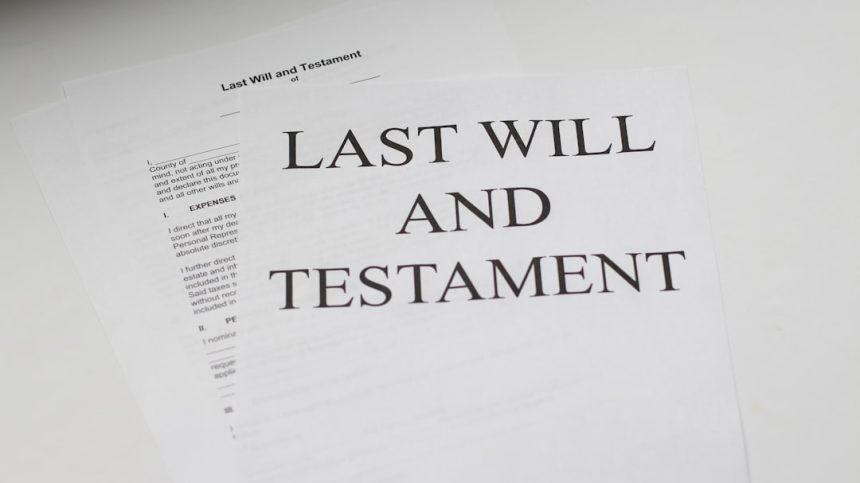
Unverified Document Sparks Legal Firestorm (Image Credits: Unsplash)
Las Vegas – A Clark County District Court judge ruled that parties can legally contest a will purportedly signed by the late entrepreneur Tony Hsieh, escalating the battle over his multimillion-dollar estate.[1][2]
Unverified Document Sparks Legal Firestorm
A seven-page document dated March 13, 2015, surfaced more than four years after Hsieh’s death in a Connecticut house fire. Attorneys Robert Armstrong and Mark Ferrario submitted it to probate court this past spring, claiming it named them as executors.[3]
The will allegedly came from the belongings of one Pir Muhammad, but investigators found no verifiable proof of his existence or connection to Hsieh. Five witnesses signed the document alongside Hsieh, yet court records revealed no evidence that any of them could be located or confirmed.[4]
Hsieh’s father, Richard Hsieh, who serves as estate co-administrator, immediately objected. His legal team hired experts who concluded the signature belonged to Hsieh appeared forged, pointing to irregularities in the handwriting and document preparation.[5]
Forgery Claims Gain Traction
Attorneys for the estate described the will as an elaborate scam, with creators going to “extraordinary lengths to cover their tracks by creating a false trail.” Beneficiaries remained shadowy figures, identified only by the last four digits of Social Security numbers, unfamiliar to Hsieh’s family, friends, or colleagues.[3]
The document included a no-contest clause, designed to disinherit anyone who challenged it. Still, Judge Gloria Sturman, set to retire in February, determined on Monday that sufficient grounds existed for a formal contest. She noted the growing list of interested parties exceeded the will’s brevity.[2]
- Hsieh family members
- American Red Cross
- UNICEF
- Goodwill of Southern Nevada
These groups eyed portions of the estate, valued at over $500 million, including Hsieh’s extensive Downtown Las Vegas real estate holdings.
Supreme Court Petition Adds Tension
Richard Hsieh petitioned the Nevada Supreme Court days earlier to overturn Sturman’s January 9 order appointing Armstrong and Ferrario as co-special administrators. The filing called the decision “manifestly wrong” and warned it would create “immediate chaos” with overlapping duties among representatives.[3]
“A court that issues an order that leads to such destructive results without a legal basis has manifestly abused its discretion,” the petition stated. It argued no precedent supported empowering proponents of an unproven will to defend it using estate funds.[3]
Armstrong and Ferrario never met Hsieh or handled his estate planning. One firm even represented an adverse party in a separate lawsuit against the estate, raising conflict concerns.[4]
Legacy of a Visionary in Limbo
Tony Hsieh led Zappos for two decades before stepping down as CEO in 2020. He poured resources into revitalizing Downtown Las Vegas through the Downtown Project, acquiring over 50 acres of property. His death left those assets in probate limbo, frustrating local stakeholders who see tourism potential decaying.[6]
Legal fees have already topped $18 million, drawn from the estate. Resolution could reshape the future of Hsieh’s unfinished vision for the city.
Key Takeaways
- A Clark County judge approved contesting the 2015 will amid forgery evidence and untraceable witnesses.
- Richard Hsieh appealed to the Nevada Supreme Court over conflicting administrator roles.
- The dispute delays distribution of Hsieh’s $500M+ estate, including prime Downtown properties.
This ruling marks a pivotal turn in a saga blending innovation legacy with probate intrigue. As the case unfolds, it underscores the perils of unclear estate planning. What implications do you see for Las Vegas’s downtown revival? Share your thoughts in the comments.