
Unusual Conditions Spark Proactive Measures (Image Credits: Pixabay)
Recent warmer temperatures and rainfall prompted the Southern Nevada Health District to initiate its annual mosquito surveillance program about one month ahead of schedule.[1][2]
Unusual Conditions Spark Proactive Measures
Environmental health staff acted swiftly after observing conditions ripe for early mosquito breeding. Traps now dot parks, wash channels, wetlands, and residential neighborhoods across Clark County. This early deployment marks a departure from the typical April start, reflecting the urgency of the situation.[1]
“Starting mosquito surveillance one month early gives us a critical head start,” said Dr. Cassius Lockett, District Health Officer. “With warmer temperatures and the potential for standing water from recent rains, mosquitoes can begin breeding sooner than usual.”[1] The program aims to track populations, pinpoint species, and spot virus activity before summer peaks.
How Surveillance Works on the Ground
Teams set overnight traps at strategic sites throughout the Las Vegas Valley, covering Las Vegas, Henderson, North Las Vegas, Mesquite, Boulder City, and unincorporated areas. Collected mosquitoes travel to the Main Public Health Center for sorting by species and location. Pools of up to 50 females then head to the Southern Nevada Public Health Laboratory for arbovirus testing.[3]
Recent efforts from February 6 to March 8 yielded 17 traps and 11 sample pools representing 68 mosquitoes. The initiative monitors threats like West Nile virus, Western Equine Encephalitis, and Saint Louis Encephalitis. Officials stress that residents should not disturb the traps, which provide vital data across all six jurisdictions.[3]
Fight the Bite: Essential Prevention Steps
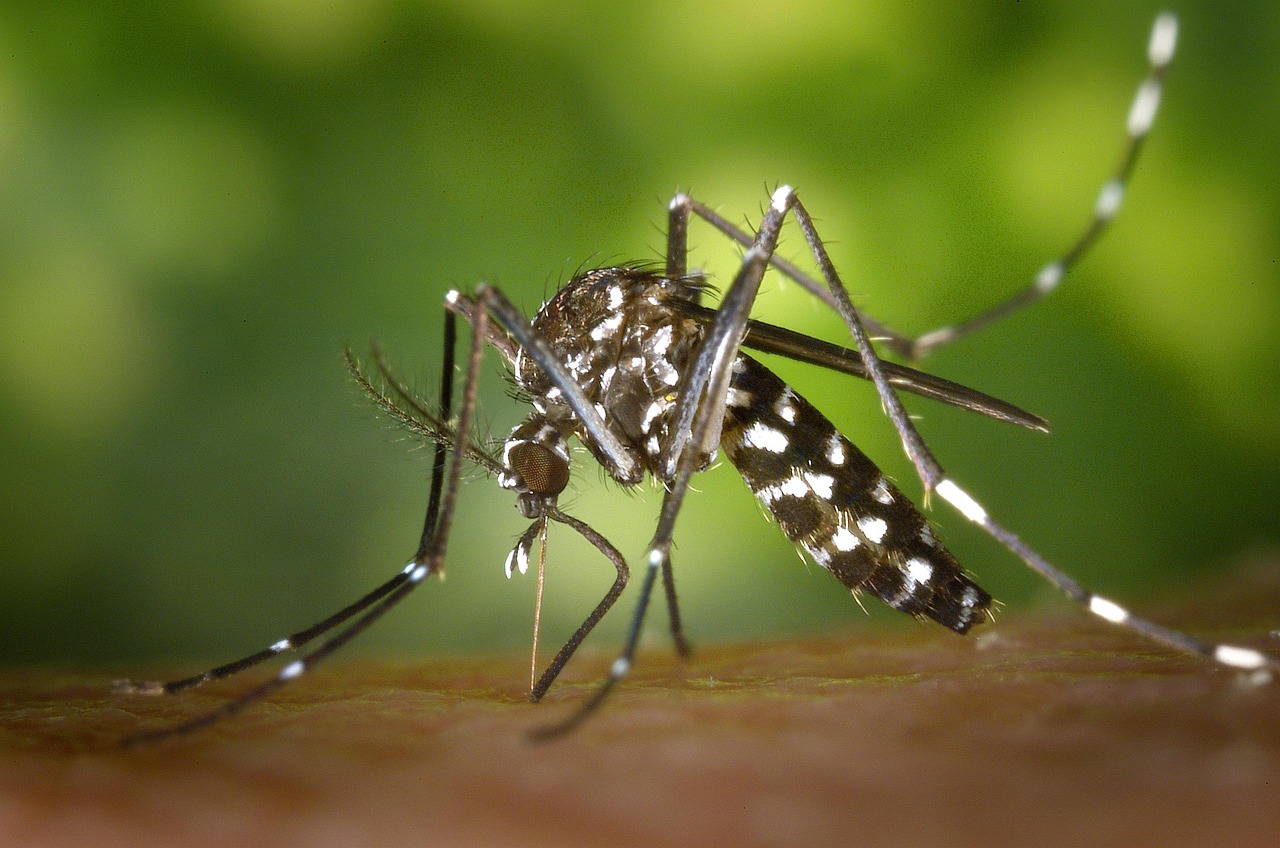
The district’s longstanding “Fight the Bite” campaign equips residents with straightforward defenses. Particular concern surrounds the invasive Aedes aegypti mosquito, a daytime biter that thrives in tiny water sources like plant saucers or bottle caps. It can carry Zika, dengue, yellow fever, and chikungunya alongside local risks.[1]
Health officials outlined core actions in a clear list:
- Eliminate standing water around homes, such as in buckets, toys, or clogged gutters.
- Apply EPA-registered insect repellent and don long sleeves or pants outdoors.
- Report heavy mosquito activity to (702) 759-1633.
- Notify local code enforcement about neglected green swimming pools, prime breeding spots.
More tips and materials, including flyers and a children’s coloring book, appear on the SNHD mosquito page.[4]
Recalling Recent West Nile Virus Threats
Clark County saw significant West Nile activity in 2024, with 12 non-neuroinvasive cases and 14 neuroinvasive ones reported. The following year brought relief, as no human infections surfaced. These fluctuations underscore surveillance’s role in early warnings and targeted responses.[1]
Since 2004, when West Nile first hit the area, the program has tested tens of thousands of mosquitoes yearly. Annual reports dating back to that year detail trends and control efforts. Early detection proved vital in past seasons, prompting notifications and breeding site cleanups.
Key Takeaways
- Warmer weather and rain accelerated mosquito risks, prompting an early program launch.
- Traps and lab tests target viruses like West Nile before they spread widely.
- Simple home actions – dumping water, using repellent – form the first line of defense.
As spring unfolds, the Southern Nevada Health District positions Clark County for a vigilant mosquito season. Proactive steps today could prevent itchy bites and serious illnesses tomorrow. What steps will you take to fight the bite? Share in the comments below.