
Walking away from a Vegas table with life-changing money is one thing. Keeping it in the family for decades is another story entirely. Most people who experience a significant gambling windfall spend the next few weeks making plans – new houses, cleared debts, maybe a trip abroad. Very few sit down immediately and ask the harder question: what happens to this money after I’m gone? The truth is, windfalls of any kind are particularly vulnerable during wealth transfer. They arrive fast, without the slow accumulation that often builds financial discipline alongside growing assets. Legacy planning for gambling wins requires the same rigor as any serious estate strategy – but it starts with understanding your tax obligations the moment that jackpot lands in your hands.
Your Winnings Are Taxable Income From Day One

Before any estate plan takes shape, the tax picture needs to be clear. A payer is required to issue you a Form W-2G if you receive certain gambling winnings subject to federal income tax withholding, and you must report all gambling winnings on Form 1040, including winnings that aren’t reported on a Form W-2G. There is no exception for large wins, no grace period, and no special treatment because the money came from a casino rather than a paycheck.
There are two types of withholding on gambling winnings: regular gambling withholding at 24%, and backup withholding that is also at 24%. That means a substantial chunk of a big win is withheld at the source before you even receive a check. Starting for taxable years beginning after December 31, 2025, the One Big Beautiful Bill Act limits deductible losses to 90% of documented gambling losses. Prior rules allowed a full loss deduction up to reported income, but under the new cap, equal wins and losses can still leave taxable income.
Document Everything Before You Plan Anything

To deduct your losses, you must keep an accurate diary or similar record of your gambling winnings and losses and be able to provide receipts, tickets, statements, or other records that show the amount of both your winnings and losses. This matters not just for your current tax year but for setting the clean financial foundation that legacy planning requires. Heirs and estate attorneys need a clear picture of where assets originated.
Taxpayers should report all gambling winnings regardless of whether a W-2G was issued, reporting gross proceeds on Schedule 1 (Form 1040), and claiming deductible losses on Schedule A if itemizing. Do not net wins and losses on the return itself. Sloppy documentation at this stage can create complications that ripple through an estate for years.
The New Federal Estate Tax Landscape in 2026

One of the most significant shifts in estate planning law in recent years came with the One Big Beautiful Bill Act, signed on July 4, 2025. The OBBBA made permanent changes to federal estate, gift, and generation-skipping transfer taxes. The unified estate and gift tax exemption was permanently increased to $15 million per individual, or $30 million for married couples, beginning January 1, 2026, with annual inflation adjustments thereafter.
While the 2025 exemption was $13.99 million per individual, it increases to $15 million in 2026, and this exemption applies to transfers made during life or at death. The 40% federal estate tax rate still applies to amounts above the exemption. For a lucky Vegas winner sitting on several million dollars, this distinction matters enormously when planning what passes to heirs tax-free. The new law provides relief for families worried about the estate tax exemption ending, but it does not remove the need for careful estate planning – it just changes the rules.
Annual Gifting: A Simple but Powerful Tool

One of the most accessible wealth transfer strategies requires no trust attorney and no complex filing. The annual gift tax exclusion was $19,000 per recipient in both 2025 and 2026. That means a winner with three children and six grandchildren can transfer a meaningful amount each year without touching their lifetime exemption at all. Done consistently over a decade, this strategy quietly moves substantial sums out of a taxable estate.
In 2026, the annual exclusion is $19,000 for individuals and $38,000 for married couples. Education and health tax exclusions also allow payments of qualified education and medical expenses on behalf of someone to be excepted from being treated as taxable gifts, meaning they would not reduce the gift tax exemption or annual exclusion. Covering a grandchild’s college tuition directly to the institution is, in many respects, one of the cleanest legacy moves available.
Why Trusts Are the Backbone of a Durable Legacy

Advisors should look to integrate tax-efficient investment vehicles such as irrevocable trusts, donor-advised funds, and generation-skipping trusts to reduce estate tax burdens. For a gambling windfall that crosses into the millions, a trust isn’t a luxury – it’s a structural necessity. It controls how assets are distributed, protects them from creditors, and keeps them from being depleted by a single generation’s poor decisions.
There are many kinds of trusts to consider, but they all serve the same general purpose for wealth transfer: more flexibility and control than outright gifts. A revocable living trust handles probate avoidance and basic management during your lifetime. An irrevocable trust, while less flexible, can remove assets from your taxable estate entirely and shield them from future litigation. The right choice depends on the size of the win, family circumstances, and long-term goals.
The Generation-Skipping Trust: Passing Wealth Two Levels Down

A generation-skipping trust is an irrevocable trust that transfers assets directly to beneficiaries who are at least two generations below the grantor, most commonly grandchildren. The trust “skips” the grantor’s children for estate tax purposes, though the children can still receive income or limited benefits from the trust during their lifetimes. This structure is particularly powerful for anyone who wants to ensure that casino earnings outlast even their own children’s lifetimes.
Partner offer
Without a generation-skipping trust, your assets would be subject to estate tax when they pass to your children, and then subject to estate tax again when your children pass those same assets to your grandchildren. A generation-skipping trust removes one entire layer of taxation from the transfer. The generation-skipping transfer tax exemption also rises to $15 million under the new law, and this alignment simplifies planning and enhances opportunities for multigenerational wealth transfers.
529 Plans and Education as a Legacy Vehicle

Funding the next generation’s education is one of the most tax-efficient uses of a gambling windfall, and it doubles as a meaningful legacy. A common strategy is to make gifts to 529-qualified tuition programs for the benefit of grandchildren. Gifts to 529 plans are considered completed gifts, even if the transferor has the right to change the beneficiary.
A grandparent contributing to a 529 plan for a grandchild’s education can accelerate up to five years of annual gift exclusions in one year, amounting to $95,000 for an individual or $190,000 for a married couple in 2026. For a family with multiple grandchildren, this can represent a significant reduction in a taxable estate while directly investing in the human capital of the next generation. Few legacy moves offer quite that combination.
The Wealth Destruction Problem: Why Most Windfalls Don’t Last
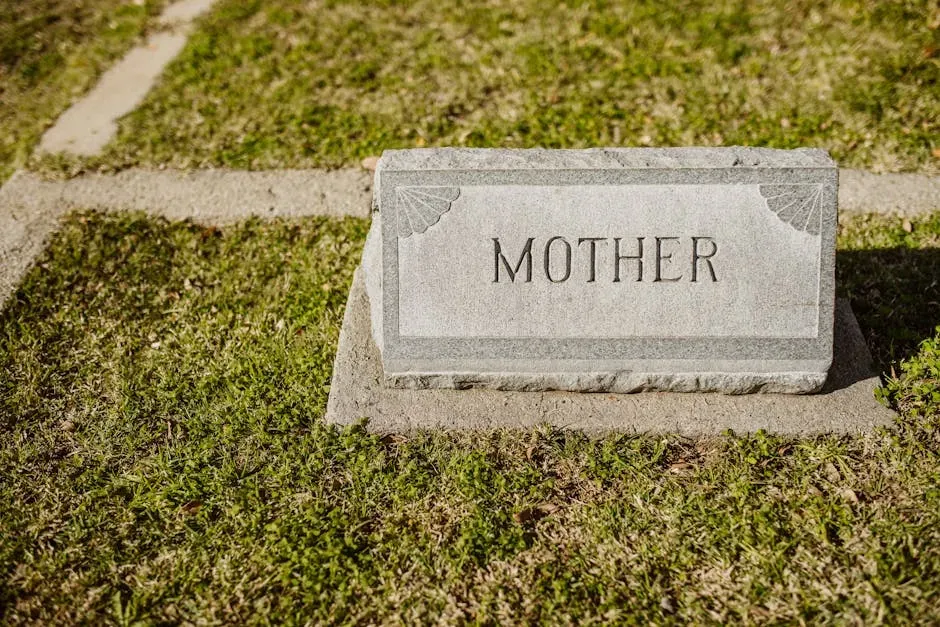
The statistics on inherited wealth are sobering, and they apply just as much to gambling windfalls as to any other sudden gain. Roughly nine out of ten family wealth is lost by the third generation due to a lack of financial education and estate planning. That pattern doesn’t change simply because the original money came from a lucky night in Vegas rather than a business sale or inheritance.
About two thirds of heirs feel unprepared to manage their inheritance, which often leads to mismanagement or rapid depletion of assets. Financial education for heirs isn’t optional – it’s load-bearing. While roughly three quarters of parents discuss financial topics with their children, only about a third feel confident in effectively teaching financial concepts, and families that actively educate their heirs in financial literacy reduce the risk of wealth dissipation by roughly a third.
Charitable Giving as a Tax-Smart Legacy Move

Charitable giving is a strategic way to achieve legacy goals, leave a lasting impact, and reduce your tax burden. By donating to a qualified charitable organization, you can take advantage of a few tax-saving effects, including the ability to reduce your current income tax liability by receiving an income tax deduction for your charitable donation. For someone who won big and wants to leave something with community meaning, this path merits serious consideration.
Charitable giving also works to reduce the overall amount of your taxable estate. To accomplish charitable goals, direct giving is the simplest route, but many donors also choose to leverage Donor Advised Funds, Private Foundations, and Charitable Split-Interest Trusts. A donor-advised fund, in particular, lets you take the deduction today and decide on the actual charitable distribution at a later point, which is useful when tax planning and philanthropic goals aren’t yet fully aligned.
Build the Right Team Before You Build the Plan

It’s a good idea to work with a financial advisor to put some guardrails in place and determine what is for you, what you intend to give away, and what you want to leave as a legacy for future generations. This will help to make conversations with the people who approach you easier. That last part matters. Once word spreads about a big win, the requests will follow quickly, and a clear plan already in motion makes those conversations far more manageable.
Regularly revisiting goals through annual reviews and scenario modeling ensures that wealth transfer plans remain adaptable to changing market conditions and unpredictable family dynamics. Tax law changes over time – as the OBBBA itself demonstrated in 2025. While recent shifts remove some immediate urgency, exemptions and tax laws can still change in the future, and state-level taxes may apply regardless of federal thresholds. Thoughtful, proactive planning remains essential to protect your legacy.
Conclusion: From a Single Win to a Generational Foundation

A Vegas jackpot can be a financial turning point – or simply a memory. The difference almost always comes down to what happens in the weeks and months after the win, not the win itself. Getting taxes documented cleanly, building the right legal structures, and preparing heirs for the responsibility of receiving wealth are the three pillars that determine whether the money lasts.
Wealth transfer is about more than just passing on assets – it is about preserving family values, financial security, and a meaningful legacy. With the right strategies in place, families can protect their wealth for future generations while fostering financial responsibility and emotional well-being. The house may always have an edge at the tables, but in legacy planning, the edge belongs entirely to those who prepare.
Partner offer
Planning a trip to Vegas?
Compare hotel rates and show tickets on VEGAS.com.