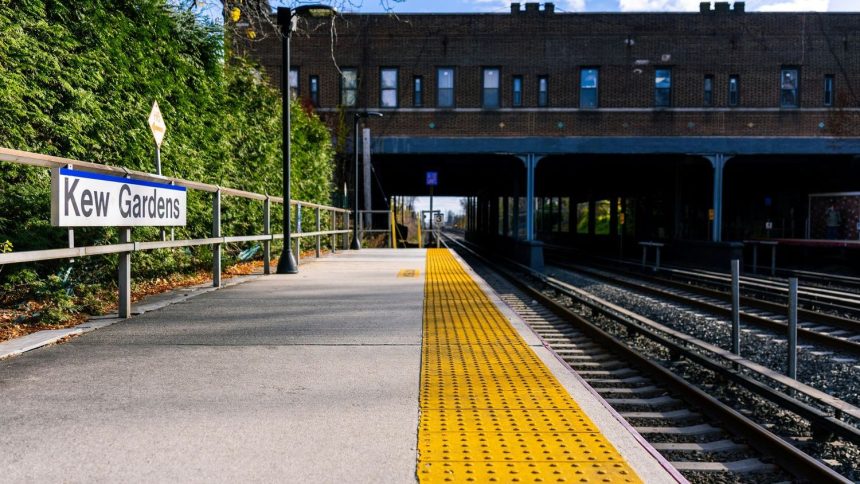
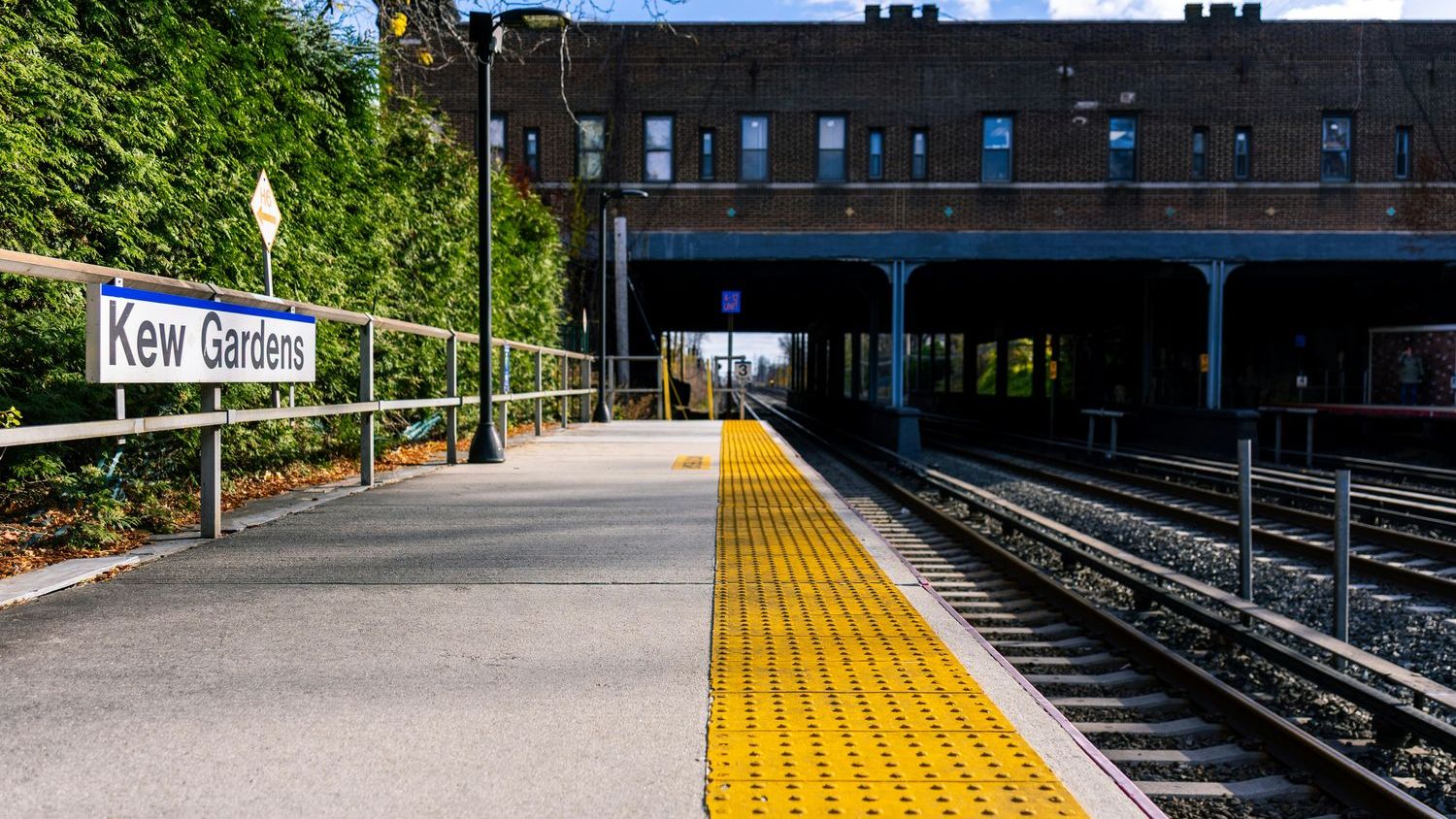

New York’s Long Island Rail Road workers go on strike, halting busiest commuter rail line in US – Image for illustrative purposes only (Image credits: Unsplash)
Commuters across Long Island and into New York City woke up to empty platforms and canceled trains on Saturday morning after workers on the Long Island Rail Road walked off the job at midnight. The action marks the first full shutdown of the nation’s busiest commuter rail system in more than three decades and immediately stranded hundreds of thousands of riders who rely on the line for daily travel to work and school. Negotiations between the Metropolitan Transportation Authority and five unions representing more than 3,500 employees broke down over wages and working conditions, leaving no last-minute agreement in place.
Pay Dispute at the Center of the Walkout
The unions have pressed for annual raises that reach 5 percent in the final year of a new contract to keep pace with inflation and the high cost of living on Long Island. The MTA countered with smaller increases, warning that larger raises would force higher fares, additional state taxes, or cuts elsewhere in the system. Both sides had continued bargaining into the final hours before the deadline, yet the gap remained too wide to prevent the strike.
Union leaders described the MTA’s latest offer as insufficient and noted that many members had not seen meaningful gains in recent contracts. MTA officials, in turn, emphasized the need for fiscal responsibility across the entire transit network. The disagreement echoes long-standing tensions between labor and management at the agency.
Immediate Effects on Daily Travel
With all LIRR service suspended, roughly 300,000 weekday riders must find other ways to reach jobs in Manhattan and other parts of the region. Many face longer drives, crowded buses, or the added expense of taxis and rideshares. The disruption hits hardest in Nassau and Suffolk counties, where rail service forms the backbone of the morning and evening commute.
Governor Kathy Hochul urged Long Island residents to work from home whenever possible and to plan ahead for the weekend. The MTA activated contingency shuttle buses on some routes, though capacity remains limited compared with normal train service. Commuters reported confusion at stations as signs posted the full suspension and directed riders to alternative options.
Steps Riders Can Take Right Now
- Check the MTA website or app for real-time shuttle schedules and updated service alerts.
- Consider carpooling or vanpool programs organized by employers and local governments.
- Use nearby subway or bus connections where available, though those lines are also expected to see heavier loads.
- Explore flexible work arrangements with supervisors for the coming days.
Outlook for Resolution
Both the MTA and union representatives have signaled they remain open to further talks, though no new bargaining sessions have been announced. Past strikes on the LIRR have been short, with the last one ending after two days in 1994. Still, the current impasse leaves open the possibility of a longer disruption if differences over compensation are not bridged quickly.
The shutdown underscores how dependent the region remains on reliable rail service and how quickly daily routines can unravel when that service stops. Commuters and businesses alike now wait to see how soon normal operations can resume.