


Picture yourself at a music festival, but instead of standing in a crowded field for hours, you’re watching from your couch, switching between camera angles, and chatting with fans from different continents. Sounds like a compromise, right? Yet for millions of people around the world, this has become the new normal. Live music streaming has transformed from a pandemic survival tactic into a legitimate way to experience festivals, raising a fascinating question about where the industry goes from next.
When Necessity Became Innovation

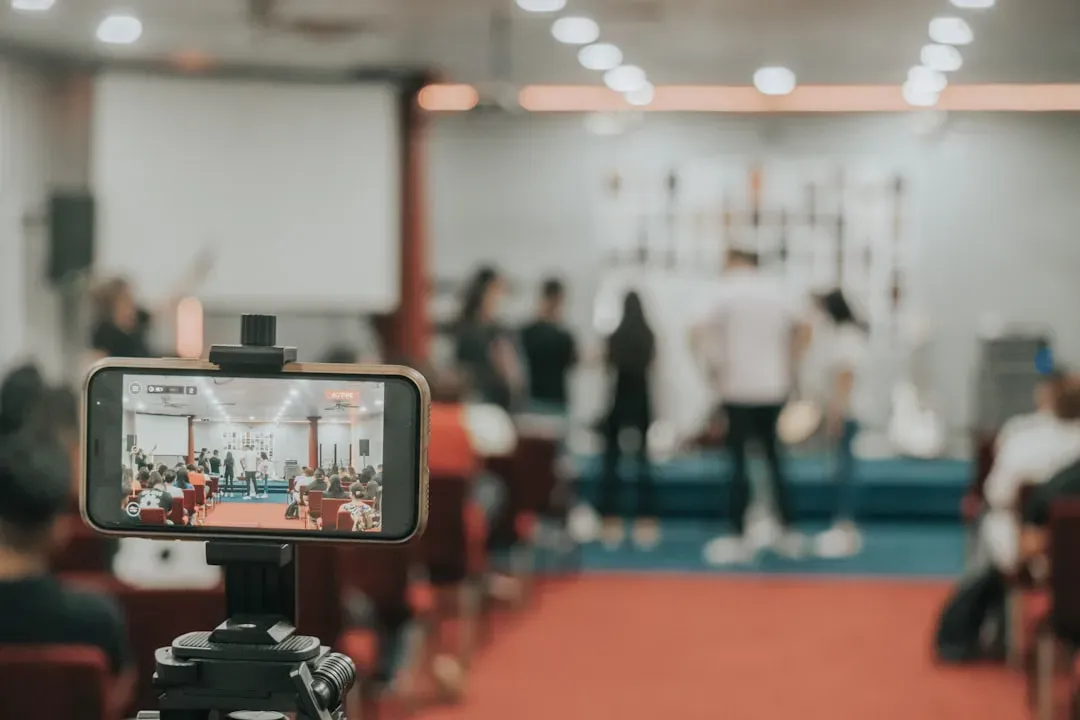
Let’s be real, nobody expected livestreaming to stick around after venues reopened. Hybrid events that blend physical performances with digital elements now allow fans who cannot attend in person to join virtually and experience shows from different camera angles. Studies exploring the global music industry found that revenues from live music events grew by 25 percent in 2023, reaching over 33 billion U.S. dollars, proving that the market rebounded stronger than anticipated. What started as makeshift broadcasts from living rooms evolved into sophisticated productions with multiple camera crews, interactive features, and production values that rival television.
The Money Behind the Stream

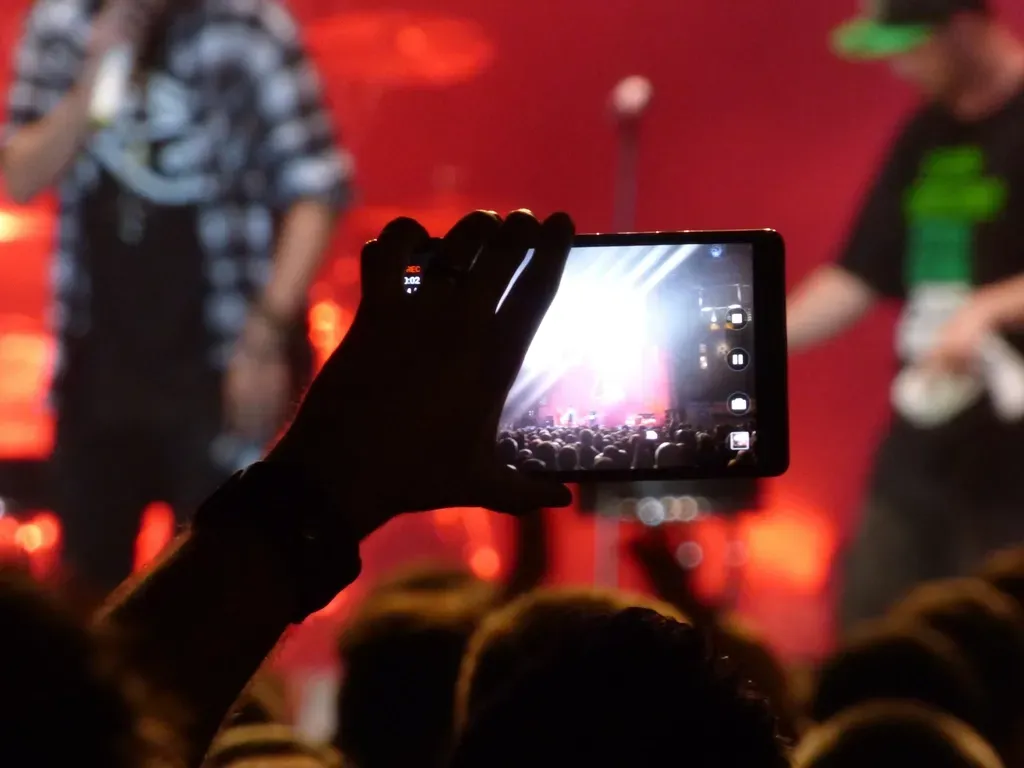
Collaborations between artists and brands, along with the integration of live streaming, are expanding audience engagement in ways festival organizers didn’t anticipate. Hybrid event models are boosting profitability for both artists and organizers, creating new revenue streams and making live music accessible to a global audience. Nearly 48% of global festivals introduced live-streaming apps with interactive features in 2024, according to market analysis, demonstrating how quickly the technology spread. Here’s the thing: festivals discovered they could sell tickets twice, once for the physical crowd and again for the digital audience, without adding capacity constraints.
Platform Wars and Partnership Deals
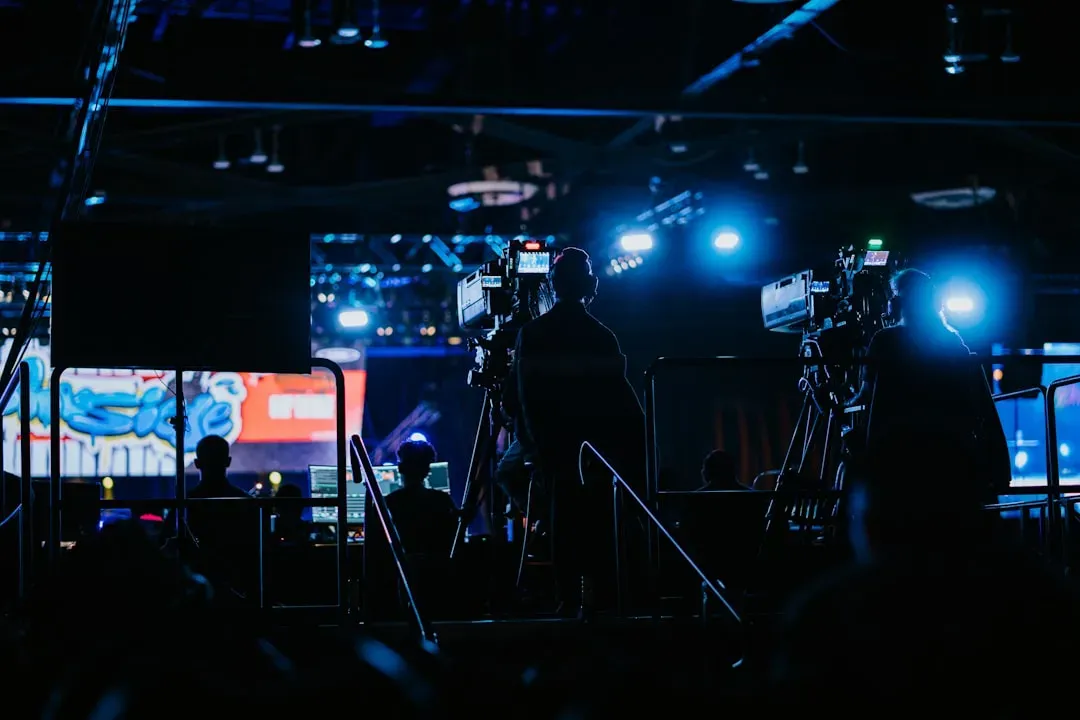
Major tech companies smelled opportunity and pounced. TikTok’s LIVE Fest 2024 event, broadcasted to over 3 million viewers, generated 55 million impressions and 2.7 million unique viewers. LIVE Fest 2024 gathered almost 6 million creators from around the world and 477 million viewers, showcasing the massive scale these platforms can achieve. YouTube, Amazon Music, and TikTok have all expanded exclusive livestream partnerships with festivals, turning what used to be a simple broadcast into a competitive battleground for viewer attention and sponsorship dollars.
Breaking Down Barriers Nobody Talked About
Honestly, this might be the most underrated benefit of the whole streaming revolution. In Europe, the share of festivalgoers who watched a live music stream during coronavirus lockdowns stood at 60 percent, with a similar share stating they would happily pay to do so. Think about fans with disabilities who couldn’t navigate muddy fields, people in countries where major acts never tour, or those who simply can’t afford the increasingly expensive festival tickets and travel costs. Streaming demolished those obstacles without anyone making a big deal about it, quietly expanding access to live music in profound ways.
Artists Caught in the Middle
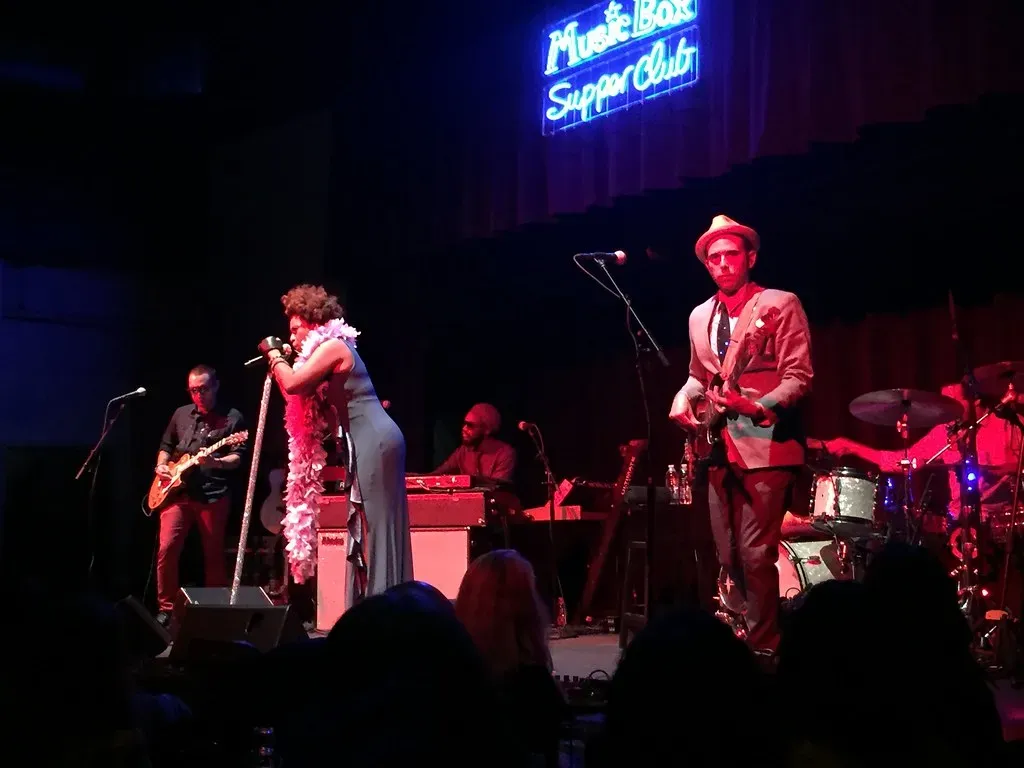
Record companies’ long-term investment into the careers of artists, alongside the development and licensing of engaging ways for fans to experience music, continues to drive market growth. Subscription streaming was the key driver of growth, with an increase of 9.5% whilst users of subscription accounts grew 10.6% to 752 million globally in 2024, according to IFPI. Musicians find themselves in a complicated position, appreciating the broader reach while worrying about the dilution of live performance value. Some artists have embraced streaming as a way to connect with global audiences without the exhaustion of constant touring, while others view it as a necessary evil that undermines the irreplaceable energy of in-person shows.
What Happens Next

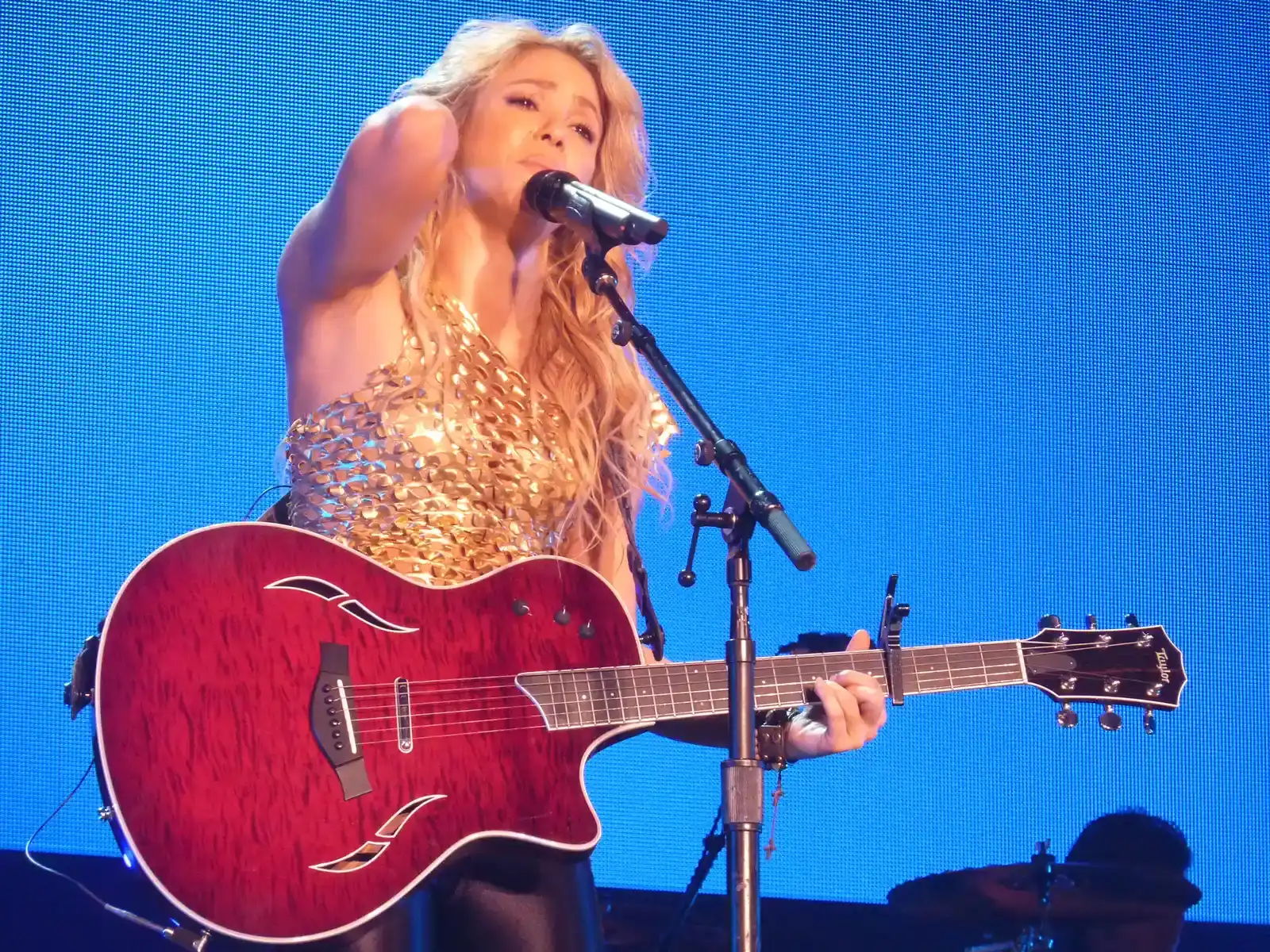
Hybrid events blend physical performances with digital elements, broadening the reach of live music and creating new revenue streams for artists and organizers. The increase in adoption of live streaming and hybrid events enables music events to reach remote audiences, expanding the potential customer base. The consensus among industry analysts suggests livestreaming won’t replace physical festivals but will remain a permanent extension of the experience. It’s hard to say for sure, but the evidence points toward a future where attending a festival means choosing your preferred format rather than accepting a single option. Festival organizers are betting on coexistence, not competition, between physical and digital attendance.
What’s your take on this shift? Would you pay for a livestream of your favorite festival, or is being there in person the only way it counts?


