When you think of a music festival, what comes to mind first? The bands, the sound systems, maybe the crowds swaying under stage lights? Fair enough. However, something’s been shifting in the past few years that’s quietly transforming how we experience these massive gatherings. Visual art isn’t just décor anymore. It’s become central to the entire vibe, a language that speaks just as loudly as the music itself. Walk through the grounds of any major festival today and you’ll encounter towering sculptures that shift with the wind, LED installations that pulse to your heartbeat, and immersive environments that blur the line between what’s real and what’s imagined.
Art Is No Longer Just Background Scenery

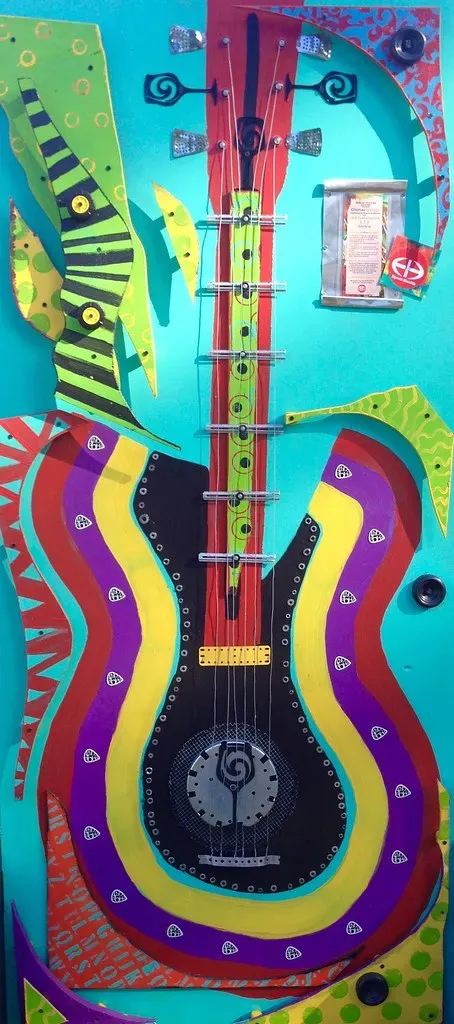
Let’s be real: festivals used to treat art like an afterthought. A few banners here, maybe a funky tent over there. Those days are long gone. According to Paul Clemente, who manages the art program for Coachella, large-scale art installations have become part of the archetypal imagery of the festival, creating shared experiences that people anticipate as much as the headliners. Coachella art director Paul Clemente noted that the festival shifted in 2016 from renting works to building custom installations on site, reflecting a deep commitment to integrating visual art into the festival’s DNA. Think about that for a second: organizers realized they could use art to shape crowd flow, create moments of wonder, and even define a festival’s identity.
Burning Man has long championed this philosophy. Over 400 art installations stood on the Black Rock Desert at Burning Man 2023, many funded by grants from the Burning Man Project. These pieces aren’t side attractions; they’re the main event for many attendees, transforming a barren desert into a temporary city of creativity.
When Artists and Musicians Collaborate

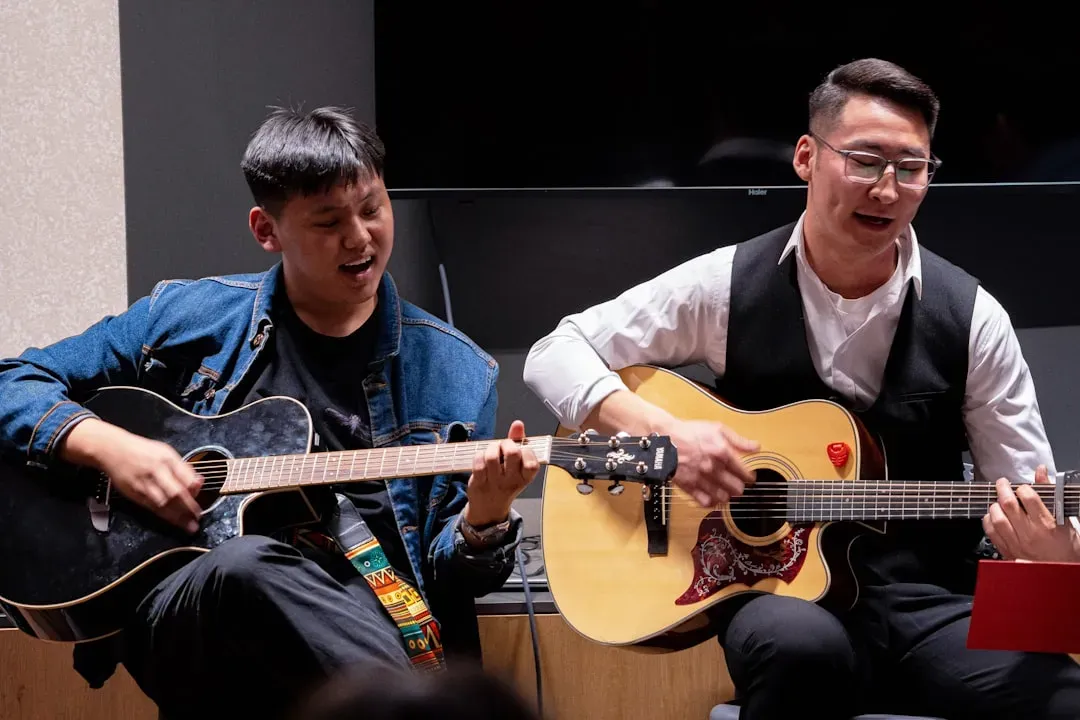
Something interesting happens when visual artists collaborate directly with musicians and stage designers. The result isn’t just better-looking stages; it’s a complete reimagining of how we experience sound and space together. At Glastonbury, the topography of the land creates a natural auditorium, enriching the multi-sensory festival experience, and art has been woven into every layer of that experience. In 2013, Joe Rush and the Mutoid Waste Company created a 6-tonne kinetic Phoenix on the Pyramid Stage canopy, which was the most daring and complex engineering project in the festival’s history.
More recently, festivals like Glastonbury have embraced socially conscious art. In 2024, performances by Banksy and Marina Abramović explored finding peace amidst war, celebrating diversity, and the importance of kindness, showing how art can deliver messages that resonate alongside the music. These aren’t mere visuals; they’re conversations, provocations, invitations to think differently.
Technology Is Redefining the Immersive Environment

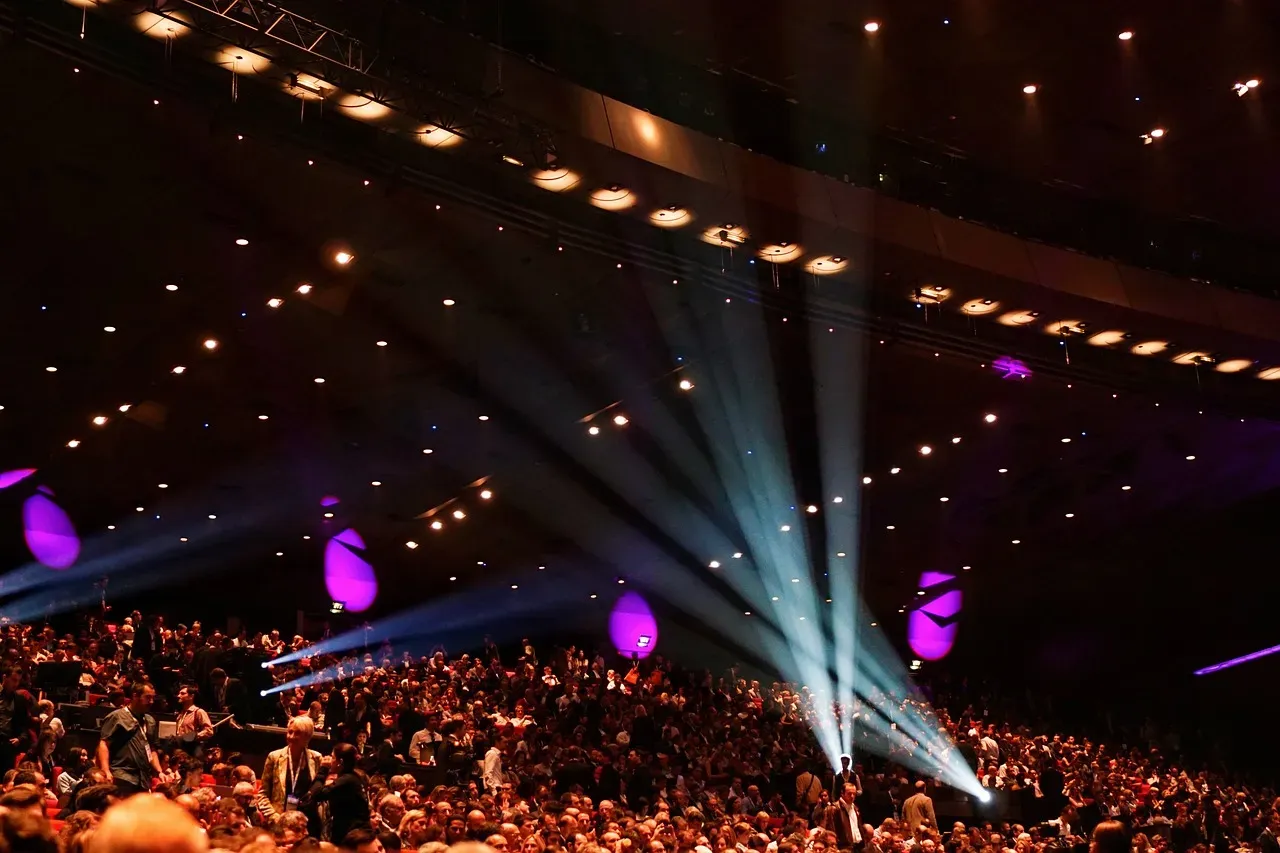
Honestly, the tech behind modern festival art is mind-blowing. The growing popularity of outdoor events and festivals has increased demand for large-scale projection installations, driven by innovations in projection mapping and LED technology. Glastonbury’s Arcadia dragonfly stage featured projection mapping, salvaged materials, lasers, pyrotechnics, and a 360-degree LED globe, creating a fully immersive experience that transfixed audiences.
Projection mapping, in particular, allows festival organizers to transform ordinary surfaces into dynamic canvases. Whether it’s a building façade, a stage backdrop, or even the ground itself, these projections respond to music, movement, and sometimes even crowd energy. At Coachella 2023, Güvenç Özel’s Holoflux was a 60-foot-tall sculpture with iridescent fabric and 3D-mapped projections covering the fabric with digital art.
Partner offer

Sustainability in Festival Art Installations
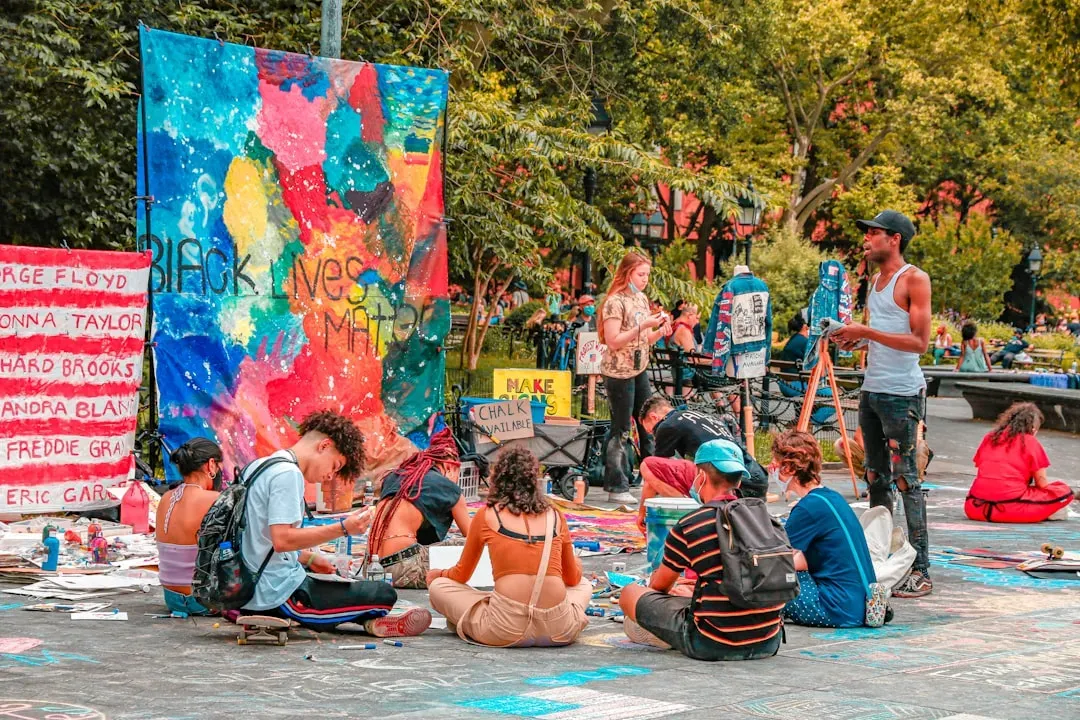
Here’s where things get genuinely hopeful. Festivals are starting to realize that beauty doesn’t have to come at the planet’s expense. In 2023, Glastonbury banned all single-use plastics including disposable vapes and mandated reusable or compostable serveware for vendors. Meanwhile, artists themselves are choosing materials that reduce waste and environmental impact.
Some festivals have gone even further. At the 2023 VELUX x Roskilde Festival Sustainability Challenge, projects included lounge furniture made from recyclable materials and a ‘Fatboy’ made from used coffee bags filled with dried grass. These installations prove that sustainable design can be just as stunning and engaging as anything built from scratch. It’s hard to say for sure, but this shift might be one of the most significant changes in festival culture over the past decade.
Festivals as Launchpads for Emerging Artists

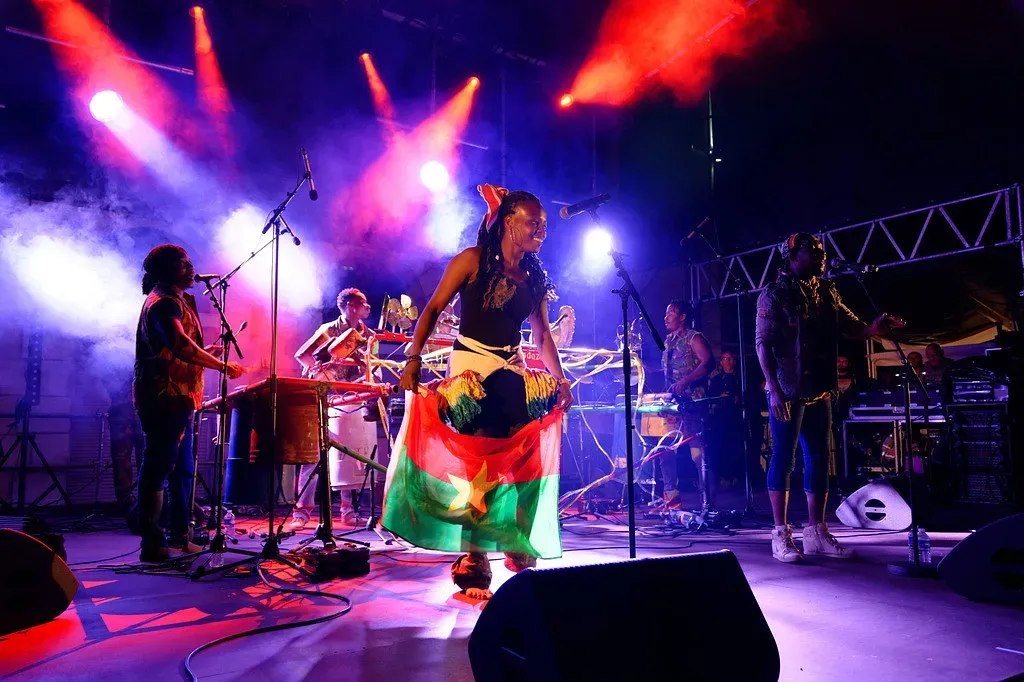
Festivals don’t just showcase established names anymore; they’re actively seeking out fresh voices. The SXSW Art Program showcases experiential and conceptual visual artworks by both established and emerging artists throughout SXSW venues and the city of Austin. This creates a unique opportunity for lesser-known creators to present their work to global audiences and industry professionals.
Coachella’s seasoned staff have developed production capacity that allows artists to create some of the largest work they have ever participated in. For emerging artists, that kind of platform is career-changing. Festivals provide not only visibility but also the resources and technical support needed to execute ambitious projects that would be impossible elsewhere.
The Economic and Cultural Ripple Effect

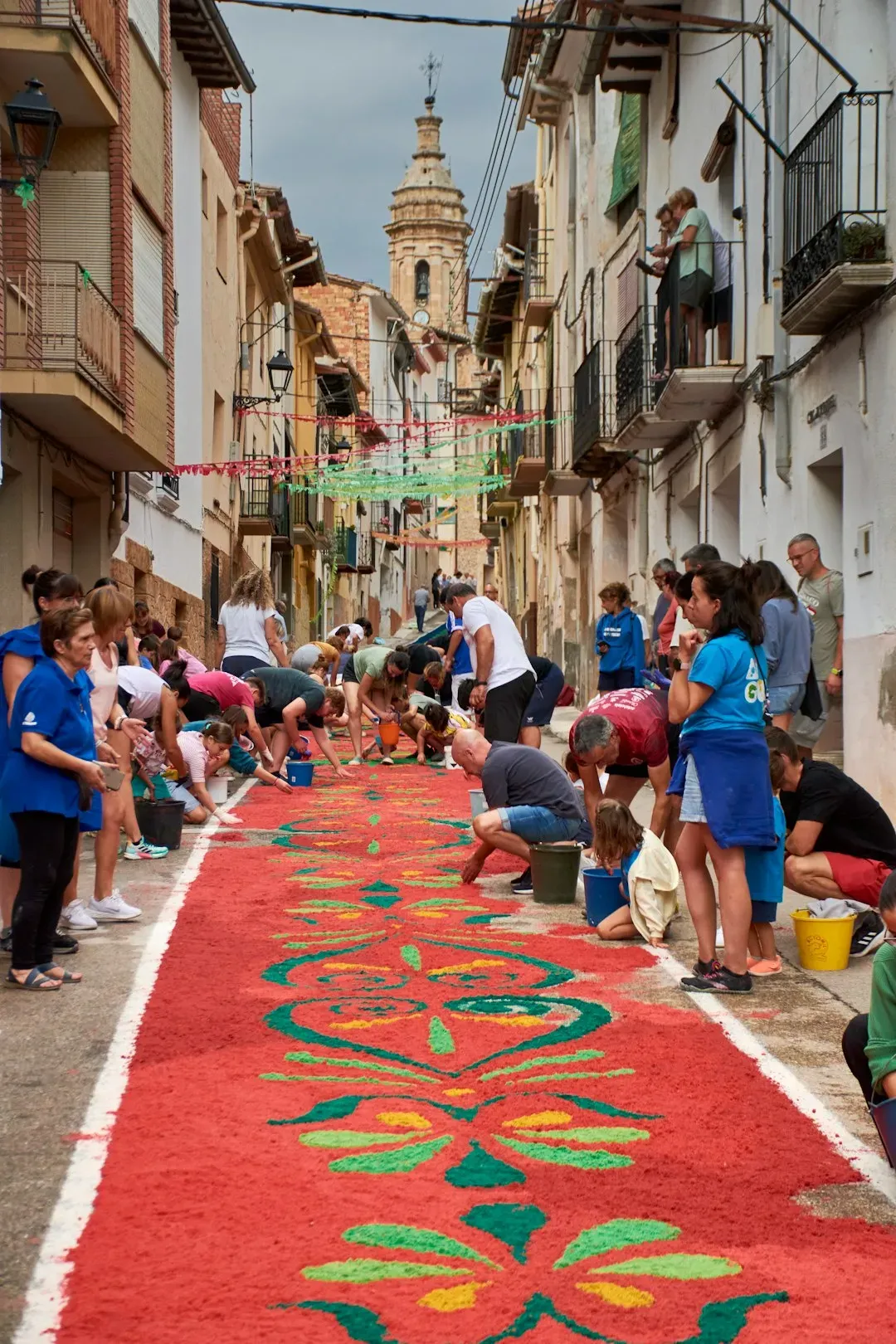
Visual art at festivals doesn’t just enhance the experience for attendees; it generates significant economic benefits for host cities and regions. Glastonbury Festival is estimated to generate over £100 million for the South West’s economy each time it is staged, and much of that impact comes from the festival’s reputation as a visually iconic cultural event. When installations become shareable moments on social media, they attract tourism and global media attention.
The cultural impact is equally profound. Festivals have become laboratories for testing new ideas about public art, community engagement, and the role of creativity in everyday life. This dynamic environment fosters the development of new technologies and artistic expressions, advancing the creative sector’s growth and innovation. What happens at a festival often influences museums, galleries, and public art projects for years to come.
Music festivals have evolved into something much bigger than concerts under open skies. They’re now multi-sensory experiences where visual art plays a role that’s just as vital as the music itself. From towering sculptures and immersive LED environments to sustainable installations and platforms for emerging talent, the marriage of art and music is reshaping what it means to gather, celebrate, and connect. So next time you’re at a festival, take a moment to look around. What do you think about the art shaping your experience? Tell us in the comments.
Partner offer
Planning a trip to Vegas?
Compare hotel rates and show tickets on VEGAS.com.