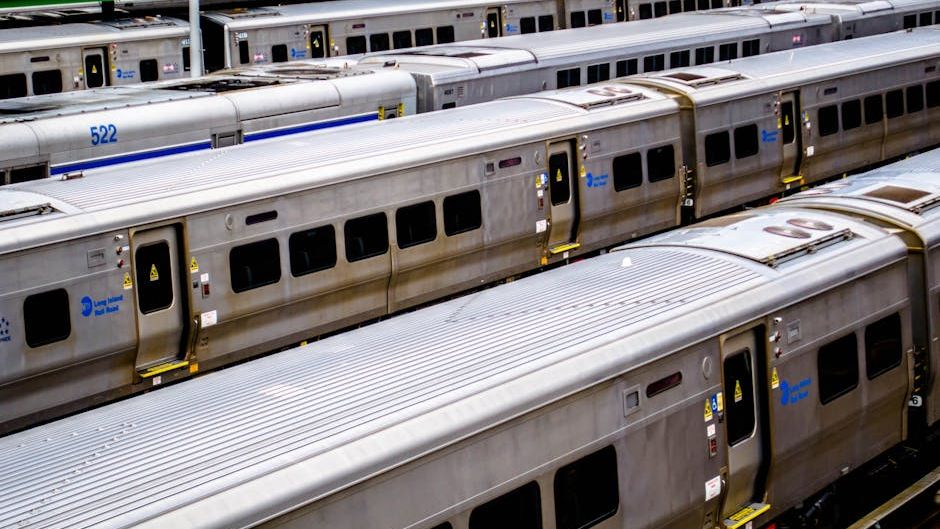
L.I.R.R. Strike Ends After Tens of Thousands Endure Painful Commutes – Image for illustrative purposes only (Image credits: Pexels)
After three days of disrupted travel, many Long Island residents who rely on the rail line for their daily journeys began to sense a return to routine. The strike by Long Island Rail Road workers, who had gone without pay increases for years, had forced thousands into longer routes and added stress to already busy schedules. Late on Monday, a deal between the workers and transit officials brought the action to a close.
Disruptions That Shaped the Week
Commuters described the period as one of constant adjustments. Many left home earlier than usual and navigated unfamiliar roads or alternative transit options that stretched their mornings and evenings. The added time away from family or personal tasks created a noticeable strain on household rhythms that had once felt predictable.
Local roads saw heavier traffic as drivers sought workarounds, while bus services and other rail connections absorbed extra passengers. What began as a temporary inconvenience quickly became a shared experience across the region, highlighting how dependent daily life remains on reliable rail service.
Years of Unresolved Pay Concerns
The workers had operated without raises for an extended stretch, a point that surfaced repeatedly during discussions leading to the strike. This backdrop added weight to the decision to walk off the job, reflecting broader pressures on transit employees who keep the system moving each day.
Partner offer
Transit officials acknowledged the length of the impasse and the need to address compensation in a way that could restore stability. The resulting agreement represents a step toward closing that gap while allowing service to resume without further interruption.
Looking Ahead After the Deal
With the strike concluded, attention now turns to how quickly normal schedules can be restored and what adjustments might follow in the coming weeks. Commuters are expected to regain the time they lost to detours, which could ease some of the financial and personal costs tied to extended travel.
Transit leaders have indicated that both sides view the settlement as a foundation for continued operations. The focus remains on maintaining reliable service for the thousands who depend on the line for work, appointments, and other essential travel.
Key points for commuters:
- Regular rail service is set to resume following the Monday agreement.
- Workers secured terms after years without raises.
- Daily travel times are expected to shorten as detours end.
- Officials continue to monitor system performance in the days ahead.
The resolution offers a measure of stability for a region that moves in step with its rail network. As routines settle back into place, the episode serves as a reminder of how closely personal schedules and broader transit decisions remain linked.
Partner offer
Planning a trip to Vegas?
Compare hotel rates and show tickets on VEGAS.com.