Every now and then, someone makes a choice that changes everything. Not just for themselves, but for millions of people, entire industries, or even the course of human civilization. These aren’t always the flashiest moments in history. Sometimes they happen quietly, in boardrooms or labs or late-night conversations. But looking back, we can see how a single smart call rippled outward in ways no one could have predicted.
What makes a decision truly brilliant? It’s not always about having perfect information or a crystal ball. Often, it’s about seeing what others miss, taking a calculated risk, or simply refusing to follow the crowd. Some of the greatest choices in history looked absolutely insane at the time. Let’s explore these pivotal moments and discover what they can teach us about making better calls in our own lives.
Eisenhower’s D-Day Green Light


On June 5, 1944, General Dwight Eisenhower faced an impossible choice. Weather conditions over the English Channel were terrible. His meteorologists gave him a narrow window, maybe 36 hours, when conditions might improve just enough for the largest amphibious invasion in history. Delay too long, and the tides wouldn’t be right again for weeks. Go too early, and thousands of troops could die before even reaching the beaches of Normandy.
Eisenhower listened to every expert, weighed every factor, and ultimately trusted his gut. He gave the order to proceed. The invasion succeeded, though at tremendous cost, and became the turning point of World War II in Europe. What’s remarkable is that Eisenhower also prepared a statement taking full responsibility if the operation failed. He understood the weight of his decision and was willing to own the consequences entirely.
The lesson here isn’t about military strategy. It’s about decisive leadership when the stakes are impossibly high. Eisenhower gathered the best information he could, consulted experts, but ultimately accepted that some decisions can’t wait for perfect certainty. Sometimes you have to move forward with incomplete data and be ready to stand behind your choice.
Steve Jobs Betting Everything on the iPhone

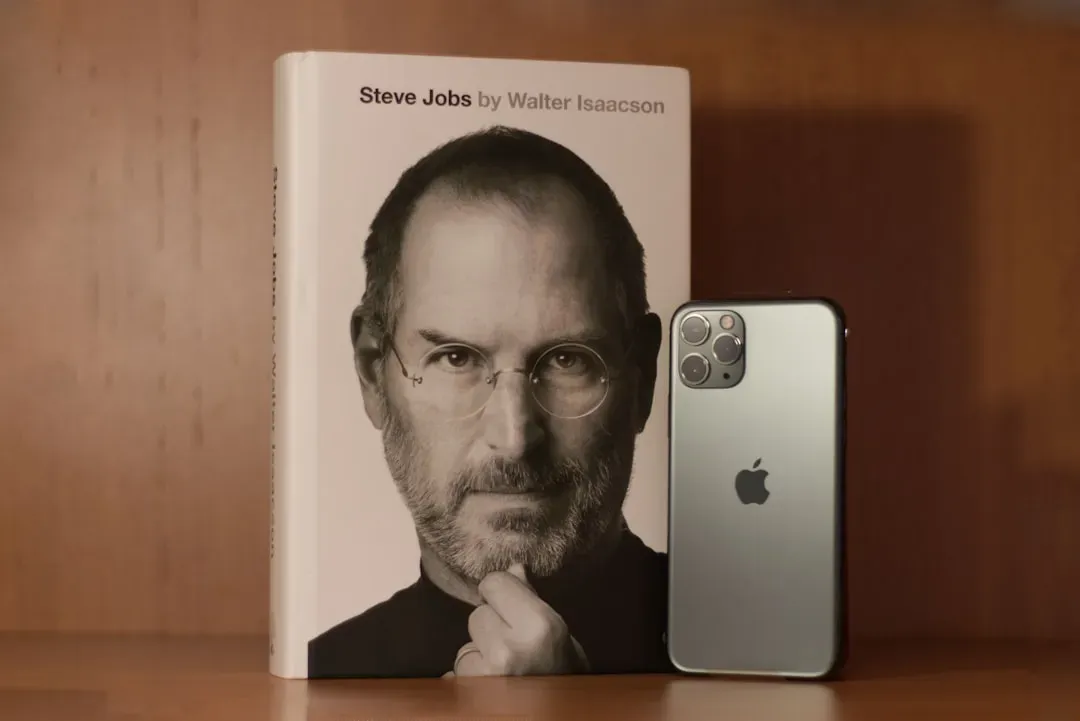
In 2007, Apple was doing just fine selling iPods and computers. The company had clawed its way back from near bankruptcy and didn’t necessarily need to shake things up. But Steve Jobs saw something different. He believed people would want a device that combined a phone, an iPod, and an internet communicator into one seamless product, even though similar attempts by other companies had flopped spectacularly.
Internal opposition was fierce. The project was expensive, risky, and required cannibalizing the iPod business that was literally printing money. Jobs pushed forward anyway. He famously told his team, “We’re going to make the best phone in the world.” The iPhone didn’t just succeed, it redefined multiple industries simultaneously and created the smartphone era we’re still living in.
Here’s the thing about Jobs’ decision. It wasn’t reckless gambling. He understood design, user experience, and what people wanted before they even knew they wanted it. The takeaway? Sometimes the smartest move is to disrupt yourself before someone else does. Comfort zones are dangerous places for innovation.
Lincoln Issuing the Emancipation Proclamation

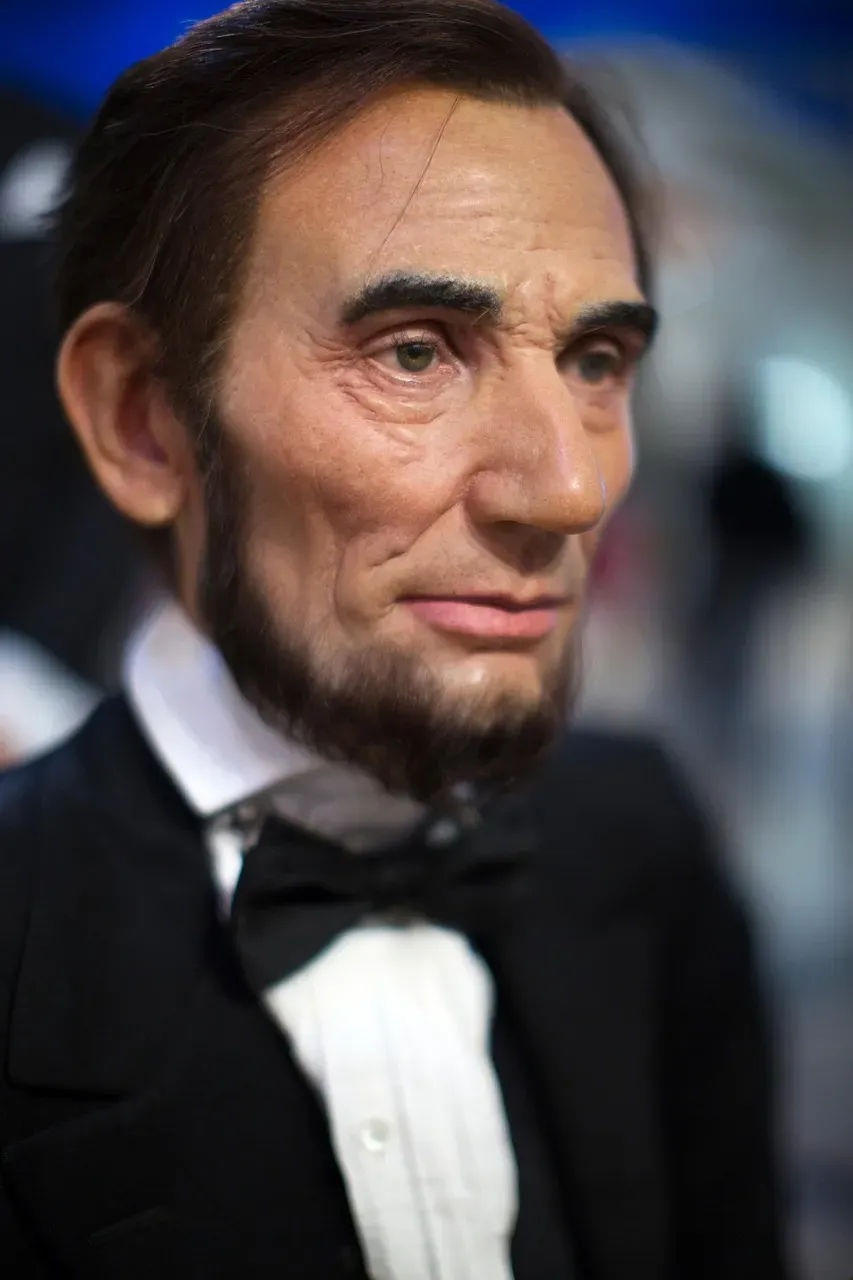
Abraham Lincoln faced tremendous pressure from all sides during the Civil War. Moderates wanted him to go slow on slavery. Abolitionists demanded immediate action. Military advisors warned that freeing enslaved people could drive border states to the Confederacy. Lincoln waited, not out of indecision, but strategic timing. He needed a Union victory to issue the proclamation from a position of strength, not desperation.
After the Battle of Antietam in September 1862, Lincoln made his move. The Emancipation Proclamation transformed the war from a fight to preserve the Union into a moral crusade against slavery. It changed everything, from international support to military strategy to the fundamental meaning of American democracy. Lincoln knew the decision would be controversial, but he also understood that some moments demand moral courage over political calculation.
What can we learn from Lincoln’s timing? Big decisions often require patience. Waiting for the right moment isn’t the same as avoiding action. Sometimes the boldest move is knowing when to strike.
NASA Deciding to Bring Apollo 13 Home


When an oxygen tank exploded aboard Apollo 13 in April 1970, NASA faced a nightmare scenario. Three astronauts were stranded in a crippled spacecraft roughly two hundred thousand miles from Earth. The immediate instinct might have been panic or hasty action, but flight director Gene Kranz made a crucial decision. He told his team, “Failure is not an option,” and methodically worked through every problem, one at a time, prioritizing the crew’s safe return above all else.
The mission became about abandoning the moon landing entirely and focusing solely on survival. Engineers on the ground improvised solutions with materials available on the spacecraft. The crew followed instructions precisely, even when exhausted and freezing. Every decision, from power management to trajectory calculations, had to be perfect. One mistake meant three deaths in space.
The brilliance wasn’t in a single dramatic choice, but in the systematic approach to an overwhelming crisis. NASA’s decision to stay calm, focus on what could be controlled, and refuse to give up saved three lives. For the rest of us, the lesson is clear. When everything goes wrong, break the problem into smaller pieces and solve them methodically.
Warren Buffett’s Coca-Cola Investment


In 1988, Warren Buffett did something that puzzled Wall Street. He started buying massive amounts of Coca-Cola stock, eventually investing over a billion dollars. Critics thought he was crazy. Coca-Cola wasn’t a hot tech stock or an exciting new venture. It was a boring, mature company selling sugar water. Buffett saw something different. He recognized an unbeatable brand with global reach, predictable cash flows, and a product people would buy in good times and bad.
That investment has generated billions in returns for Berkshire Hathaway, proving Buffett’s philosophy that boring and reliable often beats flashy and risky. He looked past the excitement of the moment and focused on fundamental business strength. His decision wasn’t based on complex financial models or insider tips. It was about understanding what makes a company valuable over decades, not quarters.
The investment world often chases trends and hot opportunities. Buffett’s Coca-Cola purchase reminds us that the smartest moves sometimes look dull at first. Consistent quality and proven value can outperform glamorous speculation every single time.
Marie Curie Choosing Pure Research Over Profit


Marie Curie made a decision in the early 1900s that would seem bonkers to many people today. She and her husband Pierre discovered radium, a groundbreaking element with enormous commercial potential. They could have patented the extraction process and become extraordinarily wealthy. Medical and industrial applications were already emerging. Instead, they chose to publish their methods openly, believing scientific knowledge should belong to humanity, not be locked behind patents for profit.
Curie spent her life in relatively modest circumstances, working in poorly equipped labs, while others made fortunes from her discoveries. She won two Nobel Prizes but never became rich. Yet her decision to share knowledge freely accelerated scientific progress in ways that proprietary control never could have. Countless advances in medicine, energy, and materials science built on her open approach.
The lesson? Sometimes the smartest decision isn’t the most profitable one. Curie valued her principles and the greater good over personal wealth. In today’s world of aggressive intellectual property battles, her choice feels almost revolutionary. It proves that legacy and impact can matter more than bank accounts.
Churchill Refusing Hitler’s Peace Overtures

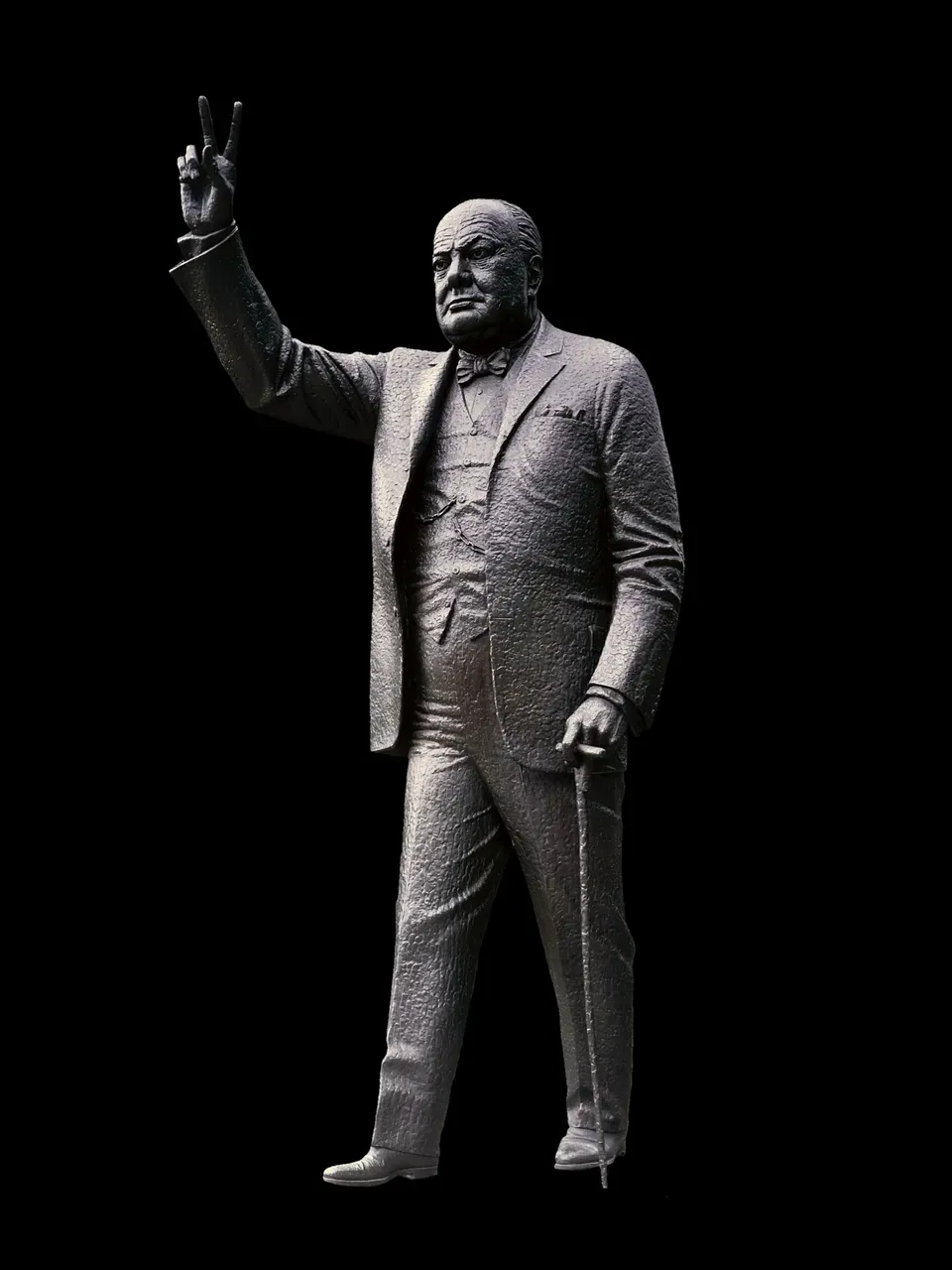
In May 1940, Britain stood alone against Nazi Germany. France had fallen, Europe was conquered, and the United States remained neutral. Some in Churchill’s own cabinet urged negotiating with Hitler. The arguments made sense on paper. Britain was outgunned, outnumbered, and facing potential invasion. A negotiated peace might save British lives and preserve the empire. Churchill said no, absolutely not, and rallied his nation to fight on regardless of the odds.
His decision kept Britain in the war during its darkest hour and ultimately changed the course of history. If Britain had negotiated, Hitler would have controlled all of Europe, and the outcome of World War II might have been drastically different. Churchill’s refusal to compromise with evil, even when it seemed pragmatic, demonstrated that some principles cannot be negotiated away, no matter the cost.
What can we take from Churchill’s stand? Sometimes the smart choice is the hard one. Refusing to compromise your core values, even when it would be easier or more comfortable, defines character. Short-term survival isn’t worth long-term surrender of what matters most.
Jonas Salk Refusing to Patent the Polio Vaccine

When Jonas Salk developed the polio vaccine in 1955, he faced the same choice Marie Curie had decades earlier. Lawyers and business advisors saw dollar signs. Polio terrorized parents across America and the world. A patented vaccine would have made Salk one of the richest people on Earth. During a television interview, journalist Edward R. Murrow asked Salk who owned the patent. Salk’s response became legendary: “Well, the people, I would say. There is no patent. Could you patent the sun?”
His decision to give away the vaccine formula meant it could be manufactured quickly and cheaply, saving countless lives and eradicating a disease that had crippled thousands of children annually. Experts estimate Salk’s choice was worth roughly seven billion dollars in today’s money. He walked away from all of it because he believed medicine should serve humanity, not profit margins.
Salk’s decision challenges our modern assumptions about innovation and reward. Yes, people deserve compensation for their work. But his example asks us to consider what we value most. Sometimes the greatest legacy isn’t what you accumulate, but what you give away.
Nelson Mandela Choosing Reconciliation Over Revenge

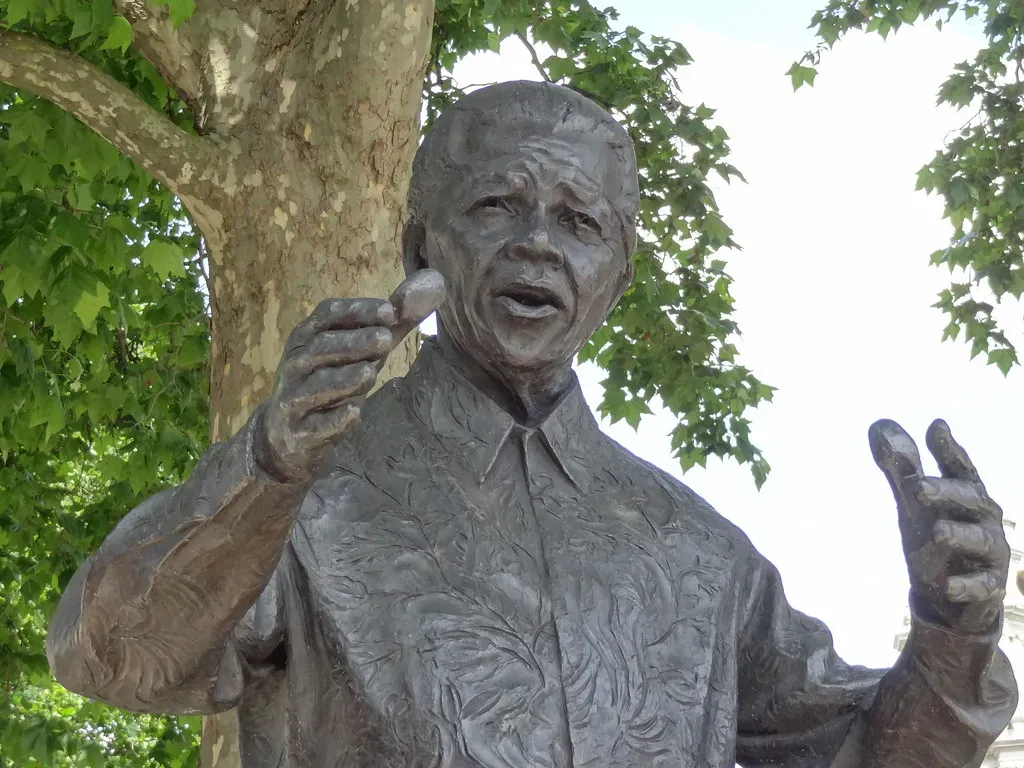
After spending 27 years in prison, Nelson Mandela had every reason to be bitter. When he became South Africa’s first Black president in 1994, many expected him to seek revenge against those who had imprisoned him and enforced apartheid. Instead, Mandela chose reconciliation. He established the Truth and Reconciliation Commission, which allowed perpetrators to confess their crimes in exchange for amnesty, focusing on healing rather than punishment. He even invited one of his former prison guards to his inauguration.
This decision prevented what could have been a bloody civil war. South Africa’s transition from apartheid to democracy, while imperfect, avoided the massive violence many predicted. Mandela’s choice to prioritize the nation’s future over personal justice demonstrated extraordinary wisdom and humanity. He understood that revenge would destroy the country he fought to liberate. Forgiveness, however difficult, offered the only path forward.
Mandela teaches us that the smartest decisions sometimes require swallowing our pride and anger for a greater purpose. Revenge feels satisfying in the moment but rarely leads anywhere good. Building something new requires letting go of the past, even when that past caused tremendous pain. It’s perhaps the hardest choice on this entire list, and the most profound.
Final Thoughts

History’s smartest decisions weren’t always obvious at the time. Many looked risky, expensive, or even foolish to contemporary observers. But with the perspective of decades or centuries, we can see their brilliance. They remind us that wisdom isn’t about playing it safe or following the crowd. It’s about seeing clearly, acting boldly, and staying true to what matters most, even when the path forward is uncertain. The next time you face a difficult choice, think about these moments. Ask yourself not what’s easiest, but what’s right. History suggests that’s usually the smartest call.
What decision in your own life do you think about most? What would you have done in these situations? The beauty of studying history is realizing that ordinary people, when faced with extraordinary circumstances, can make choices that echo through generations.