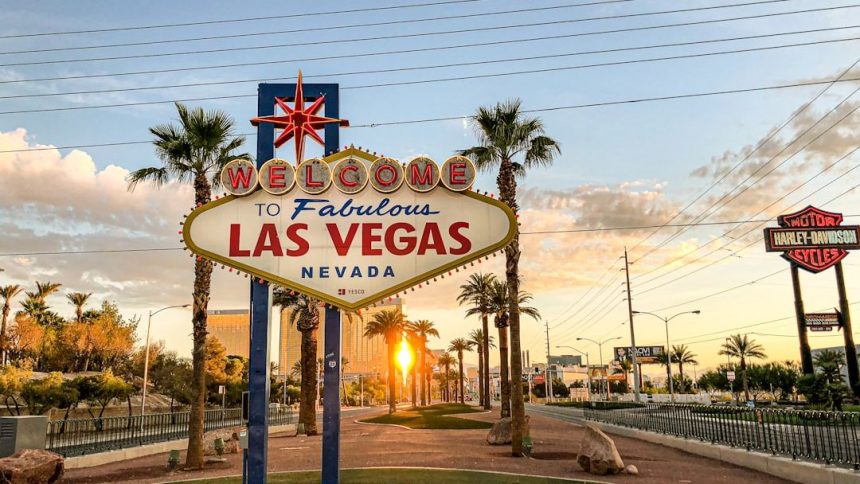
Most people visit Las Vegas for a weekend and think they understand it. They don’t. Living in this city is a different experience entirely, one shaped by the ever-present tension between believing in luck and dealing with hard, unglamorous facts about heat, water, and money. For locals, the neon glow outside isn’t just entertainment. It’s the backdrop to an ordinary life that has its own rituals, rules, and survival instincts.
The city doesn’t offer much neutrality. You either lean into its mythology or you find a practical way around it. Often, without even realizing it, locals do both at the same time.
A City of Permanent Residents Living Inside a Tourist Fantasy
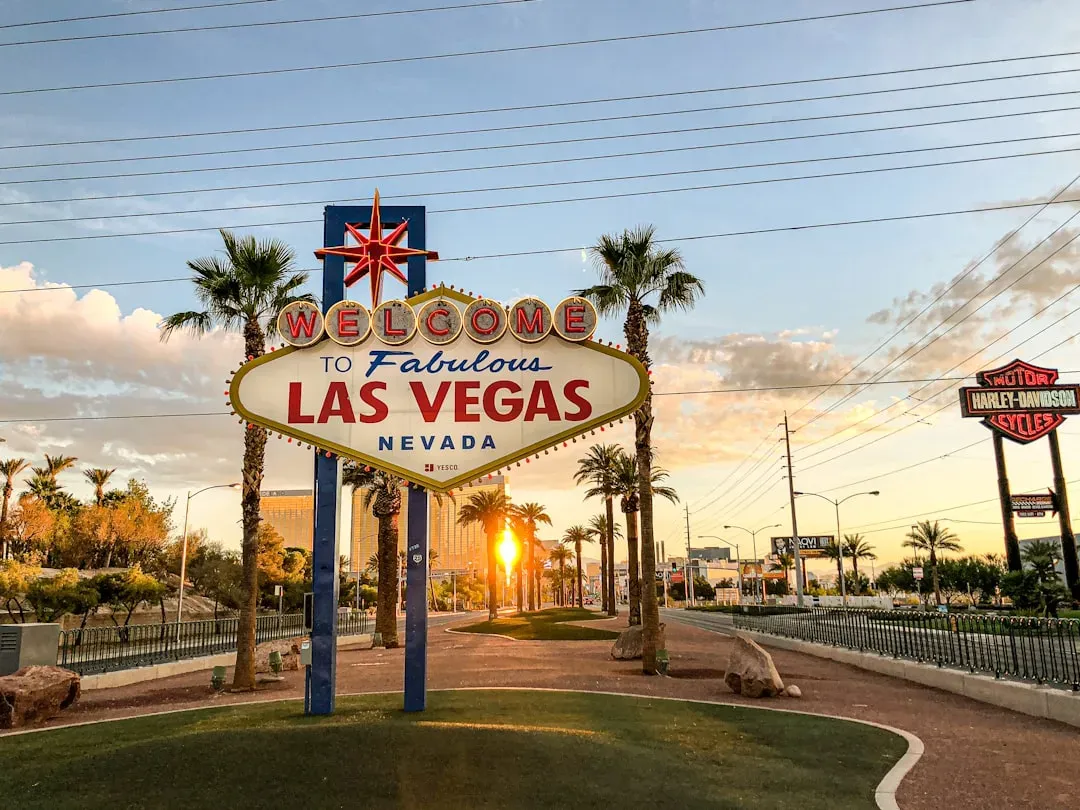
Las Vegas is home to roughly 665,640 residents as of 2025, and the city is growing at an annual rate of around 0.71%, with its population increasing by nearly three percent since the 2020 census. The broader metro area hit three million people in 2025, a nearly two percent increase from the year prior. These are real neighborhoods, real schools, and real commutes happening just blocks from the Strip. For people who actually live here, the casino floor is background noise, not the main event. Still, the culture of luck and fortune has a way of seeping into even the most practical local mindset.
The $50 Bill Nobody Touches

One of the most persistent casino superstitions in America is the avoidance of $50 bills. Many players refuse to use them, considering them cursed. The belief supposedly dates back to old mob stories claiming that $50 notes were slipped into the jackets of victims, giving the denomination a sinister reputation. True or not, the superstition endures. Some Las Vegas casinos even remove $50 notes from circulation at tables because high-rollers dislike them. Instead, players break them into $20s or $100s before betting. It’s a vivid example of how a story, no matter how unverifiable, can become a genuine behavioral rule passed between generations of gamblers.
Ritual and Repetition at the Tables

Some gamblers have rituals such as blowing a kiss to the slot machine before pressing “spin,” or tapping each die on the table twice before throwing. These habits may raise a few smiles, but in casinos they are generally accepted. Many gambling superstitions are passed down or picked up from others. You might start knocking on wood because you saw your father do it, or avoid $50 bills because a Vegas dealer once warned you not to use them. Over time, these habits stick. The logic behind these rituals isn’t really about logic at all. It’s about control, or at least the feeling of it.
The Psychology Behind Believing in Luck

When a superstition appears to work, for example if you wore your lucky socks and hit a jackpot, it reinforces the belief. Gamblers naturally remember the wins more than the losses, so if a ritual is part of a winning moment, it gets the credit. If it happens during a loss, the gambler might simply decide they did not do it quite right, or that the luck is saving up for next time. This selective memory is well-documented in behavioral psychology and explains why these habits are so durable. Research also shows that problem gamblers tend to be even more superstitious than others, often believing their rituals or lucky items can overcome the odds. This highlights how superstition can become intertwined with the thrill of gambling and the myths that surround it.
Lucky Charms, Sports Rituals, and the Wider Culture of Belief
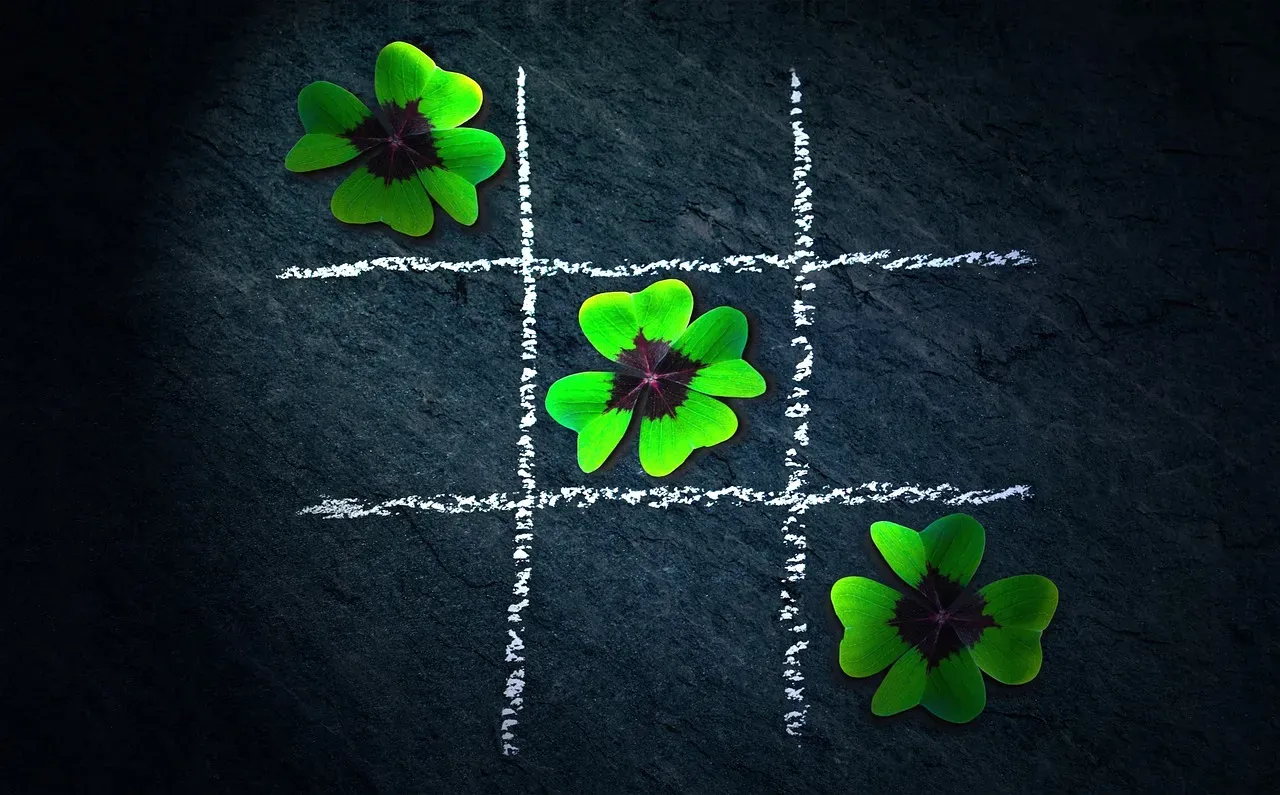
A few Las Vegas regulars swear by carrying a cricket or grasshopper charm, symbols of luck in some folklore. The instinct to carry something fortunate isn’t unique to casino culture, though. Roughly two-thirds of U.S. sports fans admit to following certain game-day rituals when betting or watching their team, according to a 2021 Tipico Sportsbook survey conducted by OnePoll. Common habits include always sitting in the same seat, wearing the same jersey, carrying a lucky token, or even eating the same pre-game meal for good luck. In a city that now has major professional sports teams, including the Vegas Golden Knights and the Las Vegas Raiders, these rituals have spilled out of the casinos and into the stadiums too.
Partner offer
The Desert Heat Is Not a Metaphor

On July 7, 2024, the temperature reached a record 120 degrees. For seven consecutive days in July, temperatures hit at least 115 degrees. Las Vegas saw 112 days of over 100-degree weather, beating a prior record of 100 days made in 1947. As of March 2025, there were 513 heat-associated deaths counted for 2024, a 73 percent increase compared to the 296 heat-associated deaths in 2023, according to the Southern Nevada Health District. That figure puts the stakes of desert living into sharp, uncomfortable focus. No superstition protects you from the Mojave in July.
What Locals Actually Do to Stay Alive in Summer

The desert air is so dry that sweat evaporates instantly. You don’t feel wet. You don’t realize you’re losing fluid. With that sweat, you’re also losing electrolytes. When electrolytes drop, you get muscle cramps, headaches, and confusion. A practical tip that locals use is freezing a few water bottles overnight. They thaw slowly throughout the day, giving you cold water for hours instead of lukewarm liquid by midday. Timing matters just as much. Experienced locals schedule outdoor errands for early morning or after sundown, a simple habit that saves lives.
The Vulnerable and the Overlooked
Of those who died in 2024, about 23 percent were non-Clark County residents, and nearly 78 percent of victims were age 45 or older. Substance use was involved in more than half of total cases reported to the health district. Analysis of temperature data has shown that the city’s nights are getting hotter as well, which inhibits the body’s ability to cool itself off at the end of the day. In Clark County, cooling centers where residents can go to escape the heat are activated when the National Weather Service declares a heat warning. These centers are practical, unglamorous, and genuinely lifesaving, the opposite of a lucky charm.
Water Conservation as Both Necessity and Local Pride

Las Vegas recycles nearly 100 percent of its indoor water, a remarkable feat that sets a standard for water conservation in arid regions. Saving water is a top priority for Las Vegas. The city is pushing water-efficient landscaping, recycling technology, and programs to help people use less. The Southern Nevada Water Authority is leading these efforts to secure the water supply for the future. Locals know that water isn’t just a resource here. It’s the most fundamental variable in whether the city continues to exist at all. That awareness keeps people grounded even when everything around them is designed to encourage fantasy.
When Logic and Luck Learn to Coexist

The Mojave Desert is aggressively dry. Your skin and lips will crack within 24 hours if you don’t stay moisturized. Locals know this the way people in cold climates know to check the forecast. The practical discipline required to live comfortably in Las Vegas is real and consistent. Yet that same person who freezes their water bottle and times their walk for 6 a.m. might still tap the craps table twice before throwing, or quietly refuse a $50 bill at the casino window. Both things are true simultaneously, and neither one cancels out the other.
That coexistence is perhaps the most honest thing you can say about Las Vegas locals. They’ve learned to read the desert clearly while still holding space for a little mystery. The heat is real. The odds are stacked. The rituals stay anyway.
Partner offer
Planning a trip to Vegas?
Compare hotel rates and show tickets on VEGAS.com.