History isn’t as inevitable as your high school textbook made it seem. There are countless moments when everything could have gone sideways. A single decision, a stroke of luck, or pure coincidence shaped the world we know today. Sometimes, it’s almost terrifying to think about how close we came to living in a completely different reality.
What if a dice roll had gone differently in ancient Rome? What if a faulty alarm clock had changed the course of World War I? These aren’t just fun thought experiments. They’re real scenarios that nearly rewrote everything. So let’s dive into these hair-raising near-misses that make you wonder just how fragile our timeline really is.
The Atomic Bomb Almost Landed on a Different Target

Kyoto was the original primary target for the atomic bomb in August 1945, not Hiroshima. The ancient Japanese city was home to cultural treasures and held significant strategic value. Secretary of War Henry Stimson personally intervened to save Kyoto because he had honeymooned there decades earlier and appreciated its historical importance.
His insistence shifted the target to Hiroshima instead. That single act of sentimentality changed which city would bear the weight of nuclear devastation. Imagine if one man’s vacation memories hadn’t influenced such a massive military decision.
Kyoto survived the war intact and remains Japan’s cultural heart today. The thought that personal nostalgia redirected an atomic weapon is honestly mind-blowing. History turned on something as simple as fond memories of temple visits.
A Stomach Bug Nearly Prevented D-Day


General Dwight Eisenhower almost postponed the D-Day invasion indefinitely due to terrible weather forecasts. The original date was June 5, 1944, but storms made landing impossible. His meteorologist, Group Captain James Stagg, predicted a brief weather window on June 6.
Eisenhower had to decide whether to trust this narrow forecast or wait potentially weeks for better conditions. The Germans weren’t expecting an invasion during bad weather, which gave the Allies a surprise advantage. If Eisenhower had waited, German defenses would have strengthened considerably.
The weather window Stagg predicted turned out accurate, though conditions remained far from ideal. Rough seas caused chaos during the landing, but the element of surprise proved decisive. One commander’s willingness to gamble on a weather forecast changed the entire course of World War II.
Napoleon’s Egyptian Campaign Was One Sandstorm Away From Success
Napoleon Bonaparte nearly conquered Egypt and potentially India in 1798. His forces dominated early battles and seemed unstoppable in the desert. Then the British Navy destroyed his fleet at the Battle of the Nile, trapping his army in Egypt.
Napoleon himself barely escaped back to France, abandoning his soldiers. If his naval support had survived, he could have established a French empire stretching to Asia. The entire balance of European colonial power would have shifted dramatically.
Instead, his Egyptian adventure became a costly failure that weakened France’s position. The Rosetta Stone was discovered during this campaign, so at least we got something useful out of the disaster. Still, imagine a world where Napoleon controlled the route to India.
Partner offer

A Wrong Turn Started World War I

Archduke Franz Ferdinand’s assassination in Sarajevo happened because his driver took a wrong turn. The original assassination attempt that morning had failed when a grenade missed the Archduke’s car. Security decided to change the route for safety, but nobody told the driver.
He turned down the wrong street and stalled the car. Gavrilo Princip, one of the failed assassins, happened to be standing right there. He fired two shots at point-blank range, killing both the Archduke and his wife.
That coincidence triggered World War I, which killed millions and reshaped global politics. If the driver had known about the route change, Princip would never have had his second chance. One navigational error led to decades of conflict and suffering.
The Cuban Missile Crisis Was Seconds From Nuclear War

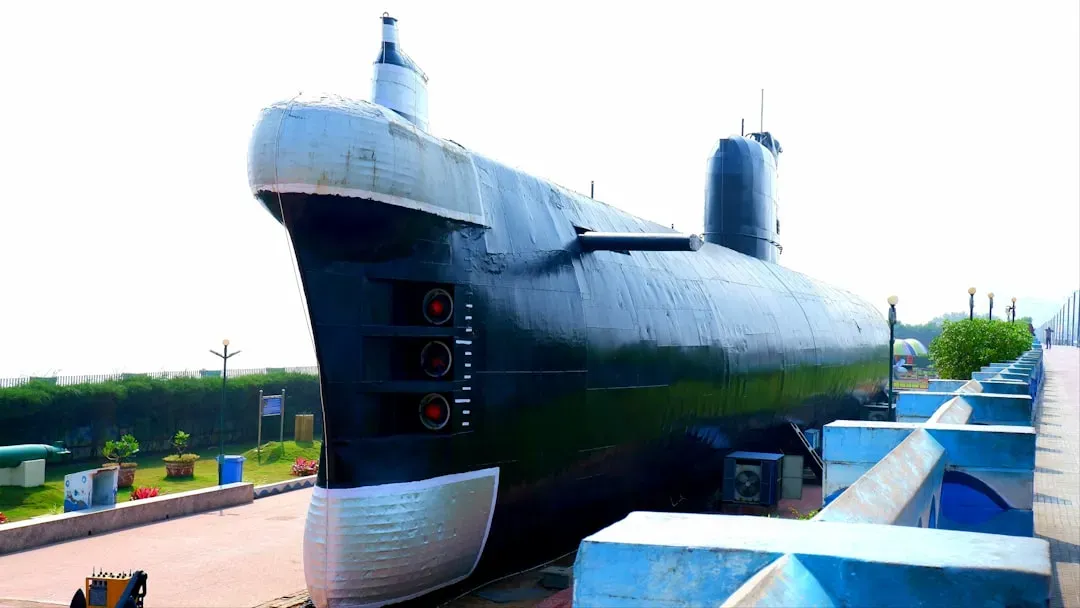
A single Soviet submarine officer prevented nuclear war during the Cuban Missile Crisis in October 1962. Vasili Arkhipov served as second-in-command on submarine B-59, which U.S. forces were depth-charging. The submarine’s captain and political officer wanted to launch a nuclear torpedo.
Soviet protocol required all three senior officers to agree before firing nuclear weapons. Arkhipov refused to authorize the launch despite intense pressure from his colleagues. His decision prevented what would have certainly escalated into full-scale nuclear war.
The submarine crew didn’t know whether war had already started on the surface. They’d been underwater for days, couldn’t communicate with Moscow, and believed they might be under actual attack. One man’s calm judgment saved potentially hundreds of millions of lives.
Hitler Nearly Died in World War I

A British soldier named Henry Tandey had Adolf Hitler in his rifle sights in 1918 but chose not to shoot. Hitler was wounded and unarmed, retreating from battle. Tandey, who became Britain’s most decorated soldier, decided it wouldn’t be honorable to kill an injured man.
Hitler allegedly kept a newspaper clipping about Tandey for years. He supposedly mentioned the encounter to British Prime Minister Neville Chamberlain in 1938. Whether Hitler’s claim was accurate remains debated, but Tandey confirmed the incident happened.
The thought that World War II might never have occurred because of one soldier’s mercy is staggering. Tandey later said he regretted his decision, though obviously he couldn’t have known. Sometimes doing the right thing in the moment creates unimaginable consequences later.
Conclusion


These moments remind us how fragile our version of history really is. Chance encounters, weather patterns, and personal decisions by random individuals shaped everything we take for granted today. It’s humbling to realize that the world we live in depends on countless lucky breaks and coincidental timing.
Next time someone says history was inevitable, remember Vasili Arkhipov refusing to launch that torpedo or that wrong turn in Sarajevo. Every day we’re living in just one possible timeline out of millions. What do you think about it? Tell us in the comments.
Partner offer
Planning a trip to Vegas?
Compare hotel rates and show tickets on VEGAS.com.