Books have this weird way of sneaking up on you. You pick one up thinking it’s just another story, and suddenly you’re questioning everything you thought you knew about life, success, or even yourself. Some books stick with you long after you’ve turned the last page. They challenge you, inspire you, or simply make you see the world differently.
Reading isn’t just about entertainment. It’s about growth, understanding, and sometimes finding answers to questions you didn’t even know you were asking. The right book at the right time can change everything. So what are those books that every man should experience at least once? Let’s dive in.
1. The Count of Monte Cristo by Alexandre Dumas

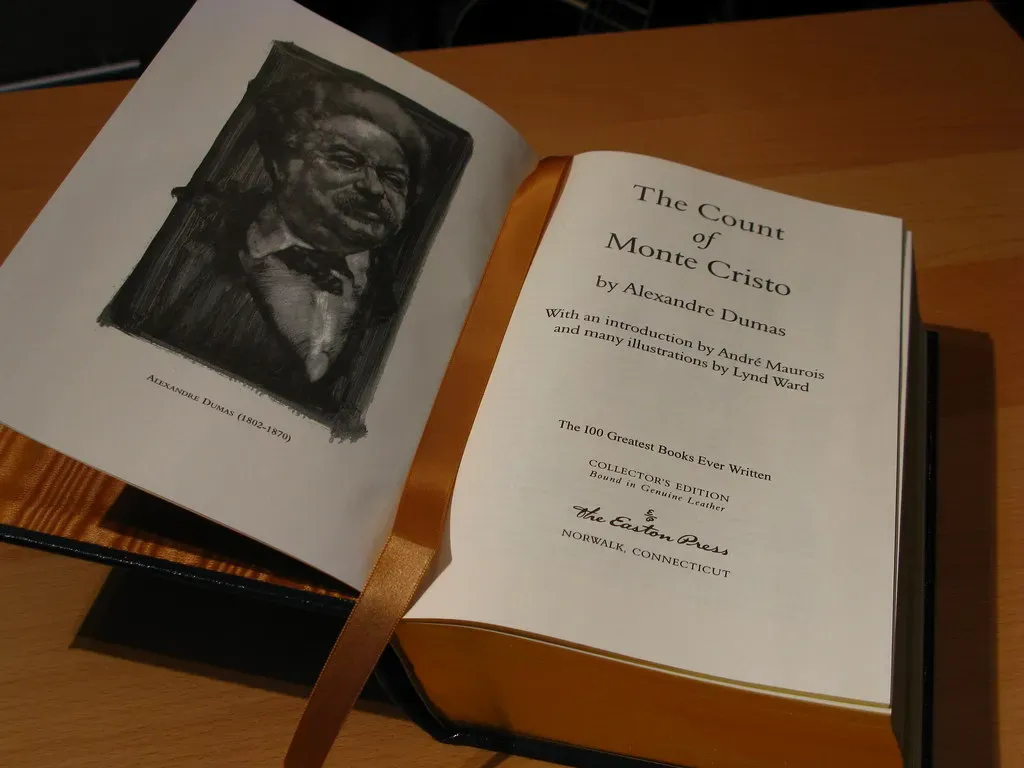
This classic tale of betrayal, revenge, and redemption is more than just an adventure story. It’s a masterclass in patience and the long game. Edmond Dantès gets wrongfully imprisoned, and instead of breaking, he transforms himself into something greater. The way he meticulously plans his revenge over years teaches you about discipline and delayed gratification.
What makes this book remarkable is how it explores the cost of revenge. Sure, Dantès gets his payback, but along the way, you start wondering if it was worth it. The moral complexity here is stunning. You’ll find yourself questioning justice, mercy, and whether holding onto anger serves you or destroys you.
It’s a long read, but every page earns its place. The storytelling is so rich that you feel like you’re living alongside these characters. Honestly, if you’ve only seen movie adaptations, you’re missing about ninety percent of what makes this story powerful.
2. Man’s Search for Meaning by Viktor Frankl

Viktor Frankl survived the Nazi concentration camps, and this book is his account of that experience combined with his psychological insights. It’s heavy stuff, but it’s also weirdly hopeful. Frankl argues that even in the worst circumstances imaginable, humans can find meaning and purpose.
The book introduces logotherapy, which basically says that our primary drive isn’t pleasure or power, but the search for meaning. When you have a “why” to live for, you can endure almost any “how.” That idea alone has helped countless people through their darkest moments.
Reading this will change how you look at your own problems. Your bad day at work suddenly doesn’t seem so catastrophic when you consider what Frankl endured and how he chose to respond. It’s a relatively short book, but the wisdom packed into it could fill volumes.
3. The Way of the Superior Man by David Deida

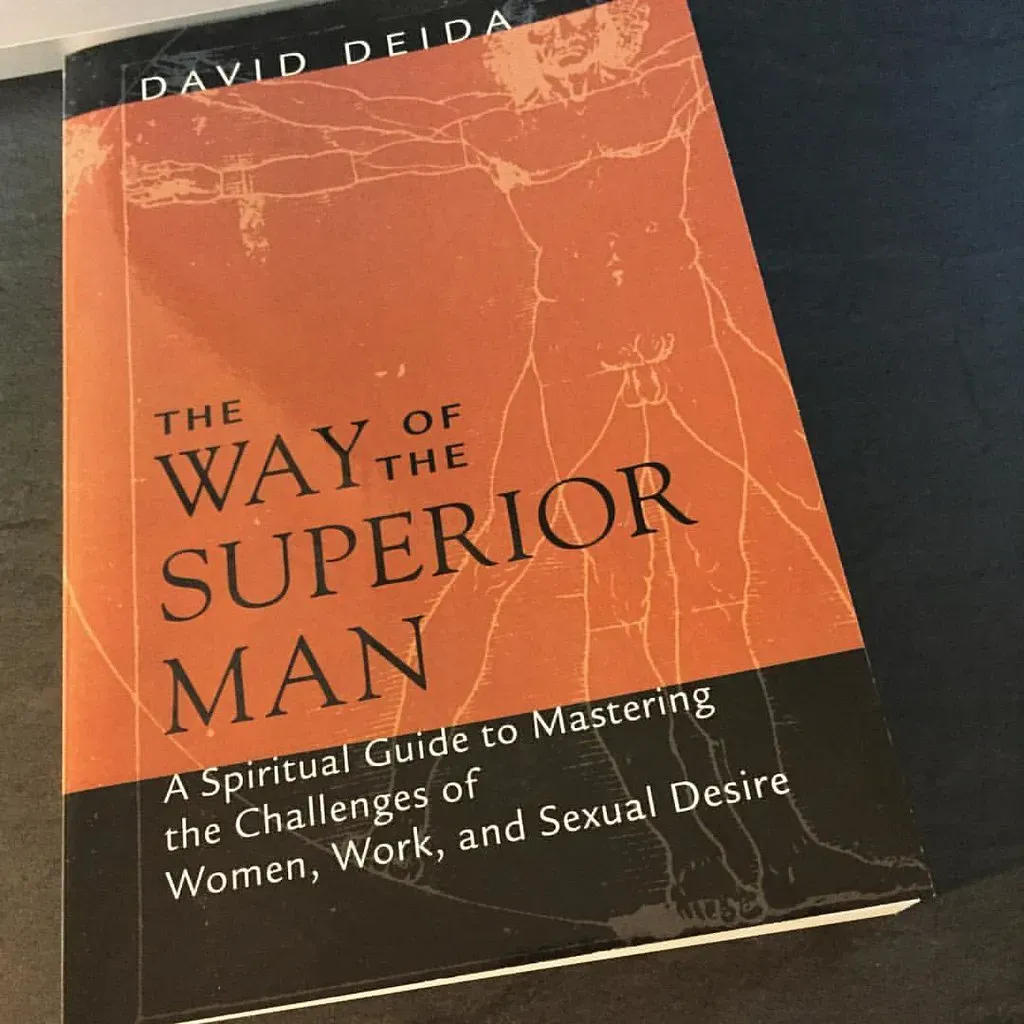
This one divides people. Some guys swear by it, others think it’s outdated. Deida explores masculinity, purpose, and relationships in ways that challenge modern thinking. His central premise is that a man’s priority should be his mission, his purpose in life, not his relationship.
That sounds harsh at first, but he’s not saying relationships don’t matter. He’s arguing that when a man is living his purpose fully, he becomes more attractive and more present in his relationships. The book pushes you to stop seeking validation from women or work or anything external.
Whether you agree with everything Deida says or not, the book forces you to examine what drives you and whether you’re living authentically. It’s uncomfortable at times, which probably means it’s hitting some truth you’ve been avoiding.
4. Meditations by Marcus Aurelius

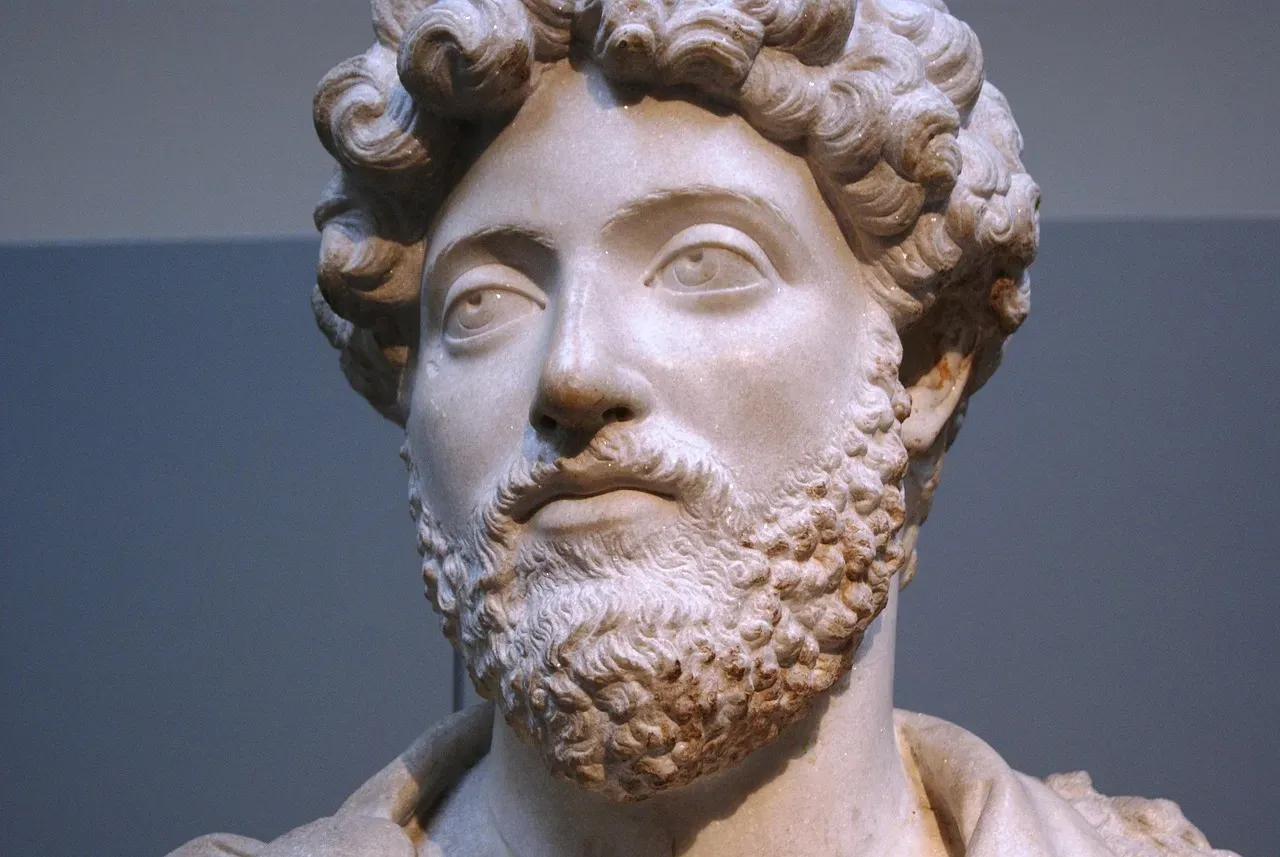
A Roman emperor writing his private thoughts nearly two thousand years ago, and it reads like he’s talking directly to you today. That’s the power of Stoic philosophy. Marcus Aurelius wasn’t writing for publication. These were personal notes to himself about how to be a better man and leader.
The wisdom here is practical and timeless. How to handle criticism, how to face mortality, how to stay calm when everything’s falling apart. He reminds you that you can’t control what happens to you, only how you respond. Simple idea, but incredibly difficult to practice consistently.
You can open this book to any page and find something relevant to whatever you’re dealing with right now. It’s become a go-to for entrepreneurs, athletes, and anyone trying to maintain perspective in a chaotic world. The best part? It’s short, direct, and doesn’t waste your time with fluff.
5. East of Eden by John Steinbeck

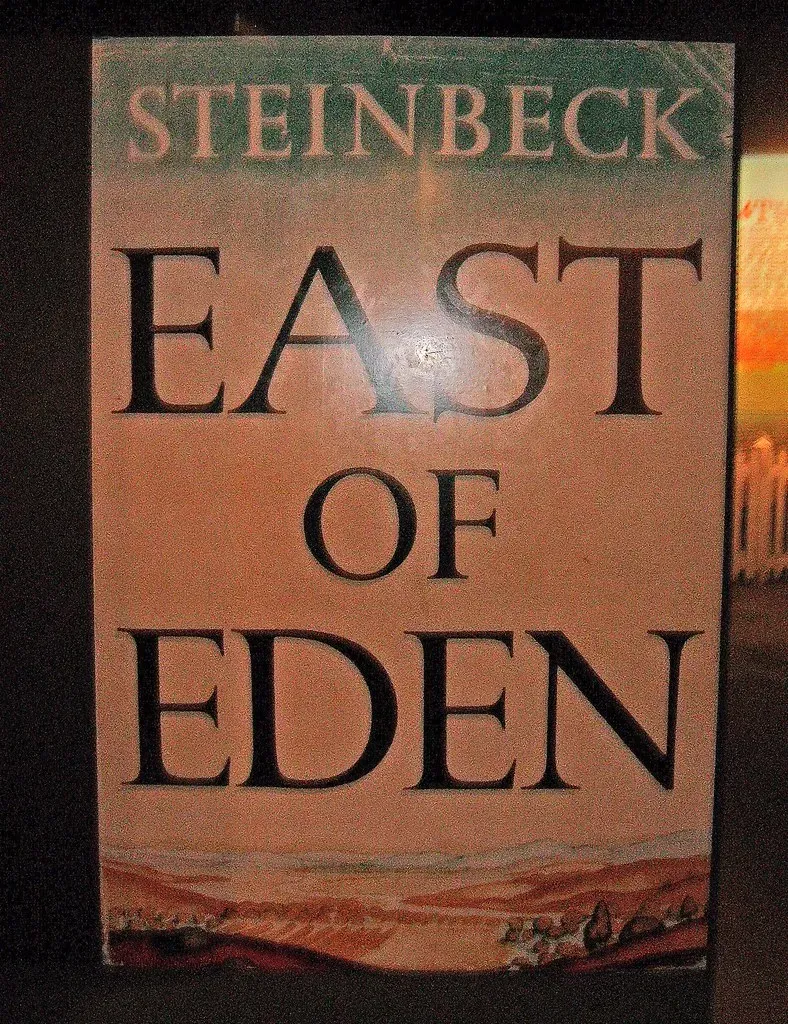
Steinbeck’s masterpiece explores good and evil through multiple generations of two families in California. At its core is the biblical story of Cain and Abel, reimagined in ways that make you think about free will and whether people can overcome their nature.
The character development here is extraordinary. You’ll find yourself thinking about these people long after finishing the book. Steinbeck doesn’t give you easy answers about morality. Instead, he shows you flawed people making choices and living with the consequences.
There’s a concept in the book called “timshel,” a Hebrew word meaning “thou mayest.” It suggests we have the power to choose our path, to overcome whatever darkness might be in us. That idea of radical responsibility for who you become is both terrifying and liberating. This book makes you examine your own choices more carefully.
Partner offer

6. The 48 Laws of Power by Robert Greene


Controversial? Absolutely. Useful? Undeniably. Greene distills lessons from history about how power operates, often in ways that feel manipulative or ruthless. Some people call it immoral. Others say it’s just describing reality as it is, not as we wish it were.
Whether you choose to apply these laws or not, understanding them helps you recognize when they’re being used on you. It’s like learning the rules of a game you didn’t know you were playing. Knowledge of these dynamics can protect you from being manipulated.
The historical examples are fascinating on their own. You’ll learn about Sun Tzu, Machiavelli, and countless other strategic thinkers throughout history. Even if you only use this book defensively, to spot when others are playing power games, it’s worth reading.
7. To Kill a Mockingbird by Harper Lee

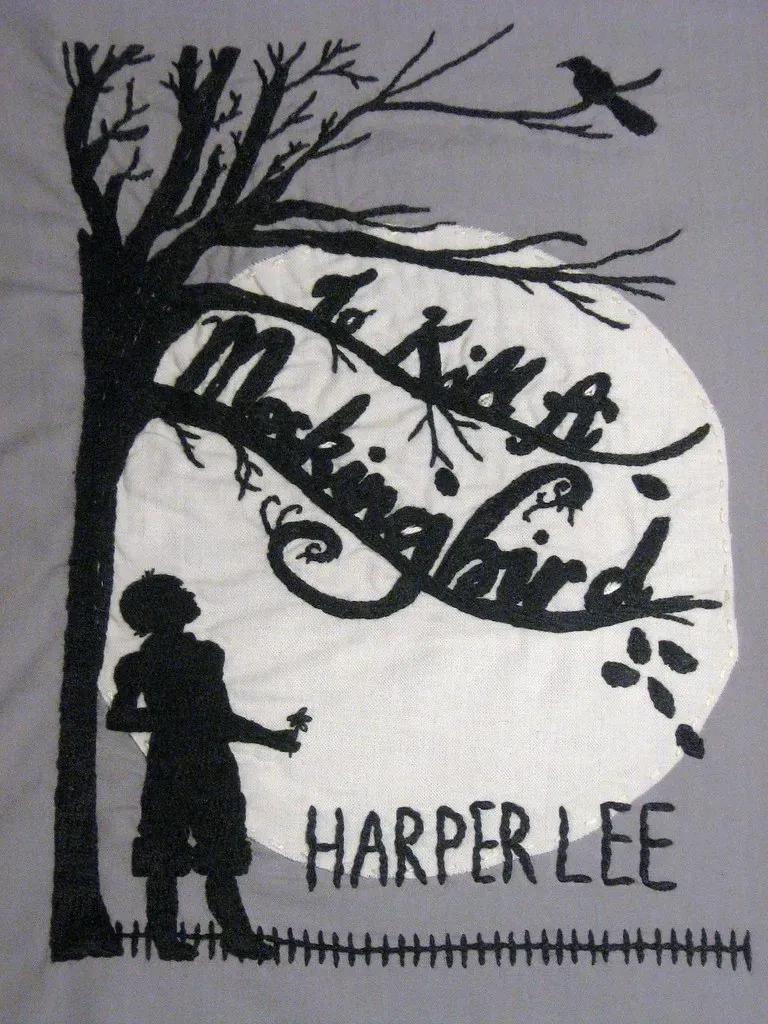
This isn’t just a book about racism in the American South. It’s about moral courage and doing what’s right even when everyone around you thinks you’re wrong. Atticus Finch defends a black man falsely accused of rape in 1930s Alabama, knowing he’ll lose and face community backlash.
What makes Atticus compelling is his quiet strength. He doesn’t grandstand or seek glory. He simply does his job with integrity because that’s who he is. His parenting approach, teaching his kids empathy and critical thinking rather than blind obedience, offers lessons we could all use.
The book also captures something about childhood innocence confronting harsh reality. Scout’s perspective as she watches her father stand alone against mob mentality shows what real bravery looks like. It’s not loud or flashy. It’s steady and principled even when it costs you everything.
8. The Alchemist by Paulo Coelho

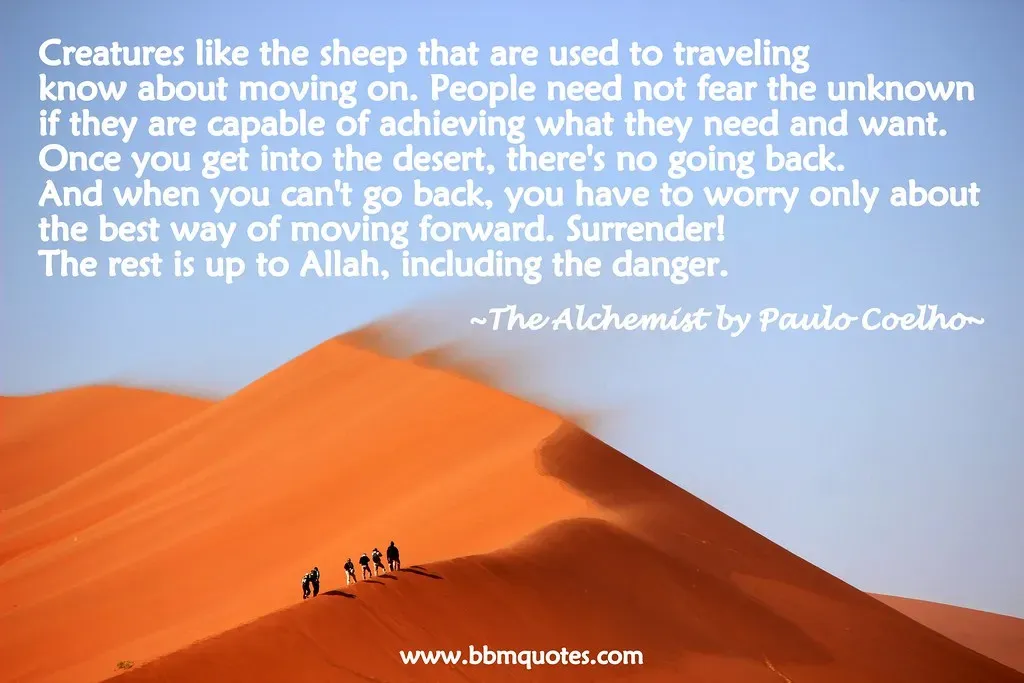
A young shepherd named Santiago dreams of treasure near the Egyptian pyramids and sets off to find it. Sounds simple, right? But this allegorical tale explores what it means to pursue your dreams and trust the journey even when it makes no logical sense.
Coelho writes about “Personal Legends,” the idea that everyone has a unique purpose they’re meant to fulfill. The book suggests that when you truly commit to your path, the universe conspires to help you. That’s either profound wisdom or naive optimism depending on your perspective.
Critics say it’s too simplistic or mystical. Fans say it captures important truths about following your intuition and not letting fear dictate your choices. Either way, it’s a quick read that makes you reconsider whether you’re really pursuing what matters to you or just going through the motions.
9. The Odyssey by Homer

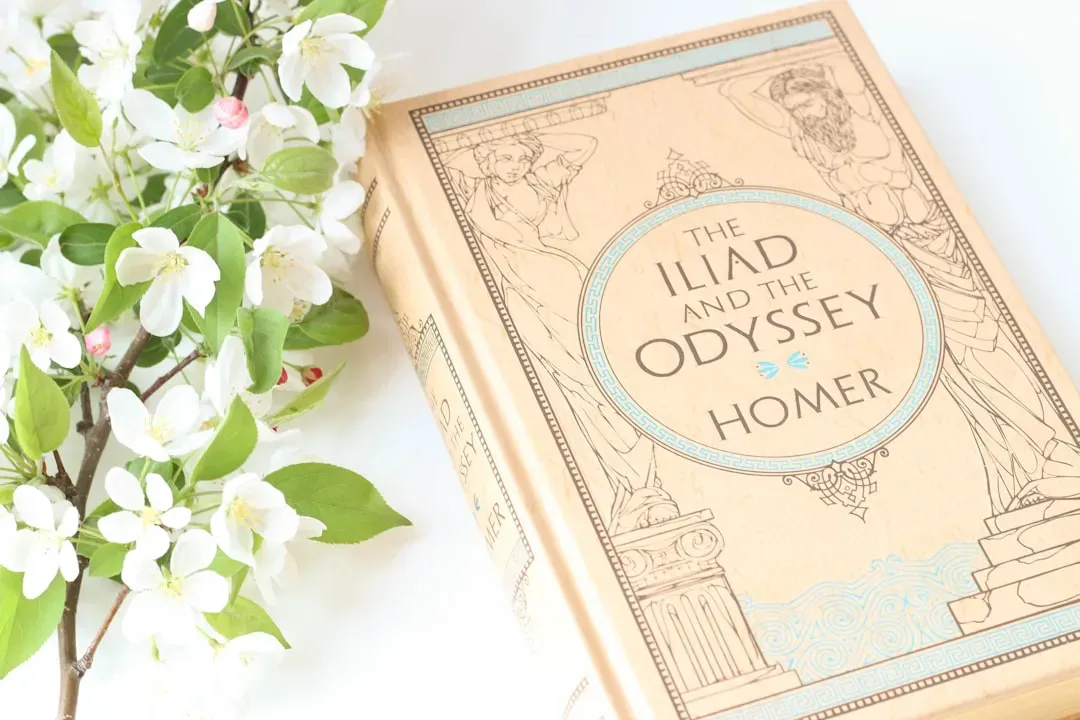
One of the oldest stories in Western literature, and it still resonates. Odysseus spends ten years trying to get home after the Trojan War, facing monsters, gods, and his own flaws along the way. It’s the original hero’s journey, the template for countless stories since.
What’s interesting is that Odysseus isn’t a perfect hero. He’s clever, sure, but he’s also proud and makes mistakes that cost his men their lives. The story shows that getting home, literally and metaphorically, requires overcoming external obstacles and your own weaknesses.
There’s something about reading ancient literature that puts modern life in perspective. People three thousand years ago dealt with the same fundamental struggles: purpose, loyalty, temptation, mortality. The settings change, but human nature remains remarkably consistent. That’s weirdly comforting.
10. Atomic Habits by James Clear
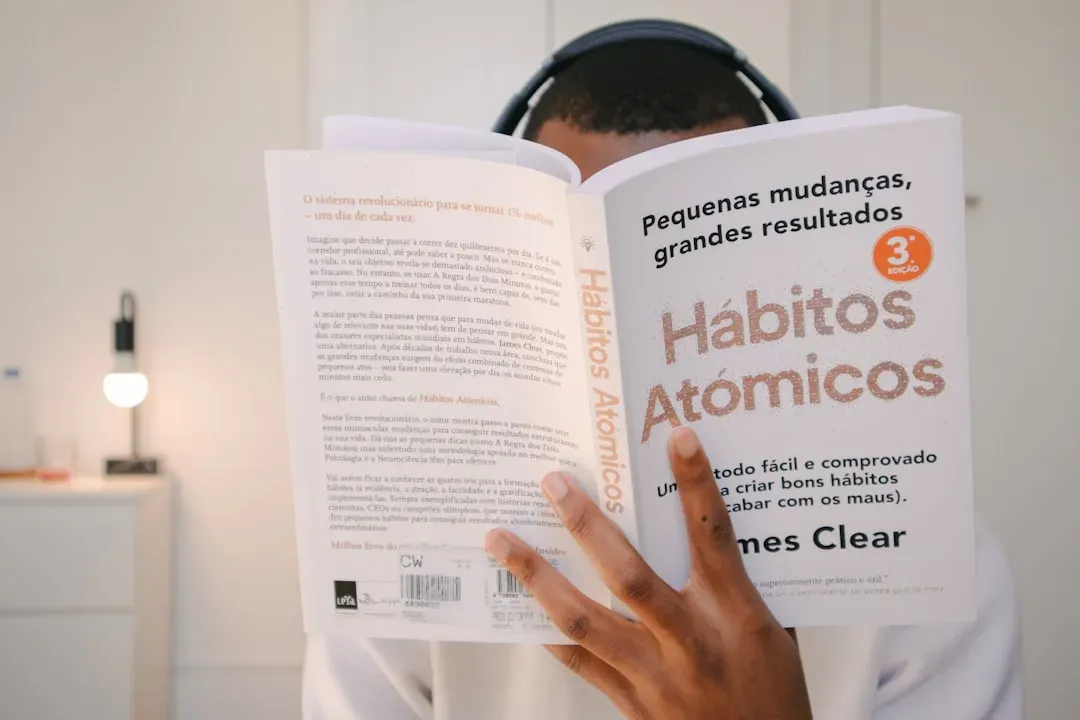
Unlike the classics on this list, this is a modern practical guide to building better habits and breaking bad ones. Clear argues that massive results come from tiny changes repeated consistently over time. It’s not about motivation or willpower, but about designing systems that make good behavior easier.
The book breaks down exactly how habits work: cue, craving, response, reward. Once you understand this loop, you can engineer your environment to support the person you want to become. Want to read more? Put books everywhere. Want to stop scrolling social media? Delete the apps.
What makes this different from typical self-help fluff is the practicality. Clear doesn’t promise overnight transformation. He shows you how small improvements compound over years into remarkable results. The math is simple but powerful: if you get one percent better each day, you’ll be nearly 38 times better after a year. If you get one percent worse, you’ll decline nearly to zero. Which direction are you heading?
Final Thoughts
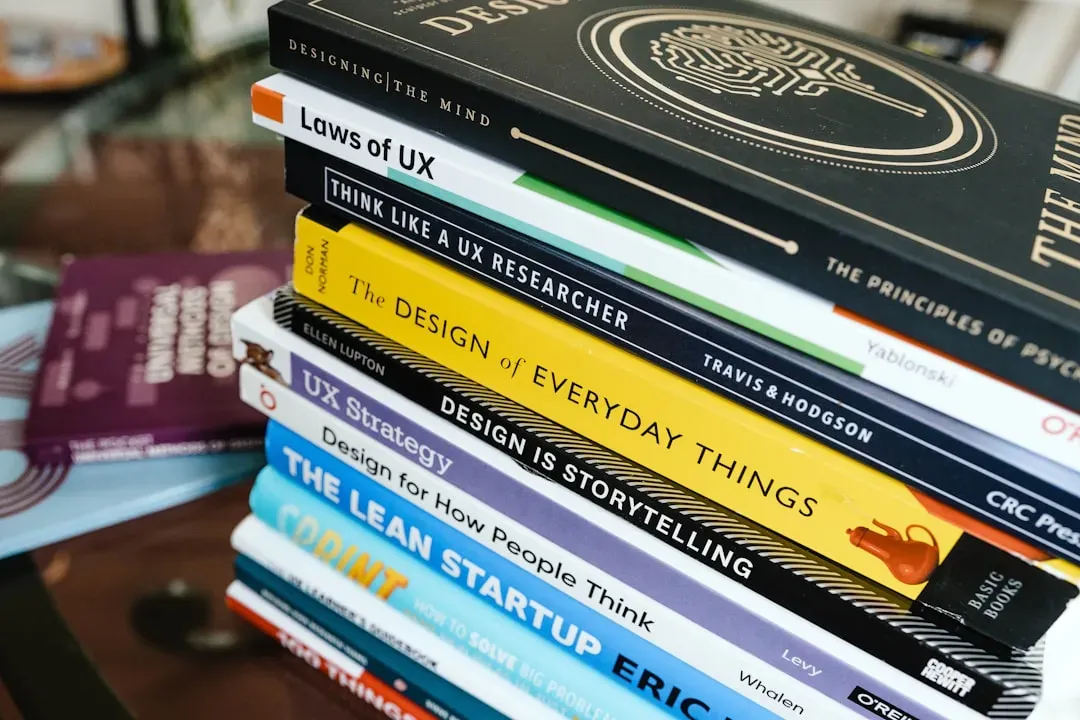
These ten books cover philosophy, fiction, psychology, and practical strategy. They come from different centuries and cultures, but they all share one thing: they make you think differently about yourself and your place in the world. Reading them won’t solve all your problems, but they might give you better questions to ask.
The real value isn’t just in reading these books once. It’s in returning to them at different stages of life and discovering new layers you missed before. A book that frustrates you at twenty-five might transform you at forty. So which one are you picking up first? Let us know in the comments.
Partner offer
Planning a trip to Vegas?
Compare hotel rates and show tickets on VEGAS.com.