


Film criticism has never existed in a vacuum. The way we watch movies is always shaped by when we’re watching them, and plenty of titles once considered timeless entertainment now sit in a far more complicated place. Streaming platforms have added content warnings, broadcasters have added discussion panels, and audiences have grown genuinely divided over whether the past deserves a free pass or a closer look.
What follows isn’t an attempt to cancel anything. These are eight films that critics and scholars have specifically flagged as likely to ignite debate if they were released for the first time today. Some of the concerns are about race, some about gender dynamics, some about the ethics of filmmaking itself. The films are real, the criticism is well-documented, and the question of what to do with imperfect art remains genuinely open.
Gone With the Wind (1939) – The Gilded Myth

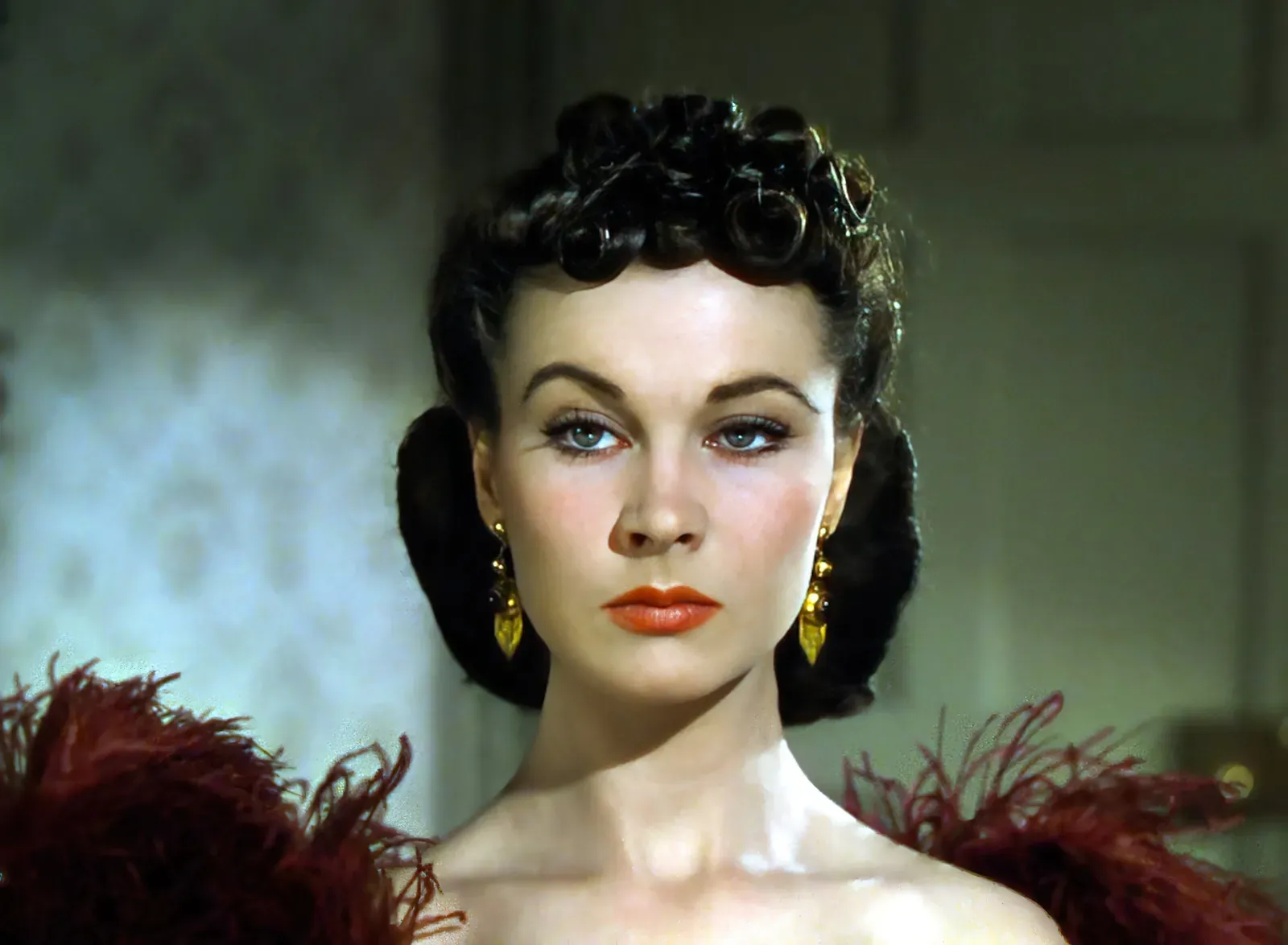
The Oscar-winning 1939 MGM epic starring Clark Gable and Vivien Leigh has already been the subject of critical rethinking, with HBO Max temporarily removing it from its streaming service during a period of racial unrest, following a Los Angeles Times opinion piece that criticized the film for glorifying slavery and perpetuating racist stereotypes about African Americans. It returned to the platform, but with contextual framing attached. That back-and-forth tells you something about how charged the film remains.
In the 21st century, criticism of the film’s depictions of race and slavery curtailed its availability. As poet and educator Melvin B. Tolson wrote, “Birth of a Nation was such a barefaced lie that a moron could see through it. Gone with the Wind is such a subtle lie that it will be swallowed as truth by millions.” Film critics and scholars today describe it as a film that “unquestionably glorifies the slave system and romanticizes the old South,” and note that it is “really shocking to watch these days.”
The Birth of a Nation (1915) – Cinema’s Most Uncomfortable Landmark

The Birth of a Nation is an example of a film that made groundbreaking technical strides that influenced filmmaking forever, yet the film itself is reprehensible. Released in 1915, the story follows the Stoneman family through the American Civil War and the assassination of President Abraham Lincoln, and also covers the formation of the Ku Klux Klan. It is blatantly racist toward African Americans and portrays them in a poor, misleading light.
The film is also credited with reviving the Ku Klux Klan, which had been dormant for nearly fifty years when it was released. It valorizes the Klan and portrays its African-American characters, played by white actors in blackface, as unintelligent and violent, and inspired protests, racist attacks, and controversy surrounding President Woodrow Wilson’s reported admiration of the film. To this day, it remains a figure of heated debate in film circles. No streaming giant carries it prominently. Though widely criticized for being one of the most racist American films ever produced, it remains required viewing for film students as a shining example of widely used filmmaking techniques.
Breakfast at Tiffany’s (1961) – One Scene That Changes Everything

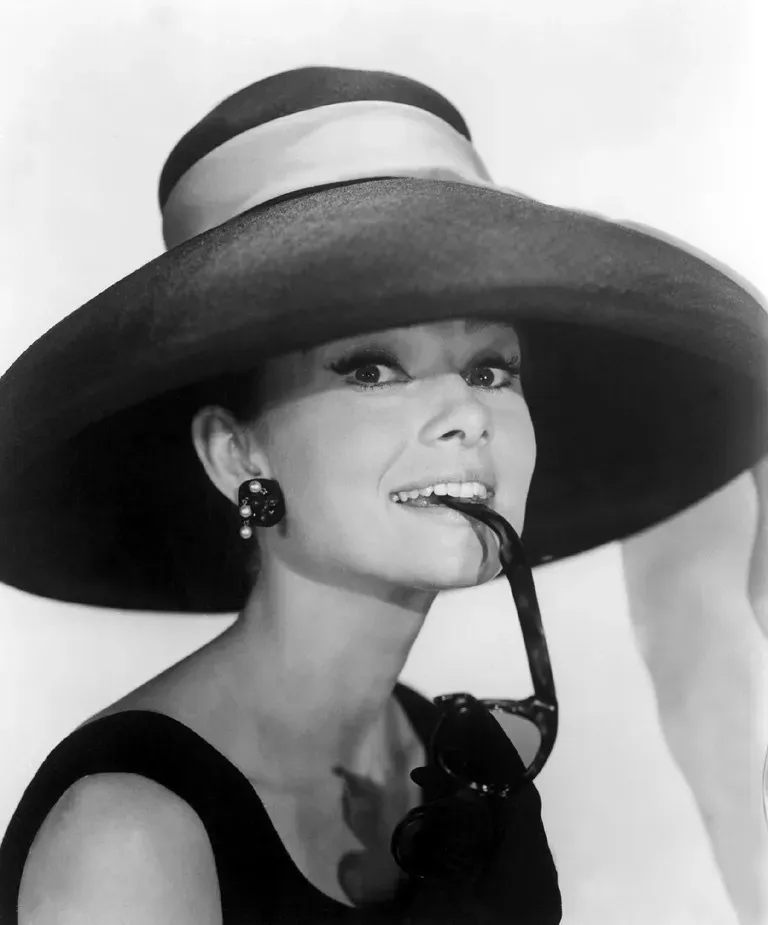
Audrey Hepburn’s Holly Golightly remains an icon of 1960s cinema style. The film, however, carries a deeply uncomfortable sequence that critics have singled out for decades. Breakfast at Tiffany’s regularly comes under fire from activist groups for Mickey Rooney’s hot-headed, buck-toothed portrayal of a Japanese man. It’s not a brief cameo or a throwaway gag. The character of I.Y. Yunioshi appears throughout the film.
Embedded amid the film’s agile, comic-romantic patter and lyrically optimistic view of New York is one of the most egregious yellowface performances in cinematic history: Mickey Rooney’s slant-eyed, bucktoothed, living anti-Asian propaganda poster I.Y. Yunioshi. Turner Classic Movies has explicitly noted that you “can’t show Breakfast at Tiffany’s without discussing the offensive portrayal by Mickey Rooney,” and has made it a central focus of programming aimed at providing context for modern audiences. Even Rooney himself acknowledged before his death that the portrayal was a mistake.
Song of the South (1946) – Disney’s Locked Away Film

Disney’s most controversial film may be Song of the South, the 1946 Reconstruction-era live-action and animated musical that the studio has not aired on TV since 2001 nor screened publicly in a theater since 1986. That’s a telling decision for a company that otherwise monetizes nearly everything in its archive. The film hasn’t appeared on Disney+ at all.
Given the response to Song of the South before and after it was made, there were plenty of people who knew it was wrongheaded from the start. Even in 1946, many audience members saw the movie’s regurgitation of racist stereotypes, blackface minstrelsy, and infantilizing caricatures of Black people for exactly what it was. The film features the kindly Uncle Remus telling tales to a young boy, using a mix of live-action and animated characters. It takes place on a plantation during America’s Reconstruction era and won two Academy Awards, including an Honorary Oscar for James Baskett for his portrayal of Uncle Remus.
Vertigo (1958) – Masterpiece Built on a Male Gaze

Citizen Kane had topped the British Film Institute’s Sight and Sound poll of the greatest films of all time for half a century, but in 2012, Vertigo moved up to the number one spot, some 54 years after its initial release to middling reviews. Claiming the top of the canon, though, didn’t protect it from serious scrutiny. If anything, that crown brought more critical attention to its darker undertones.
Partner offer

There has been much critiquing over Hitchcock’s depiction of women in the film, most notably by critics writing for major publications, which bring into question the motivations of the director. Critics in recent times have also spoken at length about the nature of the “male gaze” and the stylizing of Hitchcock’s “sexual creepiness.” Roger Ebert, in his four-star review on the occasion of its 1996 restoration, posited that the film “is about how Hitchcock used, feared and tried to control women,” noting an unforgettable scene when Scottie demands that a woman be subjected to a makeover she doesn’t want.
A Clockwork Orange (1971) – Violence as Art, Art as Problem

A Clockwork Orange was originally given an X rating in its first release due to subject matter that included theft, drugs, sexual assault, and gang violence. It was a controversial film with critics and viewers, which left many divided. The film was famously banned in a number of countries, including Malta, Ireland, and Singapore, for nearly 30 years. Stanley Kubrick himself took the unusual step of withdrawing the film from circulation in the United Kingdom after claims that it was inspiring copycat crimes.
Even Kubrick acknowledged in a Sight and Sound Magazine interview that Alex, even as “the very personification of evil,” has winning qualities that prevent viewers from being totally against him. Kubrick explained that our reason for identifying with Alex resides in the fact that he “is within all of us,” representing the darker side that manifests itself differently in each person. That moral ambiguity is exactly what would draw the fiercest backlash today, particularly in scenes depicting sexual violence. It remains a film that demands something from its audience.
Bonnie and Clyde (1967) – When Violence Became Fashionable

If Midnight Cowboy was the last nail in Old Hollywood’s coffin, Bonnie and Clyde was one of the first. This violent and darkly comic biopic of the notorious bank robbers signaled a shift in what could be shown on screen, with its main source of controversy being the graphic and callous depiction of violence. Film critics like Bosley Crowther launched public smear campaigns against the film and others like it.
Warner Bros. seemed hesitant to market Bonnie and Clyde at all, opting to forgo potential earnings rather than risk the outrage a wide release might bring. In spite of its detractors, the movie was saved by critics like Roger Ebert and Pauline Kael, who argued for its merits as a groundbreaking new American classic. If it were released in 2026, the conversation would be very different. The romantic framing of real criminals who killed innocent people, played out with stylish slow-motion bloodshed, would generate a particular kind of online backlash that simply didn’t exist in 1967.
Sixteen Candles (1984) – The John Hughes Problem


John Hughes defined a generation of teen movies. Sixteen Candles, in particular, has remained deeply embedded in popular culture. Revisiting it as an adult, however, tends to produce a creeping sense of unease. The character Long Duk Dong’s clear racism makes this childhood classic uncomfortable to rewatch. His stereotypical accent, low status, and more leave viewers cringing, and the portrayal persists despite the actor’s efforts to recover the character on screen.
The film’s racial caricature is only part of the problem. There is also a subplot involving a drunk teenage girl that modern audiences routinely flag as deeply troubling, depicting what amounts to assault played for comedy. Film commentary has identified this as one of many tropes and attitudes that may have been normalized in classic movies but would cause a significant storm of controversy today. This isn’t to say Old Hollywood, or 1980s Hollywood, is too problematic to enjoy. It’s just that attitudes and cultural norms have shifted dramatically since then.
What Do We Actually Do With These Films?

While many older films have stood the test of time, certain aspects of these classics are now considered outdated and problematic. For years, there has been a battle over what to do with old racist, sexist, and homophobic films, and finding a middle ground has been difficult. Some platforms have settled on content warnings. Turner Classic Movies tried a more hands-on approach.
TCM applied a programming concept it called “Reframed,” featuring the network’s hosts in roundtable discussions of legendary films that are often problematic to today’s audiences for their approach to race, gender, and LGBTQ issues, covering titles like Gone With the Wind, The Searchers, Breakfast at Tiffany’s, and others from a 21st-century perspective. Some studios and streaming services are putting content warnings on films before they show them, with Disney maintaining a committee of outside advisors to discuss diversity, inclusivity, and related issues. Whether that contextual framing is enough, or whether it waters down the art, remains an argument worth having.
Context, Criticism, and the Permanence of Film

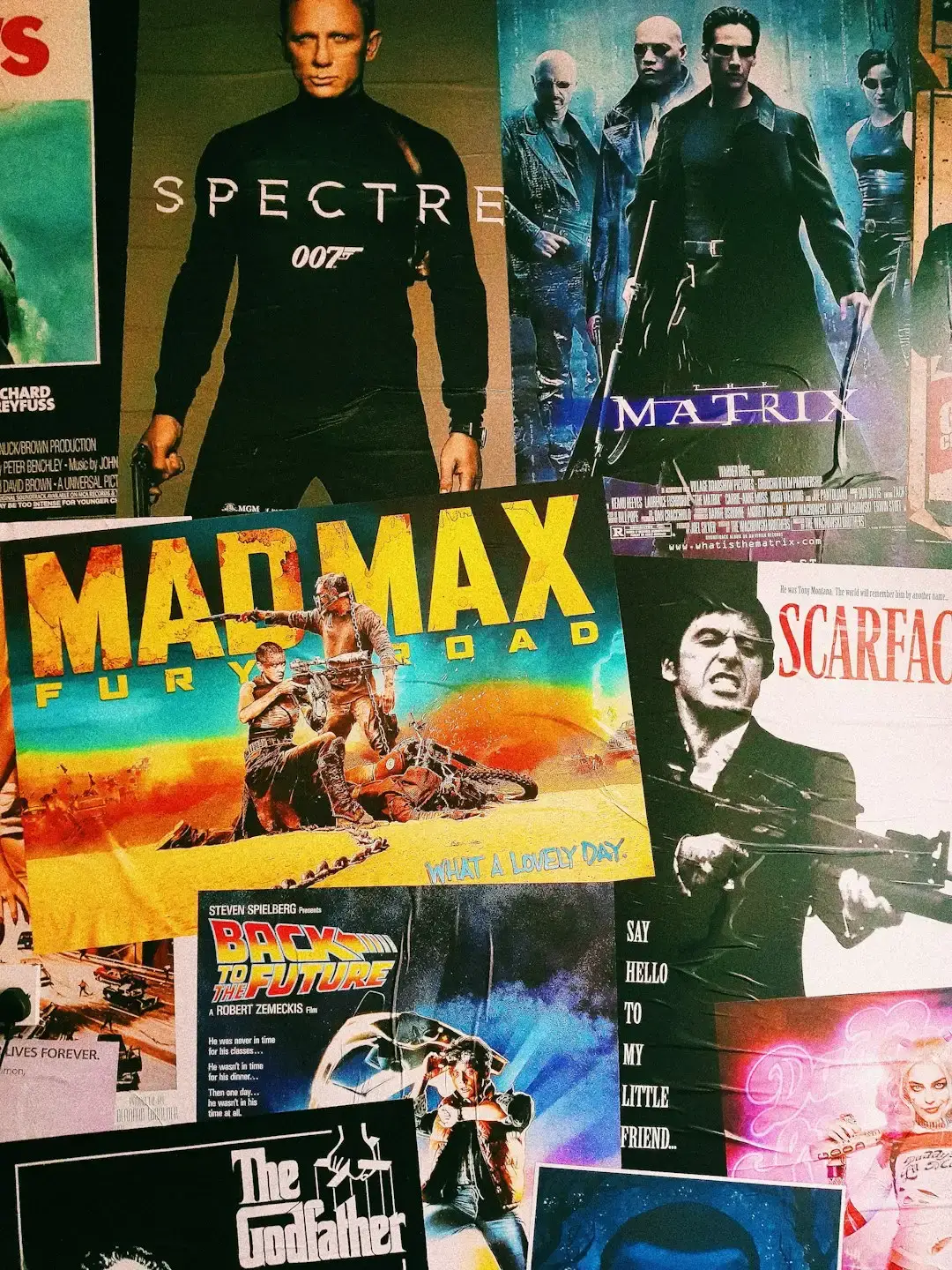
Controversial films have been a part of the medium since the dawn of filmmaking. Sometimes the controversy comes from the subject matter, and other times from a film being ahead of its time. Something seen as controversial in one era may be seen as tame in another. However, there are some films where the controversy has stood the test of time.
Many in the industry argue that we do not want to show old films to audiences “without any context and understanding about what they are about to see,” and that there is “a middle ground to be found, so we do not have to bury these movies forever.” That strikes a reasonable balance. These are real historical documents, reflecting the values and blind spots of the people who made them. Watching them carefully, with eyes open, says more about a culture’s willingness to reckon with itself than any removal or warning ever could.
Partner offer
Planning a trip to Vegas?
Compare hotel rates and show tickets on VEGAS.com.


