There’s a growing frustration among moviegoers that feels different from the usual grumbling about ticket prices. It’s more specific. Fans are noticing patterns, repeating themselves year after year on social media, in review threads, and in comment sections, pointing to a version of Hollywood that feels more like a machine running on fumes than a creative industry firing on all cylinders.
The domestic box office hovered at roughly $8.9 billion in 2025, still far below the pre-pandemic highs of 2019. That gap says something. The films are there. The screens are there. The audiences are partly there. What’s clearly missing, according to many fans, is the sense that studios are genuinely trying. Here are nine trends people have had enough of.
The Endless Parade of Sequels

Looking back at major U.S. releases in 2024, twenty-six sequels or prequels hit theaters. In 2025, that number climbed to thirty-four. That’s not a coincidence or a quirk of the calendar. It reflects a deliberate, studio-level strategy that treats proven IP like an ATM rather than a story worth telling.
In 2025, franchise fatigue hit a breaking point as audiences grew tired of overexposure and repetitive sequels. Studios kept rushing out follow-ups with little innovation, leading to declining interest and underwhelming box office results. Even critical praise couldn’t save these films, as viewers wanted fresh stories instead of rehashes. The audience isn’t abandoning movies. They’re abandoning bad ones.
Nostalgia-Bait Reboots That Deliver Nothing New

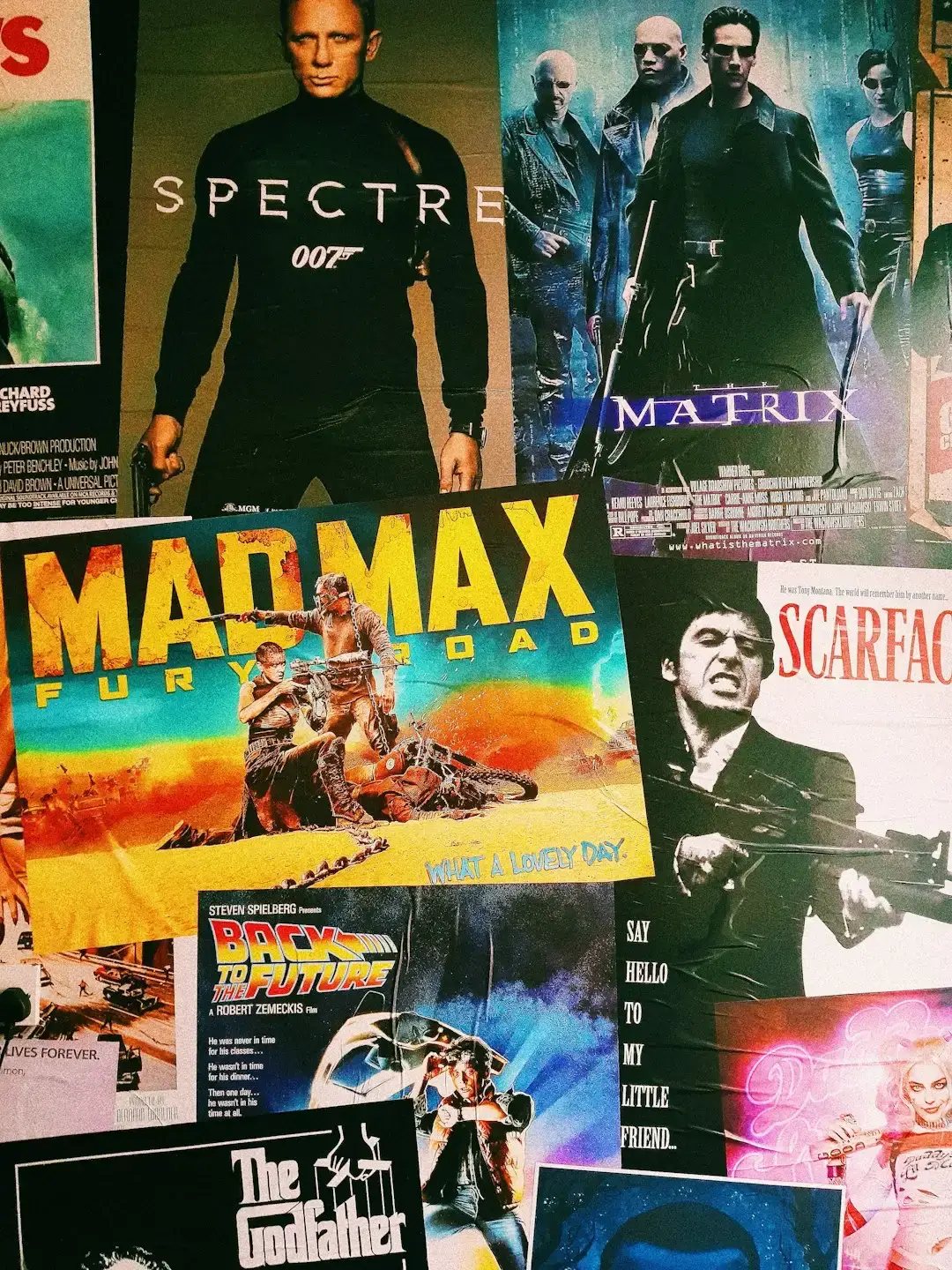
Hollywood has been in its so-called “flop era,” with theaters receiving reboots, sequel after sequel, and nostalgia-baiting adaptations. This proliferation of cash-grabbing movies has taken away the creativity and excitement that used to be a treasured part of enjoying films. There’s a meaningful difference between a reboot with a real reason to exist and one that’s simply packaging nostalgia for profit.
It’s a cycle that thrives on familiarity, feeding the belief that what has worked before is the only thing that will work. Every reboot guarantees a built-in fanbase, every remake guarantees nostalgic boosts, and every sequel guarantees a box-office hit. Except, increasingly, they don’t. Nostalgia-driven reboots and rehashes failed to excite, as audiences crave fresh stories and genuine innovation.
The Live-Action Remake Factory
With companies like Disney churning out remakes and live-action adaptations of previous films, it’s become increasingly difficult for original movies to get some of the spotlight, or marketing budget. This has been one of the loudest complaints directed at major studios for several years running, and it hasn’t quieted down.
Sequels and reboots have quickly taken up a large chunk of film and TV, leaving very little room for new and original stories to get made for the screen. When studios do take the risk on something original, the results often remind audiences of what they’ve been missing. The problem is those moments are becoming rarer by the year.
Franchise Universe Overload
In 2025, just over twenty films were released with budgets of over $100 million, almost all of which were based on existing IP. Only about half broke even or turned a profit. Still, studios keep expanding cinematic universes, spinning off side characters into their own projects, and building out lore that most casual viewers never asked for.
The thrill of the modern event film relies on that first-time theatrical experience, featuring cameos, callbacks, and over-the-top fanfare, rewarding the audience for their prior knowledge of the story’s world. The film and its ability to stand on its own seemingly come second to cultivating the initial feelings manufactured within these events. When a movie requires homework to understand, it stops being entertainment and starts being obligation.
CGI Overuse and Visual Incoherence

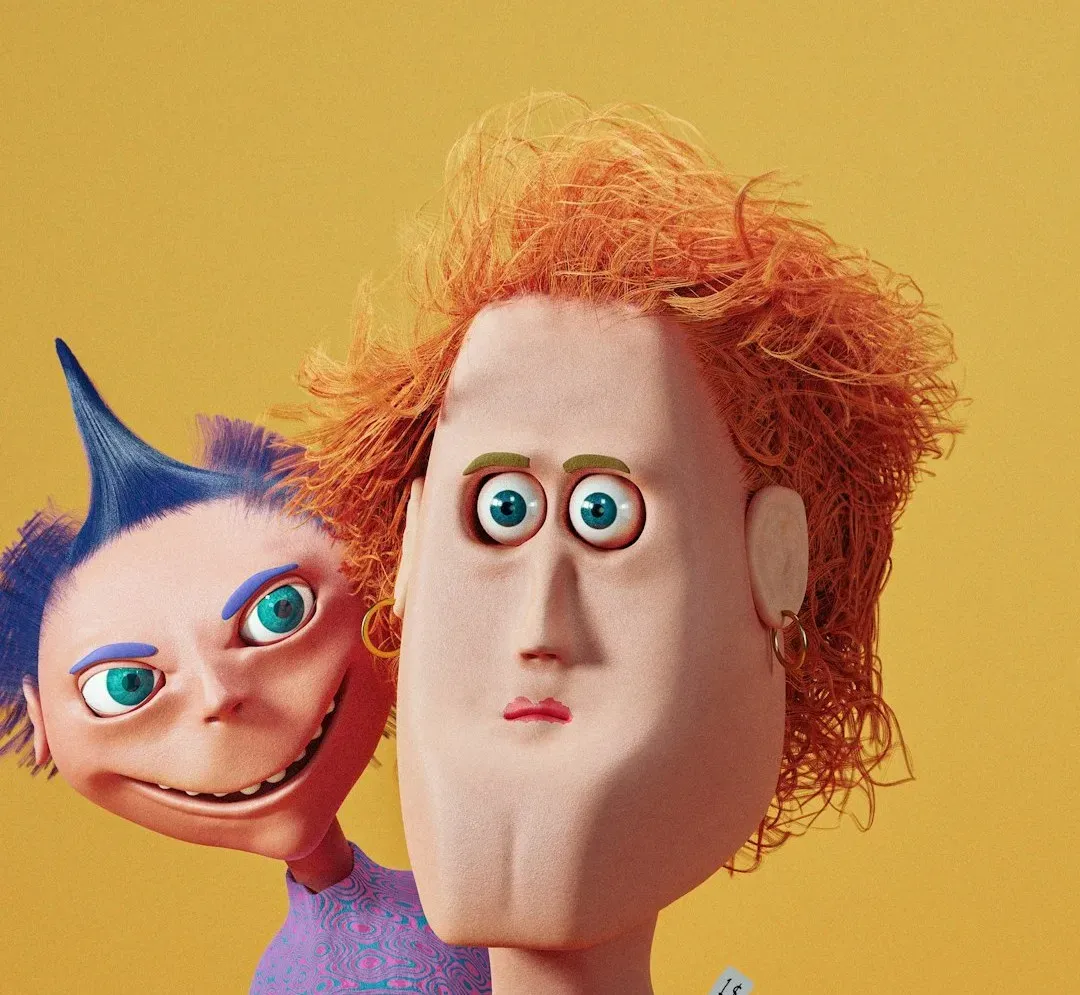
Back in the 1990s, CGI was groundbreaking. Now it is overused and applied to the smallest and least significant details of films. While CGI was exciting and new when it was first introduced, it has become cliché and tacky, since it is either poorly executed or no longer used in moderation. Audiences can feel the difference between a scene built with care and one assembled in post-production under deadline pressure.
Bad CGI persists because of tight deadlines, creative indecision, and over-reliance on digital fixes late in production. Some of the most expensive films in Hollywood still look unfinished by the time they hit theaters. This disconnect between budget and visual quality is something the industry keeps repeating because of unrealistic deadlines, poor direction, and the misuse of technology. Expensive flops like Megalopolis, Red One, and Madame Web in 2024 proved that big budgets don’t guarantee good visuals.
The AI Creep Into Creative Work

Studios have been eager to tout the potential benefits of AI to investors, but afraid to divulge their biggest experiments, lest they antagonize talent and alienate labor unions. Writers and actors went on strike for months in 2023, animated in no small part by concerns over AI. Those contracts expire again in 2026, and Hollywood is bracing for another potential labor stoppage.
Many films in 2025 exhibited similar structures, leading critics to label them as derivative. Audiences began to feel as if they were watching variations of the same story, which diminished their overall cinematic experience. Filmmakers expressed concerns that reliance on AI diminished the nuanced storytelling that characterized successful films. The subtleties of human emotion, cultural context, and character development were often overlooked in AI-generated scripts.
AI-Generated Performers and the Authenticity Problem

Guilds, actors, and filmmakers met the emergence of AI-generated performers with an immediate wave of backlash, protesting that artificial intelligence should not have a starring role in the acting profession. In a statement, the Screen Actors Guild said that “creativity is, and should remain, human-centered.” The debate accelerated sharply with the public debut of AI-generated “actor” Tilly Norwood, which drew widespread outrage across the industry.
AI-generated performers have no life experience to draw from, no emotion and, from what audiences have seen, viewers aren’t interested in watching computer-generated content untethered from the human experience. It doesn’t solve any problem, it creates the problem of using stolen performances to put actors out of work, jeopardizing performer livelihoods and devaluing human artistry. Some creators are now driving this point home directly with audiences, with the credits of the Apple TV series “Pluribus” reading: “This show was made by humans.”
Originality Starved Out of the System
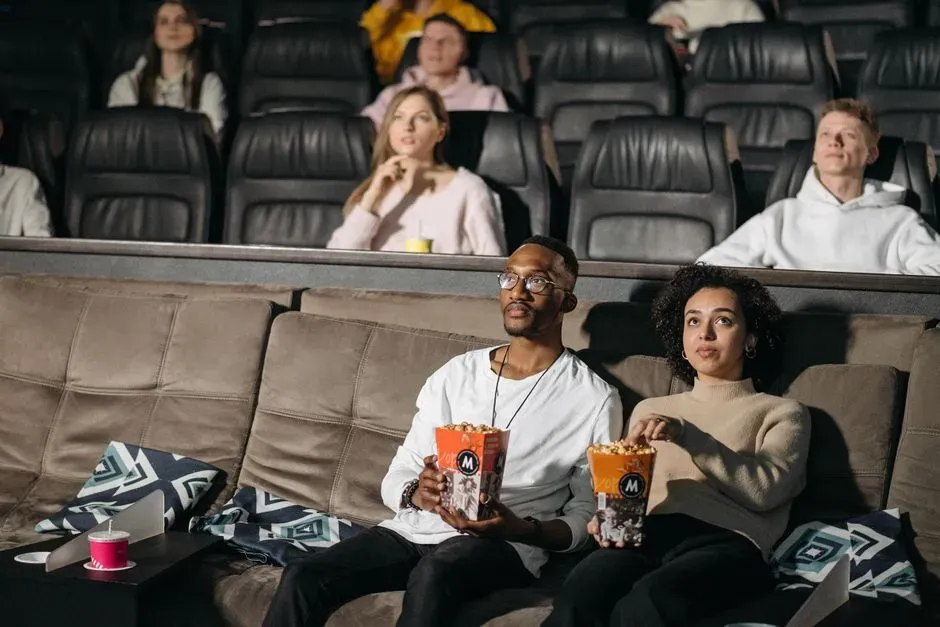
The problem is that the industry has long been headed for an era where the only films getting theatrical releases are big-budget franchise-extenders, and more sequels means fewer counterexamples. It’s harder to prove original movies can still make money when not enough of them are given the opportunity to do so. This is the trap: studios use the underperformance of original films to justify making fewer of them, while never giving those films the same marketing or release support as franchise titles.
Movies that prioritized story, spectacle, and broad family appeal thrived. Films like Sinners, F1, and a run of smaller budget horror titles proved that blockbusters are still very much alive when filmmakers focus on delivering what audiences actually want. These films didn’t treat viewers as students in a classroom or participants in a social campaign. They treated them as customers looking for escapism, adventure, and heart. That contrast is the clearest argument for originality that the box office has made in years.
Shrinking Room for Mid-Budget, Mid-Risk Filmmaking


Peak TV has unpeaked. Bidding wars at Sundance are mostly distant memories. The contraction hits mid-budget films hardest. These are the movies that once formed the backbone of Hollywood, thrillers, dramas, comedies, character studies built around performance rather than spectacle. Lovers of independent film look around for a saviour and find none.
After years of franchise dominance, a handful of original films broke through in 2025, and 2026 will test whether that momentum can survive a crowded blockbuster slate. The window is small, and most studios aren’t widening it. Individual wins like Sinners, Weapons, and F1 took original concepts and delivered results, proving the appetite is real, even if the studio willingness to feed it remains uncertain. For now, fans are keeping score, and Hollywood should probably start paying closer attention to the tally.