
Most music biopics get a bad reputation for good reason. They rearrange timelines, invent conversations, and sand down complicated people into tidy Hollywood arcs. But every so often, a film comes along that makes a genuine effort to honor the truth. The best of these balance creative storytelling with a genuine respect for the facts, giving viewers real insight into these artists’ lives and creative processes – showing how to portray complex musical legends on screen without completely rewriting history. These six films represent different genres, different eras, and different definitions of “accuracy,” but each one earned its place in the conversation for doing more right than wrong.
Walk the Line (2005) – Johnny Cash’s Rise, Fall, and Love Story

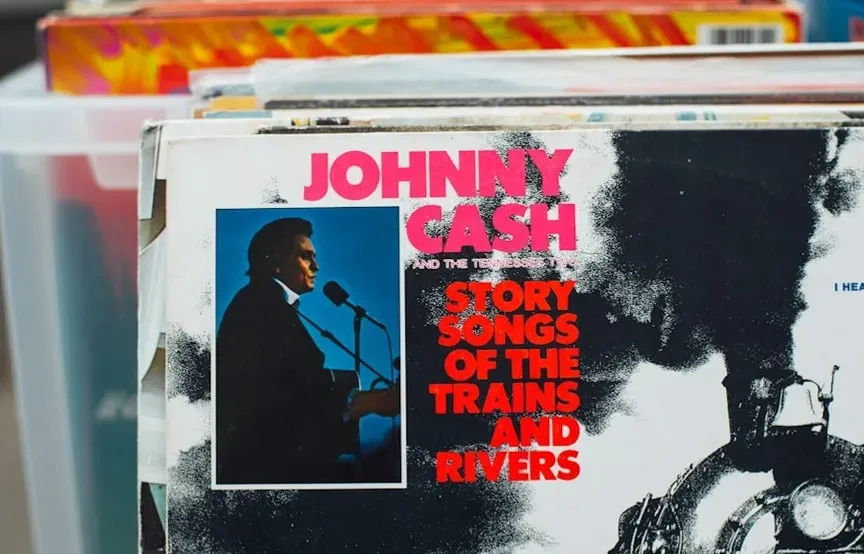
Walk the Line is a 2005 American biographical drama film directed by James Mangold, with a screenplay based on two autobiographies by Johnny Cash himself: Man in Black: His Own Story in His Own Words (1975) and Cash: The Autobiography (1997). The film follows Cash’s early life, his romance with June Carter, his ascent in the country music scene, and his drug addiction. That foundation in Cash’s own written words gives the film a credibility many biopics simply don’t have – it’s not speculating about the man, it’s adapting his own account of himself.
The film accurately portrays many true-life events from Cash’s life and career, highlighting his rise to fame, addiction struggles, and relationship with June Carter. However, the movie simplifies and alters some aspects of Cash’s life, such as his relentless pursuit of attention from Sun Records and the portrayal of his first wife, Vivian Liberto. Cash’s relationship with his father and his deep love for June Carter are accurately depicted in the film, although some of the drama surrounding Cash’s addiction is overblown. It received positive reviews and was a box office success, grossing $187 million on a $28 million budget. Still, Cash’s daughter Kathy publicly noted that the film underrepresented her mother’s earlier happy years with Johnny, a reminder that even the most earnest biopic is always told from a particular point of view.
Coal Miner’s Daughter (1980) – Loretta Lynn’s Unvarnished Truth


Featuring an Academy Award-winning performance from Sissy Spacek, Coal Miner’s Daughter is the gold standard for traditional popular music biopics. It follows the rise of “The First Lady of Country Music” from an impoverished upbringing as one of eight children in Butcher Hollow, Kentucky, to marrying hard-drinking Doolittle “Mooney” Lynn at 15 and finally finding fame as a country singer-songwriter. What separates this film from so many of its peers is the level of personal involvement the subject herself had in its production.
The film doesn’t romanticize Lynn’s early life, depicting the harsh realities of Appalachian poverty and her marriage at just 15. Yet it’s ultimately an uplifting story about talent, determination, and the power of authentic storytelling in music. Lynn’s own involvement in the production ensured accuracy, and the film remains one of the most beloved music biopics ever made. Sissy Spacek won the Academy Award for Best Actress for her portrayal, while the movie itself received an Oscar for Best Motion Picture in Musical or Comedy. It is a rare example of a biopic where the subject endorsed the result – not just tolerated it.
Control (2007) – Ian Curtis Without the Mythology

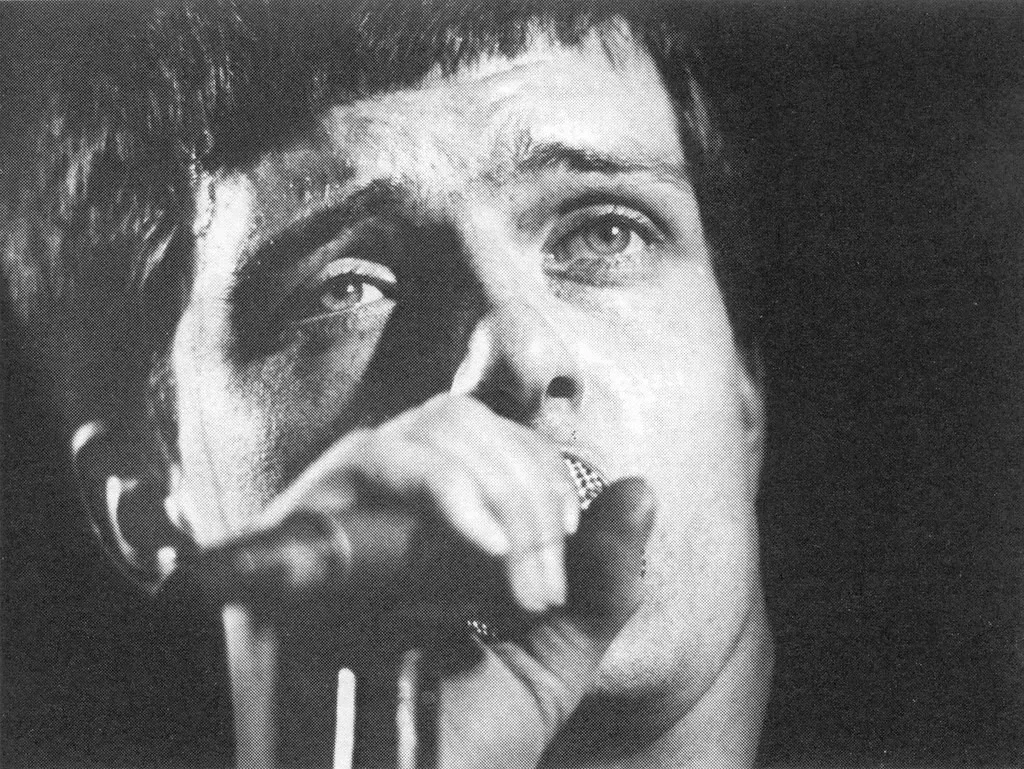
Director Anton Corbijn actually knew and photographed Joy Division’s Ian Curtis back in the day, bringing a personal touch to the project. Control doesn’t sugarcoat Curtis’s battle with epilepsy, a condition that seriously affected his life and performances. Sam Riley nails Curtis’s unique stage presence and inner demons without making him seem like some romantic tragic hero. The film is based on his widow Deborah’s memoir, giving viewers an insider’s view of his brief but incredibly influential life.
Corbijn’s note-perfect feel for the aesthetics of Joy Division, which he had helped define as a photographer nearly 30 years before, could have been predicted, but the tautness of the storytelling and Sam Riley’s uncanny and magnetic central performance as Ian Curtis came as thrilling shocks. Unlike so many music biopics that go overboard with the sex, drugs, and rock ‘n’ roll clichés, Control focuses on the harsh reality of Curtis’s existence – his depression, the crushing weight of sudden fame, and the factors that led to his suicide at just 23. By anchoring itself in Deborah Curtis’s firsthand memoir, the film earns an intimacy and honesty that most biopics chase but rarely catch.
Partner offer

Straight Outta Compton (2015) – N.W.A. and the Social Climate That Shaped Them

This game-changing film tracks the rise of N.W.A., easily one of the most influential groups hip-hop has ever seen. Straight Outta Compton really captures the powder keg social climate that fueled their provocative music, especially the racial tensions and police brutality in 1980s Compton. One of the smartest casting decisions made here was putting Ice Cube’s own son in the role of his father. Ice Cube’s son, O’Shea Jackson Jr., played his father in this N.W.A. origin story. It was a smart choice – Jackson portrayed his father with the amount of familiarity that only a son could have, and the rest of the cast was similarly impactful.
The Academy somehow only nominated the film for one category, Best Original Screenplay, despite it being one of 2015’s best films. Retelling the story of landmark gangsta rap group N.W.A., Straight Outta Compton is expertly directed. The film does take certain liberties with interpersonal conflicts and timelines, and surviving members have noted inaccuracies in how certain events were framed. Many films face criticism for prioritizing dramatic storytelling over factual accuracy, condensing complex lives into simplified narratives. Family members and former bandmates often dispute portrayals, leading to public disagreements about what “really happened.” Straight Outta Compton is no exception, but its cultural and historical grounding remains genuinely strong.
A Complete Unknown (2024) – Bob Dylan’s Early Years Under the Microscope

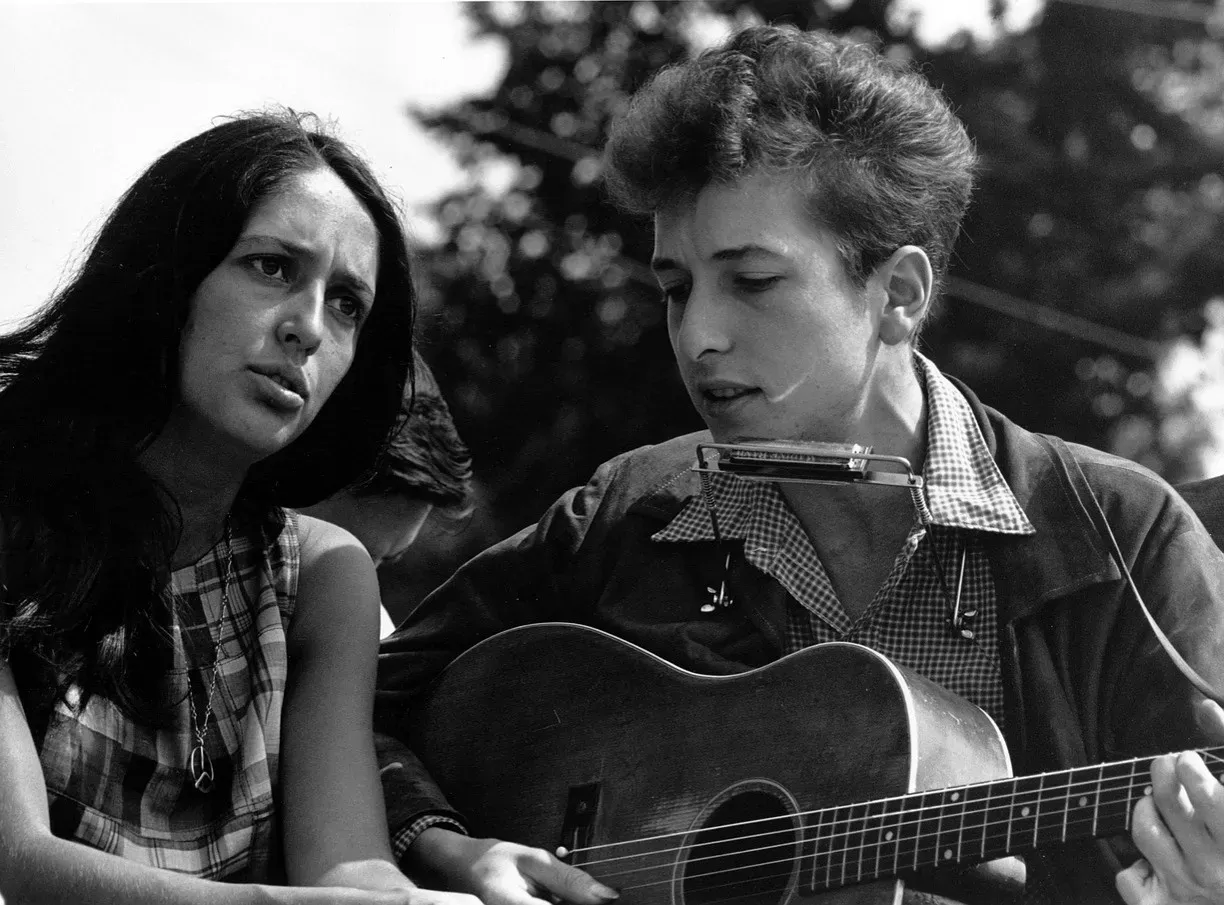
A Complete Unknown is a 2024 American biographical film about the early career of Bob Dylan, directed by James Mangold, written by Mangold and Jay Cocks, and loosely based on the 2015 book Dylan Goes Electric! by Elijah Wald. The film examines the period of 1961 to 1965, beginning with Dylan’s start as an American folk singer, and ending with his controversial use of electric instruments at the 1965 Newport Folk Festival. Mangold spent hours personally speaking with Dylan when developing the script, which gives the film an air of authenticity even where it bends the facts.
The film earned eight nominations at the 97th Academy Awards, including Best Picture, Best Director, Best Actor for Chalamet, Best Supporting Actor for Norton, and Best Supporting Actress for Barbaro. The short answer on accuracy is: a lot. But the long answer involves acknowledging director James Mangold’s film taking liberties in terms of a condensation of timelines, the conjoining of separate incidents, fictional character names in a couple of cases, and moments of sheer imagination and fictionalization. For instance, Suze Rotolo, Dylan’s muse and early lover, was no longer in a relationship with him at the Newport Folk Festival in 1965, despite the film having them ride together to the momentous event on Dylan’s motorcycle – they had broken up in 1964. Yet those who knew Dylan’s world praised the film’s emotional core.
Deliver Me From Nowhere (2025) – Bruce Springsteen and the Nebraska Sessions

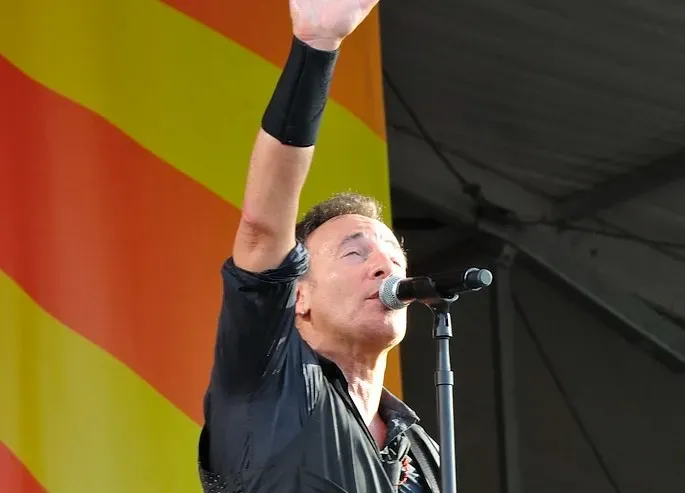
As one of the most anticipated music biopics in years, this film focuses specifically on the creation of Springsteen’s 1982 studio album Nebraska. Rather than attempting to cover The Boss’s entire career, director Scott Cooper narrows the scope to this crucial period, when Springsteen recorded stark, unadorned songs that shocked fans expecting arena rock. The film, titled Deliver Me From Nowhere, is inspired by Warren Zanes’ book of the same name. Directed by Scott Cooper, the movie brings to life the story of this iconic album and highlights the pivotal role it played in Springsteen’s career.
It says something of director Scott Cooper’s storytelling skill – not to mention Jeremy Allen White’s brooding lead performance – that Deliver Me From Nowhere creates emotional drama out of Bruce Springsteen’s mission to preserve the haunting quality captured on the home recordings that would become his bleak 1982 masterpiece, Nebraska. Unusually for a rock biopic, it stays remarkably close to the real events. A factor perhaps attributable to both Springsteen’s involvement and the source material – MOJO contributor Warren Zanes’ emotionally insightful 2023 book of the same name. The film’s narrow focus, covering a single creative period rather than a whole life, is precisely what allows it to get things right. It has fewer facts to distort because it’s telling a smaller, more intimate story – and that restraint turns out to be its greatest strength.
Partner offer
Planning a trip to Vegas?
Compare hotel rates and show tickets on VEGAS.com.