Something quietly shifted in how people relate to music over the past couple of years. The numbers still look healthy on the surface – billions in streaming revenue, sold-out stadium tours, viral moments every few weeks. Beneath that, though, a growing number of insiders are raising real concerns. Listeners are tuning out in ways that don’t always show up on a dashboard.
Music executives, artists, and industry analysts have started speaking more openly about trends that are eroding the relationship between music and its audience. Some of these shifts involve technology. Others are about money, trust, or sheer overload. Several of them have been building quietly for years and are only now becoming too obvious to ignore.
1. AI-Generated Music Is Flooding Platforms – and Listeners Are Turning Against It


Music fans are becoming increasingly uncomfortable with AI songs, and the decline is especially notable with young listeners who are part of Gen Z and Gen Alpha. A study tracking listener attitudes from May to November of 2025 found that overall comfort with AI in music creation dropped from negative thirteen percent to negative twenty percent in just six months.
Luminate’s report found that sentiments are particularly negative toward new songs created by AI in the style or sound of an existing artist. Researchers also point to what they call “AI fatigue” – a kind of mental burnout from excessive AI exposure – playing a role in shifting attitudes, particularly among younger generations. The concern isn’t hypothetical. It’s measurable, and it’s accelerating.
2. Concert Ticket Prices Have Left Ordinary Fans Behind

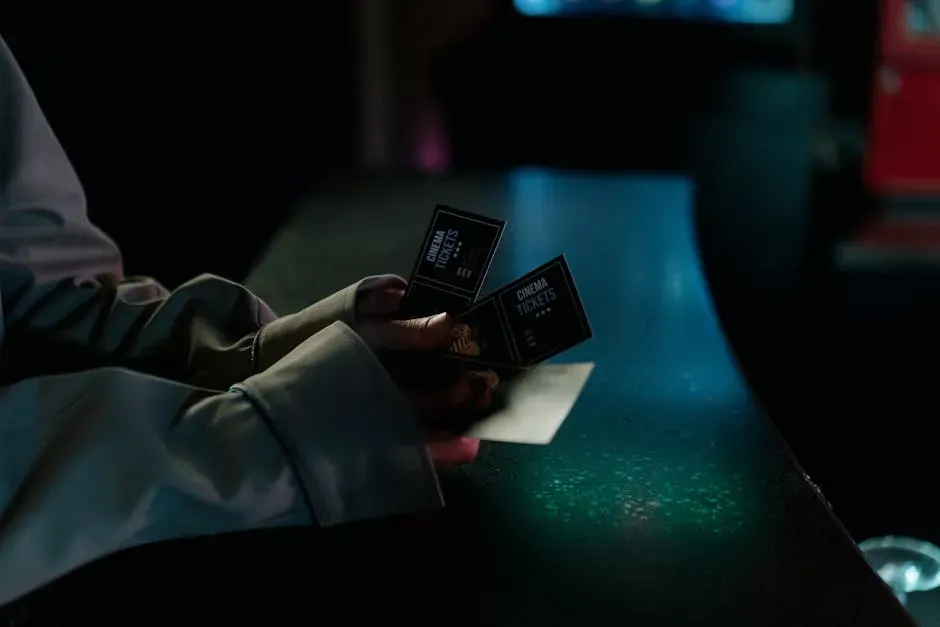
Concert ticket prices for the top 100 worldwide tours hit a record-high average of $135.92 in 2024, marking a 41.3% increase from 2019. Added ticketing fees – often representing roughly a quarter to nearly a third of the ticket price – inflate costs further for consumers. For fans without disposable income, attending live music is no longer a casual decision.
Dynamic pricing allows ticket prices to rise in real time based on demand, and while some artists use it to capture revenue that would otherwise go to resellers, many fans and musicians criticize the practice for making concerts inaccessible to ordinary audiences. Without reform, rising prices risk increasingly excluding everyday fans from moments that define music culture. Some artists have pushed back – Coldplay, for instance, promised fixed pricing for their 2025 tour to keep things fair – but these remain exceptions, not the rule.
3. The Sheer Volume of New Music Is Creating Listener Paralysis
An average of 106,000 new tracks were delivered to streaming services each day in 2025, up seven percent from the 99,000 delivered daily in 2024. That is a staggering amount of content competing for a finite amount of attention. Listeners don’t always disengage because the quality is low – sometimes it’s simply because they can’t navigate the volume.
Listening behavior in 2025 highlights just how fragmented attention has become, with the average listener consuming 2,728 songs from 1,488 different artists over the course of the year. Discovery is widespread, but sustained engagement with any single artist is increasingly difficult to achieve. When every release is competing with tens of thousands of others on the same day, even good music can disappear without a trace.
4. Streaming Royalties Remain Deeply Unfair to Most Working Artists

The widely cited average of between $0.003 and $0.005 per stream represents the net paid to all rights holders combined after platforms take their cut, and it varies significantly by country, with US, UK, and German streams paying more while emerging markets pay considerably less. According to a 2024 MIDIA Research report, the streaming service itself keeps roughly thirty percent of every dollar generated, while the publishing side – including the songwriter – receives just fourteen percent of what remains.
Those numbers don’t account for the fact that most hit songs these days have between three and twelve writers splitting that share, along with managers and other interested parties taking a percentage. Listeners who care about where their subscription money goes are increasingly aware of this imbalance, and some are responding by seeking more direct ways to support artists. For many independent musicians, streaming has become less a reliable income stream and more a frustrating illusion – a place where visibility comes at the cost of revenue and control.
Partner offer

5. Algorithm-Driven Discovery Is Narrowing What Listeners Actually Hear


AI-powered recommendation algorithms are becoming increasingly sophisticated, creating personalized musical journeys for listeners, but platforms are investing heavily in understanding listener preferences in ways that push artists to align with algorithmic logic rather than creative instinct. The result is a kind of invisible filter on discovery – one that shapes what gets heard without listeners realizing their choices are being quietly managed.
Spotify’s “Discovery” tool allows artists and labels to prioritize songs in algorithmic recommendations in return for a lower royalty rate, and scholars argue that these practices discriminate against smaller artists who cannot afford to accept lower royalties. According to MIDiA’s 2025 Spotify Wrapped analysis, the average listener spent just 4.2% of their total listening time on their top artist, highlighting how discovery increasingly relies on repetition and context rather than genuine attention. What looks like personalization is often just a loop.
6. Celebrity Disillusionment Is Weakening the Artist-Fan Bond


2024 was filled with scandals and allegations leading to major lawsuits, which contributed to a further shift away from glorifying celebrities – a shift also linked to socioeconomic pressures, as people grow increasingly disillusioned with wealthy artists who embody capitalist values while their audiences struggle to make ends meet. This isn’t just cultural noise. It has a measurable effect on how deeply people invest in an artist.
This trend could place famous individuals under more scrutiny and potentially lead to a decline of “super fandom,” which music marketers were recently trying to push as a new pathway for financial opportunities. Unlike the iconic superstars of past decades, today’s music scene has shifted, with streaming and social media creating space for a broader range of artists rather than a few names dominating the spotlight. Loyalty, once one of the most bankable assets in music, is becoming harder to earn and easier to lose.
7. Overloaded Touring Schedules Are Causing Fan Fatigue

There are now so many artists with overlapping fan bases touring simultaneously that only the wealthiest fans can realistically afford to attend multiple shows – with major acts like Kendrick Lamar, Beyoncé, and The Weeknd all playing the same New Jersey venue within a single month. The result is a kind of forced choice that leaves some fans feeling excluded and others simply burned out.
Average ticket prices rose from $98.64 in 2019 to $130.36 in 2024 – an increase of roughly a third over five years – and while the average dipped slightly in 2025, revenue from ticket sales plateaued, signaling potential consumer resistance. There has been a steady decline in fans buying tickets during initial on-sale windows, with fans often purchasing ticket protection as a hedge against cancellations, while the on-sale experience itself remains frustrating and notoriously difficult for high-demand shows.
8. Music Is Losing Its Catalog Depth as Short-Form Consumption Takes Over

Only three of Spotify’s top ten most-streamed songs in 2025 were released that same year – a reversal from 2024 – and the number of breakout hits slowed dramatically, with only 23 songs reaching the top charts in the first half of 2025 compared to 49 during the same period in 2024. Listeners are returning to familiar music rather than exploring deeply, which narrows the cultural footprint new artists can build.
There is so much music available on streaming platforms that many listeners end up consuming it passively – which is useful for one-off streaming revenue but not for building a devoted community of fans who keep coming back. The shift toward short-form video clips and thirty-second previews is partly responsible. The rise of online tastemakers, streaming, and algorithms has reinvented the concept of genre itself, with artists increasingly defining their work by feel and emotion rather than coherent musical identity. That makes deep listening feel less rewarded.
9. Major Label Consolidation Is Squeezing Out Musical Diversity
Growth in the music industry is becoming increasingly concentrated, with a smaller number of markets, platforms, and artists capturing a growing share of total revenue, while mature markets are stabilizing rather than accelerating and listener growth in emerging regions often comes with lower average revenue per user. What this means practically is that the economics increasingly favor a small elite while everyone else competes for the margins.
Tracks distributed by the major music companies – Universal Music Group, Sony Music Entertainment, and Warner Music Group – accounted for just 3.8% of new track deliveries to streaming services in 2025, less than half their equivalent share in 2024. Independent artists are releasing more music than ever, but the number of tracks reaching a billion streams actually declined slightly in 2025 from 2024, suggesting that while the middle tier is growing, superstar-level success remains intensely concentrated. For listeners, that concentration translates into fewer fresh voices breaking through at a meaningful scale.
Partner offer
Planning a trip to Vegas?
Compare hotel rates and show tickets on VEGAS.com.